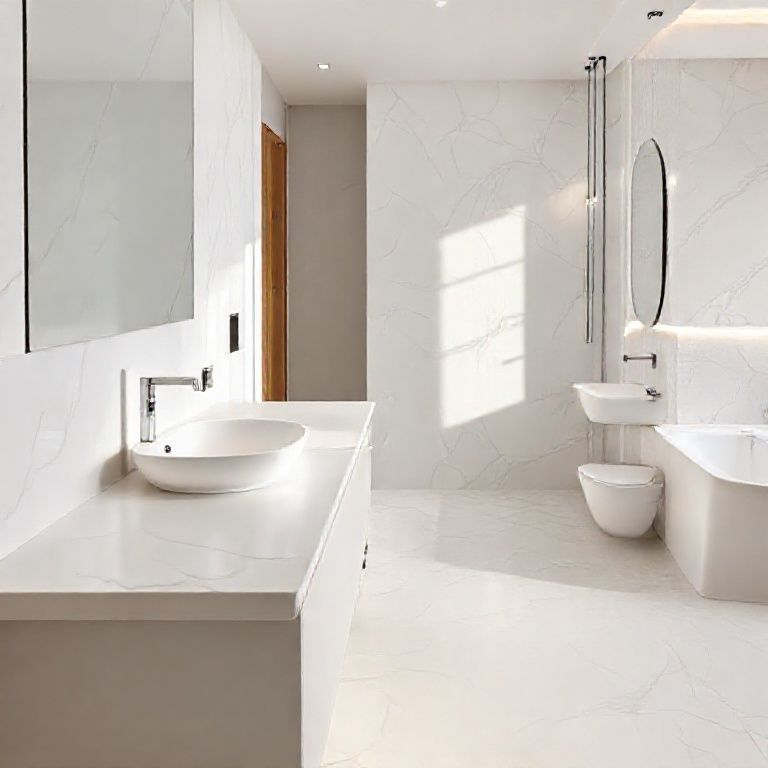
When it comes to kitchen renovations, one of the most transformative updates you can make is installing artificial stone countertops. These durable, low-maintenance surfaces are incredibly popular for their aesthetic appeal and functionality. However, to fully unlock their potential, it’s essential to understand the process of polishing artificial stone, which elevates their beauty and longevity.
The Appeal of Artificial Stone Countertops
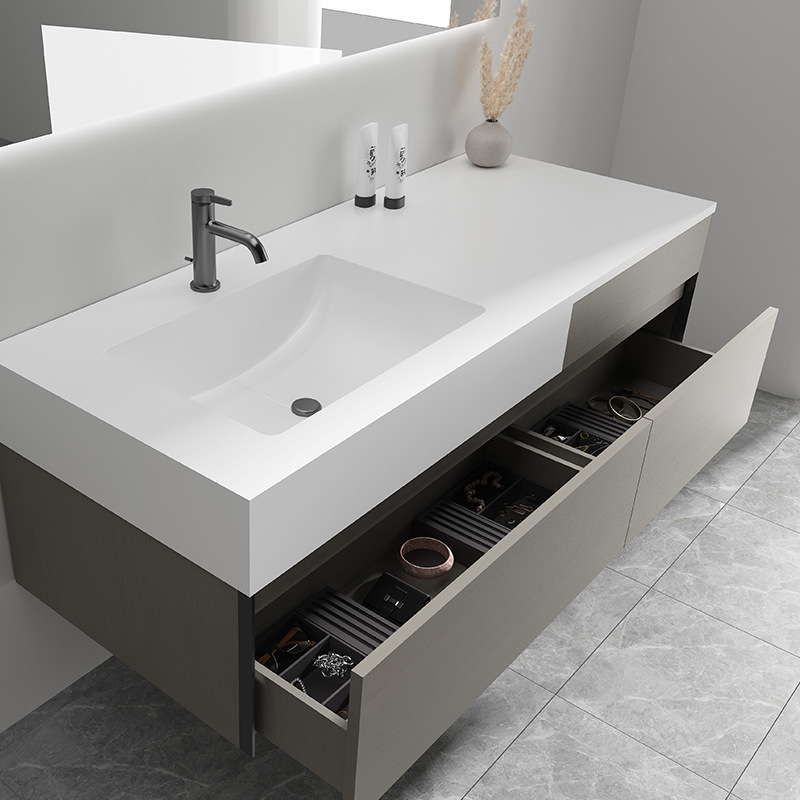
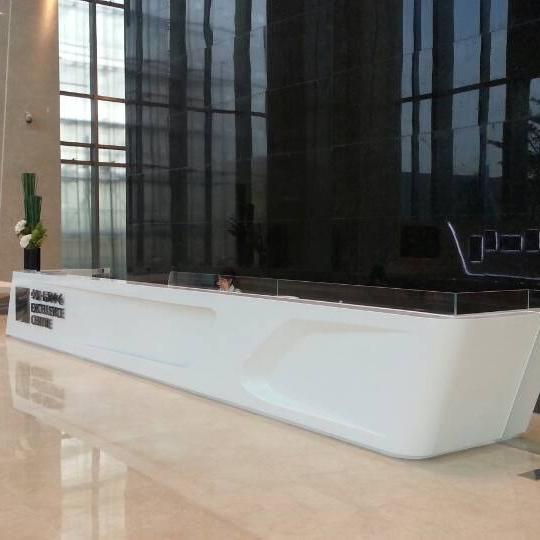
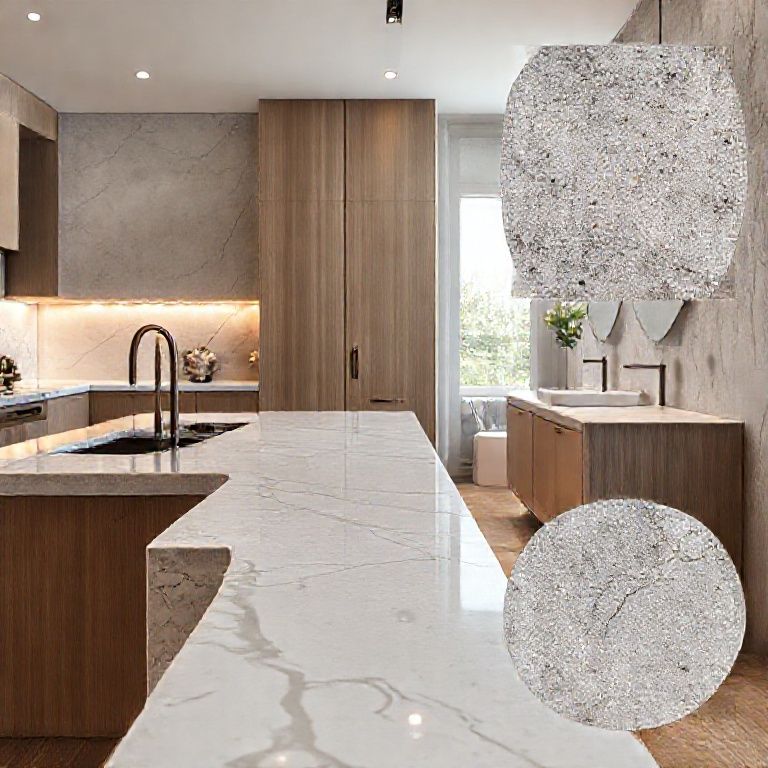
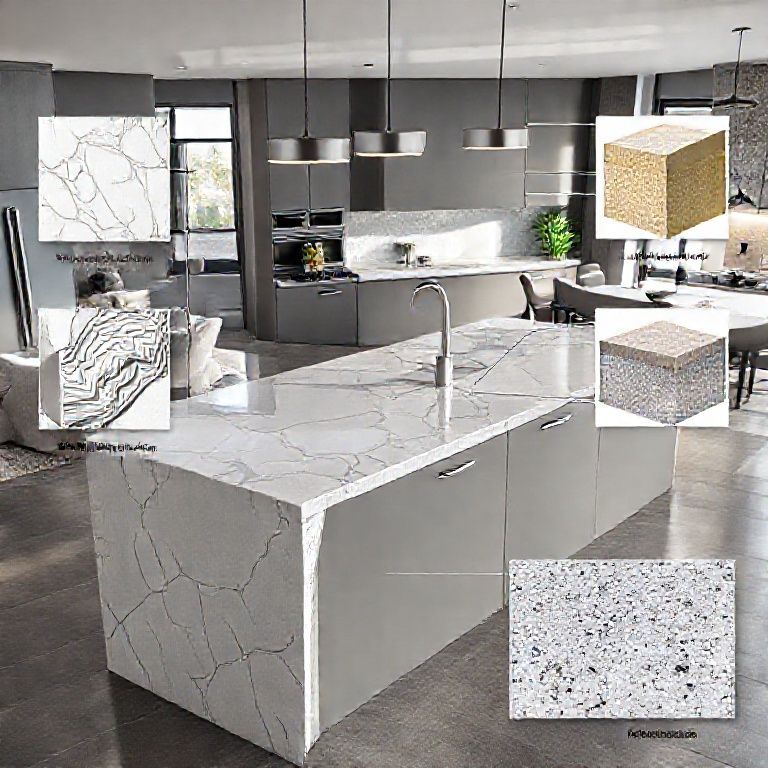
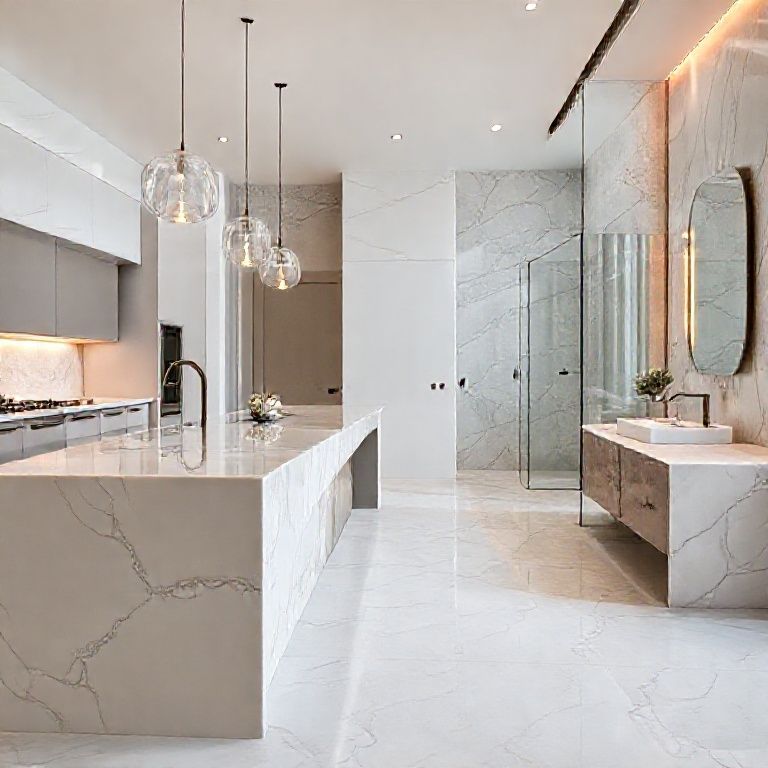
Artificial stone countertops, also known as cultured stone, are a blend of minerals, resin, and pigments that are formed under high pressure and temperature. The result is a material that mimics the look of natural stone but with enhanced durability and resistance to scratches, stains, and chips. Available in a myriad of colors and designs, these countertops offer a luxurious appearance that can elevate the aesthetic of any kitchen.
The Importance of Polishing
Polishing artificial stone is a crucial step in the finishing process. It enhances the natural beauty of the stone and provides a smooth, polished surface that is both functional and visually appealing. Polishing removes any imperfections, such as scratches or surface irregularities, leaving a flawless finish that reflects light beautifully.
Understanding the Polishing Process
The polishing process for artificial stone countertops typically involves several steps:
Surface Preparation: Before polishing, the surface must be thoroughly cleaned and free of any contaminants. This ensures that the polishing compound adheres properly and that the final result is as smooth as possible.
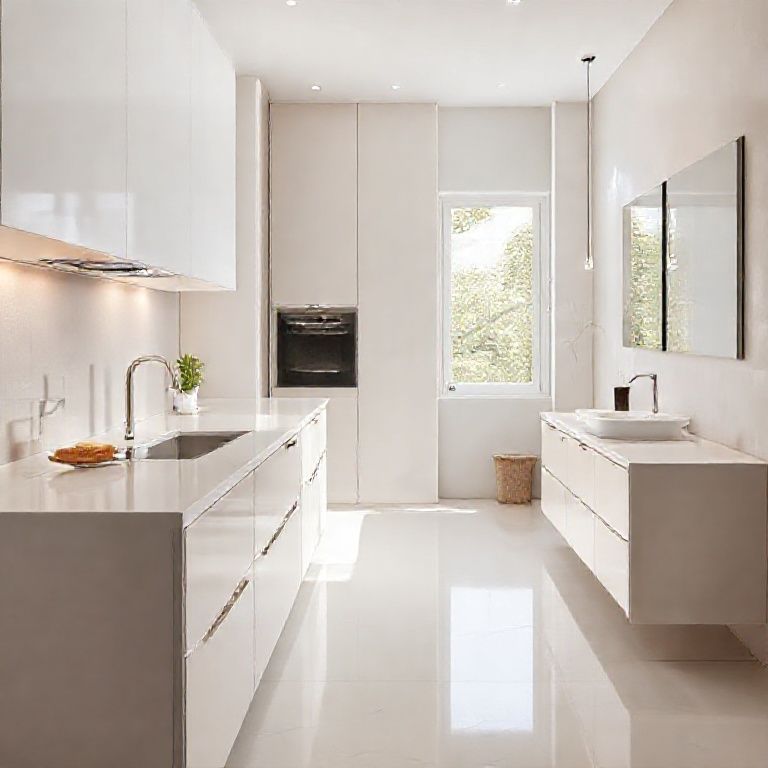
Grinding: In some cases, grinding may be necessary to level out the surface. This step is particularly important if the countertop has any chips or cracks that need to be addressed.
Polishing: Using specialized polishing pads and compounds, artisans work to smooth out the surface and achieve the desired shine. This process can take several hours, depending on the size and complexity of the countertop.
Sealing: After polishing, a sealant is often applied to protect the surface from stains and scratches. This step is crucial for maintaining the countertop’s beauty and longevity.
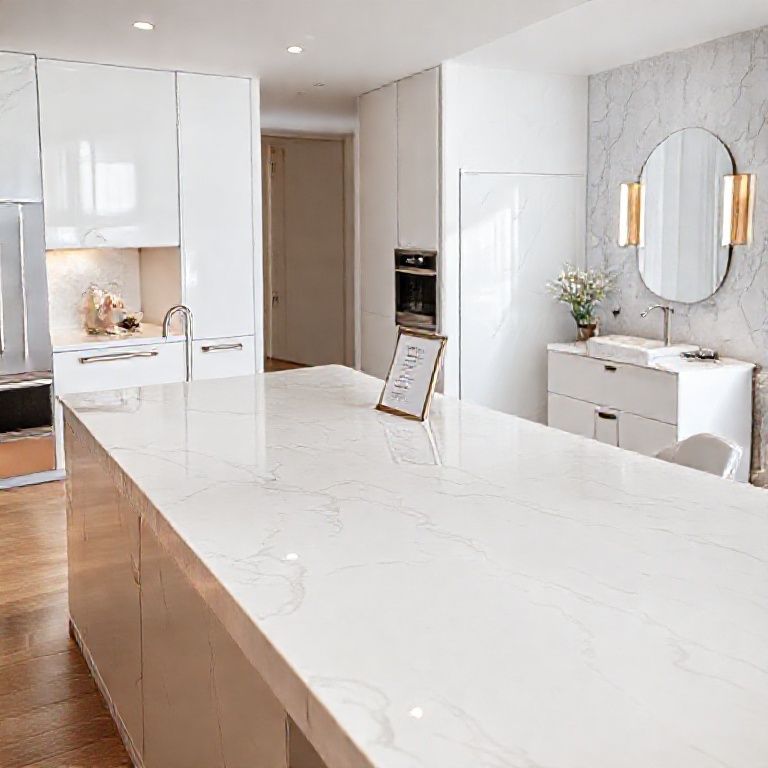
Factors Influencing the Cost of Polishing
The cost of polishing artificial stone countertops can vary based on several factors:
Size and Complexity of the Countertop: Larger and more intricate countertops will generally cost more to polish due to the increased time and effort required.
Quality of the Material: Higher-grade artificial stone may require more precise polishing techniques, which can affect the overall cost.
Location: Regional differences in labor costs can impact the final price. Urban areas may have higher rates compared to rural regions.
Experience of the Polisher: Skilled artisans with years of experience may charge more for their expertise.
Additional Services: If additional services such as grinding, sealing, or repair work are needed, these will add to the overall cost.
Average Costs
While costs can vary widely, it’s helpful to have a general idea of what to expect. On average, polishing an artificial stone countertop can range from $15 to $35 per square foot. This includes the initial cleaning, polishing, and sealing. For a standard kitchen countertop, which might be around 100 square feet, the total cost could range from $1,500 to $3,500.
Conclusion
Polishing artificial stone countertops is a key step in achieving that perfect, professional finish. While it involves a detailed and often time-consuming process, the results are well worth the investment. From enhancing the visual appeal to extending the lifespan of your countertops, polishing is a critical aspect of kitchen renovation that can make a world of difference.
Stay tuned for part 2, where we will delve deeper into the maintenance and care of polished artificial stone countertops to ensure they remain in pristine condition for years to come.
Polishing artificial stone countertops not only enhances their visual appeal but also extends their lifespan. However, to maintain that pristine finish, it’s essential to understand proper care and maintenance practices. In this part of our guide, we’ll explore the best ways to keep your polished artificial stone countertops looking their best.
Understanding Your Countertop’s Finish
Artificial stone countertops are typically finished with a sealant that protects the surface from stains and scratches. This sealant, however, is not impervious to all damage. Knowing how to properly maintain your countertops can help prolong the life of both the finish and the countertop itself.
Daily Maintenance Tips
Cleaning: Regular cleaning is crucial to prevent stains and scratches. Use a mild soap and warm water to clean the surface, and avoid abrasive cleaners that can damage the finish. For tougher spots, a gentle stone cleaner designed for artificial stone can be used.
Drying: After cleaning, ensure the surface is thoroughly dried to prevent water spots and potential damage.
Utensil Care: Use cutting boards or pads when cutting food on the countertop to prevent scratches. Wooden or plastic utensils are preferable over metal ones.
Handling Spills and Stains
Immediate Action: For spills, act quickly to prevent stains. Blot up the spill with a clean, dry cloth as soon as possible. For tougher stains, a specialized stone cleaner can be used following the product’s instructions.
Avoid Harsh Chemicals: Avoid using harsh chemicals or abrasive cleaners that can strip the finish or cause damage.
Deep Cleaning
Frequency: Deep cleaning should be done as needed, typically every few months or when the surface appears dirty.
Method: Use a non-abrasive stone cleaner and a soft cloth or sponge to gently scrub the surface. Avoid using steel wool or any abrasive materials.
Repair and Re-Polishing
Minor Repairs: For minor scratches or chips, a stone repair kit can often be used to restore the surface.
Professional Re-Polishing: For more significant damage or if the finish begins to wear off, it may be necessary to re-polish the countertop. This should be done by a professional to ensure the best results.
Preventing Damage
Protective Pads: Use protective pads under heavy items to prevent scratches.
Heat and Moisture: Avoid placing hot pots or pans directly on the surface. Instead, use trivets or pot holders. Also, ensure that the kitchen is well-ventilated to prevent moisture buildup.
Long-Term Care
Routine Maintenance: Incorporate regular maintenance into your household routine. This includes daily cleaning and periodic deep cleaning.
Professional Servicing: Consider hiring a professional for a thorough cleaning and re-polishing every 1-2 years to maintain the countertop’s shine and protect its finish.
Conclusion
Maintaining your polished artificial stone countertops requires a combination of daily care, prompt attention to spills and stains, and periodic professional servicing. By following these guidelines, you can ensure that your countertops remain beautiful and functional for many years to come. Remember, the initial investment in polishing is only part of the cost; proper maintenance is key to preserving that polished, professional finish.
In conclusion, whether you’re considering the installation of artificial stone countertops or are in the process of maintaining your existing ones, understanding the polishing and care process is essential. From the initial cost of polishing to the ongoing maintenance, each step contributes to the longevity and beauty of your kitchen’s centerpiece.
For more detailed insights and tips on kitchen renovation and countertop maintenance, stay tuned to our blog for more comprehensive guides and expert advice.