The Art and Science of Polishing Artificial Stone Countertops
Introduction to Artificial Stone Countertops
In today’s world of modern design and functionality, artificial stone countertops have become a popular choice for both residential and commercial spaces. Known for their durability, low maintenance, and impressive aesthetic appeal, these countertops are an excellent alternative to traditional materials like granite or marble. However, to truly unlock their potential and enhance their beauty, polishing and finishing are essential processes that can transform the appearance and longevity of your artificial stone surface.
Understanding the Polishing Process
Polishing artificial stone countertops involves several key steps:
Preparation: The first step is to clean the surface thoroughly to remove any dirt, grease, or residues. This ensures that the polishing compound can adhere properly to the stone.
Grinding: Depending on the condition of the surface, light grinding may be required to smooth out any imperfections or to prepare the surface for polishing. This step is crucial for achieving a high-gloss finish.
Polishing: Using specialized polishing compounds and tools, the surface is polished to achieve the desired level of shine. The polishing process enhances the stone’s natural beauty, bringing out its color and texture.
Finishing: The final step involves applying a protective layer, such as a sealant or wax, to protect the polished surface from stains, scratches, and daily wear and tear. This not only maintains the beauty of the stone but also extends its lifespan.
The Benefits of Polishing Artificial Stone
Polishing artificial stone countertops offers numerous benefits:
Enhanced Aesthetic Appeal: Polishing brings out the natural beauty of the stone, highlighting its color and texture. A well-polished surface can add a luxurious touch to any space.
Increased Durability: A polished surface is more resistant to scratches, stains, and daily wear, making it a durable choice for high-traffic areas like kitchens and bathrooms.
Ease of Maintenance: While artificial stone is inherently low-maintenance, polishing can make it even easier to clean and maintain. A polished surface is less likely to retain stains and fingerprints.
Customization: Polishing can be tailored to achieve different finishes, from high-gloss to matte, allowing for a personalized look that suits your style and preferences.
Factors Influencing Polishing and Finishing Prices
The cost of polishing and finishing artificial stone countertops can vary based on several factors:
Surface Condition: The initial condition of the stone can significantly impact the cost. Heavily stained or damaged surfaces may require more extensive preparation and additional polishing steps.
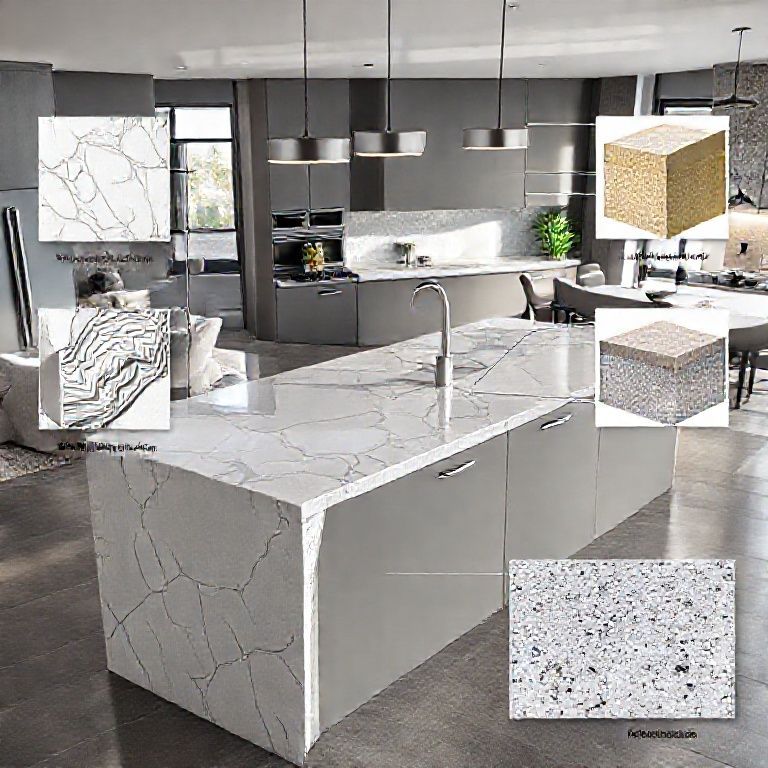
Type of Artificial Stone: Different types of artificial stone may require different polishing techniques and compounds. The complexity of the stone’s composition can influence the cost.
Size and Complexity of the Area: Larger countertops or those with intricate designs may require more time and effort, leading to higher costs.
Skill and Experience of the Polisher: Professional polishers with years of experience and expertise in artificial stone can charge more due to their specialized skills and the quality of their work.
Additional Services: Some polishing services may include additional steps like cleaning, sealing, or applying a protective finish. These extra services can affect the overall price.
Budget Considerations
When budgeting for polishing and finishing your artificial stone countertops, it’s important to consider both the initial cost and the long-term benefits. While a polished surface may come at an upfront expense, the increased durability and maintenance ease can make it a worthwhile investment in the long run.
Conclusion of Part 1
Polishing and finishing artificial stone countertops is an art that can significantly elevate the beauty and durability of your space. Understanding the process, benefits, and factors that influence cost can help you make an informed decision and achieve stunning results. In the next part, we will delve deeper into specific techniques, expert tips, and real-world examples to further guide you on this transformative journey.
Techniques, Expert Tips, and Real-World Examples for Polishing Artificial Stone Countertops
Introduction to Advanced Polishing Techniques
While the basic principles of polishing artificial stone countertops are straightforward, mastering the art requires a deeper understanding of advanced techniques. Professional polishers employ a variety of methods to achieve the perfect finish, ensuring that your artificial stone not only looks stunning but also maintains its beauty over time.
Advanced Polishing Methods
Chemical Polishing: This method involves using specific chemical compounds designed to break down and remove stains or discolorations from the stone surface. The polisher applies the chemical compound, lets it sit for a specified time, and then rinses it off, revealing a cleaner, brighter surface.
Mechanical Polishing: For a high-gloss finish, mechanical polishing uses specialized tools and polishing compounds. The polisher employs a series of pads and abrasives to gradually smooth and shine the surface. This method is highly effective for achieving a professional-grade finish.
Hybrid Polishing: This technique combines both chemical and mechanical polishing to address various surface issues. It provides a comprehensive solution for cleaning, smoothing, and polishing the stone, ensuring a flawless finish.
Expert Tips for Polishing Artificial Stone
Start with a Thorough Clean: Begin by cleaning the stone surface with a pH-neutral cleaner to remove any dirt, grease, and residues. This ensures that the polishing compounds can work effectively.
Assess the Condition: Evaluate the current state of the stone. If the surface is heavily stained or damaged, additional preparation steps may be required. Consulting with a professional can help determine the best approach.
Use the Right Tools: Invest in high-quality polishing tools and compounds specifically designed for artificial stone. Using the right tools ensures a smooth, even finish and prevents damage to the stone.
Test in a Small Area: Before polishing the entire surface, test the polishing process in a small, inconspicuous area. This allows you to evaluate the results and make any necessary adjustments.
Regular Maintenance: To prolong the life of the polished surface, regular maintenance is essential. Use pH-neutral cleaners and avoid abrasive pads or harsh chemicals that can scratch the stone.
Real-World Examples
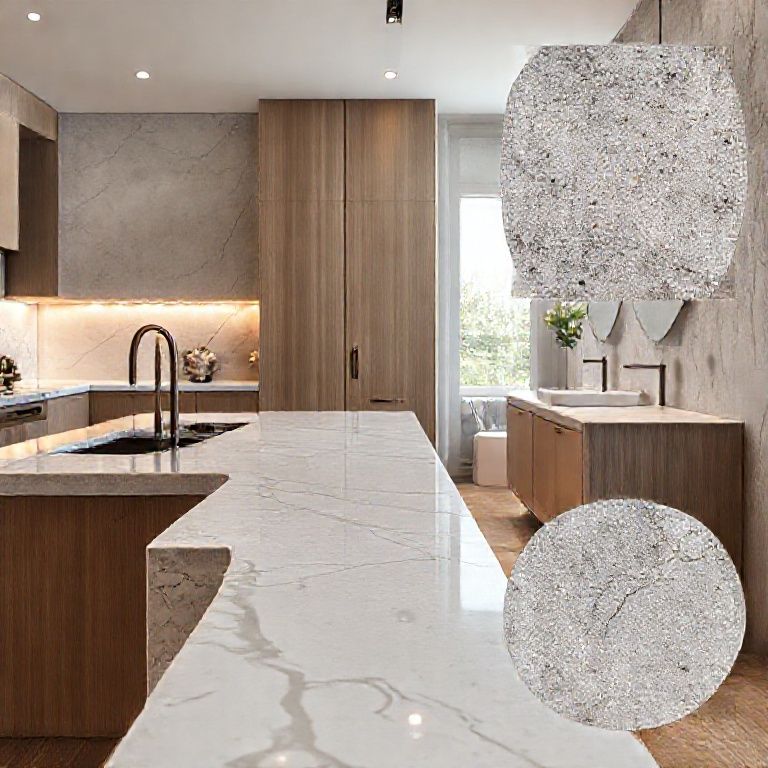
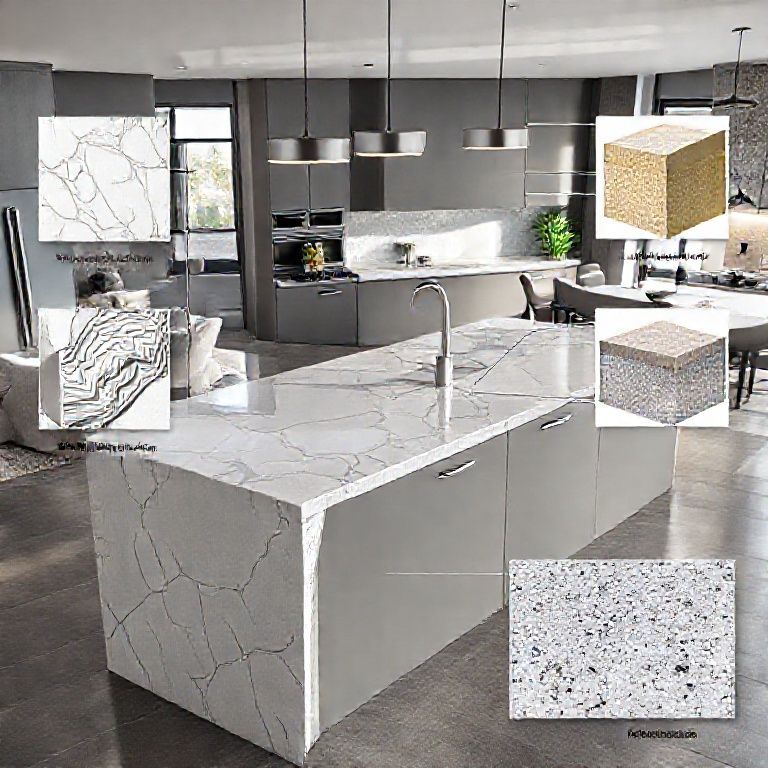
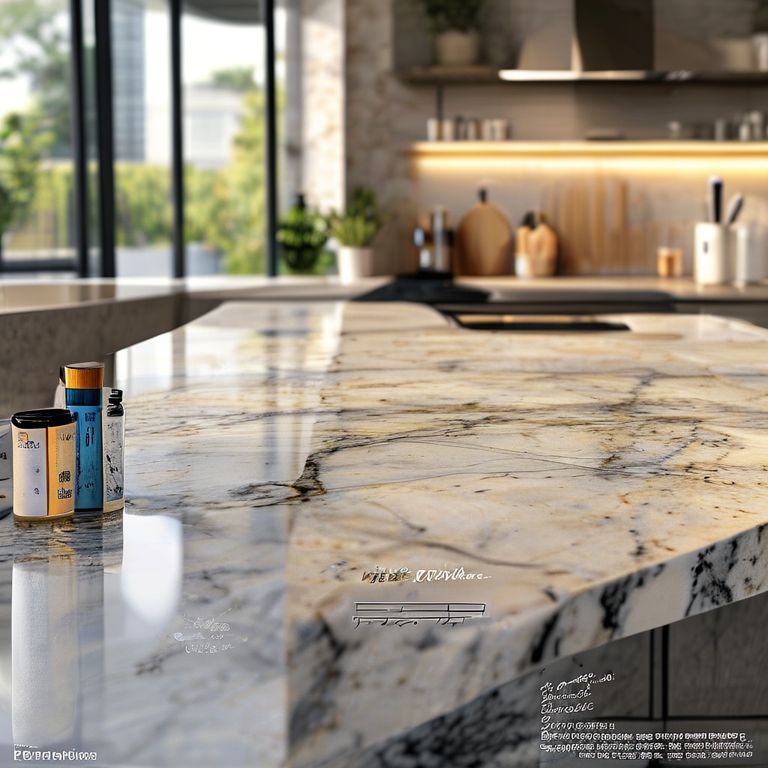
Kitchen Transformation: A homeowner in New York decided to polish their aged artificial stone countertop to refresh the kitchen’s appearance. After a thorough cleaning and mechanical polishing, the countertop gleamed with a high-gloss finish, instantly elevating the kitchen’s aesthetic appeal. The polished surface also became easier to clean and maintain, making it a joy to work in.
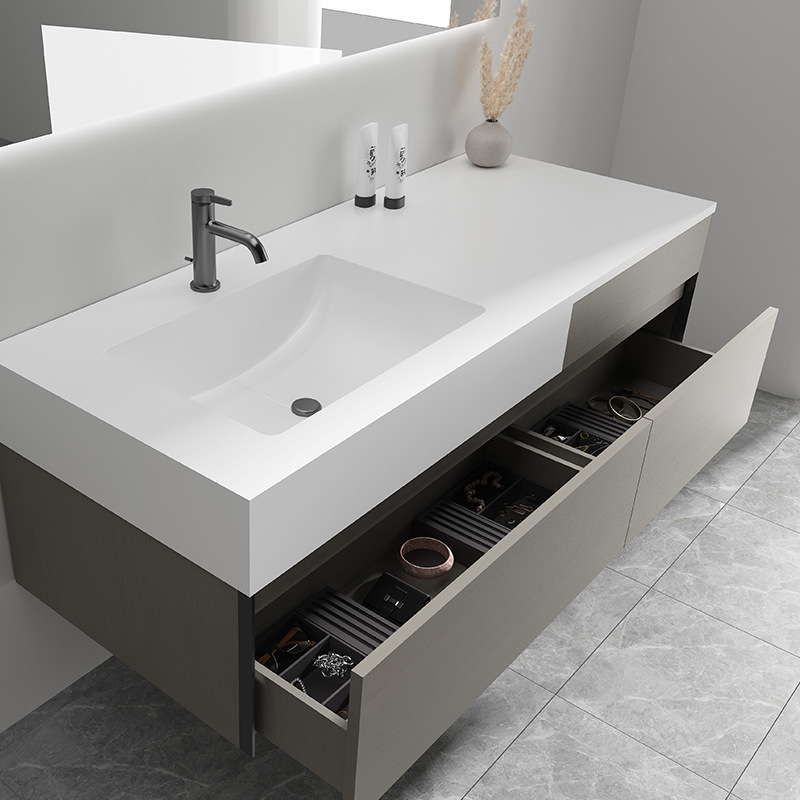
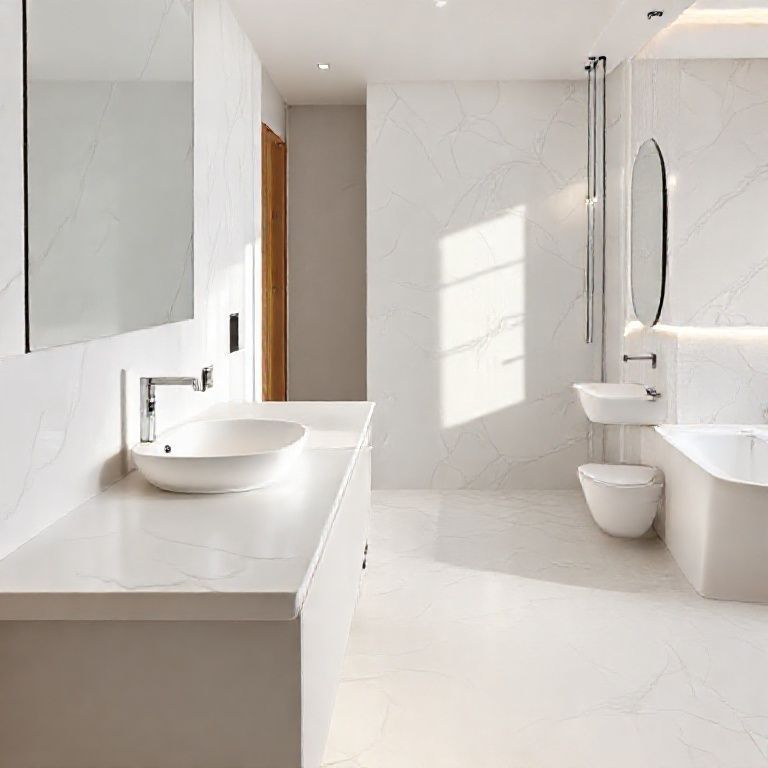
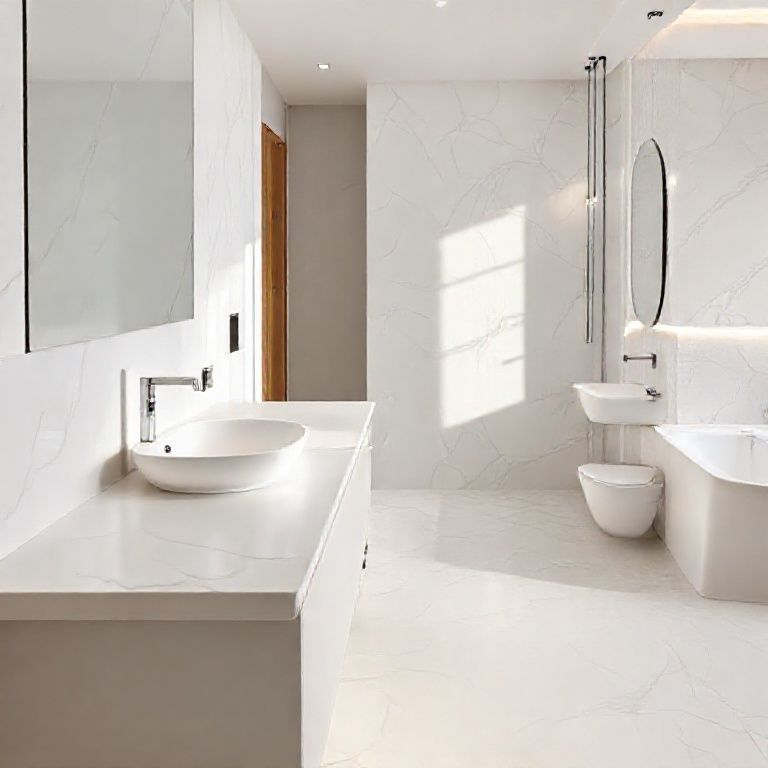
Bathroom Upgrade: In a luxurious Californian villa, the polished artificial stone countertops in the bathroom transformed the space from dull to dazzling. The professional polisher used a hybrid technique to remove stains and achieve a mirror-like finish. The result was a stunning, modern look that complemented the villa’s elegant design.
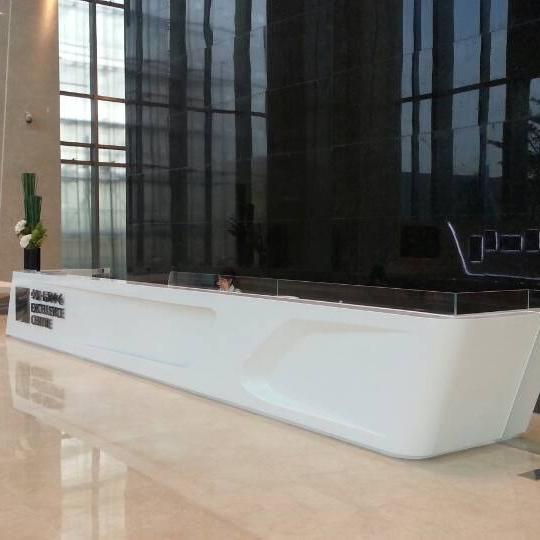
Commercial Space Revitalization: A bustling café in London opted to polish their artificial stone bar tops to enhance the dining experience. The polishing process involved chemical and mechanical methods to address specific stains and wear. The revitalized bar tops not only looked beautiful but also functioned better, with a surface that was easier to clean and sanitize.
Cost-Effective Solutions
While professional polishing services can vary in price, there are cost-effective solutions available. For those on a budget, DIY polishing kits designed for artificial stone countertops can provide a good finish with the right technique and care. However, for the best results and to avoid damaging the stone, professional services are often worth the investment.
Conclusion of Part 2
Polishing and finishing artificial stone countertops is a transformative process that can significantly enhance the beauty and longevity of your space. By understanding advanced techniques, following expert tips, and considering real-world examples, you can make informed decisions to achieve stunning results. Whether you choose a professional service or a DIY approach, the key is to invest in quality and maintenance to ensure your artificial stone countertops remain beautiful for years to come.
Final Thoughts
Polishing and finishing artificial stone countertops is an investment in both aesthetics and durability. By exploring the art and science behind this process, understanding the factors that influence cost, and employing expert tips, you can elevate your space to new heights of beauty and functionality. Whether you opt for professional services or tackle the project yourself, the key is to ensure a polished, protected, and stunning surface that reflects your personal style and enhances your daily life.