Unveiling the Beauty and Benefits of Artificial Stone Countertops
Introduction: Artificial stone countertops have revolutionized the way we approach kitchen and bathroom design. Known for their durability, aesthetic versatility, and low maintenance, they offer an impeccable alternative to natural stone. However, maintaining their pristine appearance requires attention, particularly through processes such as polishing and grinding. In this comprehensive guide, we delve into the costs, benefits, and meticulous care needed to keep your artificial stone countertops looking impeccable.
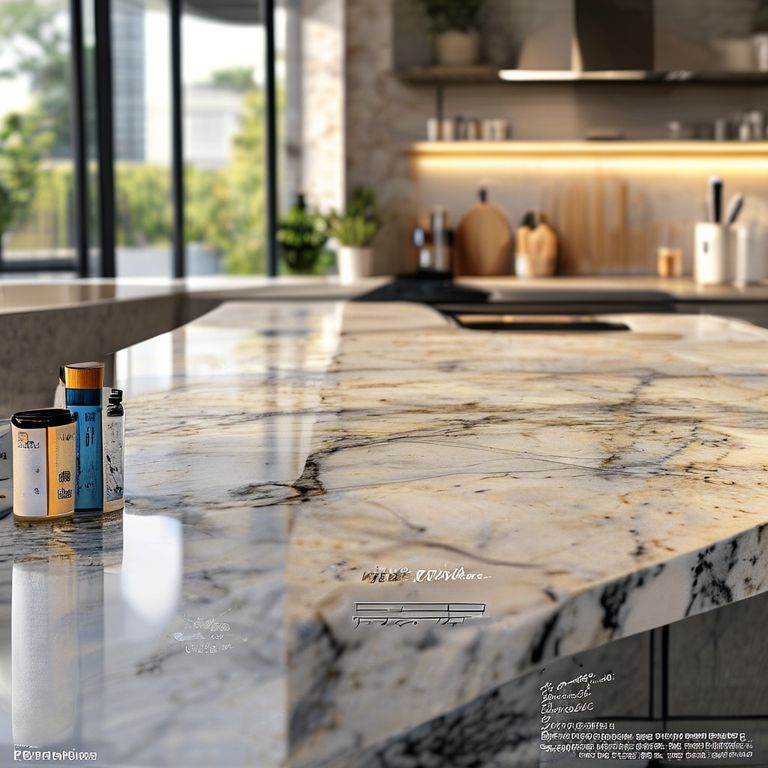
Why Choose Artificial Stone Countertops:
Durability and Strength: Artificial stone combines natural stone powder with resin, resulting in a material that is incredibly durable and resistant to scratches, chips, and stains. This makes it a perfect choice for high-traffic areas such as kitchens and bathrooms where wear and tear are common.
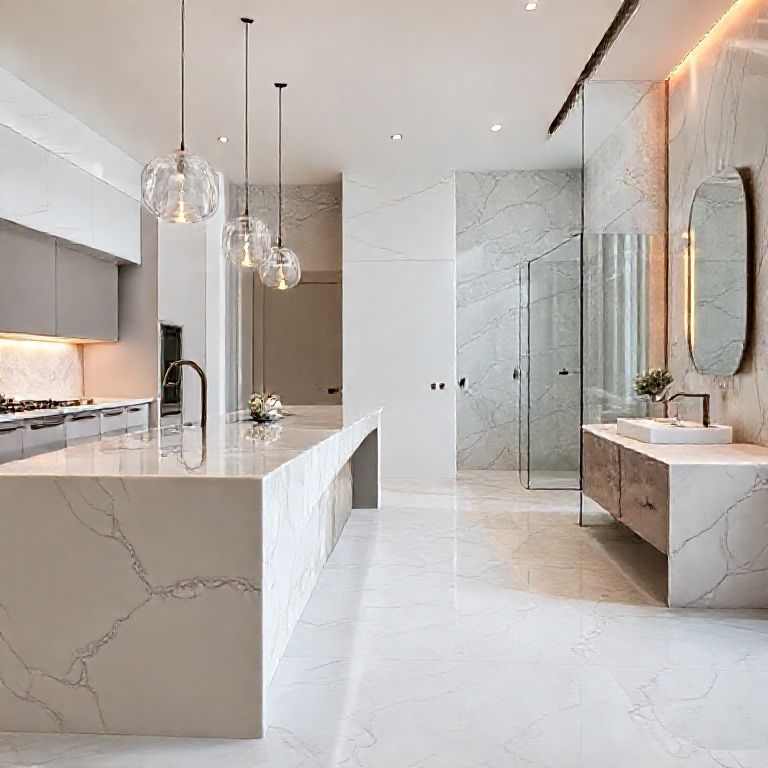
Aesthetic Versatility: The beauty of artificial stone lies in its ability to mimic the look of natural stone while offering a vast array of colors and finishes. You can select from a plethora of designs to match your home’s decor or choose something entirely unique.
Low Maintenance: Unlike natural stone, artificial stone countertops do not require sealing or frequent maintenance. They are also resistant to water and heat, making them easy to clean and maintain.
Cost-Effective: Artificial stone is generally more affordable than natural stone, offering a luxurious look at a fraction of the cost. This makes it an attractive option for homeowners looking to enhance their space without breaking the bank.
The Importance of Polishing and Grinding:
While artificial stone is inherently durable, regular maintenance through polishing and grinding can extend its life and maintain its aesthetic appeal. Here’s why these processes are essential:
Enhancing Appearance: Over time, artificial stone countertops can develop a dull finish due to wear and exposure to various substances. Polishing and grinding restore their shine, making them look as good as new.
Removing Surface Marks: Although artificial stone is resistant to scratches, minor marks and imperfections can still occur. Polishing and grinding help to remove these surface marks, ensuring a smooth and flawless surface.
Preventing Future Damage: Regular maintenance through polishing and grinding can prevent future damage by maintaining a protective layer on the surface, thereby reducing the risk of stains and scratches.
Cost Factors Influencing Polishing and Grinding:
Several factors influence the cost of polishing and grinding artificial stone countertops. These include:
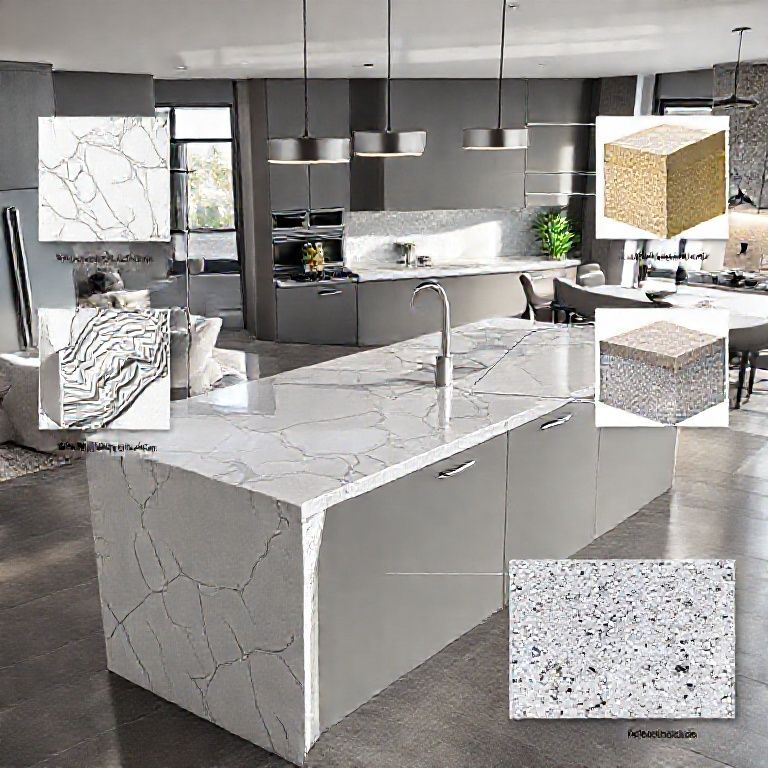
Size and Complexity of the Countertop: Larger countertops or those with intricate designs will generally cost more to polish and grind. The complexity of the design can also affect the price due to the additional time and effort required.
Quality of the Material: The type of artificial stone used can impact the cost. Higher-quality materials may require more precise polishing techniques, leading to higher costs.
Location: The geographical location of the service provider can influence costs. Urban areas with higher demand may charge more compared to rural areas.
Professional Expertise: The experience and reputation of the professional service provider can also affect the cost. Highly skilled and reputable professionals may charge more for their expertise.
Conclusion: Artificial stone countertops offer a blend of durability, beauty, and low maintenance, making them a popular choice for modern home design. Regular polishing and grinding are essential to maintain their pristine appearance and prevent future damage. Understanding the factors that influence the cost of these services can help you make an informed decision and budget effectively for your home renovation project.
Stay tuned for Part 2, where we’ll dive deeper into the process of polishing and grinding artificial stone countertops, explore different techniques, and provide tips on choosing the right service provider.
Mastering the Art of Polishing and Grinding Artificial Stone Countertops
Introduction: In Part 1, we explored the benefits and factors affecting the costs of maintaining artificial stone countertops. Now, let’s delve deeper into the art of polishing and grinding these countertops. This process requires precision and expertise to ensure that your countertops look flawless and last longer. We’ll discuss the techniques, tools, and tips to help you understand the intricacies of this maintenance procedure.
The Polishing Process:
Surface Preparation: Before polishing, it’s crucial to clean the artificial stone countertop thoroughly. Remove any dirt, grime, or residue using a mild detergent and a soft cloth. Ensure the surface is completely dry before proceeding.
Selecting the Right Polishing Compound: The choice of polishing compound is essential. Opt for a compound specifically designed for artificial stone. Avoid using harsh chemicals that can damage the surface.
Polishing Technique: Use a soft cloth or polishing pad to apply the polishing compound. Start with light pressure and gradually increase as needed. Work in small sections, moving in a consistent direction to ensure an even finish.
Finishing Touches: Once the entire surface is polished, use a clean, dry cloth to buff the countertop and remove any remaining residue. This step ensures a shiny, pristine finish.
The Grinding Process:
Surface Preparation: Similar to polishing, cleaning the countertop is the first step. Remove all dirt and debris to ensure a smooth and clean surface for grinding.
Selecting the Right Tools: Grinding artificial stone countertops requires specialized tools. Use a diamond grinding wheel or a grinder with a diamond abrasive pad. Ensure the tools are appropriate for the type of artificial stone used.
Grinding Technique: Start with a coarse grinding wheel to remove any imperfections or marks. Gradually switch to a finer wheel to achieve a smooth, even surface. Maintain consistent pressure and move the tool in a steady, circular motion to avoid uneven grinding.
Final Polishing: After grinding, polish the surface using the techniques discussed in Part 1 to restore shine and remove any remaining imperfections.
Techniques and Tools:
Diamond Grinding Wheels: Diamond grinding wheels are essential for achieving a smooth finish. They are available in various grits, allowing you to choose the appropriate one based on the level of surface imperfections.
Grinders and Polishers: Handheld grinders and polishers with diamond attachments are commonly used. Ensure you have the right equipment for the job to achieve the best results.
Polishing Compounds and Pads: Invest in high-quality polishing compounds and pads designed for artificial stone. These will help achieve a professional-looking finish.
Choosing the Right Service Provider:
Experience and Expertise: Look for professionals with experience in polishing and grinding artificial stone countertops. Experienced technicians will know the best techniques and tools to use.
Reputation: Check reviews and testimonials from previous clients. A reputable service provider will have a track record of satisfied customers.
Cost and Warranty: Compare costs and ensure the service provider offers a warranty on their work. This guarantees that any issues can be addressed at no additional cost to you.
Portfolio: Ask to see a portfolio of previous work. This will give you a better idea of the quality and style of their polishing and grinding services.
Conclusion: Maintaining artificial stone countertops through polishing and grinding is an art that requires precision and the right tools. By understanding the techniques and choosing the right service provider, you can ensure your countertops remain beautiful and durable for years to come. Regular maintenance not only enhances the appearance but also prolongs the life of your artificial stone surfaces, making them a worthy investment in your home.
If you’re considering giving your artificial stone countertops a professional polish or grind, now you have a comprehensive guide to make an informed decision. Remember to invest in the quality of the service to enjoy the best results.
Stay tuned for more tips on home improvement and renovation in our upcoming articles!