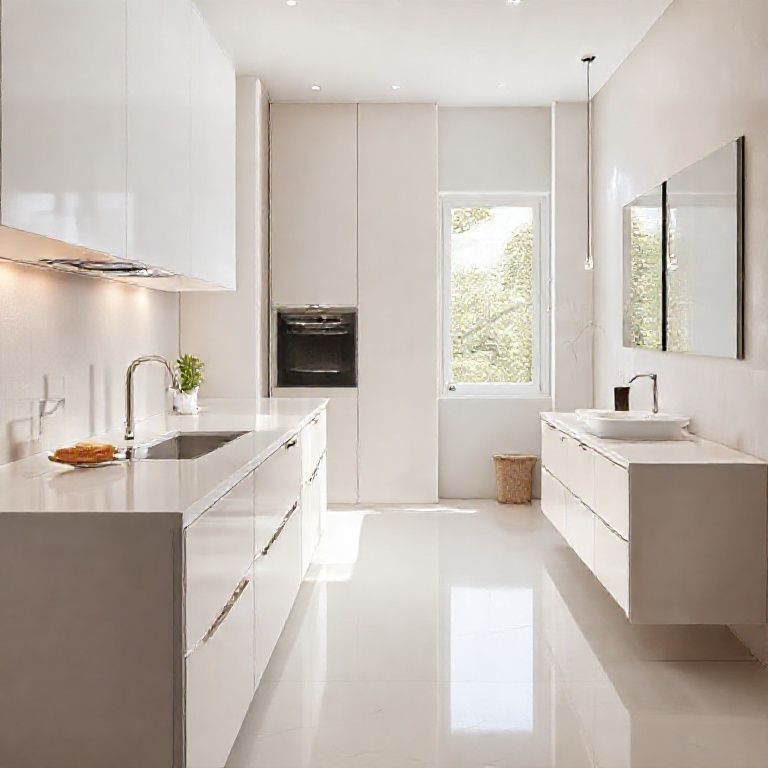
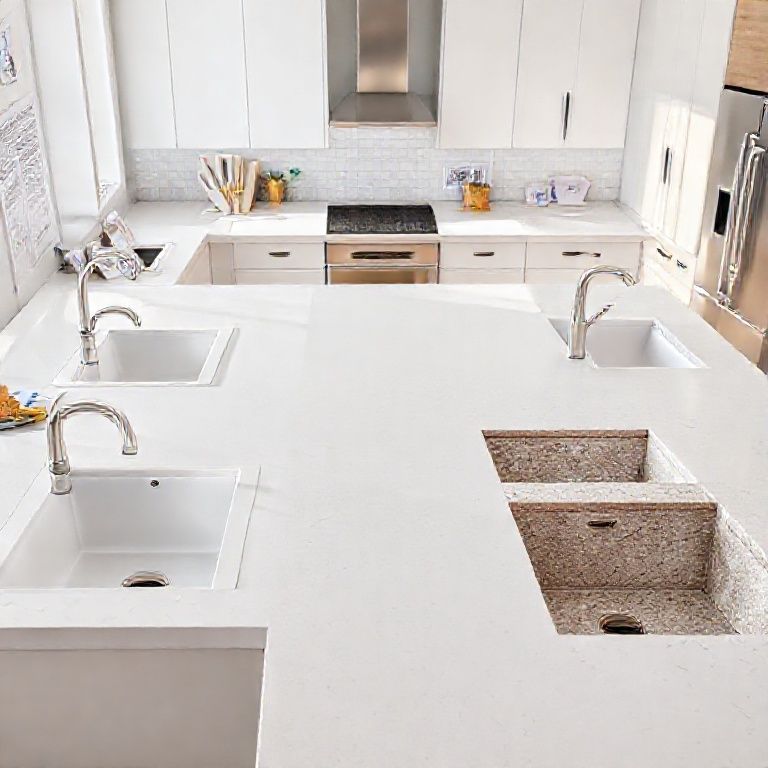
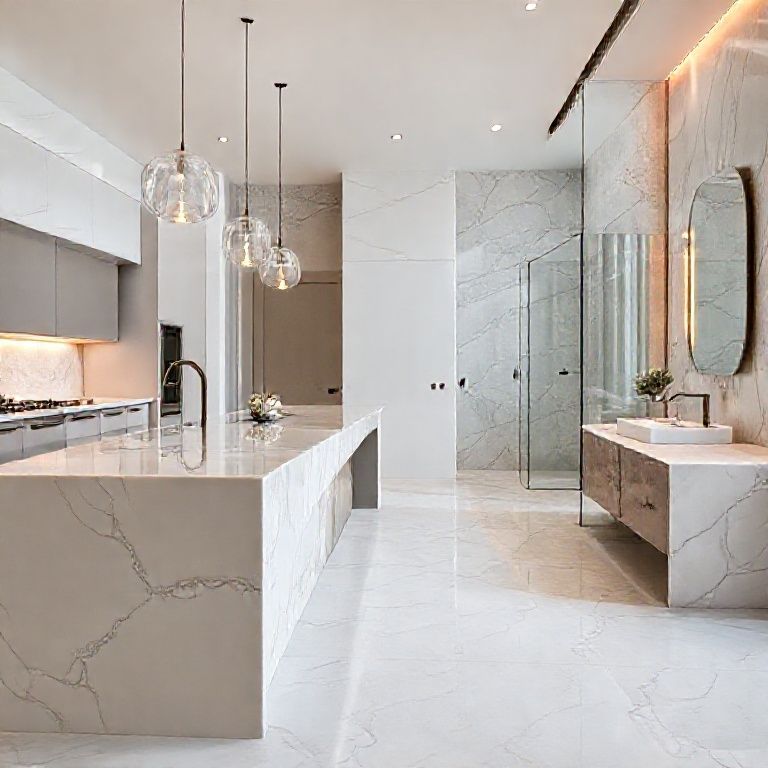
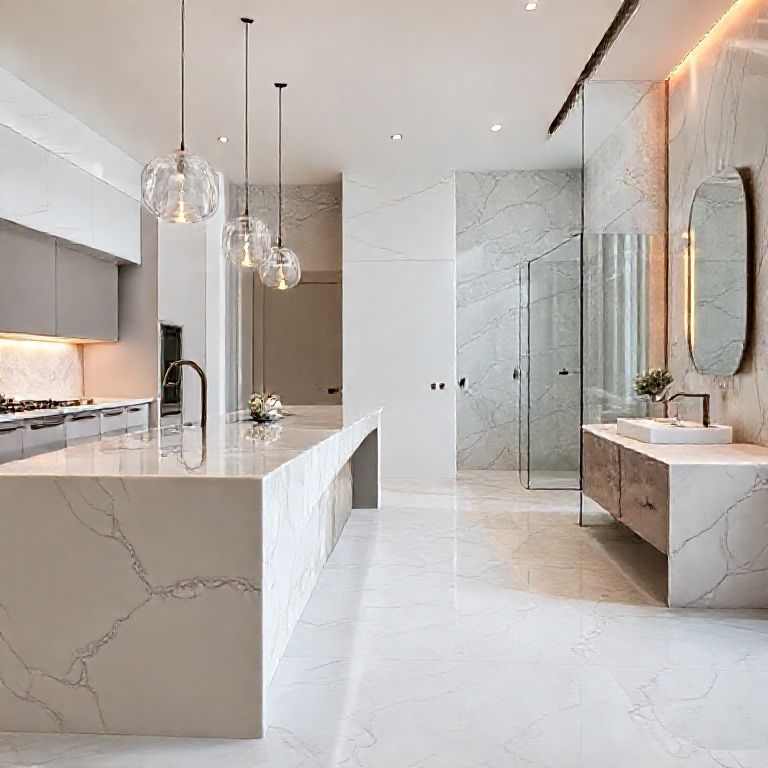
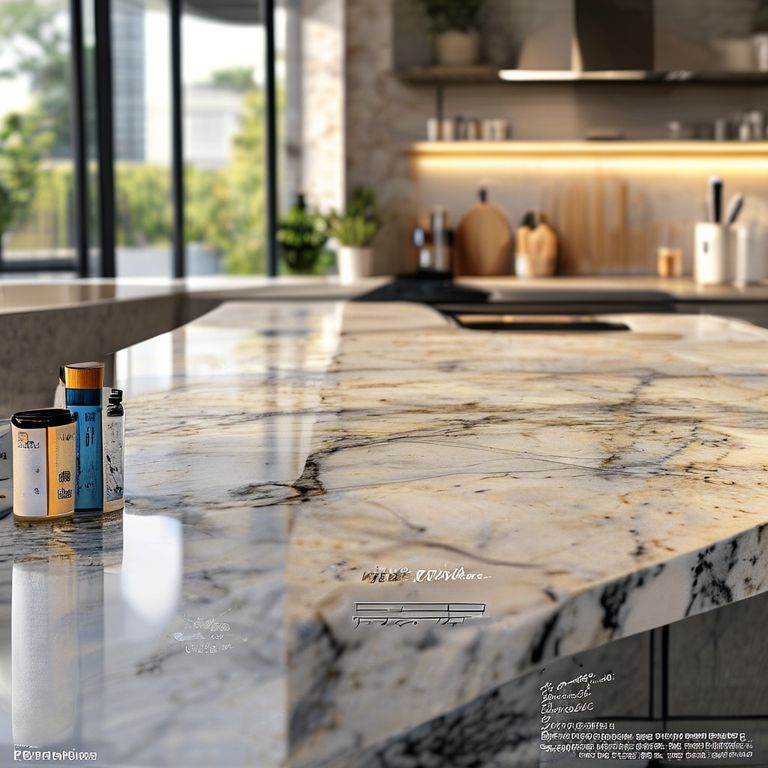
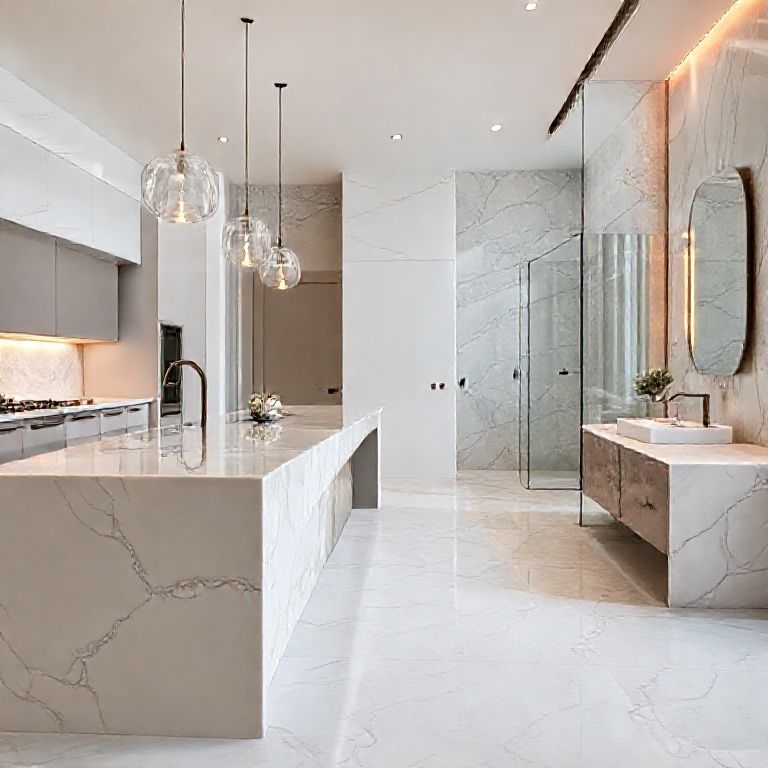
Essential Considerations for Using Synthetic Stone Countertops
Synthetic stone countertops have emerged as a popular choice for both residential and commercial spaces, thanks to their durability, versatility, and aesthetic appeal. However, like any material, they come with specific considerations that require attention to ensure their longevity and performance. Here’s an in-depth look at what you need to know when using synthetic stone countertops.

Understanding Synthetic Stone
Synthetic stone, often referred to as quartz, is a composite material made from natural stone minerals fused together with a binder. It is known for its superior strength and resistance to scratches, stains, and heat. Unlike traditional granite or marble, synthetic stone does not absorb water, making it an excellent choice for areas where moisture is a concern.
Installation Considerations
When installing synthetic stone countertops, several factors must be taken into account to ensure a flawless finish and long-lasting performance.
1. Surface Preparation
The foundation of a successful installation is proper surface preparation. The countertop must be set on a flat, stable, and clean surface. Any imperfections or moisture in the underlying surface can lead to issues such as bubbles, gaps, or even detachment over time.

2. Adhesive Selection
Choosing the right adhesive is crucial. Synthetic stone requires a strong, flexible adhesive that can handle movement without causing the countertop to crack or detach. Epoxy or polyurethane adhesives are typically recommended for their excellent bonding capabilities.
3. Cutting and Fitting
Accurate cutting and fitting are essential for a seamless appearance. Synthetic stone can be cut with a standard tile saw or a wet saw, but it’s important to use fine-grit sandpaper or a polishing compound to smooth out any rough edges. This step ensures a clean finish and prevents any potential points of stress that could lead to cracking.
Maintenance and Cleaning
Regular maintenance is key to keeping synthetic stone countertops looking their best. Here’s what you need to know to ensure they remain pristine over time.
1. Daily Cleaning
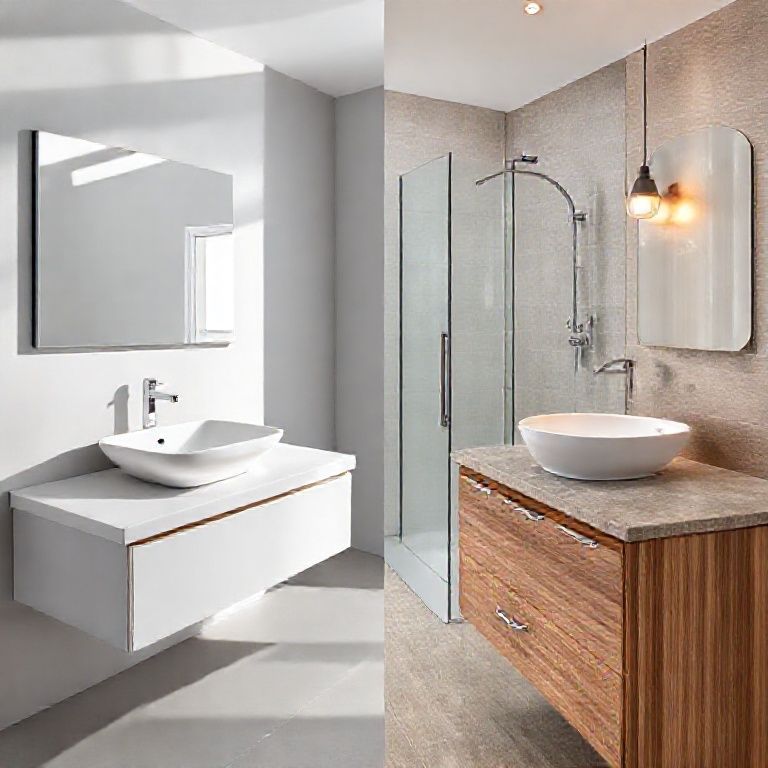
Daily cleaning should involve a simple wipe-down with a damp cloth and a mild, non-abrasive cleaner. Synthetic stone is resistant to most household cleaners, but it’s always best to test a small, inconspicuous area first to ensure compatibility.
2. Handling Spills
Immediate action is crucial when spills occur. Water, even small amounts, can seep into the joints or grout if left untreated. Blot up liquid spills immediately with a clean cloth and avoid using abrasive cleaners that could scratch the surface.
3. Dealing with Stains
Although synthetic stone is stain-resistant, some stains may still occur. For minor stains, a gentle cleaner or a mixture of baking soda and water can often do the trick. For tougher stains, a mild acid-based cleaner can be used, but always test in an inconspicuous area first.
Durability and Resistance
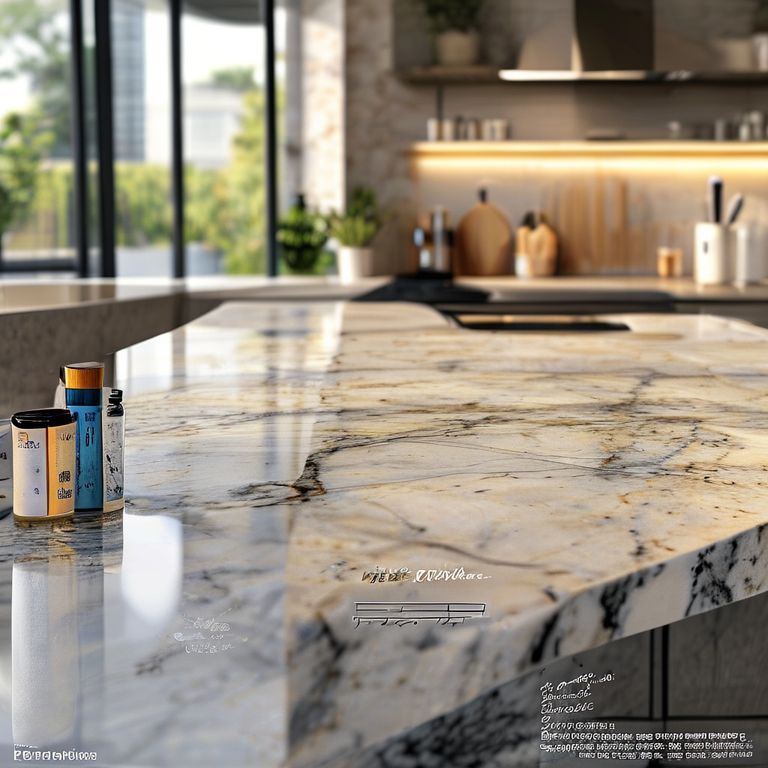
Synthetic stone countertops offer numerous benefits in terms of durability and resistance, making them a practical choice for high-traffic areas.
1. Heat Resistance
One of the standout features of synthetic stone is its ability to withstand high temperatures. Unlike marble or granite, it doesn’t react to heat, which means you can safely leave hot pots and pans on the surface without fear of damaging it.
2. Scratch and Stain Resistance
The material’s composition provides excellent resistance to scratches and stains. This makes it ideal for kitchens and bathrooms where spills and scratches are common. However, it’s still important to use cutting boards and pot holders to prevent any accidental damage.
3. Water Resistance
As previously mentioned, synthetic stone is water-resistant. However, prolonged exposure to water can still lead to surface issues. It’s important to clean up any spills immediately and avoid using water-based cleaners that could potentially seep into the material.
Design Flexibility
One of the major advantages of synthetic stone countertops is the flexibility they offer in design.
1. Custom Shapes and Sizes
Synthetic stone can be cut into custom shapes and sizes, allowing for unique and personalized designs. Whether you need a specific shape for a corner countertop or a particular size for a bar island, synthetic stone can be tailored to fit your needs.
2. Color and Finish Options
Synthetic stone is available in a wide range of colors and finishes, from sleek marble-like patterns to natural stone textures. This versatility allows for endless design possibilities, enabling you to match or exceed the aesthetic of traditional stone countertops.
3. Integration with Other Materials
Synthetic stone can be seamlessly integrated with other materials, such as metal, wood, and glass. This makes it a versatile option for creating cohesive and modern designs that blend different elements harmoniously.
Installation Tips for Long-Term Durability
To ensure that your synthetic stone countertop remains in excellent condition for years to come, consider these additional tips:
1. Avoid Sharp Objects
While synthetic stone is durable, it’s best to avoid using sharp objects that could scratch the surface. Always use cutting boards and pot holders to protect the countertop.
2. Regular Maintenance
Regular maintenance, including periodic cleaning and minor touch-ups, can help prolong the life of your synthetic stone countertop. Keeping the surface free of dirt and grime will not only enhance its appearance but also prevent minor issues from becoming major problems.
3. Proper Ventilation
Proper ventilation in areas where synthetic stone countertops are installed is crucial, especially in kitchens. Good airflow helps to prevent moisture buildup, which can lead to issues over time. Ensure that your kitchen exhaust system is functioning properly.
Conclusion
Synthetic stone countertops offer a compelling combination of durability, design flexibility, and resistance to everyday wear and tear. By understanding the proper installation techniques, maintenance protocols, and design possibilities, you can ensure that your synthetic stone countertop will serve you well for years to come. With the right care and attention, synthetic stone can elevate the beauty and functionality of any space.
Essential Considerations for Using Synthetic Stone Countertops
Building on the foundational knowledge from Part 1, this second part delves deeper into the nuances of synthetic stone countertops, offering additional insights to help you make the most of this versatile material.
Enhancing Aesthetic Appeal
Synthetic stone countertops are not just about durability; they also offer significant aesthetic advantages that can transform the look of your kitchen or bathroom.
1. Unique Textures and Patterns
One of the key strengths of synthetic stone is its ability to mimic the look of natural stone while offering unique textures and patterns that are difficult to achieve with traditional stone. From veined marble to rustic wood grain, synthetic stone can bring a sense of natural beauty to any space.
2. Customizable Designs
With synthetic stone, you’re not limited by the natural variations found in traditional stone. You can create custom designs that are perfectly tailored to your vision. Whether you want a seamless, monolithic look or intricate patterns, synthetic stone provides the flexibility to bring your design ideas to life.
3. Color Options
The color palette for synthetic stone is vast, allowing you to choose from a wide range of hues and finishes. This means you can select a countertop that complements your existing decor or stands out as a bold statement piece. Custom color formulations are also available to match specific design requirements.
Installation Best Practices
To achieve the best possible results when installing synthetic stone countertops, follow these best practices.
1. Use a Leveling Compound
For installations on uneven surfaces, a leveling compound can help create a smooth, level base. This ensures that the synthetic stone countertop sits evenly and prevents any future issues with stability.
2. Proper Edge Sealing
Edge sealing is crucial for preventing water and moisture from seeping into the joints of the countertop. Use a high-quality sealant specifically designed for synthetic stone to create a watertight barrier.
3. Allow Adequate Curing Time
After applying adhesive and placing the countertop, allow adequate curing time as per the manufacturer’s instructions. This ensures that the adhesive sets properly and provides maximum bond strength.
Maintenance and Longevity
Maintaining your synthetic stone countertop properly will not only keep it looking beautiful but also extend its lifespan.
1. Regular Cleaning
Regular cleaning is essential to keep synthetic stone countertops looking their best. Use a gentle, non-abrasive cleaner and a soft cloth to wipe down the surface. Avoid using acidic or harsh cleaners that could damage the surface.
2. Handle Spills Promptly
Immediate action is crucial when spills occur. Water, even small amounts, can seep into the joints or grout if left untreated. Blot up liquid spills immediately with a clean cloth and avoid using abrasive cleaners that could scratch the surface.
3. Avoid Prolonged Moisture Exposure
While synthetic stone is water-resistant, prolonged exposure to moisture can still lead to surface issues. It’s important to clean up any spills immediately and avoid using water-based cleaners that could potentially seep into the material.
Addressing Common Concerns
There are a few common concerns about synthetic stone countertops that are worth addressing to ensure you have all the information you need.
1. Durability vs. Maintenance
While synthetic stone is highly durable and当然,我们可以继续讨论关于综合性的话题,或者你可以具体指出你感兴趣的方面。例如,我们可以讨论以下几个方面:
科技与创新:包括人工智能、物联网、区块链、新能源等领域的最新发展和趋势。 健康与医学:最新的医学研究、健康生活方式、营养学等。 环境与可持续发展:气候变化、环保技术、可持续发展的政策和实践。 社会与文化:社会变革、文化交流、教育改革等。 经济与金融:全球经济趋势、金融市场动态、投资理财等。