Essential Details to Consider When Using Artificial Stone Countertops
Artificial stone countertops have become a popular choice for both residential and commercial spaces due to their durability, beauty, and low maintenance requirements. However, like any material, there are specific details to consider to ensure these countertops reach their full potential. This first part will focus on installation tips, understanding the material, and initial setup considerations.
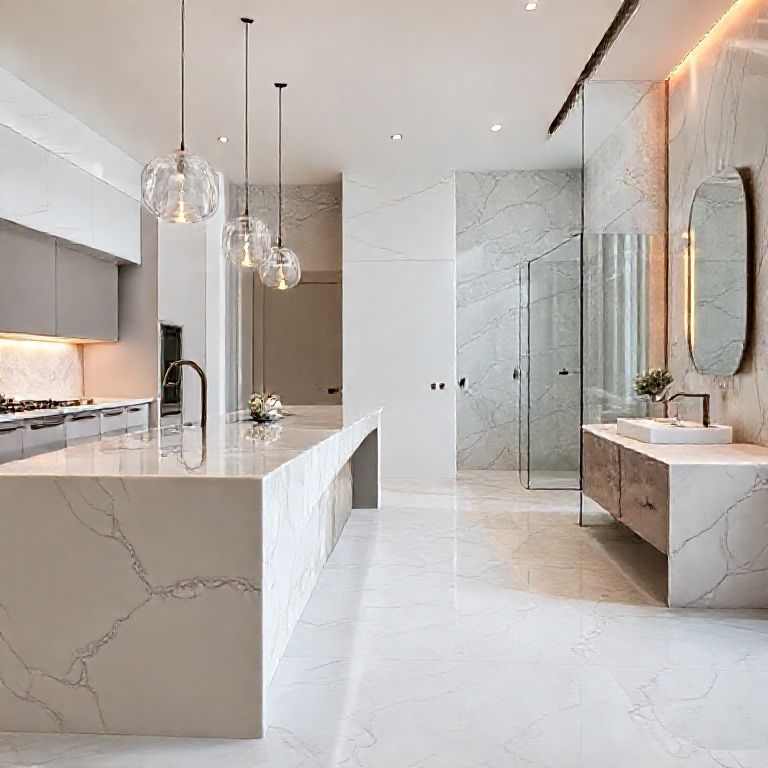
Installation Tips for Artificial Stone Countertops
When it comes to installing artificial stone countertops, precision is key. Here are some essential tips to ensure a flawless installation:
Choose the Right Adhesive: Using the appropriate adhesive is crucial for securing the artificial stone to your substrate. Most artificial stone products come with recommended adhesives that are specifically formulated for their type. Always adhere to the manufacturer’s instructions to ensure a strong bond.
Prepare the Surface: Proper surface preparation is vital for a successful installation. Clean the surface thoroughly to remove any grease, dirt, or old adhesive residue. Use a degreasing cleaner if necessary. Make sure the surface is dry before applying any adhesive.
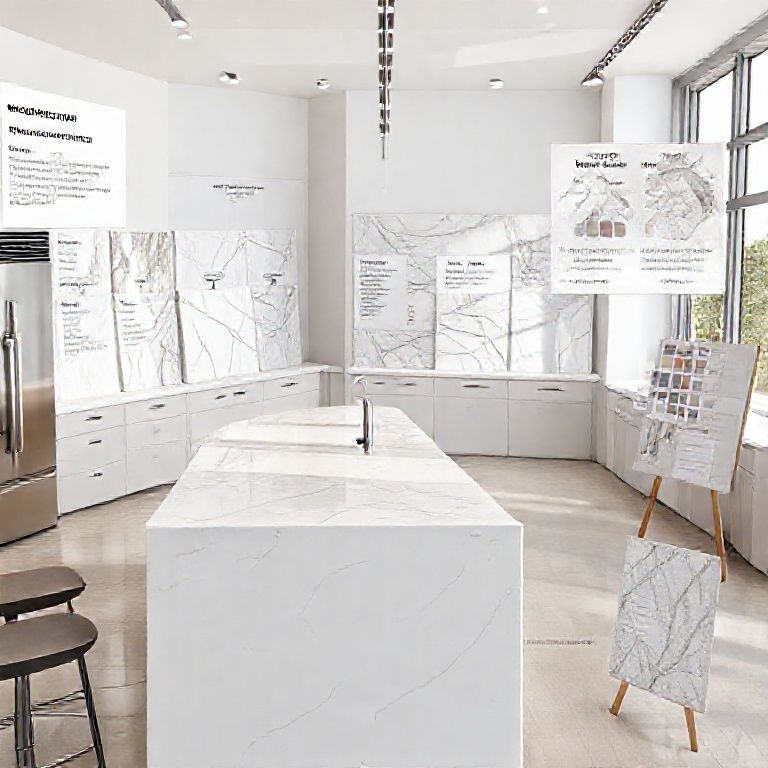
Cut the Countertops Carefully: Accurate measurements and precise cuts are essential for fitting the countertop perfectly. Use a tile cutter or a wet saw for clean, straight cuts. Mark the cutting lines carefully and make sure to cut slowly and steadily to avoid chipping the surface.
Support During Installation: Use supports or brackets to hold the countertop in place while the adhesive sets. This prevents the countertop from shifting or sliding, which can lead to an uneven installation.
Let the Adhesive Cure Properly: Once the countertop is in place, allow the adhesive to cure completely as per the manufacturer’s instructions. Rushing this process can result in a weak bond and potential failure.
Understanding the Material
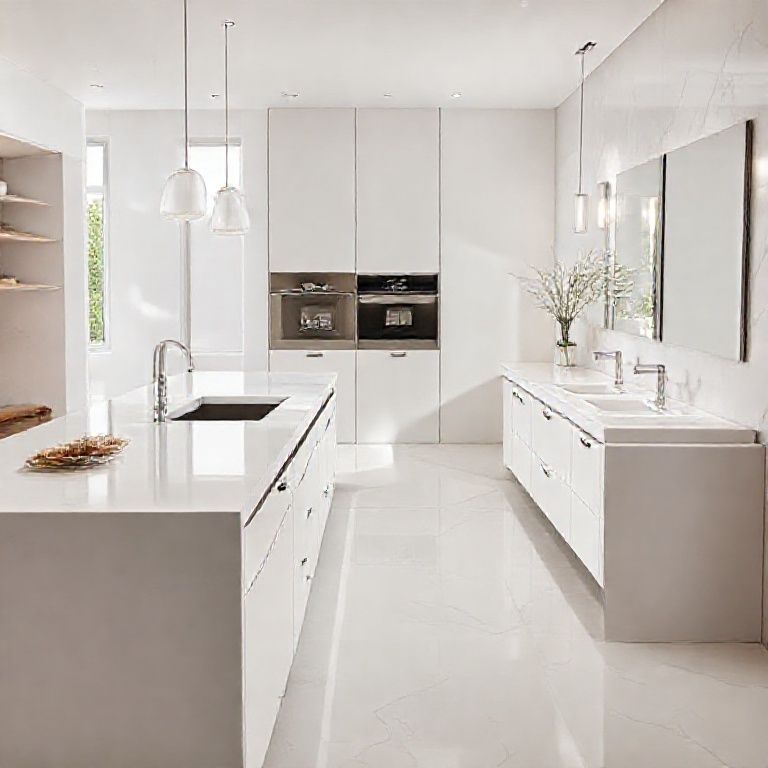
Artificial stone is a composite material made from a blend of natural stone dust, polymer resins, and other additives. It is designed to mimic the look and feel of natural stone but with added benefits like enhanced durability and easier maintenance.
Durability: Artificial stone is highly durable and can withstand heavy use and impact better than many other countertop materials. It doesn’t chip, crack, or splinter, making it ideal for high-traffic areas.
Maintenance: Unlike natural stone, artificial stone is less prone to staining and etching. It requires minimal maintenance and can be cleaned with a simple damp cloth and mild soap. Avoid using abrasive cleaners or scouring pads that can scratch the surface.
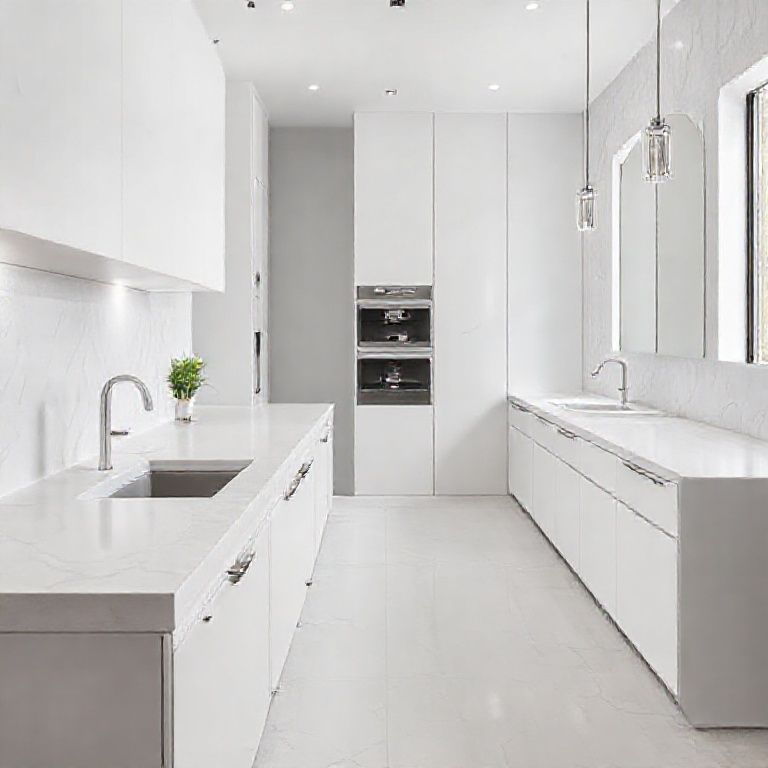
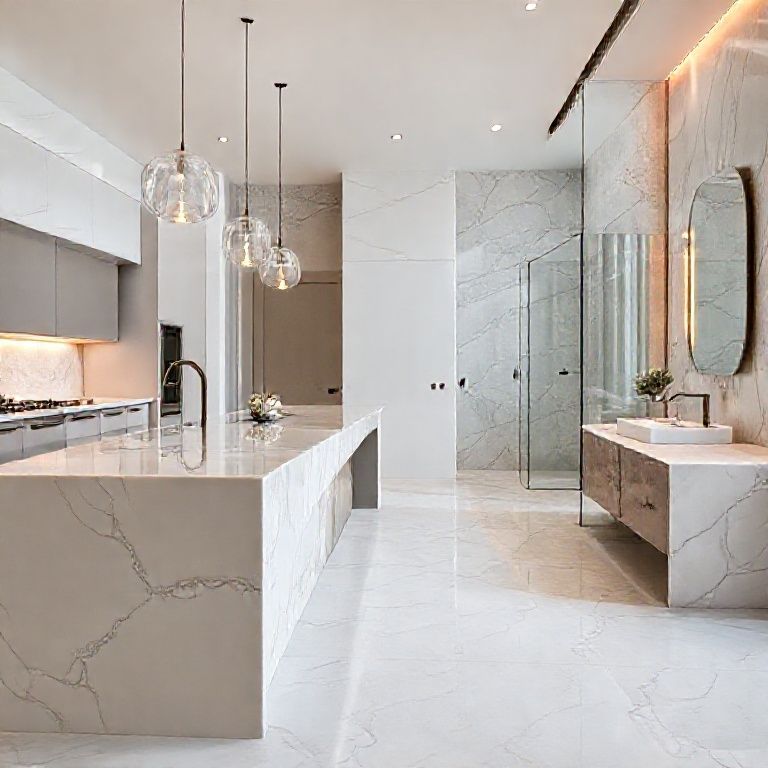
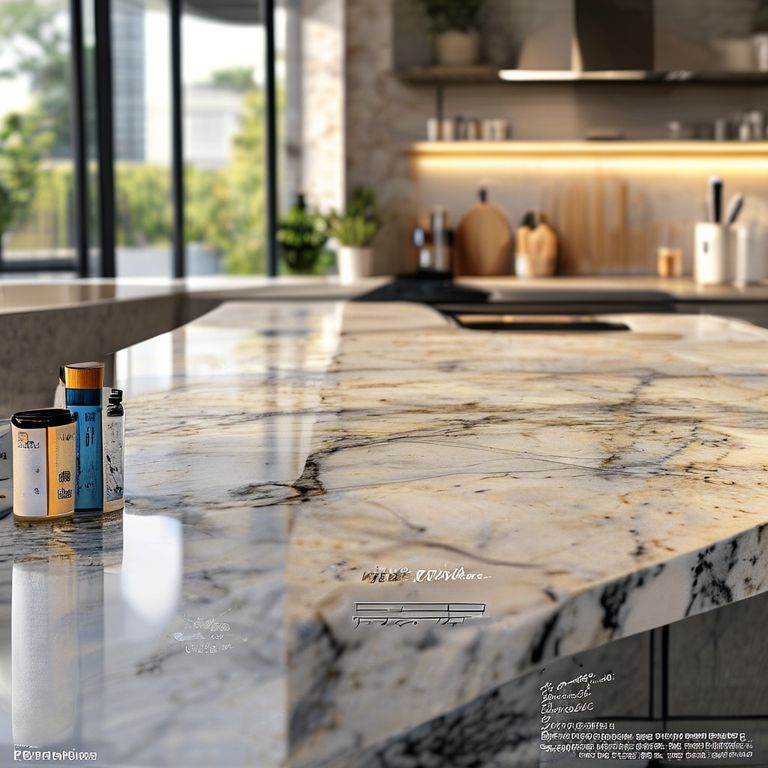
Aesthetics: Artificial stone comes in a wide range of colors and patterns, allowing for versatile design options. Whether you want a marble-like finish or a sleek granite look, there’s an artificial stone option to match your aesthetic preferences.
Initial Setup Considerations
Edge Finishing: Pay attention to the edges of the countertop. Artificial stone can be finished with various edge profiles such as bullnose, rounded edges, or straight edges. Choose the finish that best complements your space and provides the durability you need.
Underlayment: In some installations, an underlayment is used to provide additional support and stability. This is particularly important for countertops that will be subjected to heavy use. Consult with a professional to determine if an underlayment is necessary for your specific application.
Backsplash Installation: For backsplash installations, ensure that the countertop edges are properly sealed to prevent water and moisture from seeping underneath. Use a silicone sealant around the edges to create a watertight seal.
Kitchen Sinks and Appliances: If the artificial stone countertop is adjacent to a sink or appliance, ensure that there are no sharp edges or protrusions that could cause damage to the countertop. Use appropriate corner protectors or edge guards to prevent accidents.
Conclusion
The installation and initial setup of artificial stone countertops require careful attention to detail to ensure optimal results. By following the right installation tips and understanding the material’s unique properties, you can create a beautiful, durable, and low-maintenance countertop that enhances the aesthetic and functionality of your space. In the next part, we will delve into maintenance tips, long-term care, and common issues to watch out for when using artificial stone countertops.
Essential Details to Consider When Using Artificial Stone Countertops
Continuing from our discussion on installation tips and initial setup, this second part will focus on maintenance tips, long-term care, and common issues to watch out for when using artificial stone countertops. Proper care and maintenance are crucial to ensuring the longevity and beauty of these countertops.
Maintenance Tips
Maintaining your artificial stone countertops is relatively straightforward, but regular care is essential to keep them looking their best.
Daily Cleaning: Clean the countertop daily with a damp cloth and mild soap. Avoid using acidic or abrasive cleaners that can scratch the surface. For tougher spills or stains, use a soft brush and a mild detergent solution to gently scrub the area.
Dishwasher Detergent Spills: If a spill from dishwasher detergent occurs, wipe it up immediately with a damp cloth to prevent it from drying and becoming difficult to clean. Neutral pH cleaners are recommended for any cleaning solutions used around the countertop.
Avoiding Heat Damage: Artificial stone can be sensitive to extreme heat. Avoid placing hot pots, pans, or other hot items directly on the surface. If you need to use hot items, place a heat-resistant trivet or potholder between the heat source and the countertop.
Stain Removal: For stubborn stains, a mixture of baking soda and water can be effective. Create a paste with baking soda and a small amount of water, apply it to the stain, let it sit for a few minutes, and then gently scrub with a soft brush. Rinse thoroughly with water and dry with a clean cloth.
Long-Term Care
To ensure that your artificial stone countertops remain in excellent condition for years to come, follow these long-term care tips:
Regular Inspections: Periodically inspect the countertop for any signs of wear, scratches, or damage. Early detection of issues can prevent minor problems from becoming major repairs.
Sealing: While artificial stone doesn’t require frequent sealing like natural stone, it’s still a good idea to seal it every few years to maintain its durability and resistance to stains. Use a high-quality, food-safe countertop sealant specifically designed for artificial stone.
Protective Pads: Place protective pads or trivets under any heavy items that will be placed on the countertop. This will prevent scratches and indentations caused by direct contact with hot objects.
Avoiding Impact Damage: Be cautious with sharp objects or heavy items that could impact the surface. Avoid using the countertop as a cutting board or for heavy activities that could cause damage.
Common Issues and How to Address Them
While artificial stone countertops are generally durable, there are some common issues that can arise over time. Here’s how to address them:
Scratches: Minor scratches can often be buffed out with a fine-grit sandpaper or a specialized stone countertop repair kit. For deeper scratches, consult a professional for repair.
Chipping: If a chip occurs, you can use a stone countertop repair kit to fill in the chip and smooth out the surface. For larger chips, consider having the area professionally repaired.
Discoloration: Discoloration can occur from spills or exposure to certain chemicals. Gently scrub with a baking soda paste and water, and rinse thoroughly. If the discoloration persists, use a countertop cleaner designed to remove stains.
Sealer Failure: If the sealant fails or wears off, reapply a fresh layer of sealant to restore the countertop’s protective barrier and resistance to stains.
Environmental Factors
Understanding how environmental factors can affect artificial stone countertops is important for maintaining their appearance and durability:
Temperature Fluctuations: While artificial stone can withstand high temperatures, extreme temperature fluctuations can cause it to crack. Avoid placing hot items directly on the surface and ensure that the environment remains stable.
Moisture Exposure: Although artificial stone is resistant to water, prolonged exposure to moisture can weaken the adhesive used in the countertop. Ensure that any water spills are promptly wiped up and use silicone sealant around edges to prevent moisture seepage.
Chemical Exposure: Be cautious with chemicals such as bleach or acidic cleaners. These can damage the surface over time. Always use mild, neutral pH cleaners and avoid harsh chemicals whenever possible.
Conclusion
Proper maintenance and long-term care are essential for keeping artificial stone countertops looking beautiful and functional. By following these maintenance tips and addressing common issues promptly, you can extend the life of your countertops and enjoy their aesthetic appeal for years to come. Whether you’re a homeowner or a business owner, understanding these details will help you make the most of your investment in artificial stone countertops.