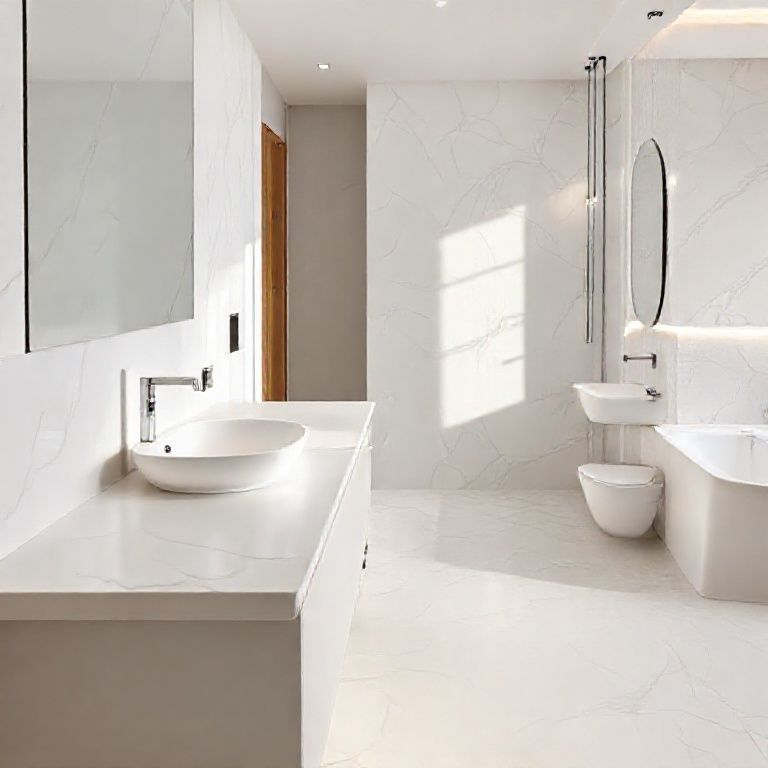
Everything You Need to Know About Artificial Stone Countertops
When it comes to selecting a countertop for your kitchen or bathroom, artificial stone countertops are a modern marvel that offers both beauty and functionality. This guide delves into what you need to know about artificial stone countertops, from their composition to their installation and maintenance.

What Are Artificial Stone Countertops?
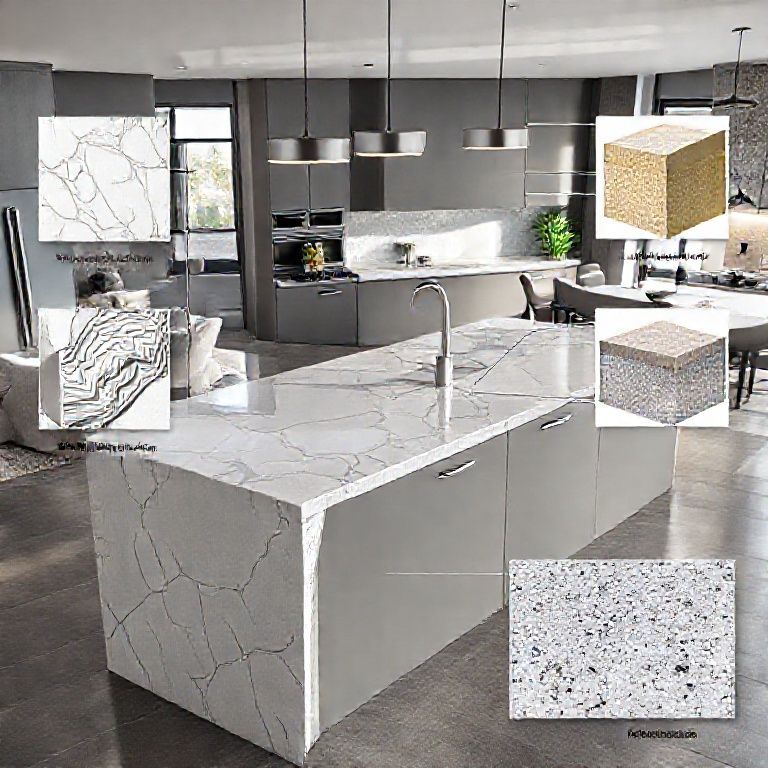
Artificial stone countertops are crafted from a blend of natural stone and resin, creating a material that combines the elegance of natural stone with the practicality of engineered surfaces. These countertops mimic the look and feel of traditional stone but offer advantages such as reduced weight, lower cost, and easier installation.
Benefits of Artificial Stone Countertops
Durability and Strength: Artificial stone is highly durable and resistant to scratches, chips, and stains. Unlike natural stone, it doesn’t react to acidic substances, making it a great choice for kitchens and bathrooms where spills are common.
Design Flexibility: The composition of artificial stone allows for an extensive range of colors and textures, offering designers and homeowners more creative freedom. You can get unique patterns and finishes that are difficult to achieve with natural stone.
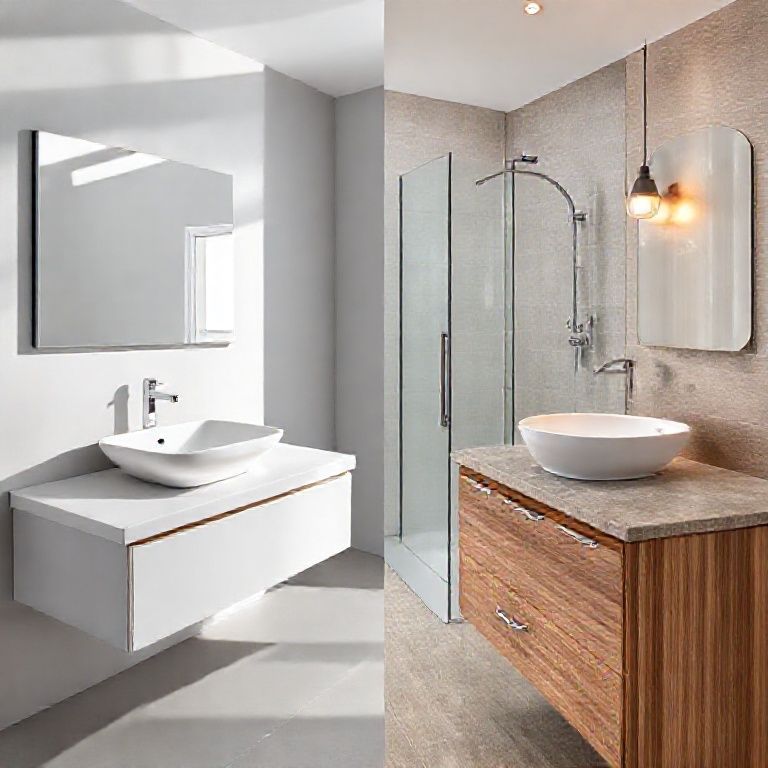
Low Maintenance: While artificial stone countertops are incredibly durable, they still require some maintenance. However, compared to natural stone, they are much easier to clean and maintain.
Cost-Effective: Generally, artificial stone countertops are more affordable than their natural stone counterparts. This makes them a great choice for those looking to achieve a high-end look without breaking the bank.
Choosing the Right Artificial Stone Countertop
When selecting an artificial stone countertop, consider the following factors:
Color and Finish: Choose a color and finish that complements your existing decor. Some artificial stone options come in a wide variety of colors and finishes, so you can find a perfect match for your space.
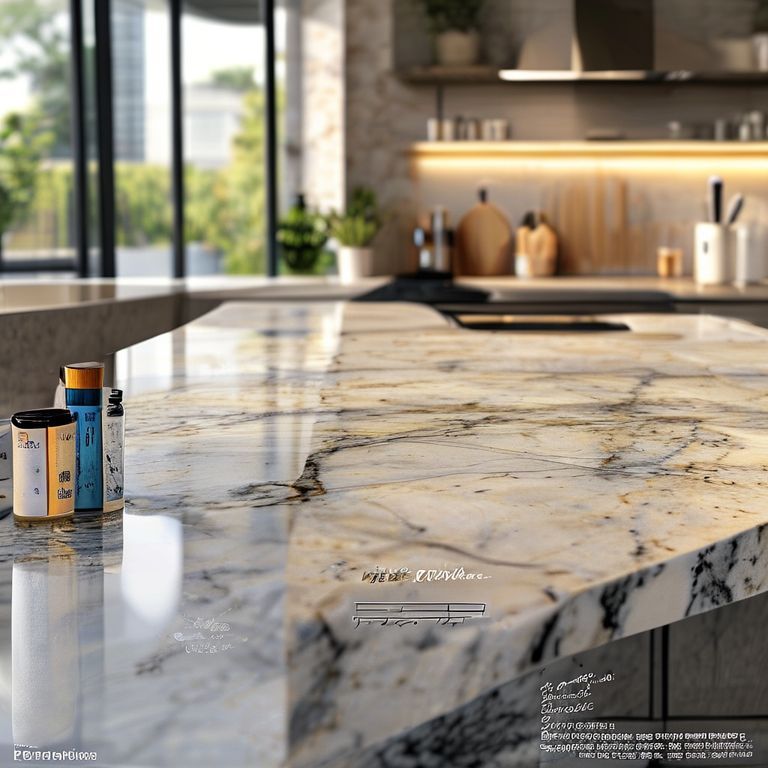
Thickness: Standard thickness for artificial stone countertops is usually around 1 to 2 inches. However, it’s important to check with your manufacturer for specific recommendations based on your needs.
Installation Type: Decide whether you want a floating installation (where the countertop is not anchored to the cabinets) or an anchored installation (where the countertop is secured to the cabinets).
Brand and Quality: Ensure that you purchase from a reputable manufacturer. Check reviews and ask for samples if possible to ensure the quality of the material.
Installation Tips for Artificial Stone Countertops
Preparation: Proper preparation is key to a successful installation. Ensure that the surface where the countertop will be installed is clean, level, and free from any grease or debris.
Cutting: Use a wet saw to cut the countertop to size. It’s important to wear safety goggles and a dust mask to protect yourself from the dust generated during cutting.
Sealing: After installation, it’s important to seal the edges of the countertop to prevent water and other liquids from seeping underneath. Use a high-quality silicone caulk for this purpose.
Curing Time: Allow sufficient curing time for the adhesive and sealant. This typically ranges from 24 to 48 hours, depending on the manufacturer’s recommendations.
Professional Help: If you’re not experienced with countertop installation, consider hiring a professional. They can ensure that the installation is done correctly, which can save you from potential issues down the line.
Maintenance of Artificial Stone Countertops
Daily Cleaning: To keep your artificial stone countertop looking its best, clean it daily with a soft cloth and a mild detergent. Avoid using abrasive cleaners or sponges that could scratch the surface.
Deep Cleaning: Occasionally, you may need to perform a deep clean. Use a specialized stone cleaner or a mixture of vinegar and water. Test the cleaner on a small, inconspicuous area first to ensure it doesn’t damage the surface.
Spill Management: Wipe up spills immediately to prevent stains. If a spill does stain the surface, try using a gentle stone cleaner to remove it.
Avoiding Sharp Objects: To prevent scratches, avoid placing sharp objects directly on the countertop. Use cutting boards or trivets when necessary.
Periodic Sealing: While artificial stone is generally low-maintenance, it’s a good idea to periodically check the caulking around the edges and re-seal if necessary.
Conclusion
Artificial stone countertops are an excellent choice for those seeking a beautiful, durable, and low-maintenance surface. With their versatile design options and ease of installation and maintenance, they are becoming a popular choice for both commercial and residential spaces. Whether you’re looking to upgrade your kitchen or bathroom, artificial stone countertops offer a blend of elegance and practicality that’s hard to beat.
Stay tuned for the second part of our comprehensive guide, where we will dive deeper into specific case studies, common myths about artificial stone, and more expert tips to help you make the most out of your new countertop.
Everything You Need to Know About Artificial Stone Countertops (Continued)
In the second part of our guide, we will explore in-depth case studies, address common myths, and provide expert tips to help you maximize the benefits of your artificial stone countertop. Whether you’re a DIY enthusiast or planning a professional installation, this section will offer valuable insights to ensure your experience with artificial stone countertops is nothing short of exceptional.
Case Studies: Real-Life Applications of Artificial Stone Countertops
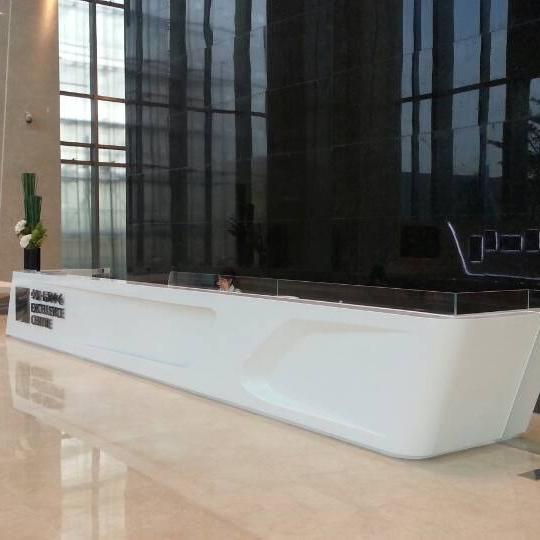
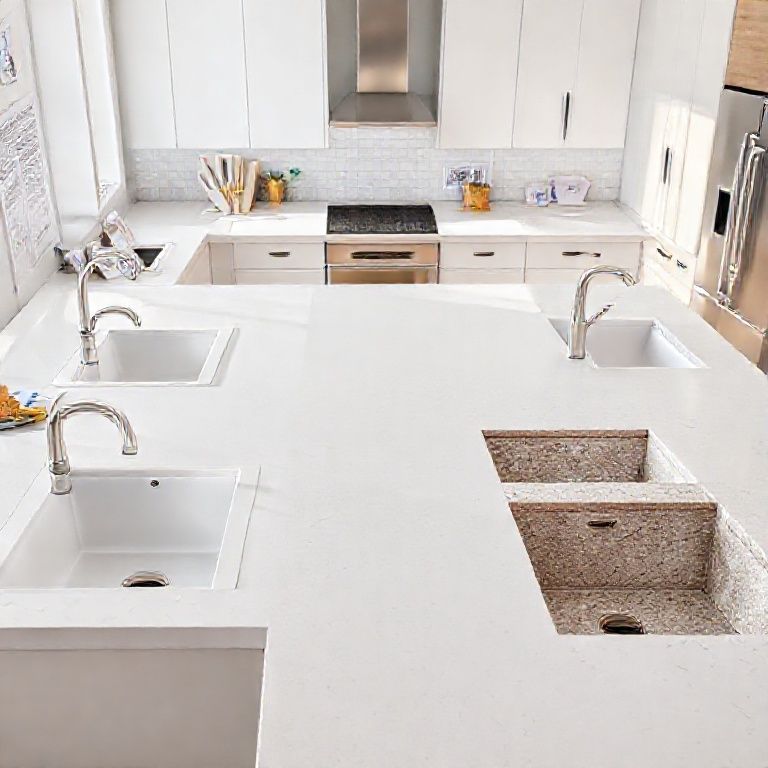
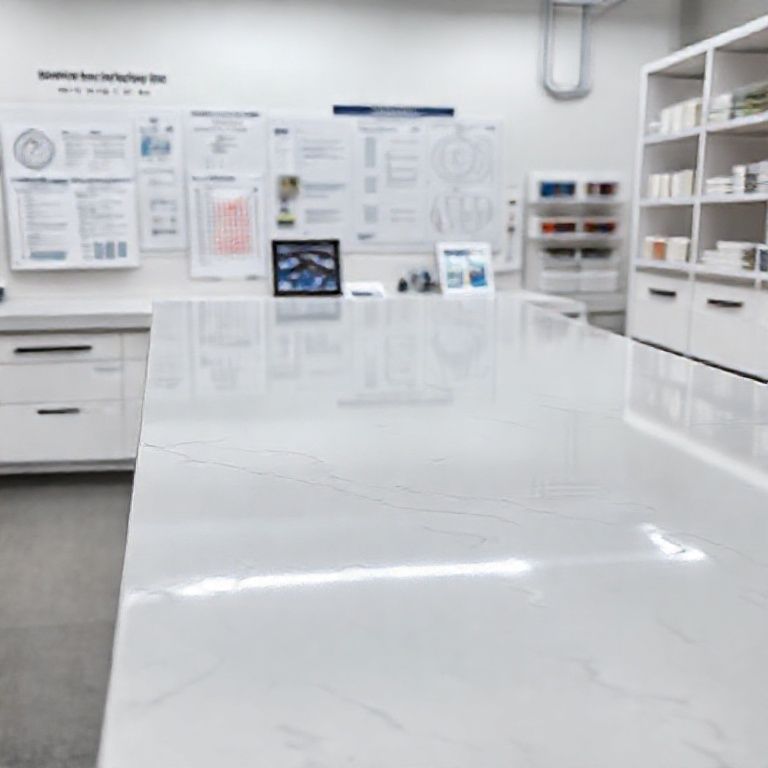
Commercial Kitchens: In commercial kitchens, where durability and ease of cleaning are paramount, artificial stone countertops have proven to be a game-changer. Their resistance to stains and spills makes them ideal for busy environments where cleanliness is crucial. Many restaurants and cafes have opted for artificial stone to maintain a pristine look while minimizing maintenance efforts.
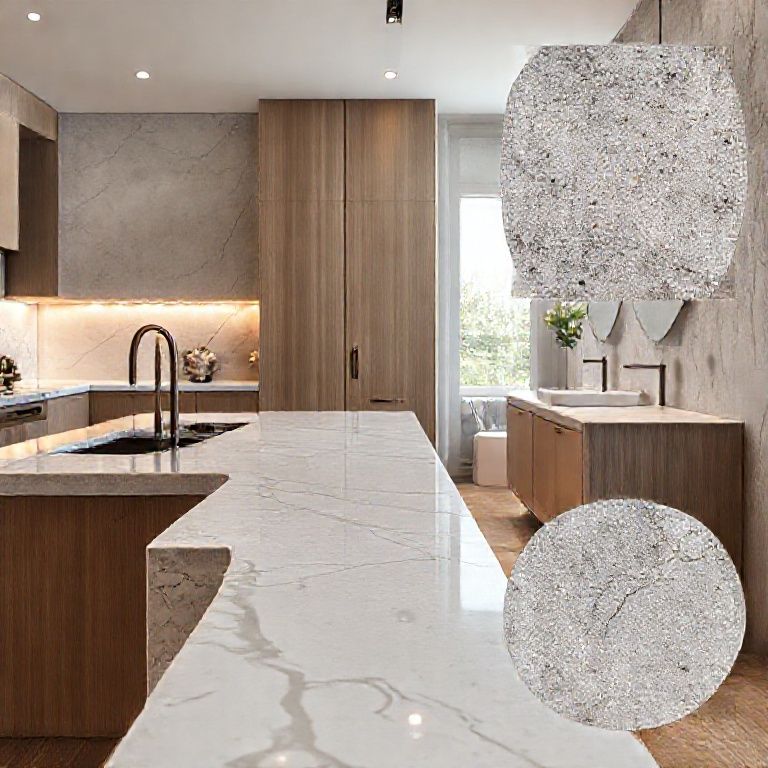
Residential Kitchens: In homes, artificial stone countertops have become increasingly popular due to their aesthetic appeal and versatility. Homeowners appreciate the wide range of colors and finishes available, allowing them to create a custom look that complements their overall kitchen design. The durability and low maintenance requirements make them a practical choice for families with children or pets.
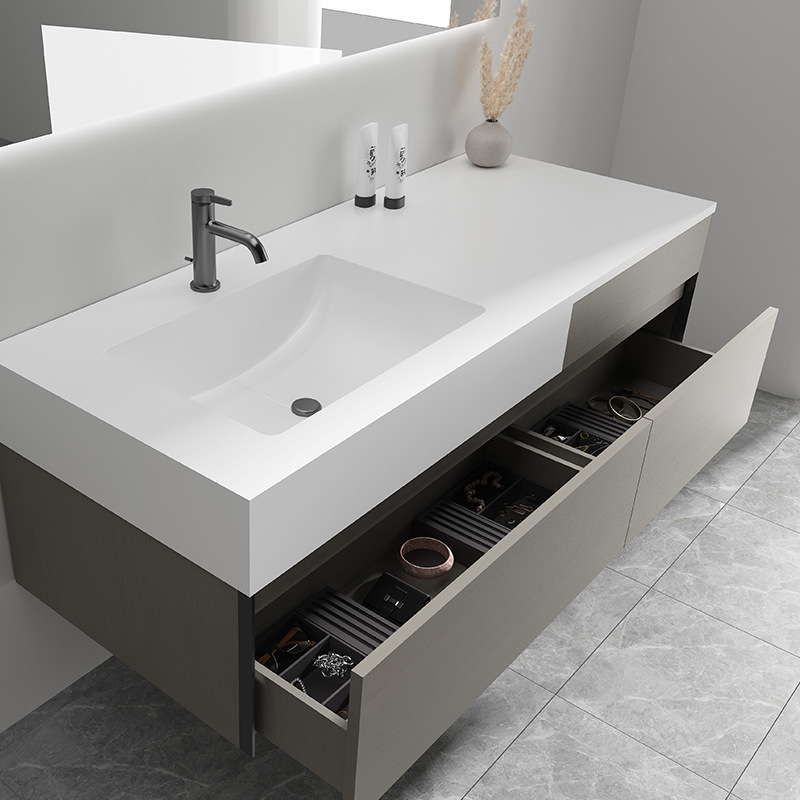
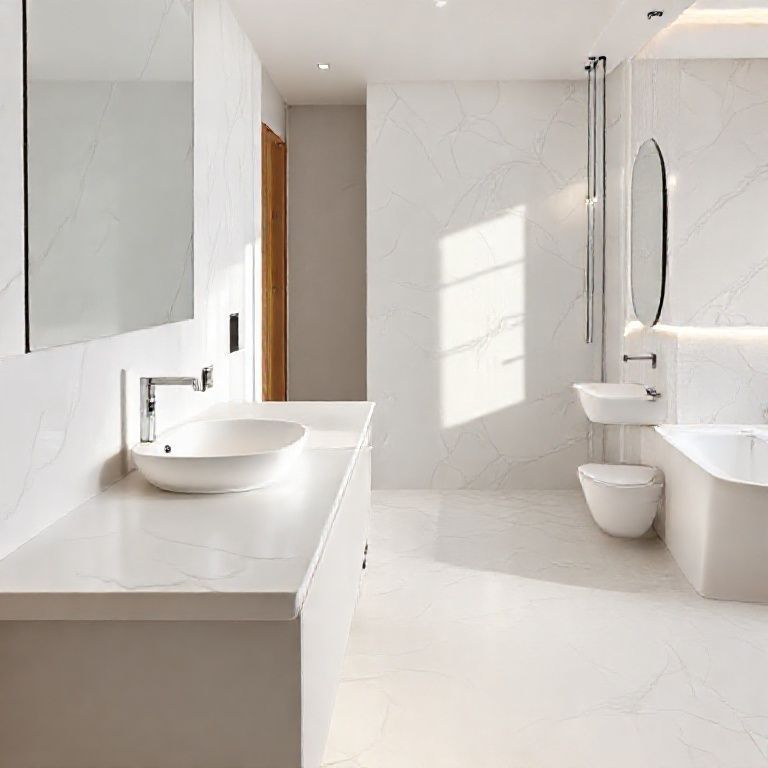
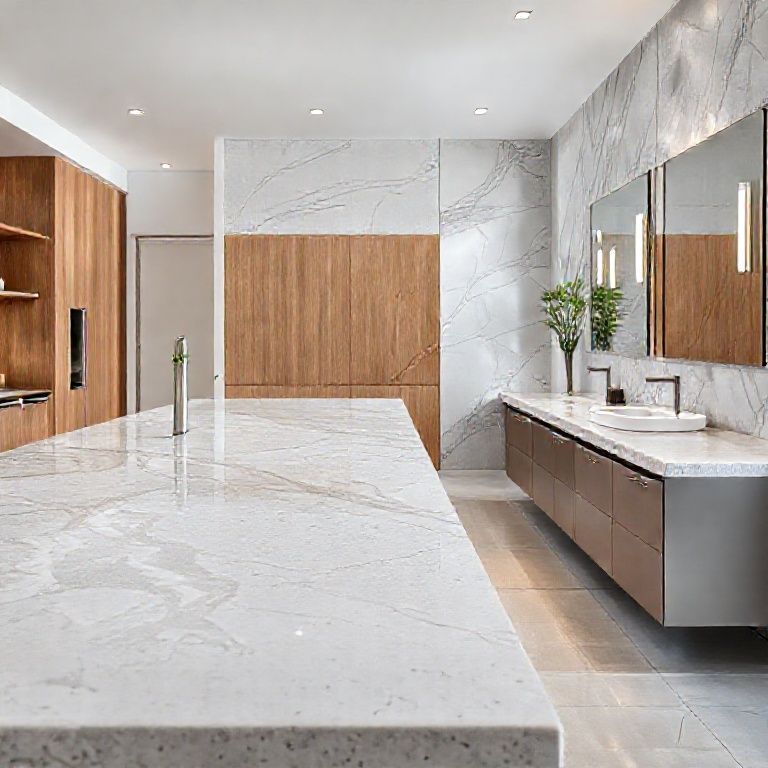
Bathrooms: Artificial stone is also making waves in bathroom designs. Its resistance to water and mold makes it an excellent choice for countertops, sinks, and even shower walls. The variety of colors and finishes available allows homeowners to create cohesive and stylish bathroom designs.
Addressing Common Myths About Artificial Stone Countertops
Myth 1: Artificial Stone Isn’t as Durable as Natural Stone
Reality: While artificial stone is made from resin and stone powder, it is engineered to mimic the durability of natural stone. In fact, many artificial stone countertops are more resistant to scratches, chips, and stains than some types of natural stone. This makes them a practical choice for high-traffic areas where durability is essential.
Myth 2: Artificial Stone Looks Fake
Reality: Advances in manufacturing have led to artificial stone that looks incredibly realistic. With a wide array of colors, textures, and finishes, it’s possible to create designs that are indistinguishable from natural stone. Many people are surprised by the high-quality appearance of artificial stone once it’s installed.
Myth 3: Artificial Stone Is Expensive
Reality: While the cost of artificial stone can vary, it is generally more affordable than high-end natural stone countertops. The cost-effectiveness of artificial stone makes it an attractive option for those looking to achieve a luxurious look without the high price tag.
Myth 4: Artificial Stone Is Difficult to Install
Reality: One of the biggest advantages of artificial stone is its ease of installation. Unlike natural stone, which often requires specialized cutting and fitting, artificial stone can be cut with a standard wet saw and installed with basic tools. Many homeowners and DIY enthusiasts find the installation process straightforward and manageable.
Expert Tips for Maximizing Your Artificial Stone Countertop
Tip 1: Proper Adhesive Use
Using the right adhesive is crucial for the longevity of your artificial stone countertop. Opt for a high-quality, flexible adhesive recommended by the manufacturer. This ensures that the countertop stays securely in place and reduces the risk of it shifting over time.
Tip 2: Regular Cleaning Routine
Maintaining a regular cleaning routine helps keep your artificial stone countertop looking new. Clean it daily with a mild detergent and water, and use a soft cloth to avoid scratching the surface. For tougher spots, a specialized stone cleaner can be effective.
Tip 3: Immediate Spill Management
Wipe up spills immediately to prevent stains and water damage. If a spill does stain the countertop, act quickly to clean it with a gentle stone cleaner or a vinegar solution. Prompt action can prevent permanent marks and keep your countertop looking pristine.
Tip 4: Use Cutting Boards
To avoid scratches, always use cutting boards or trivets when cutting food on your artificial stone countertop. This simple step can extend the life of your countertop by protecting it from sharp objects.
Tip 5: Periodic Sealing
While artificial stone is generally low maintenance, it’s a good idea to periodically check the caulking around the edges of the countertop. Re-seal if necessary to prevent water from seeping underneath and causing damage.
Tip 6: Avoid Harsh Chemicals
Avoid using harsh chemicals or abrasive cleaners on your artificial stone countertop. These can damage the surface and reduce its longevity. Stick to mild detergents and gentle cleaningExpert Tips for Maximizing Your Artificial Stone Countertop (Continued)
Tip 7: Temperature Control
Artificial stone countertops are generally heat-resistant, but it’s still important to manage heat sources. Avoid placing hot pots or pans directly on the surface. Use trivets or heat-resistant pads to protect the countertop from high temperatures.
Tip 8: Regular Inspection
Perform regular inspections to check for any signs of wear, damage, or mold. Early detection of issues can prevent larger problems down the line. Look for cracks, stains, or any other irregularities and address them promptly.
Tip 9: Proper Tools for Installation
When installing artificial stone countertops, use the appropriate tools and techniques. A wet saw is essential for cutting, and a level can help ensure that the countertop is installed straight. Following manufacturer guidelines will help ensure a successful installation.
Tip 10: Professional Help When Needed
If you’re not confident in your ability to install the countertop yourself, consider hiring a professional. A professional installer can ensure that the countertop is installed correctly, which can save you from potential issues in the future.
Future Trends in Artificial Stone Countertops
Innovation in Materials
The field of artificial stone is constantly evolving, with new materials and technologies being developed. Innovations such as enhanced durability, better resistance to chemicals, and improved aesthetic options are likely to emerge. These advancements will make artificial stone even more versatile and appealing to a wider range of consumers.
Sustainability
Sustainability is becoming a significant factor in the choice of materials for countertops. Manufacturers are increasingly focusing on creating eco-friendly artificial stone options. This includes using sustainable resins, reducing waste in the production process, and ensuring that the materials are recyclable or have a minimal environmental impact.
Customization
The future of artificial stone countertops will likely see even greater customization options. With advancements in technology, it will become easier to create unique designs and patterns tailored to individual preferences. This will allow homeowners and businesses to have countertops that are not only functional but also perfectly aligned with their personal style.
Smart Integration
The integration of smart technology into artificial stone countertops is another exciting trend on the horizon. This could include features such as built-in sensors for monitoring cleanliness, temperature control, and even interactive surfaces that respond to touch. These innovations will make countertops not just a functional surface but also a smart, interactive element of modern living spaces.
Conclusion
Artificial stone countertops offer a remarkable blend of beauty, durability, and practicality that makes them an excellent choice for both commercial and residential spaces. With proper installation and maintenance, these countertops can last for many years, providing a stunning and low-maintenance surface that enhances the aesthetic appeal of any space.
By understanding the benefits, addressing common myths, and following expert tips, you can ensure that your artificial stone countertop not only looks great but also performs well. As technology continues to advance, the possibilities for artificial stone countertops will only continue to grow, offering even more innovative and sustainable options in the future.
Whether you’re considering a new installation or looking to upgrade an existing countertop, artificial stone provides a versatile and durable solution that stands up to the demands of modern living. Stay tuned for more insights and updates on this fascinating and evolving material!