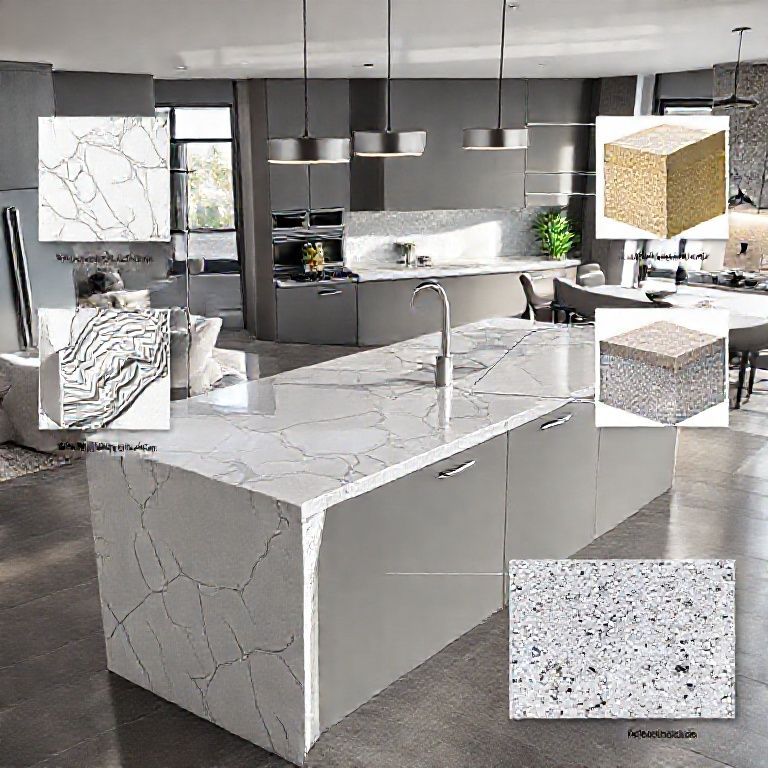
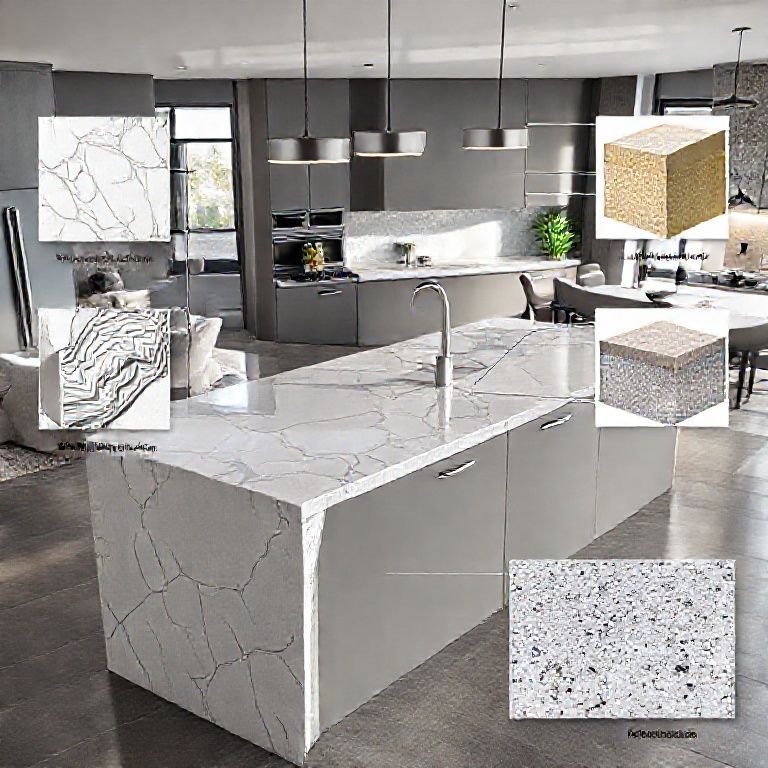
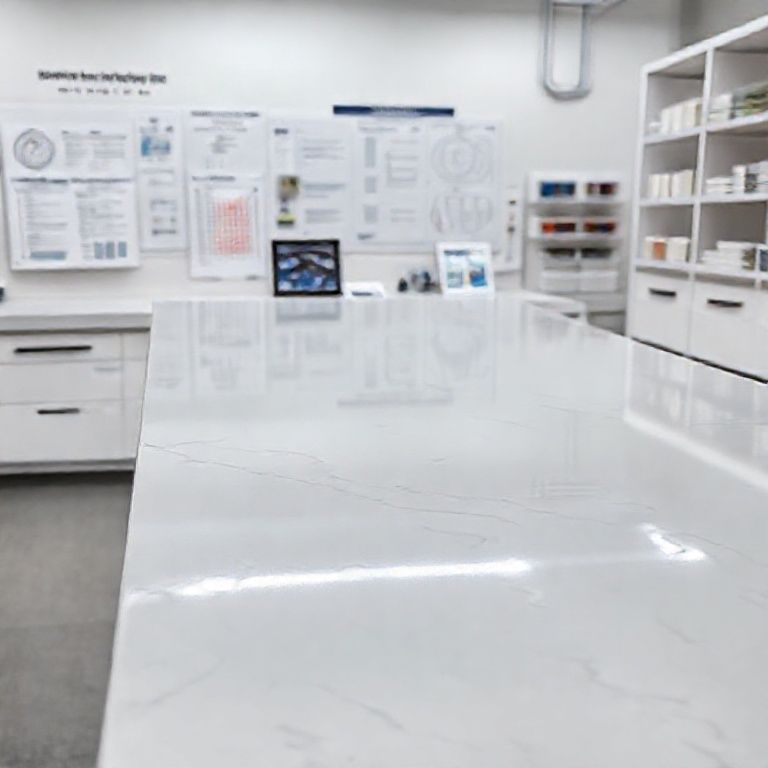
Comprehensive Guide to Repairing Cracks in Artificial Stone Countertops
Artificial stone countertops have become a popular choice in kitchens and bathrooms due to their durability, ease of maintenance, and aesthetic appeal. However, like all materials, they can develop cracks over time. Cracks in artificial stone countertops may seem daunting, but with the right techniques and materials, they can be effectively repaired. In this first part of our detailed guide, we will explore the common causes of cracks, basic repair techniques, and the importance of professional intervention.
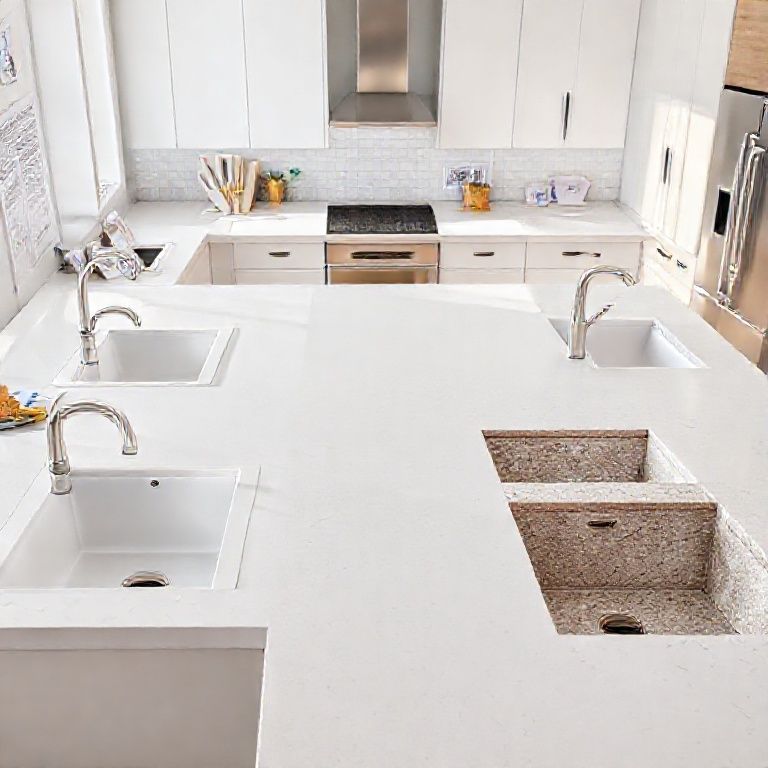
Understanding the Causes of Cracks in Artificial Stone Countertops
Cracks in artificial stone countertops can occur due to several reasons:
Impact Damage: Objects dropping on the countertop can cause immediate cracks. Even a small impact can lead to a crack that spreads over time. Thermal Stress: Sudden changes in temperature can cause the material to expand and contract, leading to cracks. Structural Issues: Poor installation or underlying structural issues can lead to cracks over time. Chemical Exposure: Exposure to harsh chemicals, such as cleaning agents, can weaken the stone and cause it to crack.
Understanding these causes can help you take preventive measures and choose the right repair method.
Basic Repair Techniques for Minor Cracks
For minor cracks, there are several DIY repair techniques you can try:
Epoxy Resin: A two-part epoxy resin can be used to fill in cracks. Mix the resin according to the manufacturer’s instructions, apply it to the crack using a syringe or brush, and let it cure. This method works well for small, superficial cracks.
Polyurethane Sealant: A polyurethane sealant can provide a durable, waterproof repair. Apply the sealant to the crack with a caulking gun, smooth it out, and let it cure. This is effective for both small and medium-sized cracks.

Bondo or Putty: For more significant cracks, a putty like Bondo can be used. Apply the putty to the crack, smooth it out, and let it dry. Once dry, sand the area smooth and repaint if necessary.
The Importance of Professional Repair Services
While DIY methods can fix minor cracks, professional repair services are essential for several reasons:
Expertise: Professional technicians have the expertise to assess the extent of the damage and determine the most appropriate repair method.

Durability: Professional repairs often use high-quality materials and techniques that ensure a durable fix.
Aesthetics: Professionals can match the color and texture of the countertop precisely, ensuring the repaired area blends seamlessly with the rest of the surface.
Warranty: Many professional repair services offer a warranty on their work, providing you with peace of mind.

Preventive Measures to Avoid Future Cracks
To prolong the life of your artificial stone countertops, consider these preventive measures:
Use Cutting Boards: Always use a cutting board when chopping food to prevent sharp objects from damaging the surface.
Avoid Harsh Chemicals: Use mild, non-abrasive cleaning products to clean your countertops.
Heat Management: Avoid placing hot pots or pans directly on the surface. Use trivets or pot holders to protect the material.
Regular Maintenance: Regularly clean and maintain your countertops to prevent buildup that could lead to cracks.
In the next part of our guide, we will delve deeper into advanced repair techniques, discuss the materials used in professional repairs, and provide tips on choosing the right repair service. For immediate expert advice and repair services, call us today!
Advanced Techniques and Materials for Repairing Cracks in Artificial Stone Countertops
Building on the foundational knowledge from the first part of our guide, this section will explore advanced repair techniques and the materials used by professionals to ensure the best possible results. Understanding these methods will help you make informed decisions about your countertop repairs.
Advanced Repair Techniques
Ultrasonic Cleaning: Before repairing a crack, it is essential to clean the area thoroughly. Ultrasonic cleaning removes any debris or contaminants that could affect the repair’s adhesion.
Crack Injection: For larger cracks, crack injection is a highly effective method. A specialized epoxy or polyurethane resin is injected into the crack under pressure, filling it completely and providing a strong bond.
Chip Carving: This technique involves carefully carving out the damaged area and replacing it with a matching piece of artificial stone. This method is particularly useful for repairing large chunks or extensive damage.
Surface Grinding: For extensive damage or uneven surfaces, surface grinding can smooth out the area before applying a new layer of material. This ensures a flat, even surface for a flawless finish.
Specialized Repair Materials
Polyurethane Resins: Polyurethane resins are commonly used in professional repairs due to their durability and ability to withstand daily wear and tear. They offer a strong bond and excellent color matching capabilities.
Epoxy Resins: Epoxy resins are another popular choice, known for their high strength and resistance to chemicals and impact. They are ideal for filling deep cracks and providing a long-lasting repair.
Stone Putty: Stone putty is a versatile material used to fill larger cracks and uneven surfaces. It is easily sanded and polished to achieve a seamless finish.
Color Matching Compounds: To ensure the repaired area matches the original countertop, color matching compounds are used. These compounds can be mixed to match the exact shade of the existing stone.
Choosing the Right Repair Service
Selecting a professional repair service is crucial to ensuring the longevity and appearance of your artificial stone countertop. Here are some tips to help you choose the right service:
Credentials and Experience: Look for technicians with proper credentials and significant experience in repairing artificial stone countertops.
Portfolio: Review the service provider’s portfolio to see examples of their previous work. This will give you an idea of their skills and the quality of their repairs.
Warranties: Check if the repair service offers a warranty on their work. This ensures that the repair is guaranteed to last and provides peace of mind.
Customer Reviews: Read customer reviews and testimonials to gauge the satisfaction of previous clients.
Consultation: Schedule a consultation to discuss your specific needs and get an estimate. A professional consultation will give you a better understanding of the repair process and the materials used.
Tips for Maintaining Your Artificial Stone Countertops
To ensure your artificial stone countertops remain in excellent condition, follow these maintenance tips:
Use Gentle Cleaners: Opt for mild, non-abrasive cleaners to avoid damaging the surface.
Dry Spills Immediately: Wipe up spills and moisture immediately to prevent staining and weakening of the material.
Avoid Abrasive Tools: Do not use steel wool or abrasive sponges, which can scratch the surface.
Regular Cleaning: Clean your countertops regularly to remove buildup and prevent stains.
Conclusion
Repairing cracks in artificial stone countertops requires a combination of the right techniques, materials, and expertise. While minor cracks can often be fixed with basic DIY methods, larger or more complex repairs are best left to professionals. By understanding the causes of cracks, the advanced repair techniques available, and the importance of choosing a qualified repair service, you can ensure that your artificial stone countertops remain durable and beautiful for years to come.
For expert advice and professional repair services, don’t hesitate to call us today. Our team of skilled technicians is ready to restore your countertops to their original glory with precision and care.