Expert Tips for Successfully Repairing Cracked Countertops: Mastering the Art of Countertop Restoration

When it comes to the heart of your kitchen or the focal point of your bathroom, a well-crafted countertop is essential. However, even the most durable materials like quartz or granite are not immune to the wear and tear of everyday life. Cracks in countertops can be both unsightly and a sign of potential underlying issues. Fear not, though! With the right approach and expert tips, you can effectively repair cracked countertops and restore them to their former glory. Let’s delve into the first part of our comprehensive guide on repairing cracked countertops.
Understanding the Types of Cracks
Before diving into the repair process, it’s crucial to understand the different types of cracks that can occur in your countertop. Cracks can be categorized as follows:
Surface Cracks: These are superficial cracks that only affect the surface layer. They are often caused by sharp objects or heavy items dropped on the countertop.

Deep Cracks: These cracks penetrate deeper into the material and may indicate more significant structural damage.
Chips and Splinters: Small cracks or fragments that break off from the surface can be caused by accidental impacts or rough handling.
Identifying the Material
Knowing the material of your countertop is key to determining the appropriate repair method. Granite and quartz are two of the most popular choices due to their durability and resistance to heat and stains.
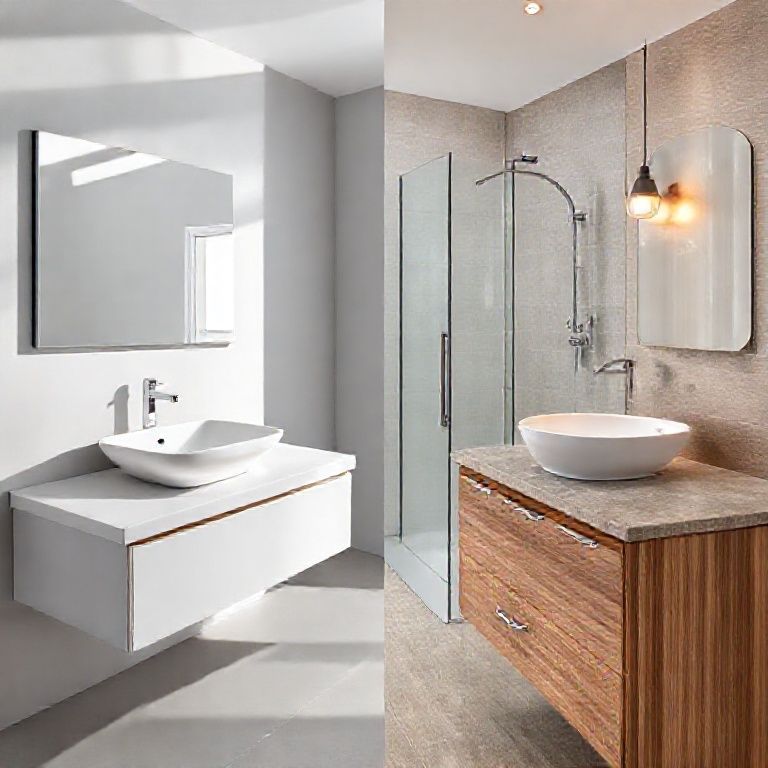
Granite: Known for its natural stone composition, granite requires specific repair techniques to ensure a seamless finish. Quartz: Quartz is a composite material made from 90% natural stone and 10% resin. It’s highly durable but requires careful handling to avoid further damage.
Initial Assessment and Preparation
To begin the repair process, conduct a thorough assessment of the damage:
Inspect the Crack: Determine the depth and length of the crack. Look for any signs of further damage or deterioration.
Clean the Area: Use a mild cleaner to remove any dirt, grime, or residue around the crack. This ensures that the repair material adheres properly.
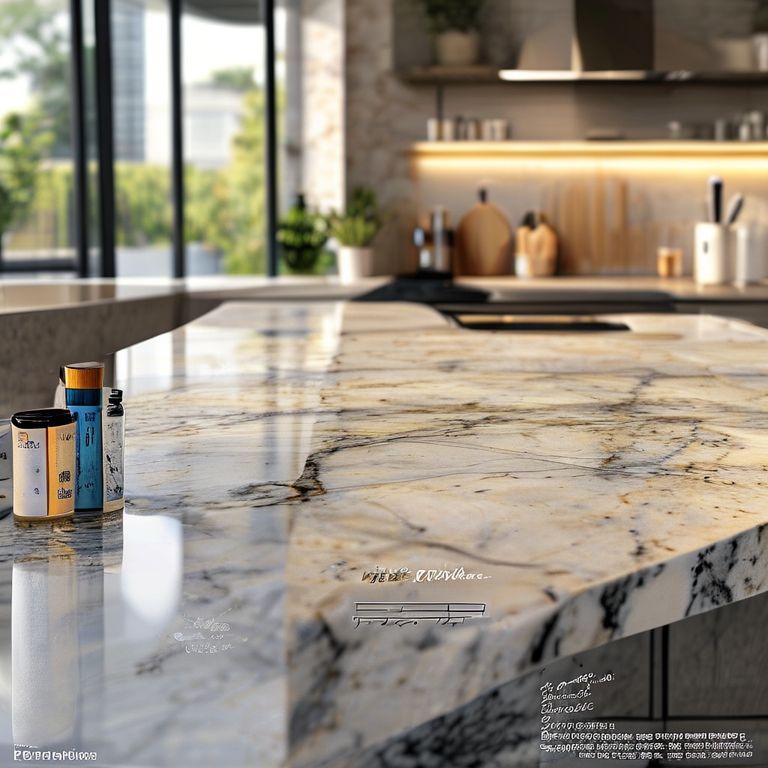
Gather Tools and Materials: Depending on the severity of the crack, you may need different tools and materials. Common items include epoxy resin, a mixing container, a spatula, and a brush.
Repairing Surface Cracks
For minor surface cracks, a simple epoxy resin can work wonders:
Mix the Epoxy: Follow the manufacturer’s instructions to mix the epoxy resin. The ratio typically involves one part resin to one part hardener.
Apply the Epoxy: Using a spatula or brush, apply a thin layer of epoxy over the crack. Ensure that the epoxy fills the crack completely and extends slightly beyond the edges for a seamless finish.
Smooth the Surface: Use a clean, damp cloth to smooth the epoxy over the surface of the countertop. This helps to ensure an even application and a polished finish.
Cure the Epoxy: Allow the epoxy to cure as per the manufacturer’s instructions. This usually takes several hours to overnight, depending on the product.
Repairing Deeper Cracks
For deeper cracks, a more robust repair method is required:
Remove Loose Debris: Carefully remove any loose or flaking material around the crack. This ensures that the repair material can bond properly with the intact surface.
Create a Mold: If the crack is deep and complex, you may need to create a mold around the crack. Use a flexible material like silicone to create a replica of the crack shape. This helps in applying the repair material accurately.
Apply Repair Compound: Use a high-strength repair compound designed for countertops. Follow the manufacturer’s instructions for mixing and application.
Shape and Smooth: Use a spatula or brush to fill the crack with the repair compound, shaping it to match the original contour of the countertop. Smooth the surface to ensure a seamless finish.
Cure and Polish: Allow the compound to cure fully before polishing the surface. Use a fine-grit sandpaper to smooth any rough edges and then polish the surface to restore its shine.
Maintaining Your Countertop
Once your countertop is repaired, it’s essential to maintain it to prevent future damage:
Regular Cleaning: Clean your countertop regularly with a mild soap and water solution. Avoid using abrasive cleaners that can scratch the surface.
Use Protective Pads: Place cutting boards and other heavy items on protective pads to prevent scratches and chips.
Immediate Repairs: Address any minor cracks or chips immediately to prevent them from worsening over time.
By following these expert tips, you can successfully repair cracked countertops and restore their beauty. In the next part of our guide, we’ll explore advanced techniques for specific countertop materials and additional tips to ensure your repair lasts.
Expert Tips for Successfully Repairing Cracked Countertops: Mastering the Art of Countertop Restoration
In the first part of our guide, we covered the basics of identifying and repairing cracks in countertops, including methods for both surface and deeper cracks. Now, let’s dive deeper into advanced techniques for specific countertop materials and additional tips to ensure your repair lasts.
Advanced Repair Techniques for Specific Materials
Repairing Quartz Countertops
Quartz countertops are highly durable and require specific repair methods to maintain their integrity:
Use Quartz-Specific Epoxy: For minor repairs, use an epoxy resin specifically formulated for quartz countertops. These resins are designed to blend seamlessly with the material and provide a durable finish.
Heat Treatment: For deeper cracks, a heat treatment may be required. Apply heat to the crack using a heat gun to slightly expand the material. This makes it easier to fill the crack with a repair compound.
Color Matching: Quartz countertops come in a wide range of colors. When repairing a crack, it’s essential to match the color of the repair material to the surrounding surface. Use a color-matching guide or consult with a professional to ensure an accurate match.
Seal the Repair: After the repair has cured, apply a high-quality countertop sealer to protect the repaired area from stains and scratches.
Repairing Granite Countertops
Granite countertops are known for their natural beauty and durability, but they require careful handling during repairs:
Use Granite-Specific Filler: For minor repairs, use a granite-specific filler or epoxy resin. These materials are formulated to adhere well to granite and provide a seamless finish.
Grinding and Polishing: For deeper cracks, you may need to grind the damaged area to create a smooth surface. Use a diamond grinding tool to remove the damaged material, and then polish the surface to blend it with the surrounding granite.
Color Matching: Granite countertops come in various colors and patterns. When repairing a crack, it’s essential to match the color and pattern of the repair material to the surrounding granite. Use a color-matching guide or consult with a professional for an accurate match.
Seal the Repair: After the repair has cured, apply a high-quality granite sealer to protect the repaired area from stains and scratches.
Additional Tips for Long-Lasting Repairs
To ensure your countertop repair lasts and looks great, follow these additional tips:
Avoid Overheating: Whether using epoxy resin or a repair compound, avoid overheating the material. Excessive heat can cause the material to expand unevenly, leading to further cracks or imperfections.
Use Quality Materials: Invest in high-quality repair materials. Low-grade products may not provide the durability and appearance you need.
Follow Manufacturer Instructions: Always follow the manufacturer’s instructions for mixing, application, and curing times. This ensures that the repair material adheres properly and cures correctly.
Regular Maintenance: Clean your countertop regularly to prevent future damage. Use mild soap and water, and avoid abrasive cleaners that can scratch the surface.
Professional Help: For severe damage or if you’re unsure about the repair process, consider hiring a professional. A trained technician can provide a durable and aesthetically pleasing repair.
Preventing Future Cracks
While repairs can restore your countertop to its former glory, preventing future cracks is always the best approach:
Use Cutting Pads: Place cutting boards and other heavy items on protective pads to prevent scratches and chips.
Avoid Excessive Heat: Avoid placing hot pots, pans, or direct heat sources on the countertop. Use trivets or heat-resistant pads to protect the surface.
Clean Up Spills Immediately: Spills can cause stains and damage to your countertop. Clean up any spills immediately to prevent long-term damage.
Regular Inspections: Regularly inspect your countertop for any signs of damage or wear. Address minor issues promptly to prevent them from worsening over time.
Conclusion
Repairing cracked countertops can be a daunting task, but with the right techniques and expert tips, you can restore your countertop to its former beauty当然,我们可以继续探讨如何更全面地保护和维护你的台面,以及一些额外的小窍门和注意事项,以确保它们长久保持如新。
专业维护和定期保养
定期清洁:不管你使用的是石英石、花岗岩还是任何其他材料的台面,定期清洁都是非常必要的。使用温和的清洁剂和软布,避免使用含有酸性或强碱性的清洁剂。
专业抛光:某些材料如花岗岩需要定期抛光以保持其光泽和防污性。专业的抛光服务可以每年进行一次,以确保台面的最佳状态。
防止损伤
使用保护垫:在切菜、烹饪或其他需要使用锋利工具的时候,使用切菜垫或保护垫来避免划伤台面。
避免过度加热:如前所述,避免直接将热锅或烤盘放在台面上,这不仅可能导致裂缝,还可能导致材料变形。
减少化学品接触:尽量避免在台面上直接使用清洁剂或其他化学品,即使是温和的清洁剂也可能对某些材料造成长期损害。
安全使用
均匀分布重量:当在台面上放置重物时,确保重量均匀分布,以避免集中压力导致的裂缝。
小心放置容器:避免将热饮料或其他容器直接放在台面上,可以在上面放一个保护垫,以防止热量传导。
修复和维护
小裂缝和划痕:对于小的裂缝和划痕,可以使用专门的修复胶或填充剂。一些高端材料如石英石有内置的修复系统,可以在家中进行简单的修复。
大面积损坏:如果台面出现大面积的损坏,最好咨询专业的石材维修公司,他们可以提供专业的修复服务。
选择和设计
适当的材料:选择适合你的使用环境和需求的材料。例如,石英石和人造石通常比天然石材更耐用,但花岗岩和大理石也有其独特的美学价值。
设计和布局:在设计台面时,考虑到流动线路和易清洁性。避免复杂的弯曲和狭窄的空间,这些设计可能增加维护和清洁的难度。
通过这些方法和建议,你可以更好地保护你的台面,使其长久美观和功能性。如果你有任何具体的问题或需要进一步的建议,随时可以提出。