Advantages of Artificial Stone Countertops
In recent years, artificial stone countertops have emerged as a popular choice for both residential and commercial spaces, thanks to their myriad of benefits. Let’s explore the advantages of artificial stone countertops in detail.
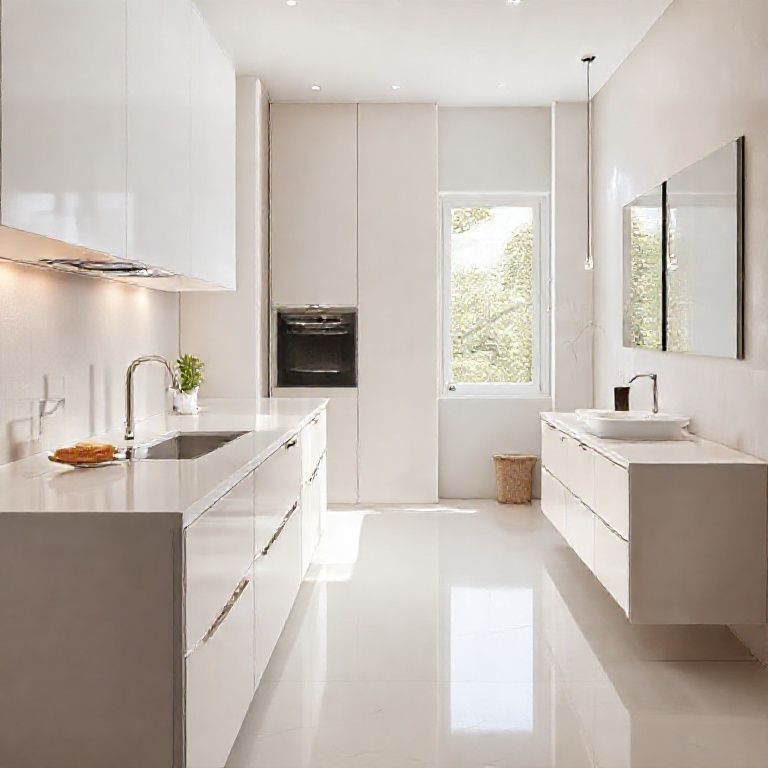
1. Durability and Strength:
Artificial stone countertops are renowned for their impressive durability. Composed of natural stone powders mixed with resins, they exhibit remarkable strength and resistance to scratches, dents, and impact. This makes them an ideal choice for high-traffic areas such as kitchens and bathrooms where durability is paramount. Unlike traditional granite or marble, artificial stone doesn’t easily chip or crack, thereby reducing the need for frequent replacements.
2. Water Resistance:
One of the standout features of artificial stone countertops is their water resistance. Unlike natural stone, which can be prone to water absorption and staining, artificial stone is impervious to water and moisture. This makes them exceptionally easy to clean and maintain, particularly in areas where spills and splashes are common. The non-porous nature of artificial stone ensures that liquids do not penetrate the surface, making them a practical choice for busy households.
3. Cost-Effectiveness:
Artificial stone countertops offer a cost-effective alternative to natural stone options. The materials used in their production are more affordable, which translates to a lower price point for consumers. This affordability is further enhanced by the reduced maintenance costs, as these countertops require less upkeep compared to natural stone options. For homeowners and businesses looking to invest in high-quality countertops without breaking the bank, artificial stone is an excellent choice.
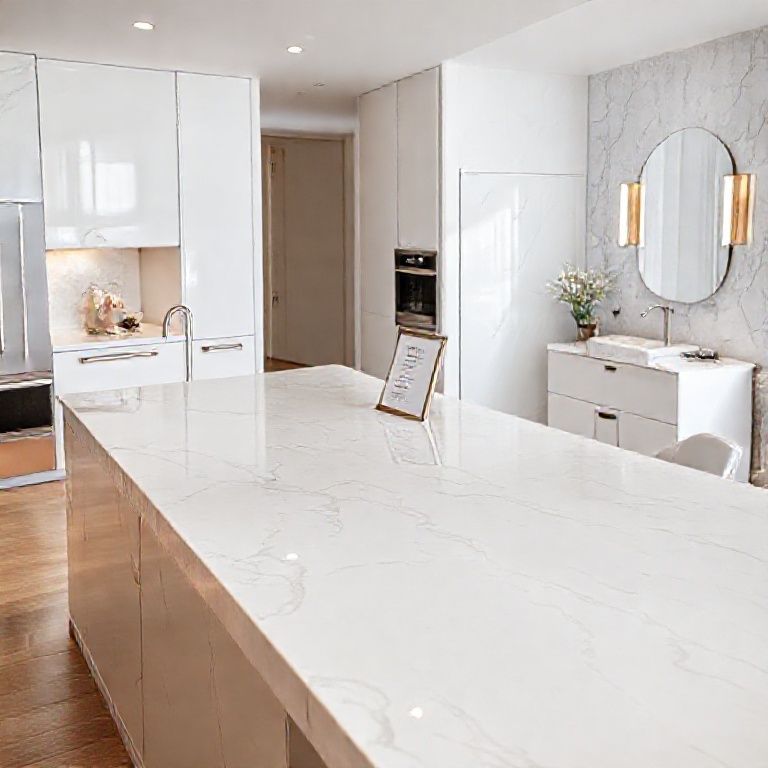
4. Aesthetic Variety:
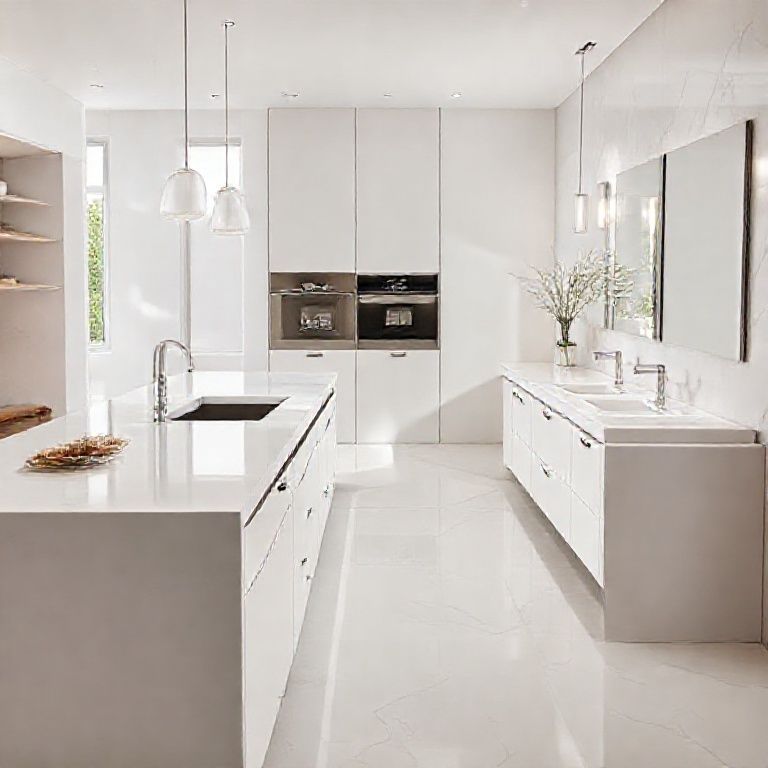
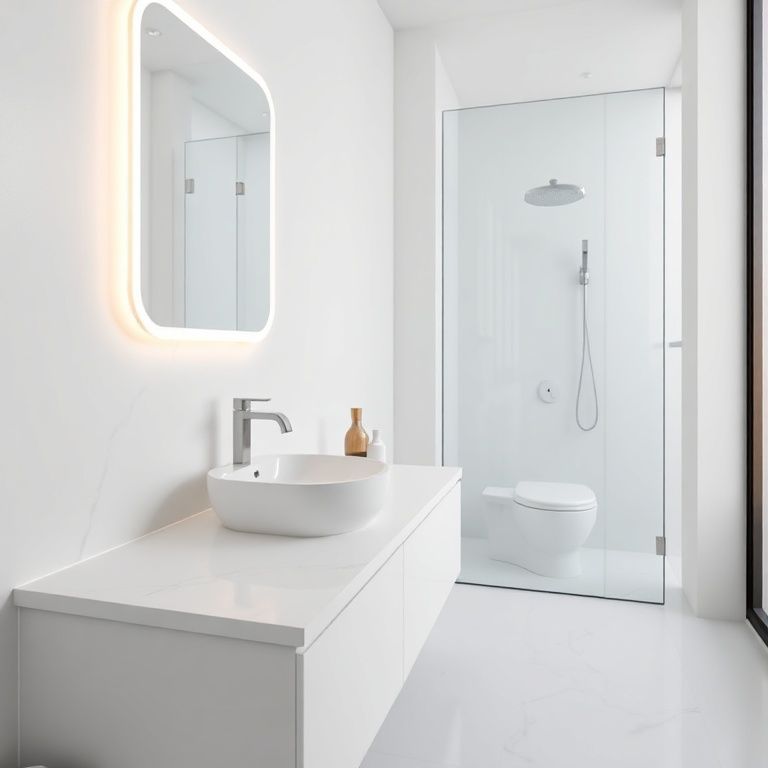
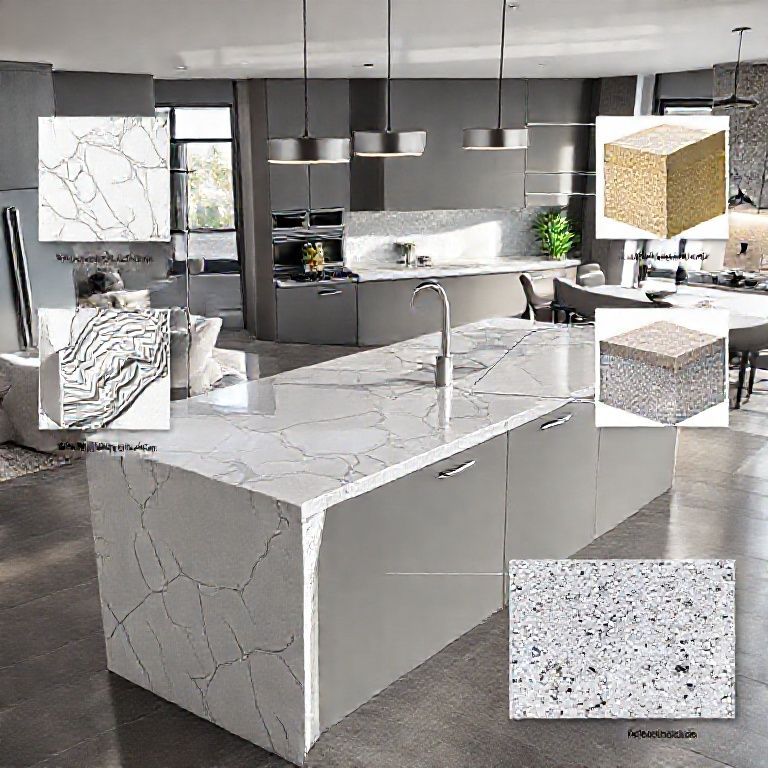
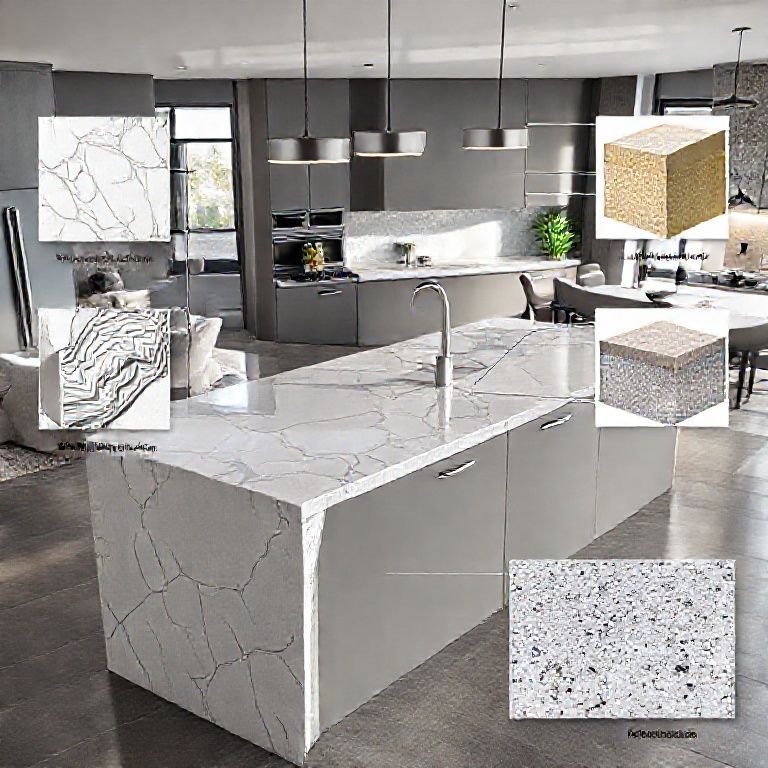
Artificial stone countertops come in a wide array of colors and finishes, allowing for extensive customization to suit any design preference. Manufacturers can replicate the look of various natural stones, including granite, marble, and quartz, while also offering unique, one-of-a-kind designs. This versatility makes artificial stone a popular option for those who want to create a bespoke look that matches their interior design vision.
5. Lightweight and Easy Installation:
Artificial stone countertops are significantly lighter than their natural stone counterparts, making them easier to handle during installation. The lighter weight reduces the strain on the structure of the cabinets and countertops, which is particularly advantageous for older homes with limited structural support. Additionally, the installation process is straightforward, often requiring less extensive preparation and fewer professional skills compared to natural stone.
6. Sustainability:
In the realm of sustainable building practices, artificial stone countertops hold a favorable position. The production process for artificial stone uses less water and energy compared to the extraction and processing of natural stone. Moreover, since artificial stone does not rely on the mining of natural resources, it contributes to the reduction of environmental impact associated with stone quarrying.
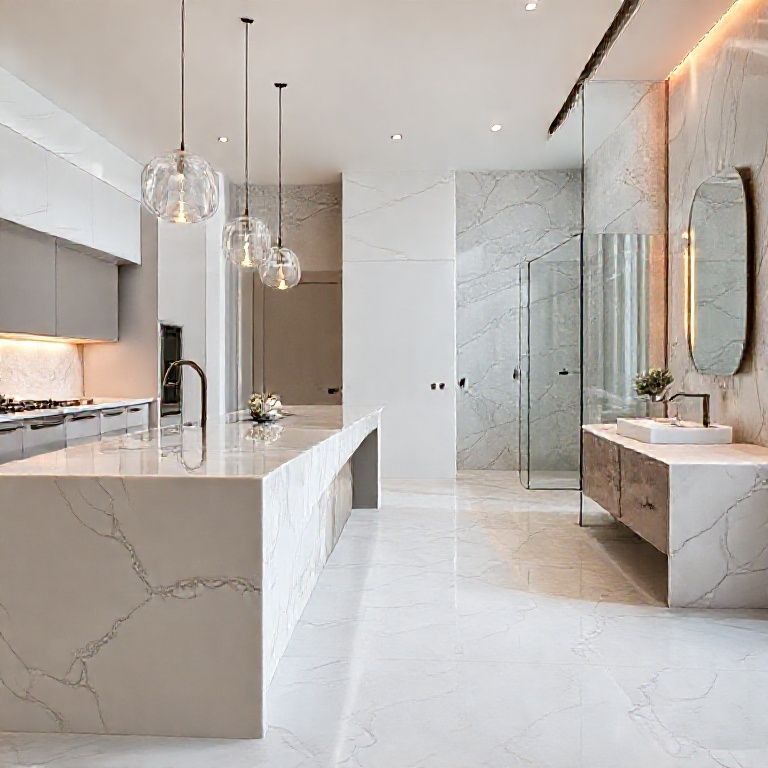
7. Flexibility in Design:
The flexibility in design offered by artificial stone countertops is another significant advantage. They can be cut to any shape or size to fit specific spaces, allowing for creative and unique designs that might be challenging with natural stone. This flexibility is especially beneficial for custom cabinetry and unique architectural features.
8. Easy Maintenance:
Maintenance of artificial stone countertops is a breeze. They are easy to clean with common household cleaners and do not require special treatment to maintain their appearance. The non-porous surface ensures that spills and stains do not set in, making them an ideal choice for those who prefer a hassle-free maintenance routine.
Conclusion:
Artificial stone countertops present a compelling alternative to traditional natural stone options. Their durability, water resistance, cost-effectiveness, aesthetic variety, lightweight nature, sustainability, flexibility in design, and ease of maintenance make them a highly attractive choice for modern kitchens and bathrooms. As this material continues to evolve, its appeal is likely to grow, offering more options for homeowners and designers alike.
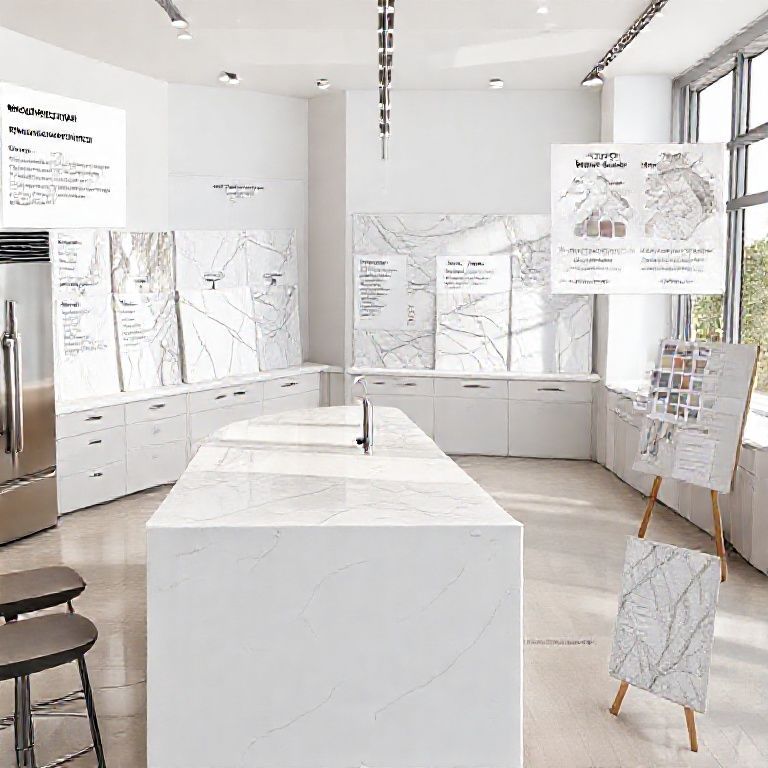
Disadvantages of Artificial Stone Countertops
While artificial stone countertops offer many benefits, it is equally important to consider their drawbacks to make a well-informed decision. Let’s explore the disadvantages in detail.
1. Potential for Surface Damage:
Despite their durability, artificial stone countertops can still be susceptible to surface damage. While they are less likely to chip or crack compared to natural stone, they can still be marred by scratches and other forms of surface damage. This can be particularly noticeable if sharp objects are frequently placed on the countertop or if abrasive cleaning agents are used. Over time, this surface damage can detract from the aesthetic appeal of the countertop.
2. Thermal Sensitivity:
Artificial stone countertops are not as thermally resistant as natural stone options like granite or marble. They can be damaged by extreme heat or direct exposure to flames, such as from a stovetop or open flame. This means that hot pots, pans, and other heated items should not be left on the countertop for extended periods to avoid thermal damage. While this is a lesser concern in most residential settings, it is a notable drawback for commercial kitchens where high temperatures are a regular occurrence.
3. Limited Lifespan Compared to Natural Stone:
While artificial stone countertops are durable, they generally have a shorter lifespan compared to natural stone options. Natural stone materials like granite, marble, and quartz have been used for centuries and are known for their longevity. Although artificial stone is designed to mimic the look and feel of natural stone, it does not offer the same timeless durability. Over time, artificial stone may begin to show signs of wear, such as fading or discoloration, which could require resurfacing or replacement.
4. Higher Upfront Costs for Custom Designs:
While the standard artificial stone countertops are affordable, custom designs can come at a higher price point. Creating unique patterns or colors that are not part of the standard offerings often requires additional processing and materials, which can significantly increase the cost. This can make it challenging for those on a tight budget to achieve their desired custom look.
5. Lower Strength in Edges:
Artificial stone countertops are typically stronger in the center than at the edges. This means that while the middle of the countertop may be highly resistant to scratches and impacts, the edges can be more prone to damage. This can be a concern if the countertop is frequently used in areas where it might be bumped or if sharp objects are often placed along the edges.
6. Environmental Concerns:
Although the production process for artificial stone countertops is more sustainable than natural stone mining, there are still environmental concerns to consider. The resins and binders used in artificial stone manufacturing can release volatile organic compounds (VOCs) during installation and curing. These VOCs can contribute to indoor air pollution and may pose health risks. Additionally, the disposal of artificial stone at the end of its life cycle can be challenging, as it may not be as easily recyclable as some other materials.
7. Limited Natural Feel:
For some, the allure of natural stone lies in its organic, natural appearance and feel. Artificial stone, while versatile and customizable, lacks the natural texture and warmth of materials like granite or marble. This can be a significant drawback for those who value the authentic feel of natural stone and prefer to avoid synthetic materials in their home or commercial spaces.
8. Limited Availability of Colors and Patterns:
While artificial stone countertops offer a wide range of designs, the available colors and patterns are typically limited compared to natural stone. This can be a disadvantage for those who are seeking a very specific look that may not be easily replicated with artificial stone. The variety of designs is continually expanding, but natural stone still offers an unparalleled range of options.
9. Maintenance and Cleaning Challenges:
While artificial stone is generally low-maintenance, there are some cleaning challenges to consider. Certain types of cleaners, especially those with high acidity or alkalinity, can affect the surface of artificial stone. It is important to use cleaners that are specifically recommended for artificial stone to avoid damage. Additionally, while they are water-resistant, they are not completely impervious, and prolonged exposure to water can cause the surface to degrade over time.
Conclusion:
Artificial stone countertops present several advantages that make them a compelling choice for many modern spaces. However, it is equally important to consider their limitations, including potential surface damage, thermal sensitivity, shorter lifespan compared to natural stone, higher costs for custom designs, lower edge strength, environmental concerns, limited natural feel, restricted color and pattern options, andConclusion:
Artificial stone countertops present several advantages that make them a compelling choice for many modern spaces. However, it is equally important to consider their limitations, including potential surface damage, thermal sensitivity, shorter lifespan compared to natural stone, higher costs for custom designs, lower edge strength, environmental concerns, limited natural feel, restricted color and pattern options, and maintenance challenges.
When deciding whether artificial stone countertops are the right choice for your space, it’s essential to weigh these pros and cons carefully. For those seeking a durable, low-maintenance, and cost-effective countertop option, artificial stone offers many benefits. However, if you prioritize the natural beauty and timeless durability of natural stone, or if your space requires specific design features that artificial stone cannot easily replicate, you may want to consider natural stone alternatives.
In conclusion, artificial stone countertops are an excellent option for many modern applications, providing a versatile and affordable alternative to traditional natural stone. By understanding both the advantages and disadvantages, homeowners and designers can make informed decisions that best suit their individual needs and preferences. Whether you choose artificial stone or another material, the goal is to select a countertop that enhances the beauty and functionality of your space while meeting your long-term goals.