Exploring the Drawbacks of Engineered Marble: A Comprehensive Look
In the realm of modern interior design, engineered marble has emerged as a popular choice for countertops and other decorative elements. With its striking aesthetic and versatile properties, it’s easy to see why it’s favored by many. However, like any material, engineered marble is not without its set of drawbacks. This article will delve into the various limitations and challenges associated with engineered marble, offering a balanced view for those considering its use.
Environmental Concerns
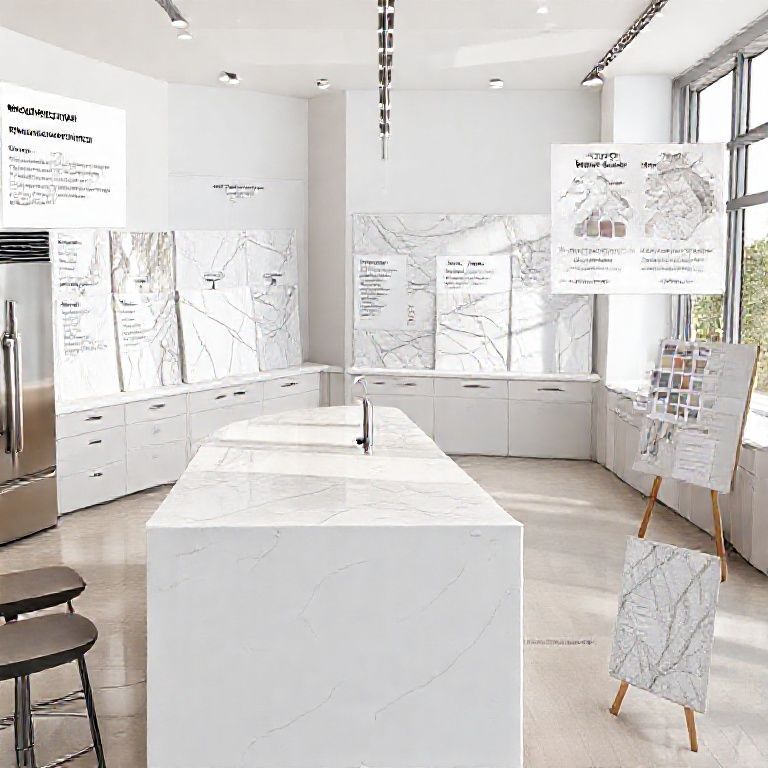
First and foremost, the production of engineered marble raises several environmental concerns. Unlike natural marble, which is mined from quarries, engineered marble is created in a factory setting using a combination of minerals, resins, and pigments. This manufacturing process can involve the use of chemicals and solvents that may have adverse effects on both the environment and human health.
The production of engineered marble typically involves significant energy consumption, as the high temperatures required for the manufacturing process can contribute to carbon emissions. Additionally, the resins used in the production can release volatile organic compounds (VOCs), which can be harmful when released into the air. These compounds can contribute to indoor air quality issues and may pose health risks to those using the material.
Durability Issues
While engineered marble is praised for its durability, it’s not without its weaknesses. The material is generally more prone to staining and scratching compared to natural marble. The surface of engineered marble can be damaged by acidic substances, which can cause discoloration and etching over time.
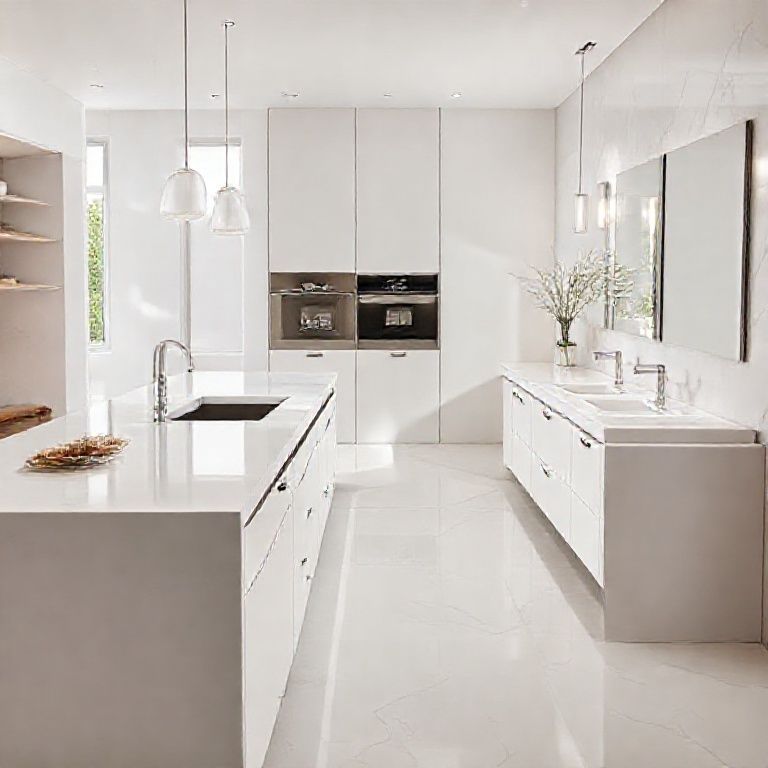
Moreover, while engineered marble is designed to be strong and resilient, it still lacks the inherent toughness of natural marble. This means that it is more susceptible to breaking or cracking under significant pressure or impact. In high-traffic areas, this can be a considerable concern, as the constant use and wear can lead to visible damage over time.
Maintenance Challenges
Maintenance is another area where engineered marble falls short compared to natural marble. Unlike natural stone, which can be sealed to enhance its durability and resistance to stains, engineered marble often requires regular maintenance to maintain its appearance.
Cleaning engineered marble can be a meticulous task, as improper cleaning agents can cause discoloration and damage to the surface. It’s crucial to use recommended cleaning products to avoid compromising the integrity of the material. Additionally, engineered marble often requires re-sealing to protect against stains and spills, which can be a time-consuming process that needs to be repeated periodically.
Cost Considerations
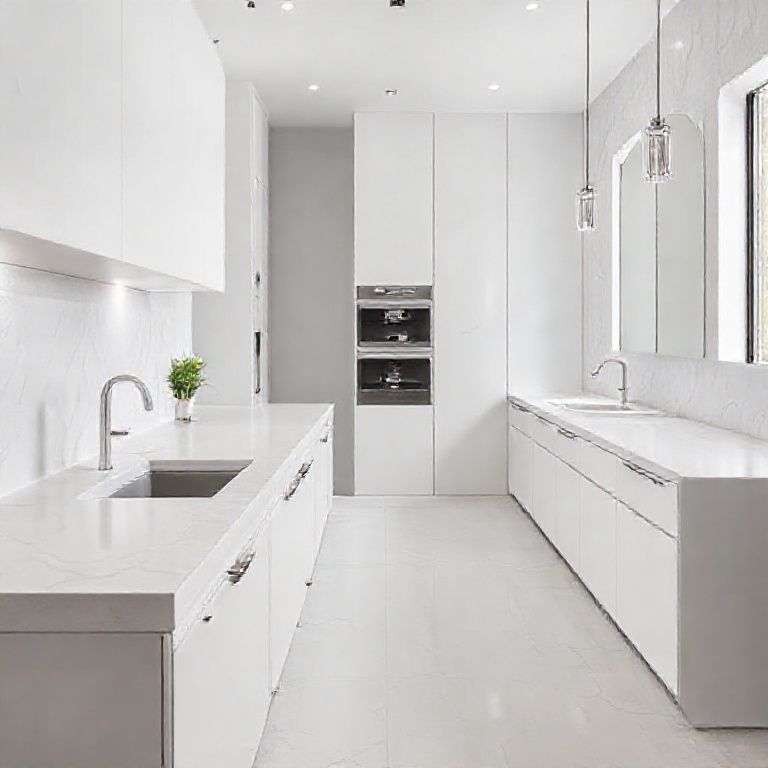
When considering the cost of engineered marble, it’s important to account for both the initial purchase price and the long-term maintenance expenses. While engineered marble can be more affordable than natural marble, the ongoing costs associated with maintenance and potential repairs can add up over time.
The longevity of engineered marble is also a factor to consider. While it’s designed to last, the wear and tear over time can lead to the need for replacement or extensive repairs, which can be costly. Therefore, while the upfront cost might be lower, the total cost of ownership can be higher than initially anticipated.
Aesthetic Limitations
The aesthetic appeal of engineered marble is often touted as one of its main advantages. However, it also comes with certain limitations. The artificial nature of engineered marble means that it can never fully replicate the unique beauty of natural marble. While advancements in manufacturing have allowed for stunning color variations and patterns, there’s still a distinct difference in texture and character.
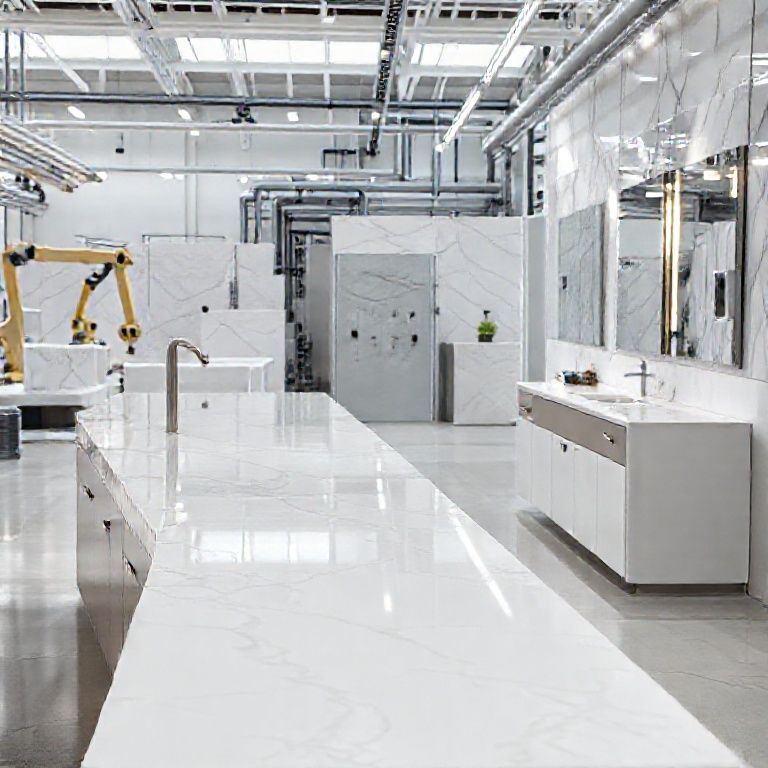
Additionally, engineered marble can sometimes appear less authentic to discerning eyes. The surface may not have the same depth and natural variability found in natural marble, which can be a dealbreaker for those seeking a more genuine aesthetic.
Conclusion
While engineered marble offers numerous benefits in terms of cost, design flexibility, and aesthetic appeal, it’s essential to consider its drawbacks. From environmental concerns and durability issues to maintenance challenges and cost considerations, the limitations of engineered marble are significant.
For those considering this material, it’s crucial to weigh these factors carefully to determine whether the benefits outweigh the potential downsides. By understanding the full scope of what engineered marble entails, you can make a more informed decision that best suits your needs and preferences.
Exploring the Drawbacks of Engineered Marble: A Comprehensive Look (Continued)
In the previous section, we explored various environmental, durability, maintenance, cost, and aesthetic concerns associated with engineered marble. Now, we’ll delve deeper into these issues to provide a more comprehensive understanding of why engineered marble might not always be the ideal choice for everyone.
Quality Control and Variability
One of the inherent drawbacks of engineered marble lies in the variability of quality. Since engineered marble is manufactured in a controlled environment, there can be inconsistencies in the final product. Different batches may exhibit slight variations in color, texture, and durability, which can be problematic for large-scale projects where uniformity is essential.
Quality control is a critical aspect of manufacturing, and while many manufacturers strive for high standards, it’s not always possible to guarantee perfect consistency. This can lead to issues when multiple pieces are used in a project, as slight differences in appearance can become noticeable and detract from the overall aesthetic.
Resistance to Heat and Impact
Engineered marble’s resistance to heat and impact is another area where it falls short compared to natural marble. While engineered marble is designed to withstand moderate temperatures, it’s not as resilient as natural stone. Hot liquids can cause discoloration and damage, and while it’s designed to be durable, it’s still susceptible to breaking under significant impact.
This makes engineered marble less suitable for high-heat areas such as kitchens or dining rooms where hot dishes are frequently handled. The need for careful handling and placement is crucial to avoid potential damage.
Long-term Durability and Stability
Although engineered marble is designed to be durable, its long-term durability and stability can be questionable. The resins and bonding agents used in its production can degrade over time, leading to a gradual loss of strength and structural integrity.
This degradation can manifest as surface cracking, flaking, or even complete failure of the material over time. While the lifespan of engineered marble can be impressive, the potential for gradual deterioration means that it may not stand the test of time as well as natural marble.
Chemical Resistance
The chemical resistance of engineered marble is another point of concern. While it’s designed to resist a range of chemicals, it’s not impervious to them. Acidic substances, cleaning agents, and even certain food residues can cause etching, discoloration, and damage to the surface.
Maintaining chemical resistance over time requires diligent care and regular maintenance, which can be a significant challenge. The need to avoid certain substances and use specific cleaning products to prevent damage can be cumbersome and may not be practical for all users.
Impact on Interior Design
When it comes to interior design, the use of engineered marble can sometimes limit creative freedom. The standardized sizes and shapes available for engineered marble can make it difficult to achieve custom designs that perfectly fit the space.
Additionally, the aesthetic uniformity of engineered marble can sometimes feel less organic and more manufactured, which might not align with every design vision. The limitations in color and texture variations can also restrict the creative possibilities available to designers and homeowners.
Sustainability Concerns
Sustainability is a critical consideration in today’s world, and engineered marble raises several sustainability concerns. The production process for engineered marble involves significant energy use and the emission of VOCs, which can have negative environmental impacts.
Moreover, the disposal of engineered marble at the end of its life cycle poses challenges. Unlike natural stone, which can often be recycled or repurposed, engineered marble is typically not recyclable. This means that it contributes to landfill waste, which is an unsustainable outcome.
Conclusion
As we’ve explored in this detailed look, engineered marble has its set of drawbacks that are worth considering. From environmental concerns and durability issues to maintenance challenges, cost considerations, and aesthetic limitations, there are several factors that can impact its suitability for various applications.
While engineered marble offers many advantages, it’s essential to weigh these against its inherent limitations to make an informed decision. By understanding the full scope of what engineered marble entails, you can better determine whether it’s the right choice for your specific needs and preferences.
In the next section, we will further explore alternative materials that can offer both aesthetic appeal and durability, providing a comprehensive overview of your options in modern interior design.