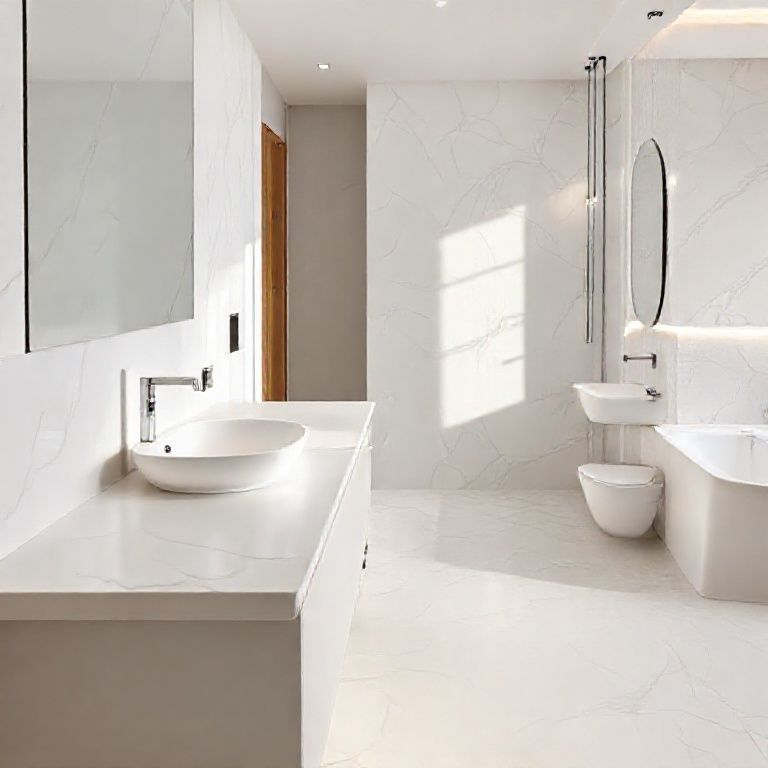
The Hidden Drawbacks of Artificial Quartz Countertops
In recent years, artificial quartz countertops have surged in popularity due to their durability, low maintenance, and aesthetic versatility. These countertops are lauded for their ability to mimic natural stone while offering superior resistance to scratches, stains, and heat. However, beneath this glossy exterior lie some less apparent disadvantages that merit consideration. Here, we explore the more nuanced and often overlooked drawbacks of artificial quartz countertops.
High Initial Costs
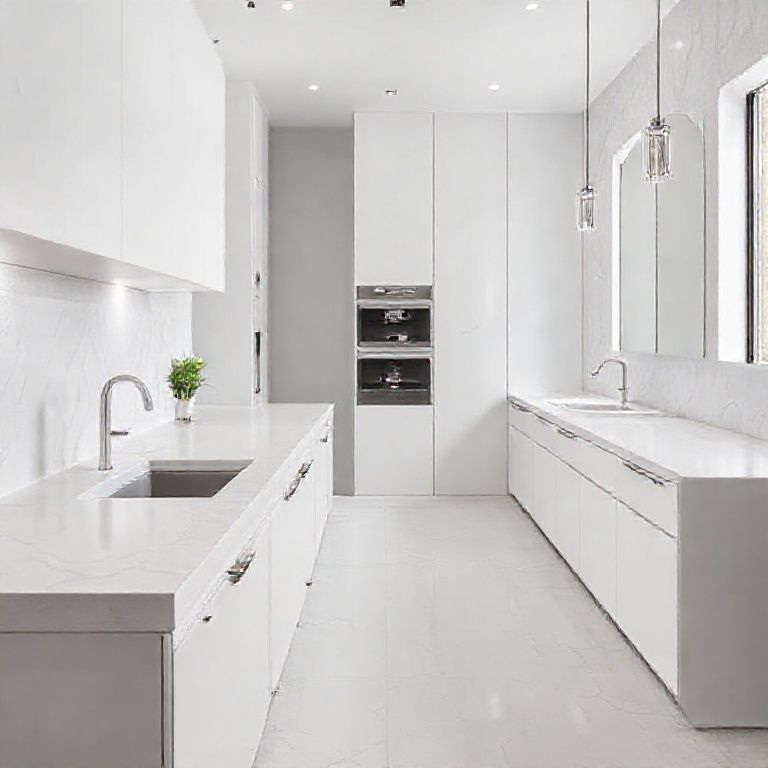
One of the most significant disadvantages of artificial quartz countertops is their high initial cost. While they might prove to be cost-effective in the long run due to their durability and low maintenance, the upfront investment is considerably higher compared to alternatives like granite or even laminate countertops. This can be a major deterrent for those on a tight budget or looking to make a cost-effective home improvement.
Limited Color Customization
Artificial quartz countertops are manufactured in a variety of colors and finishes, but the options are still somewhat limited compared to natural stone. The process of creating custom colors and patterns is intricate and expensive, meaning that while you can get a wide array of choices, it’s not as limitless as you might find with natural stone or other materials. This can be a limitation if you have a very specific vision for your kitchen or bathroom design.
Installation Challenges
Although quartz countertops are incredibly durable, their installation can pose challenges. Unlike laminate or vinyl, which can be easily installed by DIY enthusiasts or even professionals with basic skills, quartz requires precise cutting and professional installation to ensure a seamless finish. This means that homeowners looking for a DIY project or those without access to professional installers might find the process more complicated and time-consuming.
Thermal Conductivity
Quartz is an excellent insulator, which is why it’s so popular for its durability and heat resistance. However, this characteristic also means that it has poor thermal conductivity. This means that hot items can transfer heat directly to your hands, potentially causing burns. While this is not a common issue with other materials, it’s something to be mindful of, especially for those who frequently use hot cookware.
Environmental Concerns
While quartz countertops are highly durable and low maintenance, the production process involves significant environmental concerns. The mining and manufacturing processes for natural quartz can have a considerable ecological footprint, including deforestation, water usage, and pollution. Although the artificial version is more sustainable, the production of the raw materials for artificial quartz still involves significant energy consumption and the use of chemicals, which can raise environmental and ethical concerns for eco-conscious consumers.
Aesthetic Limitations
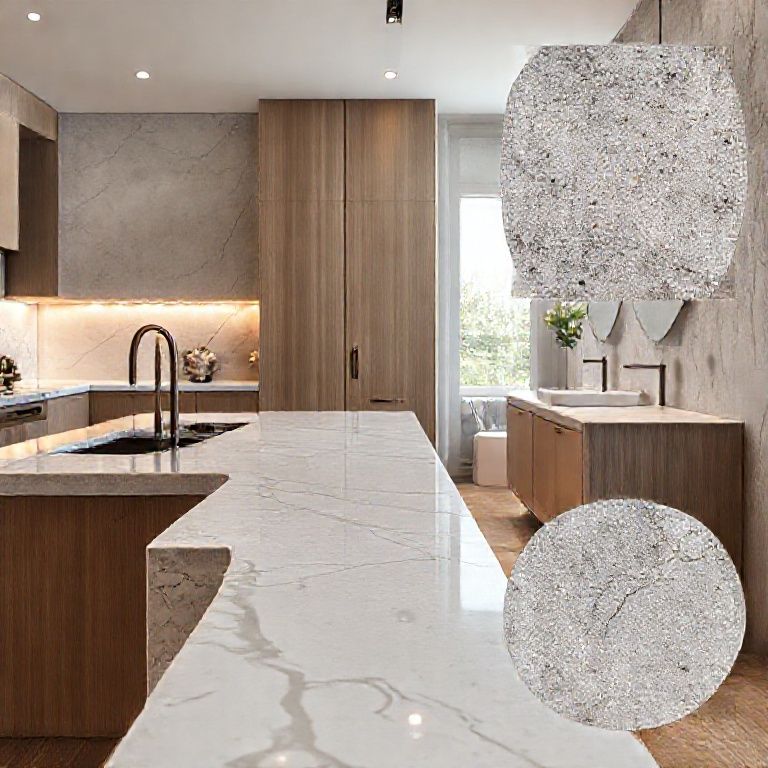
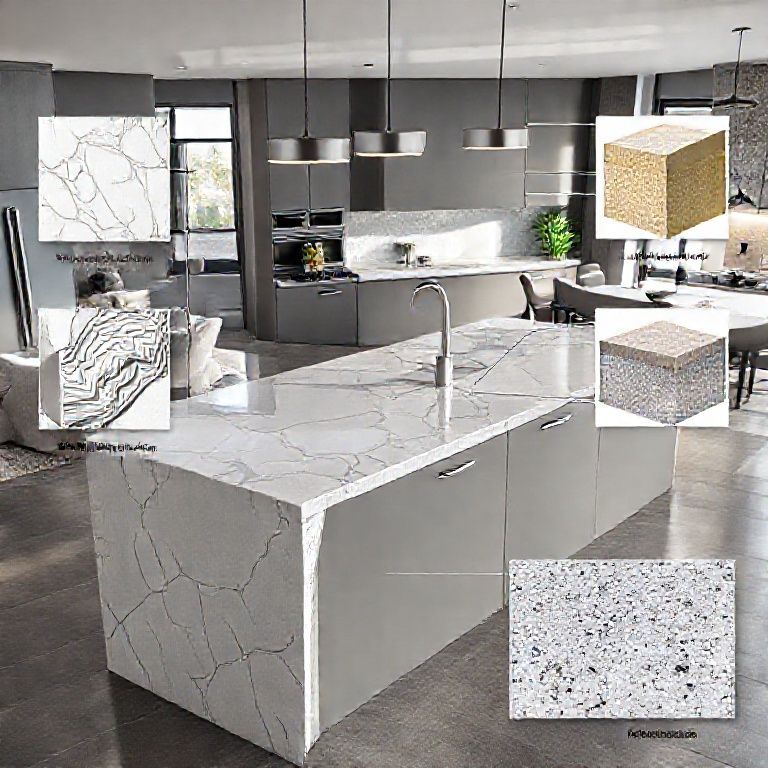
While artificial quartz offers a vast range of colors and finishes, it still has some aesthetic limitations when compared to natural stone. The look of natural stone is inherently unique due to its natural formation process, which results in patterns and textures that are one-of-a-kind. Artificial quartz, while it can replicate these patterns, sometimes lacks the organic beauty and uniqueness that natural stone possesses. This can be a significant drawback for those who value the authenticity and individuality of natural stone aesthetics.
Maintenance Issues
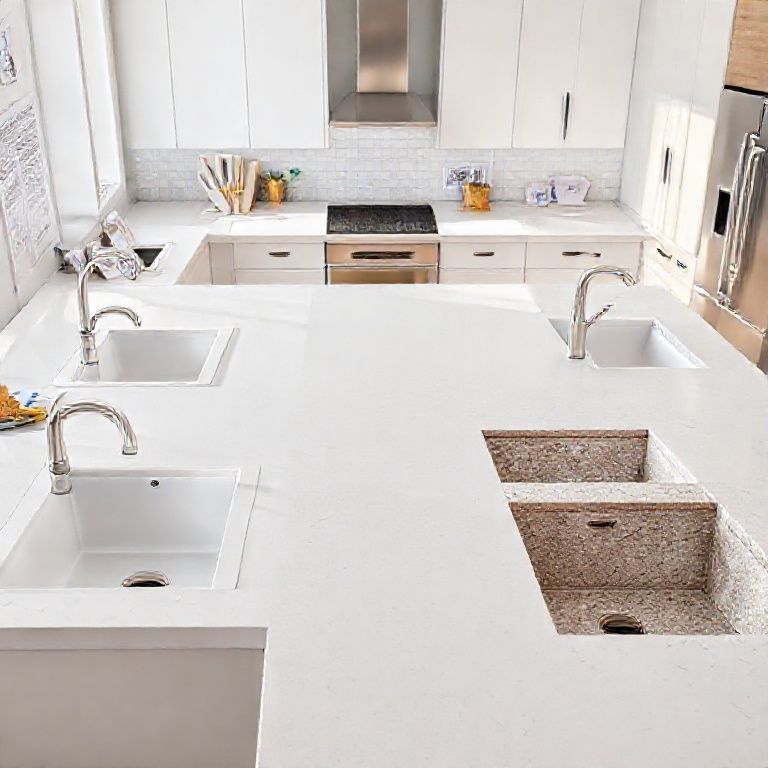
While quartz countertops are generally low maintenance, there are some maintenance issues that can arise. For instance, if they are not properly sealed, they can develop a white film over time, which can be unsightly. Additionally, while quartz is resistant to many chemicals and stains, it can still be affected by acidic substances, which can lead to discoloration if not cleaned properly. Regular maintenance and cleaning are necessary to keep the countertop looking its best.
Weight and Handling
Quartz countertops are much heavier than their alternatives like laminate or vinyl. This means that installation can be more challenging and may require the use of specialized equipment. Additionally, the weight of the quartz countertops can pose handling difficulties during installation, which might necessitate professional help to avoid potential damage to the countertop or the surrounding area.
In conclusion, while artificial quartz countertops have many advantages, it’s crucial to weigh these against their disadvantages to make an informed decision. Understanding these nuances can help you determine if the benefits outweigh the potential drawbacks for your specific needs and preferences.
Navigating the Full Spectrum: More on the Disadvantages of Artificial Quartz Countertops
In the second part of our exploration into the disadvantages of artificial quartz countertops, we’ll delve deeper into some of the additional aspects that might affect your decision-making process. From long-term considerations to specific use-case scenarios, this section aims to provide a comprehensive view of the potential downsides of artificial quartz countertops.
Long-Term Durability Concerns
While artificial quartz is known for its durability and resistance to scratches, stains, and heat, long-term durability is not entirely foolproof. Over time, the seams between the slabs can sometimes crack or develop imperfections, especially if the countertop is subjected to excessive pressure or impact. This can lead to the need for professional repair or even replacement, which can be costly and inconvenient.
Moreover, the adhesive used to bond the slabs can weaken over time, leading to a loss of structural integrity. This is less common with high-quality installations but is something to consider for long-term planning and budgeting.
Potential for Surface Damage
Although quartz is resistant to most everyday spills and stains, it is not invincible. Abrasive materials like metal utensils, hard cleaning tools, or even certain types of food can scratch or damage the surface of the quartz. This can lead to unsightly marks and potentially compromise the aesthetic appeal of the countertop. It’s important to use appropriate cleaning tools and be mindful of what is placed on the surface to avoid such damage.
Maintenance of Installation
Maintaining the installation of quartz countertops is another aspect that can’t be overlooked. The adhesive used to secure the countertop to the cabinet or wall can degrade over time, especially with constant exposure to moisture or heat. This can lead to the countertop becoming loose or even detaching in severe cases. Regular inspections and maintenance by a professional can help mitigate these issues, but they do add to the overall maintenance burden.
Compatibility with Other Materials
When planning a kitchen or bathroom renovation, it’s crucial to consider the compatibility of artificial quartz countertops with other materials used in the space. While quartz is versatile, it can sometimes clash with certain finishes or styles. For instance, if you have a particularly modern or minimalist aesthetic, the heavy and somewhat industrial look of quartz might not always blend seamlessly with other elements. Matching the texture, color, and style of the quartz with other materials in the space can require additional planning and coordination.
Impact on Home Value
While artificial quartz countertops can add significant value to a home due to their aesthetic and practical benefits, there’s a question around their long-term impact on home value. Potential buyers might be wary of the higher initial costs and the need for professional installation. Additionally, if a quartz countertop has visible damage or requires maintenance issues, it could potentially lower the perceived value of the home. It’s essential to weigh these factors against the benefits to determine the overall impact on home resale value.
Chemical Resistance
While quartz is highly resistant to many chemicals, there are some substances that can still cause damage if not handled properly. For example, bleach, ammonia, and other strong cleaning agents can react with the surface of the quartz, leading to discoloration or damage. It’s important to use mild, pH-neutral cleaners to maintain the integrity of the countertop and prevent any potential chemical reactions.
Environmental Footprint
Although the environmental impact of artificial quartz is generally lower than that of natural stone due to reduced mining and manufacturing processes, it’s still an area of concern. The production of quartz countertops involves the use of chemicals and significant energy consumption, which can have environmental repercussions. For those who prioritize sustainability, this might be a consideration when making a material choice.
Installation and Repair Costs
While the initial installation of artificial quartz countertops might be straightforward, the costs associated with repairs can be substantial. If the countertop does sustain damage, professional repair services might be required, which can be expensive. Additionally, the cost of replacing a damaged section of quartz can be high due to the material’s premium nature and the need for professional installation.
Aesthetic Preferences
Finally, personal aesthetic preferences play a significant role in the decision-making process. While artificial quartz offers a wide range of colors and patterns, it might not always align with everyone’s taste. Some people prefer the unique, organic beauty of natural stone, which quartz cannot fully replicate. This personal preference can heavily influence whether the benefits of quartz outweigh its drawbacks for an individual’s specific needs and style.
In conclusion, while artificial quartz countertops offer numerous benefits, understanding the full spectrum of their disadvantages can help you make a more informed decision. From long-term durability concerns to maintenance issues and aesthetic preferences, these factors are crucial to consider when planning a kitchen or bathroom renovation. By weighing the pros and cons, you can determine if artificial quartz countertops are the right choice for your space and lifestyle.