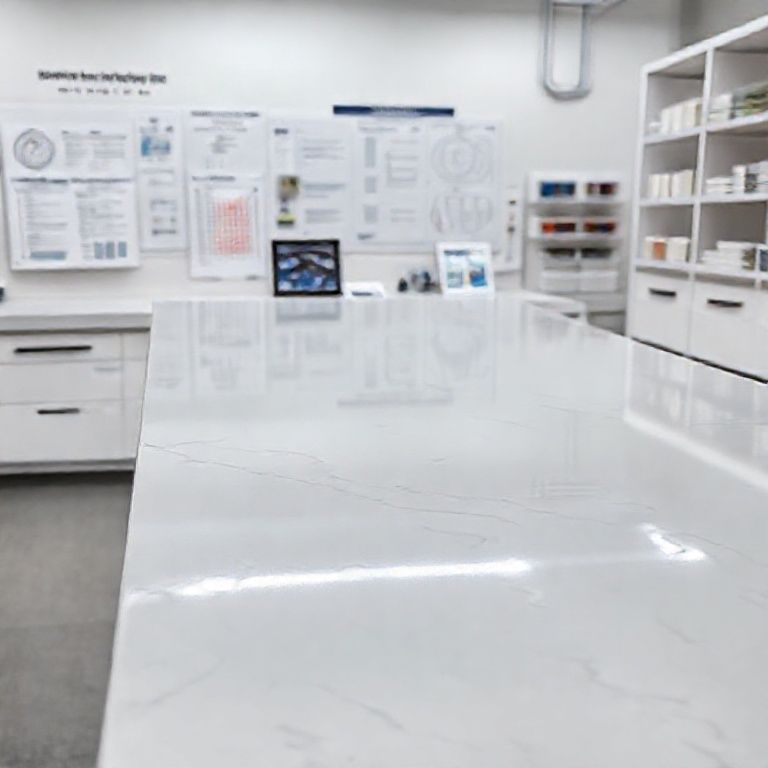
Cracks in artificial stone countertops can be a major concern for homeowners and businesses alike. This two-part article provides an in-depth, step-by-step guide on how to handle and repair cracks in artificial stone countertops. Whether it’s a kitchen island, bathroom sink, or any other area, this guide will equip you with the knowledge and techniques needed to restore your countertop to its former glory.

artificial stone countertop, crack repair, countertop maintenance, stone countertop repair, crack in stone, countertop repair guide, DIY countertop fix, stone countertop problems, artificial stone damage
Fixing a Crack in Your Artificial Stone Countertop: A Comprehensive Guide
Artificial stone countertops are known for their durability, beauty, and ease of maintenance, making them a popular choice in both homes and commercial spaces. However, like any material, they are not entirely immune to damage, and cracks can occur. Addressing a crack promptly is crucial to prevent further damage and maintain the aesthetic appeal of your space. This first part will guide you through the initial assessment, the causes of cracks, and basic DIY repair methods.
Initial Assessment and Safety Precautions
When you notice a crack in your artificial stone countertop, the first step is to assess the extent and location of the damage. Here’s how you can do that:

Visual Inspection: Examine the crack thoroughly. Look for any signs of additional cracks or damage. Note the size, depth, and location of the crack.
Determine the Type of Crack: Artificial stone cracks can vary from hairline fissures to larger, more pronounced splits. Understanding the type of crack can help you decide on the best repair method.
Safety First: Before starting any repair work, ensure that the area around the crack is safe. If the crack is near an electrical outlet or other hazardous areas, turn off the power to prevent any accidents.

Common Causes of Cracks in Artificial Stone Countertops
To effectively repair a crack, it’s important to understand what might have caused it. Here are some common causes:
Impact Damage: Heavy objects falling on the countertop or accidental impacts can cause cracks.
Thermal Stress: Rapid temperature changes can lead to cracks, especially if the stone is not properly acclimated to the surrounding environment.
Manufacturing Defects: Sometimes, cracks can occur during the manufacturing process or due to inherent material weaknesses.
Installation Issues: Improper installation can place undue stress on the stone, leading to cracks over time.
Basic DIY Repair Methods
For minor cracks, there are some basic DIY methods you can try:
Epoxy Resin: Materials Needed: Epoxy resin and hardener, a mixing container, a brush or spatula, and safety gear (gloves, goggles). Steps: Clean the area around the crack thoroughly to remove any dust, grease, or debris. Mix the epoxy resin and hardener according to the manufacturer’s instructions. Apply the epoxy into the crack using a brush or spatula, ensuring it fills the crack completely. Smooth the surface and let it cure as per the epoxy’s instructions. Caulk: Materials Needed: Caulk, a caulk gun, and a caulk smoothing tool. Steps: Choose a color-matched caulk for a seamless repair. Clean the crack thoroughly. Insert the caulk into the crack using the caulk gun, pressing firmly to ensure it fills the gap. Smooth the surface with the caulk smoothing tool and let it cure. Stone Repair Kits: Materials Needed: Stone countertop repair kit, which usually includes colored epoxy or a repair compound. Steps: Follow the instructions on the repair kit to mix the compound or epoxy. Apply the compound into the crack, filling it completely. Smooth the surface and allow it to cure.
When to Call a Professional
While DIY repairs can fix minor cracks, larger or more complex cracks might require professional intervention. Here are some signs that indicate you should call a professional:
Cracks that Extend Deeply: If the crack goes deep into the stone or spreads out in multiple directions, it’s best to call in a professional.
Complex Crack Patterns: If the crack is intricate or involves multiple sections, professional expertise is recommended.
Severe Damage: For significant damage or when the crack compromises the structural integrity of the countertop, professional repair is essential.
Uncertainty: If you’re not confident in your ability to perform the repair or if the crack is in an area that’s difficult to access, it’s safer to call a professional.
Conclusion
Cracks in artificial stone countertops, though concerning, are not insurmountable problems. By understanding the causes, performing a proper assessment, and using the right repair methods, you can restore your countertop to its pristine condition. Whether you opt for a DIY repair or call in a professional, addressing the crack promptly will help maintain the durability and beauty of your artificial stone surfaces.
Stay tuned for part two, where we will delve deeper into advanced repair techniques and preventative measures to keep your artificial stone countertops in top shape.
Fixing a Crack in Your Artificial Stone Countertop: Advanced Techniques and Preventative Measures
In the first part of our guide, we covered the basics of assessing and repairing minor cracks in artificial stone countertops. Now, we’ll dive into more advanced repair techniques and discuss preventative measures to ensure the longevity and aesthetic appeal of your stone surfaces. This part will cover more intricate repairs, such as using specialized stone repair compounds, and strategies to prevent future cracks.
Advanced Repair Techniques
For cracks that are more extensive or complex, using advanced techniques and specialized materials is often necessary. Here are some advanced methods:
Stone Repair Compounds: Materials Needed: Stone repair compound, mixing container, applicator tools, and safety gear. Steps: Thoroughly clean the area around the crack to ensure a clean surface for application. Mix the stone repair compound according to the manufacturer’s instructions. Apply the compound into the crack using an applicator tool, filling it completely. Smooth the surface and allow the compound to cure fully before use. Stone Restoration Kits: Materials Needed: Stone restoration kit, which typically includes a colored epoxy, hardener, mixing container, applicator tools, and safety gear. Steps: Clean the crack area to remove any contaminants. Mix the epoxy and hardener as per the instructions. Apply the epoxy into the crack using an applicator tool, ensuring full coverage. Smooth the surface and let it cure as per the product’s guidelines. Professional Restoration Services: For the most severe cracks, it’s often best to call in a professional. Professionals use specialized equipment and techniques to repair cracks without compromising the integrity of the countertop. Benefits: Expertise: Professionals have the skills and experience to handle complex repairs. Quality: They use high-quality materials that match the original stone. Safety: Professional repairs ensure that the repair process is safe and does not cause further damage.
Preventative Measures
To extend the life of your artificial stone countertops and avoid future cracks, consider the following preventative measures:
Proper Installation: Expertise: Always hire qualified professionals for the installation of artificial stone countertops. Proper installation minimizes the risk of stress fractures. Support: Ensure that the countertop is properly supported and anchored to prevent shifting or impact damage. Use Protective Pads: Countertop Pads: Place protective pads or coasters under heavy objects to prevent direct impact. Kitchen Appliances: When placing items like kettles, pots, and pans on the countertop, use protective pads to shield the stone from heat and impact. Avoid Sharp Objects: Cutting Boards: Use non-sharp cutting boards or pads to prevent scratches and chips. Tools: Avoid using sharp tools or knives directly on the surface of the countertop. Heat Management: Immediate Cooling: For heat-induced cracks, immediately place cold water or ice on the affected area to prevent the crack from spreading. Heat Distribution: Use heat-resistant pads or trivets for hot items to distribute heat evenly and prevent localized thermal stress. Regular Maintenance: Cleaning: Regularly clean the countertop to remove grime, food particles, and potential damage-causing substances. Sealing: Depending on the manufacturer’s recommendations, consider sealing the surface periodically to protect against stains and minor scratches. Avoid Overloading: Weight Distribution: Do not overload the countertop, especially in areas prone to frequent use. Overloading can lead to structural stress and cracks.
Conclusion
在之前的内容基础上,我们可以深入探讨一些更具体的维护和保护人工石台面的方法,以及一些常见问题和解决方案。
更多的维护和保护措施
定期清洁: 清洁剂:使用专门的石材清洁剂,避免使用含有酸性成分的清洁剂,因为这些可能会对石材表面造成损害。 清洁工具:使用软布或海绵来清洁表面,避免使用硬质刷子或硬质清洁工具,以防止划伤。 防护涂层: 石材保护剂:定期应用石材保护剂,可以增强石材的耐污性和耐用性。
通常建议每6个月到1年涂抹一次,具体频率可以根据使用环境和清洁频率来决定。 及时处理溢出物: 水果汁和饮料:这些液体中含有酸性成分,可能会对石材造成腐蚀。使用餐具吃饭,避免直接在石材表面饮料。如果不小心洒出,应立即用干布擦拭干净。 避免热源直接接触: 隔板:在炉灶台面上,可以使用隔热板或隔热垫,避免热源直接接触石材,防止热裂。
常见问题及解决方案
污渍和斑点: 茶、咖啡、果汁等污渍:用温水和中性清洁剂擦拭,如果仍有污渍,可以使用专门的石材清洁剂。避免使用强酸强碱清洁剂,以免损伤表面。 油渍:用中性清洁剂和温水清洁,对于顽固污渍,可以使用专业的去油污剂。 划痕: 轻微划痕:可以使用专门的石材抛光剂进行抛光,恢复部分光泽。
深度划痕:可能需要专业的石材修复服务,有些公司提供石材重新抛光或修复服务。 裂缝和开裂: 小裂缝:可以使用专门的石材修复胶或填充剂,填补裂缝后进行打磨和抛光。 大裂缝:可能需要专业的石材修复服务,修复后需要重新抛光和保护涂层。
如何选择石材修复服务
专业性: 选择有经验和专业资质的公司,查看他们的过往案例和客户评价。 价格: 多比较几家公司的报价,但不要仅凭价格选择,要综合考虑服务质量和公司信誉。 保修服务: 选择提供保修服务的公司,以便在修复后出现问题时能够及时处理。
总结
人工石台面虽然耐用,但仍需一定的保养和维护。通过正确的清洁和保护措施,可以大大延长其使用寿命,避免不必要的损坏和维修成本。如果遇到无法自行解决的问题,及时寻求专业帮助,不仅能保证石材的美观和功能,也能保证家居环境的整洁和安全。希望这些信息对你有所帮助!如果你有其他问题,欢迎继续提问。