Discover the best ways to repair a cracked kitchen cabinet countertop in our comprehensive guide. From DIY solutions to professional repair tips, learn how to restore your kitchen’s beauty and functionality. This detailed article is divided into two parts for an in-depth understanding of every possible approach.

kitchen cabinet repair, cracked countertop, cabinet countertop fix, DIY kitchen cabinet repair, kitchen cabinet crack, countertop restoration, cabinet repair tips, kitchen makeover, kitchen cabinet crack repair
Part 1
Fixing a Cracked Kitchen Cabinet Countertop: A Comprehensive Guide
Introduction
A kitchen is the heart of any home, and its cabinets are crucial for both functionality and aesthetics. However, it’s not uncommon for kitchen cabinet countertops to develop cracks over time. This issue can be both a cosmetic and functional concern, but don’t worry—there are several effective ways to address a cracked kitchen cabinet countertop. This guide will walk you through the initial steps and provide you with practical advice on how to fix it yourself or decide if professional help is needed.
Understanding the Types of Cracks
Before diving into repair methods, it’s important to understand the different types of cracks that can occur in your kitchen cabinet countertop:
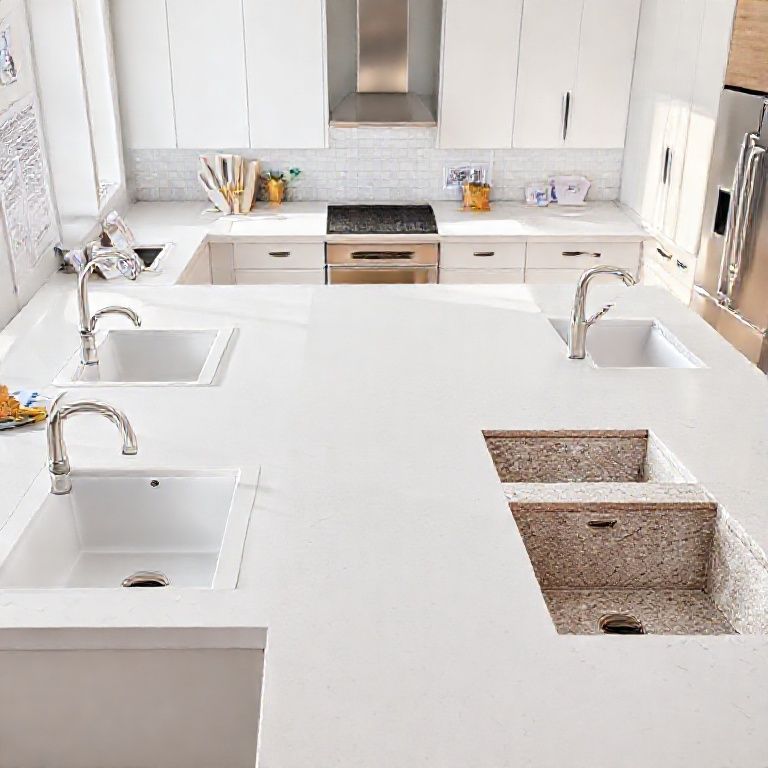
Hairline Cracks: These are small, barely visible cracks that don’t typically affect the structural integrity of the cabinet. Medium Cracks: These cracks are more noticeable and might start to impact the cabinet’s functionality. Large Cracks: These cracks are significant and can lead to severe structural damage if not repaired promptly.
Knowing the type of crack will help you determine the best course of action.
DIY Repair Methods for Minor Cracks
For minor cracks, you might be able to fix the issue yourself with a few simple materials:
Materials Needed:
Epoxy resin or wood glue A small screwdriver Fine-grit sandpaper A small brush or applicator Clean cloth
Step-by-Step Guide:
Clean the Area: Start by cleaning the area around the crack with a damp cloth to remove any dust, grease, or debris.

Prepare the Crack: Using fine-grit sandpaper, gently sand the edges of the crack to create a slight roughness, which will help the repair material adhere better.
Apply the Repair Material: For minor cracks, you can use wood glue or epoxy resin. Mix the epoxy according to the manufacturer’s instructions if it’s not premixed. Using a small brush or applicator, carefully fill the crack with the glue or epoxy. Ensure the material is evenly distributed.
Smooth the Surface: Once the material is in place, use a clean cloth to smooth out any excess. This will give you a more aesthetically pleasing finish.

Allow to Cure: Let the repair material cure according to the manufacturer’s instructions. This usually takes several hours.
Pro Tip: For best results, use a color-matched epoxy resin to ensure that the repaired area matches the rest of the countertop.
Repairing Medium Cracks
For medium cracks, the DIY approach might still work but could require a bit more effort. Here’s what you need to do:
Materials Needed:
Wood filler or wood putty Putty knife Fine-grit sandpaper Primer and paint (if the cabinet has a finish)
Step-by-Step Guide:
Clean and Sand: As with minor cracks, start by cleaning the area and sanding the edges of the crack with fine-grit sandpaper.
Apply Wood Filler: Use a putty knife to apply a thin layer of wood filler or putty into the crack. Press it in gently to fill the space completely.
Smooth and Shape: Once the filler is in place, use the putty knife to smooth and shape it to match the surrounding surface.
Sanding: After the filler has dried (usually 24 hours), sand the area with fine-grit sandpaper until it’s smooth.
Prime and Paint: If your cabinet has a finish, apply a primer to the repaired area, then paint it to match the rest of the cabinet. Allow the paint to dry completely.
Pro Tip: For a seamless finish, use a putty that matches the color and texture of your cabinet.
When to Call a Professional
While DIY methods can fix many cracked kitchen cabinet countertops, there are instances where professional help is necessary:
Large Cracks: If the crack is extensive and compromises the structural integrity of the cabinet, it’s best to call a professional.
Complex Designs: If your cabinet has intricate designs or multiple pieces, a professional can ensure that repairs are done without affecting the overall aesthetics.
Warranty Issues: If your cabinet is still under warranty, it’s often best to call the manufacturer or a certified professional to avoid voiding the warranty.
Conclusion
Fixing a cracked kitchen cabinet countertop doesn’t have to be a daunting task. With the right approach and materials, you can often repair minor and medium cracks yourself, restoring both functionality and beauty to your kitchen. For larger or more complex repairs, don’t hesitate to call in a professional. Whether you choose a DIY or professional route, ensuring your kitchen cabinets are in good shape will contribute to the overall health and beauty of your home.
Stay tuned for part 2, where we’ll delve into advanced repair techniques, preventive measures, and additional tips for maintaining your kitchen cabinets.
Part 2
Fixing a Cracked Kitchen Cabinet Countertop: A Comprehensive Guide (Continued)
Introduction
In part one, we covered the basics of identifying different types of cracks and provided DIY repair methods for minor and medium cracks in your kitchen cabinet countertops. Now, let’s delve into more advanced techniques and preventive measures to ensure your kitchen cabinets remain in top shape.
Advanced Repair Techniques for Larger Cracks
For larger cracks, several advanced methods can be employed to ensure a seamless repair. Here are some professional-grade techniques:
Materials Needed:
Wood splice kit Clamps Fine-grit sandpaper Wood stain or paint (if necessary)
Step-by-Step Guide:
Prepare the Area: Start by cleaning the area around the crack thoroughly. Remove any debris and use fine-grit sandpaper to roughen the edges of the crack.
Wood Splice Kit: Use a wood splice kit that consists of a metal sleeve and wood glue. Cut the metal sleeve to fit around the crack, ensuring it spans both sides of the break. Apply wood glue to the ends of the wood pieces on either side of the crack, then slide the metal sleeve over the glued wood and press it firmly in place.
Clamp and Cure: Use clamps to hold the metal sleeve in place while the wood glue cures. This usually takes several hours. Allow the glue to cure completely according to the manufacturer’s instructions.
Sand and Finish: Once the glue has cured, remove the clamps and sand the area smooth with fine-grit sandpaper. If necessary, stain or paint the area to match the rest of the cabinet.
Pro Tip: Always use a wood splice kit that matches the type of wood in your cabinet to ensure a seamless repair.
Preventive Measures
Preventing cracks in your kitchen cabinet countertops is always better than repairing them. Here are some tips to help you maintain your cabinets:
Avoid Dropping Heavy Objects: Never drop heavy objects on your cabinet countertop. Always place items gently on the surface.
Use Coasters and Placemats: To protect the surface from heat and moisture, always use coasters under glasses and mugs, and placemats under hot dishes.
Regular Cleaning: Clean your countertop regularly to remove spills and stains promptly. Use a mild cleaner and avoid harsh chemicals that can damage the surface.
Avoid Extreme Temperatures: Try to avoid exposing your cabinets to extreme temperatures, as this can cause the wood to expand and contract, leading to cracks.
Proper Storage: When storing items, avoid placing heavy objects directly on the countertop. Use cabinet shelves or storage bins instead.
Maintenance Tips
Regular maintenance can go a long way in preventing and fixing minor cracks in your kitchen cabinet countertops:
Wax or Oil: For wooden cabinets, apply a natural wood wax or oil periodically to keep the surface moisturized and protected.
Repair Minor Cracks Promptly: As soon as you notice a small crack, address it promptly using the methods discussed in part one. Early intervention can prevent the crack from worsening.
Inspect Regularly: Periodically inspect your cabinets for any signs of damage. Early detection can save you from more extensive repairs later on.
When to Invest in a Replacement
In some cases, despite all your efforts, the cabinet countertop might be beyond repair. Here’s when it’s worth considering a replacement:
Extensive Damage: If the crack is so severe that it compromises the structural integrity of the cabinet, it might be time to replace the countertop entirely.
Aesthetic Reasons: If the crack is too large or the damage is too extensive to match, replacing the countertop might be more practical than repairing it.
Material Limitations: For certain materials like granite or quartz, the repair options might be limited, making replacement the best choice.
Steps to Replace a Cabinet Countertop:### 如何选择和安装新的厨房橱柜台面
1. 选择合适的台面材料
石英石(Quartz) 优点: 耐刮擦、耐热、易清洁 缺点: 价格较高,安装需要专业设备 适用性: 适合追求高端、耐用台面的厨房 不锈钢 优点: 耐腐蚀、易清洁、美观 缺点: 易留下指纹和污渍 适用性: 适合现代风格厨房 人造石(Granite) 优点: 耐刮擦、耐热、美观 缺点: 重、价格较高 适用性: 适合经典、高端风格厨房 实木复合台面 优点: 自然美观、纹理独特 缺点: 易受潮、易划伤 适用性: 适合传统或乡村风格厨房 PVC或塑料台面 优点: 价格低廉、易清洁 缺点: 耐用性较差、不耐热 适用性: 适合预算有限的厨房
2. 测量和裁剪台面
测量: 用卷尺测量现有台面的长度、宽度和厚度。 标记: 在台面上标记需要切割的位置。 切割: 使用适合的切割工具(如水刀、电锯等)将台面裁剪成所需尺寸。
3. 安装台面
准备工作: 确保台面的表面干净无污渍,并检查橱柜底部是否平整。 固定台面: 使用胶水: 在台面背面涂抹适量的建筑胶,然后将台面放置在橱柜上,确保对齐。 使用螺钉: 如果台面有预留的孔位,可以使用螺钉将台面固定在橱柜上。确保螺钉不要过长,以免损坏橱柜内部。
固定边缘: 使用边栏: 如果台面边缘较宽,可以使用边栏(也称为台面边缘保护条)固定台面边缘。 使用胶水: 在台面边缘涂抹建筑胶,然后将边栏贴合台面边缘,固定住。 清理: 安装完成后,用湿布擦拭台面和边栏表面,去除多余的胶水。
4. 最后的检查和调整
安装完成后,需要仔细检查台面的平整度和牢固度。如果发现任何松动或不平整的地方,应及时进行调整。
检查边缘: 确保台面边缘紧贴橱柜,没有松动。 调整高度: 如果台面高度不符合要求,可以在橱柜底部添加或移除垫片进行调整。 清洁: 用湿布擦拭台面,确保表面干净。
5. 保养和维护
新台面虽然耐用,但仍需要定期保养和维护,以保持其美观和功能:
清洁: 使用中性清洁剂和湿布定期清洁台面,避免使用强酸强碱清洁剂。 防止划伤: 使用餐具时,尽量避免用金属勺或其他尖锐物品直接接触台面。 防止污渍: 及时清理溢出的食物和液体,以防止污渍和霉菌生长。
通过以上步骤,您可以成功修复或更换厨房橱柜台面,让您的厨房焕然一新,同时延长台面的使用寿命。如果您在任何步骤中不确定如何进行,建议寻求专业厨房装修人员的帮助。