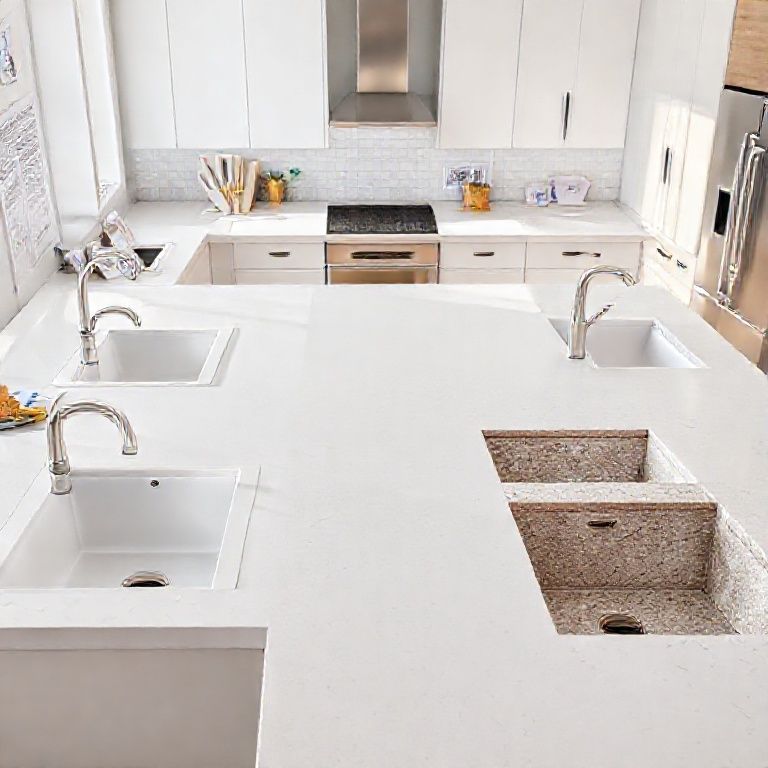
Understanding Artificial Stone Countertops and the Importance of Proper Adhesives
Artificial stone countertops have become increasingly popular due to their durability, low maintenance, and aesthetic appeal. However, like any material, they are susceptible to cracks, especially under heavy use or accidental impacts. Addressing these cracks promptly is crucial to maintaining the integrity and appearance of your countertop.
What is Artificial Stone?
Artificial stone, often referred to as composite stone or cultured stone, is made from a mixture of marble dust, quartz, or other minerals combined with a resin binder. This material is formed through a process that combines high pressure and temperature to create a solid, stone-like surface. While it’s incredibly durable and resistant to staining, it can still develop cracks over time.
Why Proper Adhesives Matter
Using the correct adhesive to repair cracks in artificial stone is essential for several reasons:
Durability: The right adhesive will provide long-lasting repairs that withstand daily use and resist cracking again. Aesthetic Appeal: A well-applied repair will blend seamlessly with the countertop, maintaining the stone’s appearance. Functionality: Proper repairs ensure that the countertop continues to serve its intended purpose without any functional issues.
Common Adhesives for Artificial Stone Crack Repair
When it comes to repairing cracks in artificial stone countertops, not all adhesives are created equal. Here’s a closer look at some of the best options available:
1. Epoxy Adhesives
Epoxy adhesives are a popular choice for repairing cracks in artificial stone due to their strong bonding properties and resistance to moisture and chemicals. These adhesives are two-part systems that require mixing before application, ensuring a high-quality bond. Epoxies are particularly effective for larger cracks and provide excellent durability.
Key Benefits:
Strong, durable bond High resistance to moisture and chemicals Excellent for larger cracks
2. Polyurethane Sealant
Polyurethane sealants are another excellent option for repairing cracks in artificial stone. These sealants are flexible and can accommodate minor movements in the countertop, making them suitable for areas where some shifting might occur.
Key Benefits:
Flexible and adaptable to minor movements Good for smaller cracks Long-lasting and resistant to wear
3. Silicone Sealant
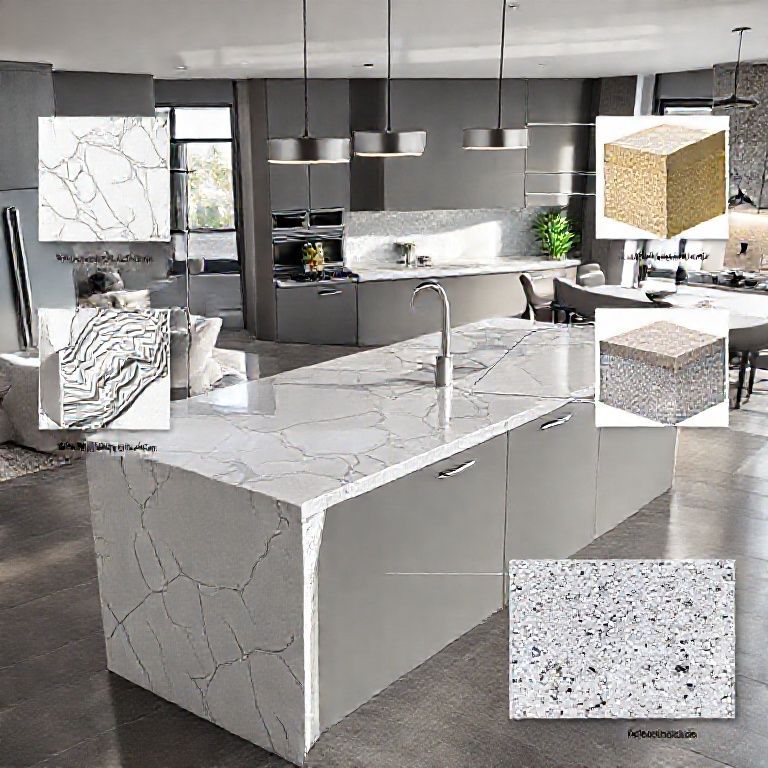
Silicone sealants are known for their flexibility and resistance to temperature changes, making them ideal for repairing hairline cracks in artificial stone. They provide a strong bond and can be used in both wet and dry conditions.
Key Benefits:
Highly flexible Excellent temperature resistance Good for small, hairline cracks
Selecting the Right Adhesive
Choosing the right adhesive depends on several factors, including the size and type of crack, the specific material of the countertop, and the intended use of the space. Here are some tips to help you make the best choice:
Assess the Crack: Determine the size and depth of the crack. Larger cracks may require a stronger adhesive like epoxy, while smaller cracks might benefit from a polyurethane or silicone sealant.
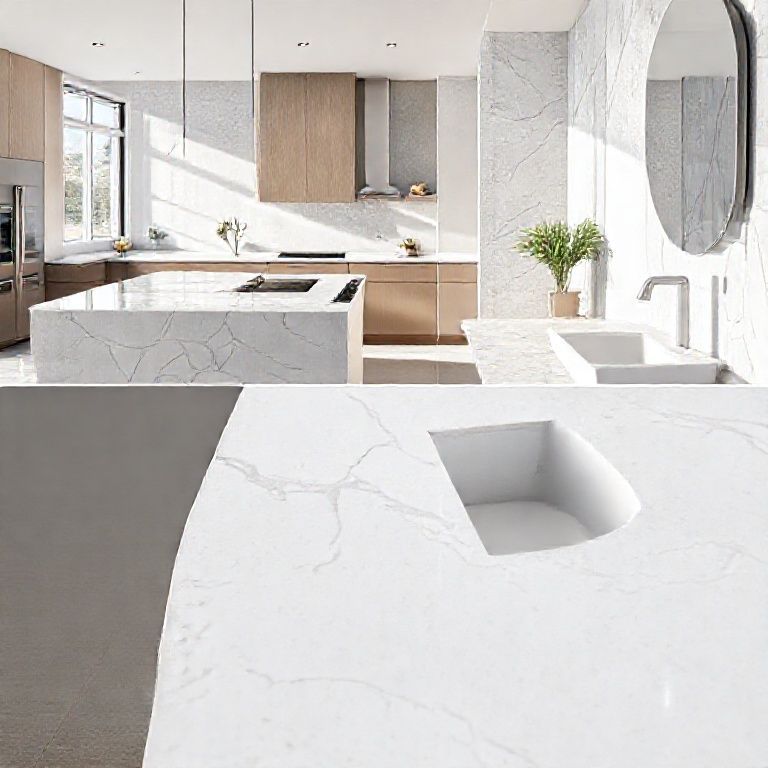
Material Compatibility: Ensure the adhesive is compatible with your specific type of artificial stone. Some adhesives are designed specifically for certain materials.
Consider the Environment: If your countertop is in a high-moisture area, choose an adhesive with high moisture resistance. For areas exposed to frequent temperature changes, opt for a flexible sealant.
Preparing Your Countertop for Repair
Before applying any adhesive, proper preparation is crucial to ensure a successful repair. Here’s how to prepare your artificial stone countertop:
Clean the Area: Thoroughly clean the cracked area with a mild detergent and water to remove any dirt, grease, or debris. Allow the area to dry completely.
Sand the Crack: Use fine-grit sandpaper to gently sand the edges of the crack. This helps the adhesive to grip the surfaces better.
Inspect the Crack: Make sure there are no loose fragments or debris in the crack. Remove any particles to ensure a clean bond.
Applying the Adhesive
Once your countertop is prepped, you’re ready to apply the adhesive. Here’s a step-by-step guide:
Mix the Adhesive: If using an epoxy or polyurethane adhesive, follow the manufacturer’s instructions for mixing. Ensure a consistent consistency for easy application.
Apply the Adhesive: Use a putty knife or a small applicator tool to apply the adhesive to the crack. Make sure to fill the crack completely, extending the adhesive slightly beyond the crack edges for a stronger bond.
Smooth the Surface: Gently smooth the adhesive with a clean cloth or applicator to remove any air bubbles and ensure a seamless finish.
Cure the Adhesive: Allow the adhesive to cure according to the manufacturer’s instructions. This may involve leaving it undisturbed for a specific period.
Final Inspection: Once cured, inspect the repair to ensure it is seamless and durable.
Advanced Techniques and Maintenance Tips for Artificial Stone Countertop Repairs
After understanding the basics of repairing cracks in artificial stone countertops, it’s important to explore advanced techniques and maintenance tips to ensure long-lasting results and prevent future damage.
Advanced Repair Techniques
For more complex repairs or larger cracks, consider these advanced techniques:
1. Crack Injection
Crack injection is a specialized method for repairing deep or extensive cracks. This technique involves using a specialized injection adhesive that is injected directly into the crack under pressure. This ensures a deep, thorough bond and is particularly effective for cracks that are difficult to reach.
Steps:
Clean and Prep: Thoroughly clean and prepare the area around the crack. Inject the Adhesive: Use a crack injection tool to inject the adhesive into the crack under pressure. Cure and Finish: Allow the adhesive to cure and then smooth the surface as needed.
2. Chip Carving
Chip carving involves removing small pieces of artificial stone from the surrounding area to create a clean, defined edge around the crack. This technique is often used in conjunction with adhesive repair to create a seamless finish.
Steps:
Remove Debris: Carefully remove any loose material around the crack. Create a Clean Edge: Use a small chisel or similar tool to chip away at the stone, creating a clean edge around the crack. Apply Adhesive: Apply the adhesive to the crack and smooth it into the cleaned edge. Cure and Finish: Allow the adhesive to cure and then smooth the surface.
Maintenance Tips
To ensure your artificial stone countertop remains in excellent condition and repairs last longer, follow these maintenance tips:
1. Regular Cleaning
Regular cleaning is essential to prevent stains and damage. Use a mild detergent and a soft cloth to clean your countertop regularly. Avoid using abrasive cleaners or scrubbers that can scratch the surface.
2. Immediate Repair
Address any cracks or chips immediately to prevent them from worsening. Small cracks can become larger if left unattended, making repairs more complicated and costly.
3. Protective Covers
For countertops in high-traffic areas or kitchens, consider using protective covers or pads under items that are frequently placed on the surface. This can help prevent accidental impacts that lead to cracks.
4. Temperature Control
Artificial stone can be sensitive to extreme temperature changes. Avoid placing hot pots or pans directly on the surface, and use trivets or pot holders to prevent thermal shock.
5. Sealing
While artificial stone does not require frequent sealing like natural stone, it’s a good idea to apply a clear sealant periodically to maintain its surface and protect against stains and scratches.
Conclusion
Repairing cracks in artificial stone countertops is a task that can be easily managed with the right adhesive and techniques. By understanding the types of adhesives available, preparing your countertop properly, and following advanced repair techniques when necessary, you can restore your countertop to its original beauty and functionality.
Regular maintenance is key to preventing future damage and ensuring that repairs hold up over time. With these tips and the right products, you can keep your artificial stone countertops looking pristine and durable for years to come.
By following this comprehensive guide, you’ll be well-equipped to tackle any crack in your artificial stone countertop with confidence, ensuring it remains a beautiful and functional centerpiece in your home.