The Superior Durability of Artificial Quartz Countertops
Artificial quartz countertops have revolutionized modern kitchen and bathroom design, offering a blend of beauty, functionality, and durability. Known for their remarkable resistance to scratches, stains, and heat, these countertops have become a favorite among homeowners and designers alike. But how long can you actually expect these stunning surfaces to last? Let’s delve into the details.

What is Artificial Quartz?
Artificial quartz, often referred to simply as quartz, is a man-made composite material made from 90% pure quartz sand and 10% resin binder. This high-performance material is engineered to mimic the look and feel of natural stone while offering superior durability and versatility. Quartz countertops are available in a vast array of colors and patterns, allowing for endless customization possibilities.
The Lifespan of Artificial Quartz Countertops
The longevity of artificial quartz countertops hinges on several key factors:
1. Quality of Material
High-quality quartz is inherently more durable than lower-grade alternatives. Manufacturers like Cosentino, which produces the popular Silestone brand, invest heavily in refining the material to ensure it withstands daily wear and tear. Investing in top-tier quartz can significantly extend the lifespan of your countertops.
2. Installation and Maintenance
Proper installation by skilled professionals is crucial to ensuring that your quartz countertop is securely fastened and free from potential points of weakness. Regular maintenance, such as cleaning with appropriate products and sealing the surface periodically, also plays a critical role in maintaining the integrity of the quartz.
3. Usage Patterns
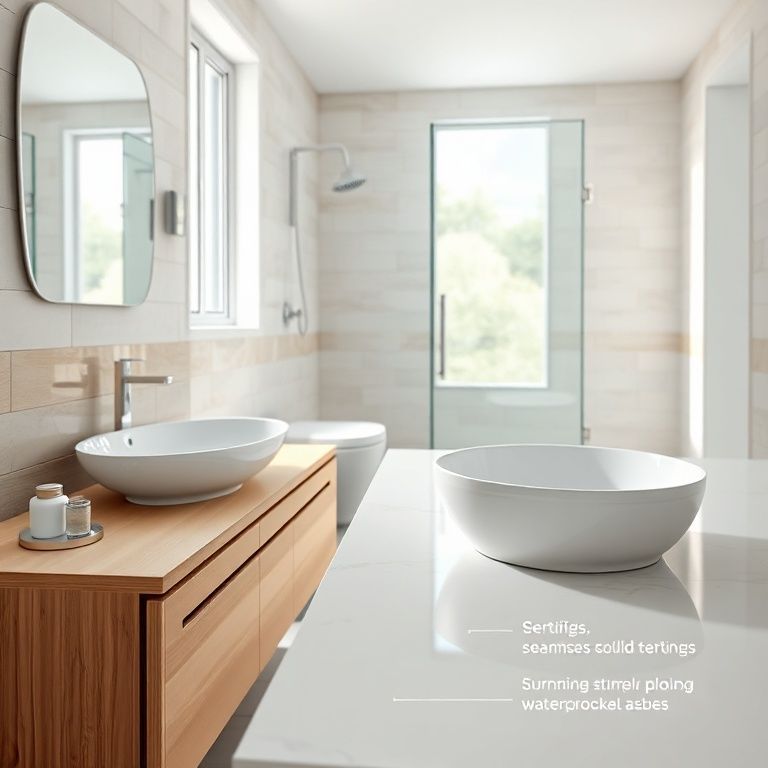
The way you use your quartz countertop can impact its longevity. Quartz is highly resistant to scratches, stains, and heat, but it can still be susceptible to impacts from heavy objects or sharp tools. Using cutting boards, pot holders, and other protective measures can help prevent damage.
4. Environmental Factors
Environmental conditions such as humidity and temperature can affect the longevity of quartz countertops. While quartz is generally resilient, extreme temperature fluctuations and high humidity levels can cause minor warping or discoloration over time. Ensuring that your kitchen or bathroom is well-ventilated can mitigate these risks.
Maximizing the Lifespan of Your Quartz Countertops
To get the most out of your investment in artificial quartz countertops, consider the following tips:
1. Use Cutting Boards and Pads
Always use cutting boards to prevent scratches and cuts from dull knives. Similarly, pot holders or trivets can protect your quartz from hot pots and pans.
2. Clean Regularly
Use mild soap and water for regular cleaning. Avoid abrasive cleaners or sponges that can scratch the surface. For tougher spots, a specialized quartz cleaner can be used sparingly.
3. Seal Periodically
Although quartz is highly resistant to stains, sealing the surface periodically can add an extra layer of protection. This is especially important if you have pets or frequently cook.
4. Avoid Extreme Impacts
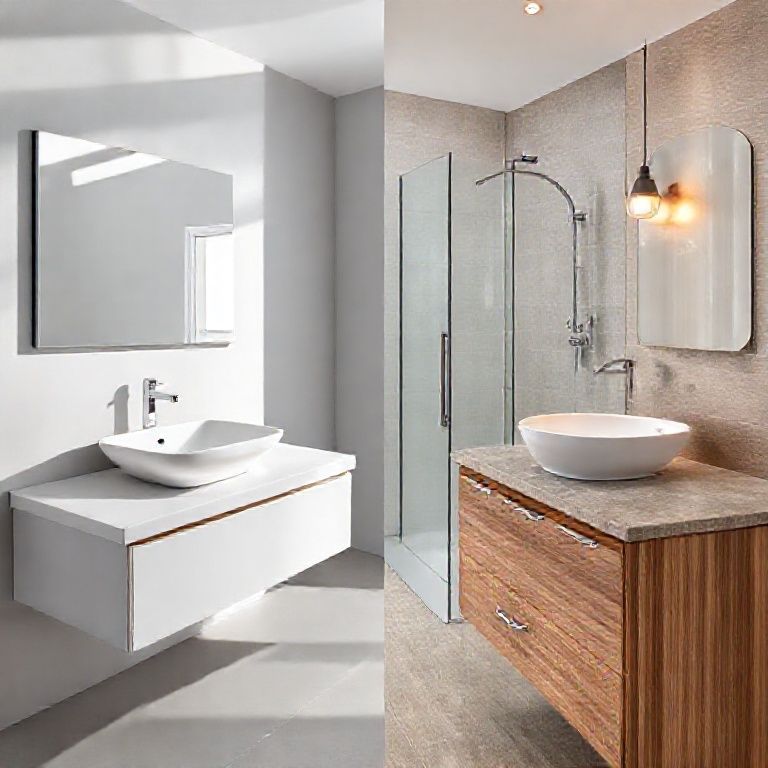
Try to avoid dropping heavy objects on your quartz countertop. If an impact does occur, assess the damage and consider professional repair services if necessary.
5. Regular Maintenance
Schedule regular maintenance checks to ensure that the surface remains clean and free from any minor scratches or marks that could escalate over time.
Common Myths About Quartz Countertops
It’s important to dispel some common myths to better understand the true durability of quartz:
Myth: Quartz is as fragile as natural stone.
Reality: Quartz is actually more durable than many types of natural stone. It’s resistant to scratches, stains, and even most forms of bacteria, making it a robust choice for high-traffic areas.
Myth: Quartz requires a lot of maintenance.
Reality: While regular cleaning and periodic sealing are beneficial, quartz requires significantly less upkeep compared to other countertop materials like granite or marble.
Myth: Quartz can’t be repaired.
Reality: While quartz is highly resistant to damage, minor scratches or chips can be repaired by professionals using specialized techniques.
Conclusion
Artificial quartz countertops are an excellent choice for those seeking a durable, low-maintenance, and aesthetically pleasing surface for their kitchen or bathroom. With proper care and maintenance, these countertops can last for decades, providing a stunning and functional space for years to come.
Stay tuned for Part 2, where we will dive deeper into the specific maintenance routines and advanced care tips to ensure your quartz countertops remain in pristine condition.
Advanced Care Tips for Prolonging the Lifespan of Your Artificial Quartz Countertops
In the first part of our guide, we explored the durability and longevity of artificial quartz countertops. Now, let’s delve deeper into advanced care tips and maintenance routines that can help you keep your quartz countertops in pristine condition for as long as possible.
Advanced Cleaning Techniques
1. Deep Cleaning
While regular cleaning is essential, there are times when a deeper clean is necessary, particularly if your quartz countertop has accumulated stubborn grime or tough stains. Here’s a simple yet effective deep cleaning routine:
Materials Needed:
Mild dish soap Warm water Soft sponge or cloth Baking soda (optional)
Steps:
Mix a small amount of mild dish soap with warm water. Dampen a soft sponge or cloth with the soapy water and gently scrub the surface of the quartz. For tougher stains, sprinkle a bit of baking soda on a damp cloth and gently scrub the affected area. Rinse the countertop with clean water and dry with a clean, soft cloth.
2. Specialized Cleaners
For routine maintenance, using a specialized quartz cleaner can help keep the surface looking its best. These cleaners are formulated to cut through grease and grime without scratching the surface. Always follow the manufacturer’s instructions for the best results.
Repairing Minor Damages
While quartz is highly resistant to scratches and chips, minor damages can still occur. Here’s how to handle some common issues:
1. Minor Scratches
Minor scratches can often be minimized with a bit of elbow grease:
Materials Needed:
Polishing wax or a quartz scratch remover Soft cloth
Steps:
Apply a small amount of polishing wax or scratch remover to a soft cloth. Gently rub the scratch in a circular motion until the scratch is less noticeable. Wipe off any residue with a clean cloth.
2. Chips and Cracks
For small chips or cracks, a professional repair service is recommended. These services often use advanced techniques to fill in the damage and restore the surface to its original appearance.
Sealing Your Quartz Countertop
Sealing is an important maintenance step that adds an extra layer of protection to your quartz countertop. Here’s how to properly seal your quartz:
1. Choosing the Right Sealer
Select a high-quality quartz sealer that is compatible with your specific type of quartz countertop. Follow the manufacturer’s guidelines for the best results.
2. Applying the Sealer
Materials Needed:
Quartz sealer Soft cloth or brush Protective gloves
Steps:
Put on protective gloves to avoid direct contact with the sealer. Apply the sealer using a soft cloth or brush, following the manufacturer’s instructions. Allow the sealer to dry completely before using the countertop. Wipe off any excess sealer with a clean cloth.
Regular Maintenance Routine
A consistent maintenance routine can go a long way in prolonging the lifespan of your quartz countertops. Here’s a simple weekly and monthly checklist:
Weekly Maintenance
Clean with Mild Soap: Use mild dish soap and a soft cloth to wipe down the surface. Avoid Abrasive Cleaners: Stick to non-abrasive cleaning products to prevent scratches.
Monthly Maintenance
Deep Clean: Perform a deep clean using the techniques described earlier. Inspect for Damage: Check for any minor scratches or chips and address them promptly. Seal the Surface: If recommended by the manufacturer, apply a fresh coat of sealer.
Addressing Tough Stains
Sometimes, stains can be more stubborn and require more effort to remove:
1. Acidic Stains
For acidic stains like wine or juice, a mixture of equal parts water and white vinegar can be effective:
Materials Needed:
White vinegar Water Soft cloth
Steps:
通用建议:
设定明确的目标:
SMART原则:确保你的目标是具体的(Specific)、可衡量的(Measurable)、可实现的(Achievable)、相关的(Relevant)和有时限的(Time-bound)。 例如,如果你的职业目标是提升自己的技能,可以设定一个具体的目标,比如“在六个月内完成一门编程课程并获得证书”。
制定详细的计划:
分解目标:将大目标分解为小步骤,这样每一步都是可管理的。 时间管理:为每个步骤分配具体的时间框架,并在日程表中安排。
持续学习和自我提升:
阅读、在线课程、研讨会和工作坊都是有效的学习途径。 定期反思和调整学习计划,确保它与目标保持一致。
建立和利用网络:
与行业内的专业人士建立联系,参加相关活动和会议。 寻求导师或教练的指导,可以帮助你更快地实现目标。
保持积极的心态和自律:
保持积极的心态,对挑战保持开放的态度。 自律是实现目标的关键,要坚持每日或每周的小目标。
监控进度和调整策略:
定期检查自己的进度,看看是否需要调整计划。 根据新的信息和反馈,灵活调整你的策略。
具体领域的建议:
职业发展:
职业规划:
了解自己的兴趣和优势,选择一个适合自己的职业方向。 设定短期和长期职业目标,如晋升、转行等。
技能提升:
识别需要提升的关键技能,并制定相应的学习计划。 寻找机会实践这些技能,比如项目、志愿工作或实习。
职场表现:
提高工作效率和质量,积极参与团队合作。 定期与上级沟通,了解自己的表现并寻求反馈和改进建议。
个人生活:
健康与健身:
制定一个健康的饮食计划,保持均衡的营养摄入。 每周安排固定的运动时间,如跑步、瑜伽或健身。
心理健康:
学习放松和减压的方法,如冥想、深呼吸练习。 保持社交联系,与朋友和家人保持沟通。
兴趣与爱好:
投入时间发展自己的兴趣爱好,如阅读、绘画、音乐等。 通过兴趣爱好寻找新朋友和机会。
如果你有特定的目标或问题,欢迎详细说明,我可以提供更有针对性的建议。