Unveiling the Mystery of Synthetic Marble Radiation
Introduction:
In the world of modern materials, synthetic marble stands out as a stunning, durable, and versatile alternative to traditional stone. Its widespread use in countertops, tabletops, and other decorative surfaces speaks volumes about its popularity and appeal. However, a lingering question that often arises is: “How long does the radiation of synthetic marble last?” In this first part of our two-part series, we’ll explore the science behind synthetic marble, the nature of its radiation, and the factors that influence its longevity.
Understanding Synthetic Marble:
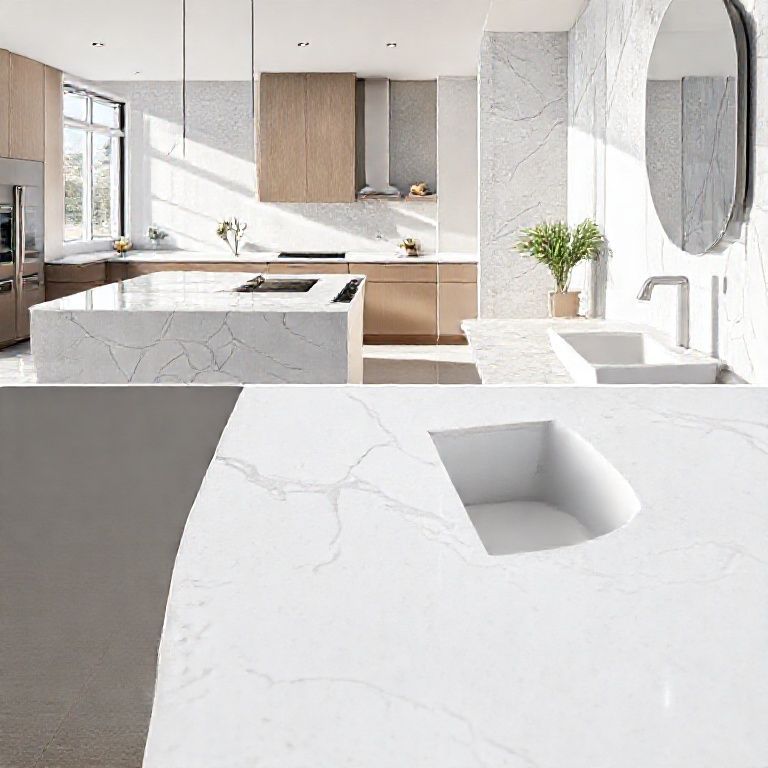
Synthetic marble, also known as artificial marble or cultured stone, is a composite material made from a mixture of minerals, resins, and pigments. It is formed by combining these ingredients under high pressure and temperature, resulting in a material that closely mimics the appearance and texture of natural marble. Despite its name, synthetic marble is not radioactive by nature; it derives its “marble-like” appearance through a meticulous process of color and texture simulation.
The Nature of Radiation in Synthetic Marble:
When discussing radiation in synthetic marble, it’s essential to clarify that we’re not referring to the ionizing radiation often associated with hazardous materials. Instead, the term here pertains to the low-level radiation that can emanate from certain materials due to their mineral content.
Synthetic marble typically contains materials such as limestone, marble dust, and resins. These components can include trace amounts of naturally occurring radioactive materials (NORM), such as uranium, thorium, and potassium. When these materials undergo the manufacturing process, they may release low levels of radiation. However, it’s important to note that this radiation is extremely low and generally poses no significant health risk to consumers.
Factors Influencing Radiation Levels:
Several factors influence the radiation levels in synthetic marble:
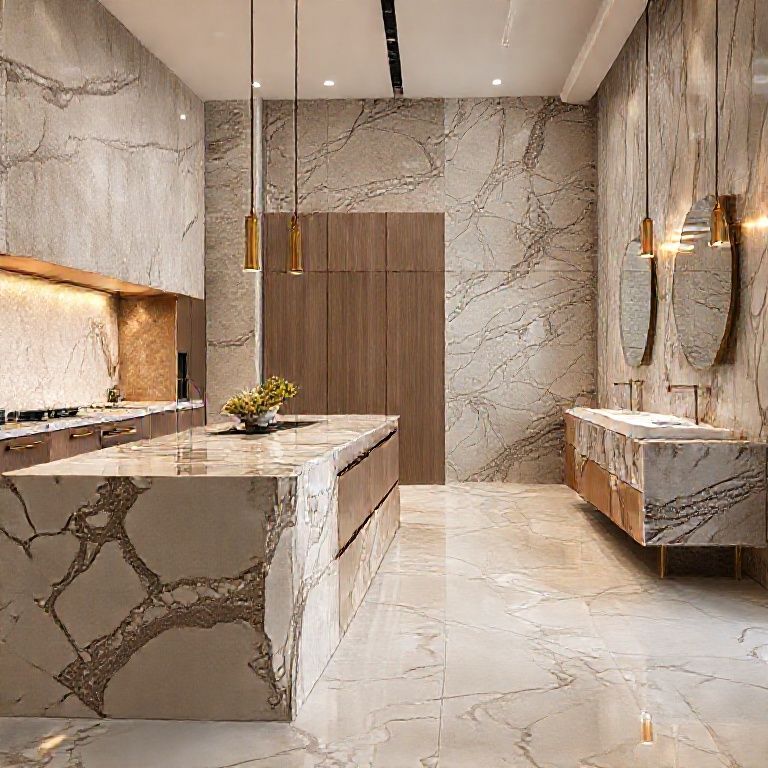
Material Composition: The specific blend of minerals and resins used in the manufacturing process can impact radiation levels. Different suppliers may use varying proportions of materials that contain trace amounts of radioactive elements.
Manufacturing Process: The conditions under which synthetic marble is formed—such as temperature and pressure—can affect how the materials interact, potentially influencing radiation emissions.
Exposure Time: Like any material that contains trace amounts of radioactive elements, the longer it’s in use, the more it can emit radiation. However, the levels remain within safe limits set by regulatory bodies.

Regulations and Safety Standards:
Regulatory agencies worldwide, including the Environmental Protection Agency (EPA) in the United States and similar organizations in other countries, have established guidelines to ensure that synthetic marble and other materials are safe for consumer use. These guidelines stipulate maximum permissible levels of radiation emissions, ensuring that products on the market do not pose undue health risks.
Addressing Concerns:
For those particularly concerned about radiation levels, there are several steps you can take:
Research Suppliers: Opt for reputable manufacturers who adhere to strict safety standards and provide detailed information about their materials and processes.
Regular Monitoring: While continuous monitoring of radiation levels in everyday items is not practical, periodic checks can be done by professionals to ensure compliance with safety standards.
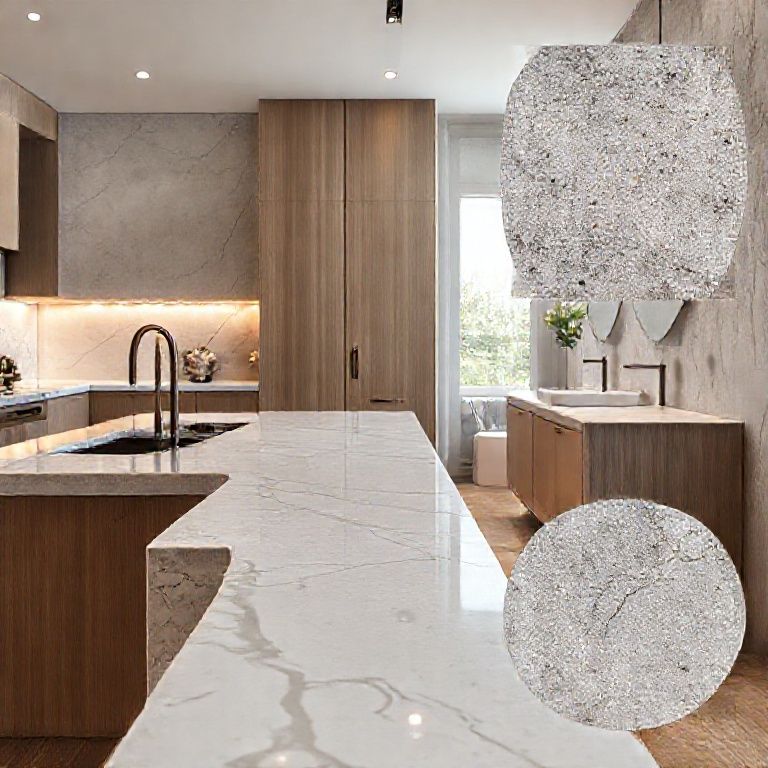
Proper Ventilation: Ensuring that spaces where synthetic marble is installed are well-ventilated can help disperse any potential radiation emissions.
Conclusion:
Understanding the radiation levels in synthetic marble is crucial for making informed decisions about its use in various applications. While the radiation emitted by synthetic marble is low and generally safe, being aware of the factors that influence it can help ensure that you’re using this material responsibly. In the next part of this series, we will delve deeper into how long the radiation of synthetic marble can last and the long-term effects of its use. Stay tuned for more insights into this intriguing subject.
Long-Term Effects and Radiation Duration of Synthetic Marble
Introduction:
As we continue our exploration into the fascinating world of synthetic marble, it’s essential to address one of the most pressing questions: “How long does the radiation of synthetic marble last?” In this second part of our two-part series, we will delve into the long-term effects of synthetic marble radiation and provide a comprehensive understanding of its duration.
Long-Term Effects of Synthetic Marble Radiation:
To understand the long-term effects of synthetic marble radiation, it’s important to first recognize that the radiation levels in synthetic marble are extremely low and within safe limits. Here’s a closer look at what this means for users and consumers:
Minimal Health Impact: The radiation emitted from synthetic marble is minimal and does not pose a significant health risk. Regulatory bodies around the world have set stringent guidelines to ensure that synthetic marble products meet safety standards. These guidelines dictate the maximum allowable radiation levels, which are far below those that could cause adverse health effects.
Material Stability: Synthetic marble is a stable material that does not significantly change its radiation levels over time. Once manufactured, the material’s composition remains relatively consistent, meaning that radiation emissions remain low and constant.
Environmental Impact: The environmental impact of synthetic marble’s radiation is negligible. The low levels of radiation released do not contribute to any significant environmental contamination or health hazards.
Duration of Synthetic Marble Radiation:
The duration of synthetic marble radiation can be understood in the context of the material’s lifespan and the constant, low-level emissions it produces:
Lifespan of Synthetic Marble: Synthetic marble is known for its durability and longevity. With proper maintenance, it can last for decades, providing a stable and attractive surface in homes, offices, and commercial spaces. Throughout this extended period, the radiation levels remain consistent and within safe limits.
Continuous Low-Level Emissions: Synthetic marble emits radiation continuously, but this radiation remains at low levels. The material’s stable composition ensures that these emissions do not increase over time. Thus, the duration of radiation from synthetic marble can be considered indefinite, as long as the material is in good condition.
Comparative Analysis:
To put the radiation from synthetic marble into perspective, let’s compare it to other common materials and natural sources:
Natural Sources: Natural sources such as the earth’s crust and air contain trace amounts of radioactive materials. For instance, radon gas, which is a naturally occurring radioactive gas, is a known health risk. However, synthetic marble’s radiation levels are far below those from natural sources.
Building Materials: Many building materials, including certain types of bricks, tiles, and even concrete, can contain trace amounts of radioactive materials. However, synthetic marble’s radiation levels are typically lower than these materials.
Consumer Products: Some consumer products, such as certain types of electronics and medical devices, may emit radiation as part of their operation. However, synthetic marble’s radiation levels are negligible in comparison.
Regulatory Oversight and Compliance:
To ensure that synthetic marble remains a safe material for use, regulatory bodies worldwide enforce strict compliance standards. These standards include:
Testing and Certification: Manufacturers are required to conduct thorough testing to measure radiation levels in their products. These tests are performed at various stages of production to ensure that radiation levels remain within acceptable limits.
Documentation: Manufacturers must provide detailed documentation to regulatory bodies, including information on material composition, radiation levels, and adherence to safety standards.
Consumer Information: Suppliers often provide detailed information to consumers about the radiation levels in their products, helping buyers make informed decisions.
Addressing Long-Term Use Concerns:
For those who remain concerned about the long-term use of synthetic marble, here are some additional considerations:
Transparency: Reputable manufacturers are transparent about the radiation levels in their products. They provide detailed information and are open to questions about their materials and processes.
Expert Consultation: For specific concerns, consulting with experts in material science or radiation safety can provide additional reassurance and insights.
Periodic Evaluations: While continuous monitoring of radiation levels in everyday items is impractical, periodic evaluations by professionals can help ensure ongoing compliance with safety standards.
Conclusion:
The radiation from synthetic marble is minimal and does not pose a significant health risk. Understanding the duration and long-term effects of this radiation helps dispel myths and provides clarity on the safety of synthetic marble as a material. With proper use and adherence to regulatory standards, synthetic marble remains a durable and attractive choice for various applications. As we’ve explored, synthetic marble’s radiation levels are consistent and safe throughout its extended lifespan. By staying informed and choosing reputable products, consumers can confidently use synthetic marble in their homes and businesses.
In summary, synthetic marble’s radiation is a subject of minimal concern, and its long-term use does not pose significant health risks. With a deeper understanding of the material’s properties and the regulatory framework in place, we can appreciate the benefits of synthetic marble while ensuring safety and peace of mind.