How Much Does It Cost to Reface a Kitchen Countertop?
In the dynamic world of home renovation, kitchen remodeling stands out as one of the most transformative projects. Among the many aspects of kitchen makeover, replacing or refacing a kitchen countertop is often at the forefront due to its immediate impact on the overall aesthetic and functionality of the space. But how much does it cost to reface a kitchen countertop? This question encompasses a myriad of factors, ranging from the type of material to the level of craftsmanship involved. Let’s dive into the details to provide you with a comprehensive understanding of kitchen countertop replacement costs.

Understanding Kitchen Countertop Materials
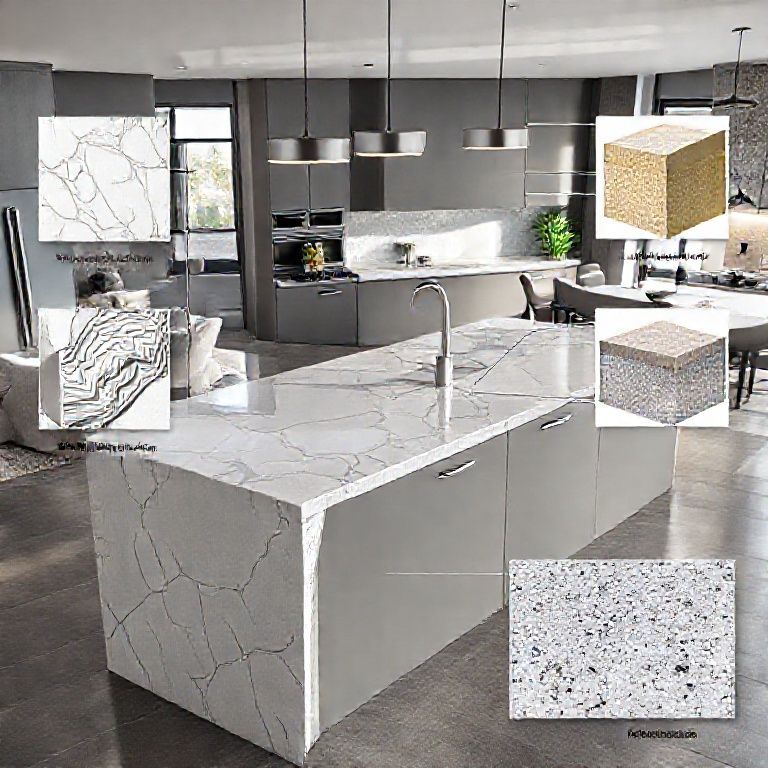
The first and most crucial factor in determining the cost of refacing a kitchen countertop is the material you choose. Kitchen countertops come in a variety of materials, each with its unique set of benefits, costs, and maintenance requirements. Here’s a breakdown:
Quartz: Known for its durability and low maintenance, quartz countertops are among the most popular choices. They are highly resistant to stains, scratches, and heat, making them an excellent choice for high-traffic areas. However, the cost can range from $60 to $140 per square foot, depending on the design and complexity of the installation.
Granite: Granite countertops are renowned for their beauty and strength. While they offer a stunning, natural look, they come at a higher price, typically between $70 and $200 per square foot. The cost can escalate further if custom designs or intricate patterns are involved.

Marble: For those seeking a luxurious, classic look, marble countertops are a fantastic choice. However, they require more maintenance and can be more expensive, with costs ranging from $100 to $300 per square foot. Given their susceptibility to stains and etching, it’s crucial to choose high-quality marble and consider sealing it regularly.
Slate: Slate countertops offer a unique, textured appearance that is both modern and timeless. They are highly durable but can be costly, with prices typically ranging from $80 to $200 per square foot. Slate slabs can also be quite heavy, necessitating professional installation.
Laminate: For a budget-friendly option, laminate countertops are a practical choice. They are relatively inexpensive, usually costing between $15 and $30 per square foot. While they are easier to install and less prone to scratches, they lack the durability and aesthetic appeal of natural stone options.

Solid Surface: Solid surface materials like Corian and Silestone blend durability with design flexibility. They are often used for their resistance to scratches and stains. Costs range from $40 to $120 per square foot, depending on the intricacy of the design and the labor involved.
Labor Costs and Professional Expertise
The cost to reface a kitchen countertop is not solely dependent on the material. Labor costs and the expertise of the professionals involved play a significant role. Here’s what you need to know:
Installation Costs: The complexity of the installation process can greatly influence labor costs. For instance, replacing an existing countertop with a new one involves dismantling the old surface, which can add to the overall cost. Typically, labor costs range from $200 to $500 for basic installation, but this can increase to $1,000 or more for intricate designs or when working with heavy materials like marble or slate.

Professional Expertise: Hiring experienced professionals ensures a smooth installation process and a high-quality finish. Reputable contractors often charge hourly rates, which can vary based on their skill level and location. Rates typically range from $75 to $150 per hour, but it’s essential to get quotes from multiple contractors to ensure you’re getting a fair price.
Design and Customization
The design and customization of your kitchen countertop also impact the overall cost. Here are some elements to consider:
Custom Shapes and Patterns: If you opt for custom shapes or intricate patterns, the design complexity will add to the cost. Custom designs require additional time and skill from the installer, often resulting in higher expenses.
Edge Treatments: Different edge treatments like bullnose, rounded, or flat edges can influence the cost. While flat edges are the most straightforward and affordable, bullnose or rounded edges add a touch of elegance and require more precision in cutting and installation.
Color and Finish: The color and finish of your countertop can also affect the price. High-quality finishes that resist stains and scratches are worth the extra cost, providing longevity and maintaining the countertop’s appearance.
Additional Costs to Consider
Several other factors can influence the total cost of refacing a kitchen countertop:
Permits and Fees: Depending on your location, you may need to obtain permits for kitchen renovations. These fees vary widely based on local regulations and can add to your overall project cost.
Delivery and Disposal: The cost of delivering the new countertop materials to your home and the disposal of the old countertop should also be factored into your budget. Delivery fees can range from $50 to $200, depending on the distance and weight of the materials.
Unexpected Repairs: Sometimes, underlying issues with the cabinetry or other parts of the kitchen may be discovered during the countertop replacement process. Unexpected repairs can add to the overall cost, so it’s wise to have a contingency budget in place.
Conclusion
Refacing a kitchen countertop is a significant investment that can dramatically enhance the look and functionality of your culinary space. The cost varies widely based on material choices, labor, design complexity, and additional factors like permits and disposal fees. By understanding these elements, you can make informed decisions that align with your budget and aesthetic preferences.
In the next part of our exploration, we’ll delve deeper into the benefits of refacing a kitchen countertop, the process of selecting a contractor, and how to ensure a seamless renovation experience. Stay tuned for more insights into transforming your kitchen into a stunning, functional space!
How Much Does It Cost to Reface a Kitchen Countertop? (Continued)
In the previous section, we covered the primary factors influencing the cost of refacing a kitchen countertop. Now, let’s delve deeper into the benefits of this renovation, the process of selecting the right contractor, and how to ensure a seamless and successful kitchen makeover.
The Benefits of Refacing a Kitchen Countertop
Refacing a kitchen countertop offers numerous advantages that make it a worthwhile investment. Here’s a closer look at the benefits:
Aesthetic Appeal: One of the most immediate and noticeable benefits is the enhanced aesthetic appeal. A new countertop can completely transform the look of your kitchen, giving it a fresh, modern, and professional appearance. Whether you opt for sleek, contemporary designs or classic, timeless styles, a new countertop can elevate the overall design of your kitchen.
Durability and Longevity: Many refacing materials, such as quartz, granite, and solid surfaces, are highly durable and long-lasting. They are resistant to stains, scratches, and heat, which means they can withstand the daily wear and tear of a busy kitchen. This durability translates to a longer lifespan for your countertop, reducing the need for frequent replacements.
Ease of Maintenance: Certain refacing materials offer low-maintenance options, making them ideal for busy households. For example, quartz and solid surface countertops are easy to clean and require minimal upkeep. This ease of maintenance can save you time and effort, allowing you to enjoy your kitchen without the hassle of constant cleaning.
Value Addition: Refacing your kitchen countertop can add significant value to your home. According to real estate trends, kitchens with updated countertops tend to attract higher offers from buyers. Investing in a new countertop can enhance your home’s resale value, making it a smart decision if you plan to sell in the future.
Customization: With a wide range of materials, colors, and designs available, you can customize your kitchen countertop to perfectly match your style and preferences. Whether you desire a sleek, minimalist look or a rich, ornate design, there are options to suit any taste.
Selecting the Right Contractor
Choosing the right contractor is crucial for ensuring a successful kitchen countertop reface project. Here’s a step-by-step guide to help you select the best professional for the job:
Research and Referrals: Start by researching local contractors who specialize in kitchen renovations. Ask for referrals from friends, family, or neighbors who have recently undergone a similar project. Online reviews and ratings can also provide valuable insights into the contractor’s reputation and quality of work.
Credentials and Experience: Look for contractors with the necessary credentials and experience in kitchen countertop refacing. Check their licenses, insurance, and any relevant certifications. Experienced contractors are more likely to handle the project efficiently and deliver high-quality results.
Portfolio and Samples: Request to see the contractor’s portfolio and previous work samples. This will give you a sense of their style, quality of workmanship, and the types of materials they use. Pay attention to the details and how well the finished products match your expectations4. Interview and Consultation: Schedule interviews or consultations with potential contractors. Discuss your project in detail, including your design preferences, budget, and timeline. Ask about their approach to the project, the materials they recommend, and the estimated cost and duration of the work.
Cost Estimates and Contracts: Obtain detailed cost estimates from multiple contractors and compare them. Ensure that the estimates include all potential costs, such as materials, labor, permits, and disposal fees. Review and negotiate the contract carefully, making sure all terms and conditions are clearly outlined.
Check References and Reviews: Before finalizing your choice, check the contractor’s references and read additional reviews to ensure they have a history of satisfied clients and successful projects.
Ensuring a Seamless Renovation Experience
To ensure a smooth and successful kitchen countertop reface project, follow these best practices:
Clear Communication: Maintain clear and open communication with your contractor throughout the process. Provide detailed instructions and feedback to ensure they understand your vision and preferences.
Detailed Planning: Plan your project meticulously. Discuss your design ideas, timeline, and budget in detail from the outset. This will help prevent misunderstandings and ensure that the project stays on track.
Timely Payments: Schedule timely payments as agreed in the contract. This helps maintain a good relationship with the contractor and ensures they can plan their work schedule effectively.
Inspect the Work: Regularly inspect the work being done to ensure it meets your expectations and the quality standards discussed. Address any issues promptly to avoid delays.
Post-Installation Care: After the installation is complete, follow any care instructions provided by the contractor to ensure the longevity and beauty of your new countertop. Regular maintenance, such as cleaning and sealing, will help preserve its appearance and durability.
Conclusion
Refacing a kitchen countertop is a significant investment that can greatly enhance both the functionality and aesthetic appeal of your kitchen. By understanding the costs involved, carefully selecting a qualified contractor, and following best practices for project management, you can ensure a successful renovation that meets your expectations and provides long-lasting benefits.
In conclusion, investing in a new kitchen countertop is not just about aesthetics; it’s about creating a space that is both functional and enjoyable for years to come. Whether you choose a durable, low-maintenance material or a luxurious natural stone, the right countertop can transform your kitchen into a culinary haven. With careful planning and professional execution, your kitchen renovation can be a rewarding and inspiring project.