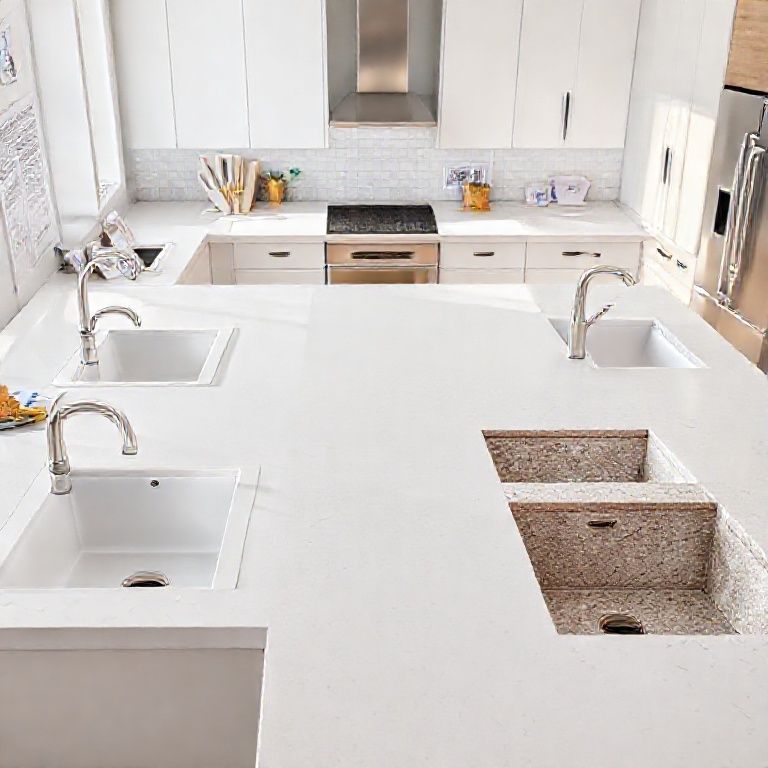
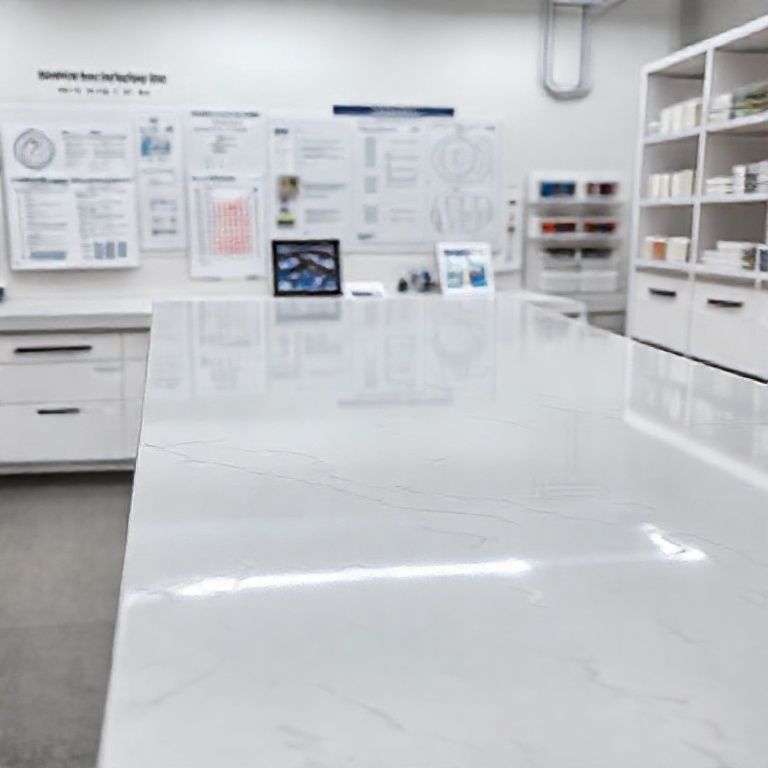
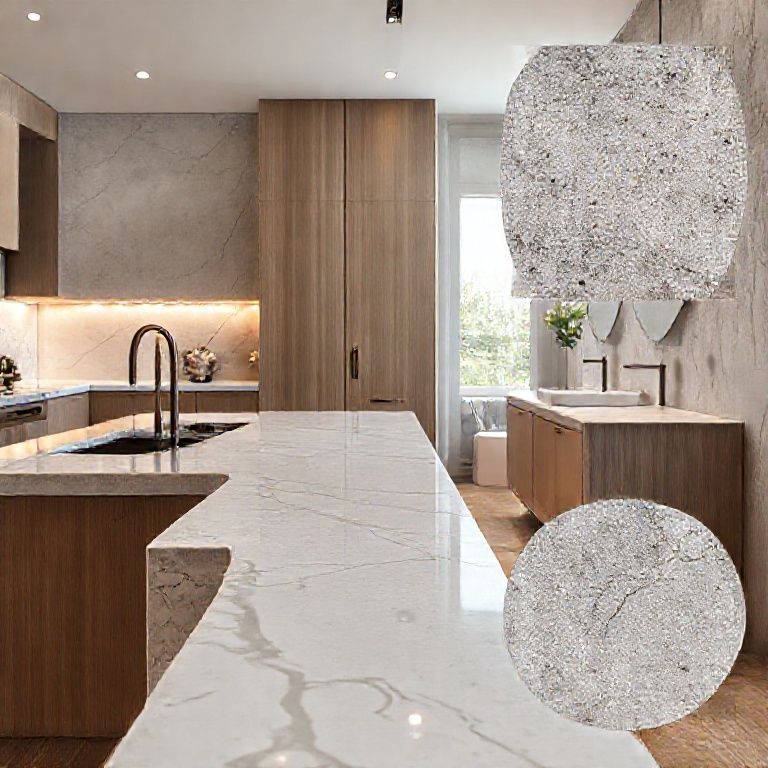
Discover the best ways to handle cracks in your artificial stone countertop. This detailed, two-part guide offers practical solutions and tips to restore the beauty and functionality of your kitchen or bathroom. Learn everything from simple fixes to professional repair methods to ensure your artificial stone countertop looks as good as new.

artificial stone countertop, cracks in stone countertop, repair artificial stone, fix stone countertop, stone countertop maintenance, stone countertop repair, kitchen countertop repair, bathroom countertop repair, countertop crack repair
Understanding and Addressing Minor Cracks in Your Artificial Stone Countertop
Artificial stone countertops are renowned for their durability, elegance, and ease of maintenance. However, like all materials, they can develop cracks over time due to various factors, such as impacts, thermal changes, or even wear and tear. Addressing these cracks promptly can prevent further damage and maintain the countertop’s aesthetic appeal. Here’s how you can tackle minor cracks in your artificial stone countertop.
Identifying the Source of Cracks
Before diving into the repair methods, it’s essential to identify the cause of the cracks. Common reasons include:
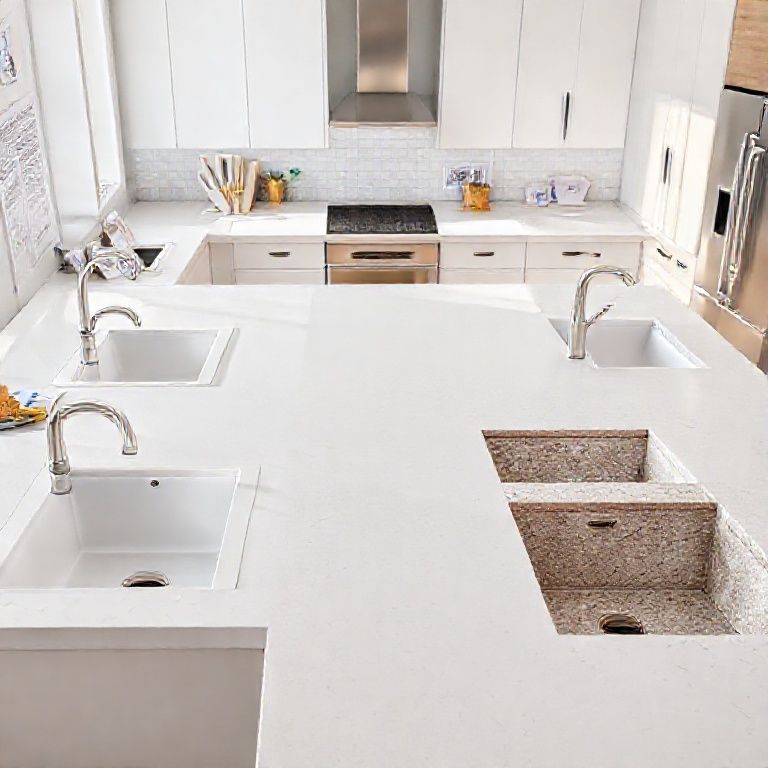
Physical Impact: Dropping heavy objects or applying too much force can cause immediate cracks. Thermal Changes: Rapid temperature changes can lead to expansion and contraction, resulting in cracks. Chemical Exposure: Exposure to harsh chemicals or acidic substances can weaken the stone and cause it to crack over time.
Understanding the root cause helps in selecting the most appropriate repair method.
Basic Repair Techniques for Minor Cracks
When dealing with minor cracks, several simple repair techniques can restore the countertop’s appearance and functionality.
Epoxy Resin: Materials Needed: Epoxy resin kit, mixing container, applicator, gloves, and safety mask. Steps: Clean the cracked area thoroughly with a mild detergent and water to remove any dirt or debris. Mix the epoxy resin according to the manufacturer’s instructions. Apply the resin into the crack using the applicator. Smooth out the resin with a damp cloth to avoid air bubbles. Allow it to cure as per the resin’s curing time. Tip: Use a color-matched epoxy resin to ensure a seamless blend with the countertop. Stone Repair Kits: Materials Needed: Stone repair kit, sandpaper, cleaning cloth, gloves. Steps: Follow the kit instructions for cleaning and preparing the crack area. Use sandpaper to smooth the edges of the crack. Apply the repair compound as per the kit instructions. Use a matching color to blend the repair seamlessly. Allow the compound to dry completely before using the countertop. Tip: Test the repair compound on a small, inconspicuous area first to ensure color and texture match. Filler Compound: Materials Needed: Stone filler, mixing container, applicator, gloves. Steps: Clean the crack area thoroughly. Mix the filler compound to the recommended consistency. Apply the filler into the crack using the applicator. Smooth out the filler and let it set. Once dry, lightly sand the area to blend the filler with the countertop. Tip: Use a color-matched filler for a natural appearance.

Preventing Future Cracks
Preventative measures are crucial to prolonging the life of your artificial stone countertop. Here are some tips to avoid cracks:
Use Cutting Pads: Always use cutting boards or pads when cutting hard materials on the countertop. Avoid Heavy Impacts: Be cautious when placing heavy objects on the countertop. Control Temperature Changes: Avoid placing hot items directly on cold surfaces and vice versa. Clean Properly: Use mild detergents and avoid abrasive cleaners that can scratch the surface. Regular Maintenance: Regularly clean and inspect your countertop to catch and address any minor cracks early.
When to Seek Professional Help
While minor repairs can often be handled at home, some cracks may require professional intervention. It’s advisable to consult a professional if:

The crack is deep or extensive. The repair attempts fail to restore the countertop’s appearance. You are unsure about the repair methods or materials.
Professionals have the expertise and tools to perform more intricate repairs and ensure long-lasting results.
Advanced Solutions and Long-Term Maintenance for Cracked Artificial Stone Countertops
Artificial stone countertops are an excellent choice for durability and aesthetics, but even the best materials can develop cracks over time. Addressing these cracks effectively requires a comprehensive approach, especially for more significant damage. This second part will explore advanced repair techniques and long-term maintenance strategies to keep your artificial stone countertop in pristine condition.
Advanced Repair Techniques for Severe Cracks
When cracks are extensive or deep, basic home repair methods may not suffice. Advanced techniques and professional services become necessary to restore the countertop’s integrity and appearance.
Crack Injection: Materials Needed: Crack injection kit, drill, epoxy resin, gloves, safety mask. Steps: Clean the crack thoroughly to remove any debris. Use a drill to create small holes at the crack’s ends. Apply epoxy resin into the holes and allow it to seep into the crack. Once the resin has cured, fill any excess with a matching filler compound. Smooth the surface and allow it to cure fully. Tip: This method is particularly effective for deep or long cracks. Replacement of Damaged Sections: Materials Needed: Matching stone, cutting tools, adhesive, grinder, sandpaper, gloves, safety mask. Steps: Measure and cut a new section of stone to match the existing countertop. Use adhesive to attach the new section to the countertop. Grind and sand the edges to blend seamlessly with the existing surface. Apply matching sealant to protect the new section. Tip: For best results, consult a professional if you’re not experienced with cutting and grinding stone. Resurfacing: Materials Needed: Diamond-tipped resurfacer, polishing compounds, gloves, safety mask. Steps: Use a diamond-tipped resurfacer to remove the damaged surface layer. Apply polishing compounds to restore the stone’s shine. Smooth the surface with sandpaper to achieve a uniform finish. Tip: This method is ideal for restoring the overall appearance without replacing the entire countertop.
Long-Term Maintenance Strategies
Maintaining your artificial stone countertop over the long term ensures it remains beautiful and functional. Here are some strategies to keep your countertop in top condition:
Regular Cleaning: Use mild, non-abrasive cleaners to avoid scratching the surface. Clean regularly to prevent the buildup of grime that can lead to deeper damage. Avoiding Harsh Chemicals: Use gentle cleaning agents and avoid substances like bleach or acidic cleaners. For tougher stains, use specialized stone cleaners designed for artificial stone. Protective Coatings: Apply a protective sealant to shield the countertop from scratches and stains. Reapply the sealant periodically to maintain its protective qualities. Proper Usage: Use cutting boards and pads when cutting hard materials. Avoid placing hot items directly on the surface to prevent thermal damage. Routine Inspections: Regularly check for any signs of damage or wear. Address minor issues promptly to prevent them from becoming more severe. Professional Maintenance: Schedule professional maintenance and cleaning sessions to ensure your countertop remains in pristine condition. Professionals can identify potential issues before they become significant problems.
When to Consider Replacement
In some cases, despite the best efforts, an artificial stone countertop may become too damaged to repair. Here are signs that it may be time for a replacement:
Extensive Cracking: If multiple cracks make the countertop unsafe or unappealing. Surface Damage: Deep scratches or significant surface wear that cannot be repaired. Aesthetic Issues: When repairs no longer achieve a seamless look or feel. Structural Concerns: When the countertop shows signs of structural instability.
If you’re considering replacement, consult with professionals to explore your options. They can provide recommendations based on your specific needs and budget.
Conclusion
Cracks in an artificial stone countertop can be a significant concern, but with the right approach, they can be effectively addressed. From basic home repair methods to advanced techniques and long-term maintenance strategies, there are numerous ways to restore and protect your countertop. Whether you choose to handle minor repairs yourself or seek professional help for more extensive damage, taking proactive steps can ensure your artificial stone countertop remains a beautiful and functional part of your home for years to come.