How to Address Yellowing on Artificial Stone Countertops: A Comprehensive Guide
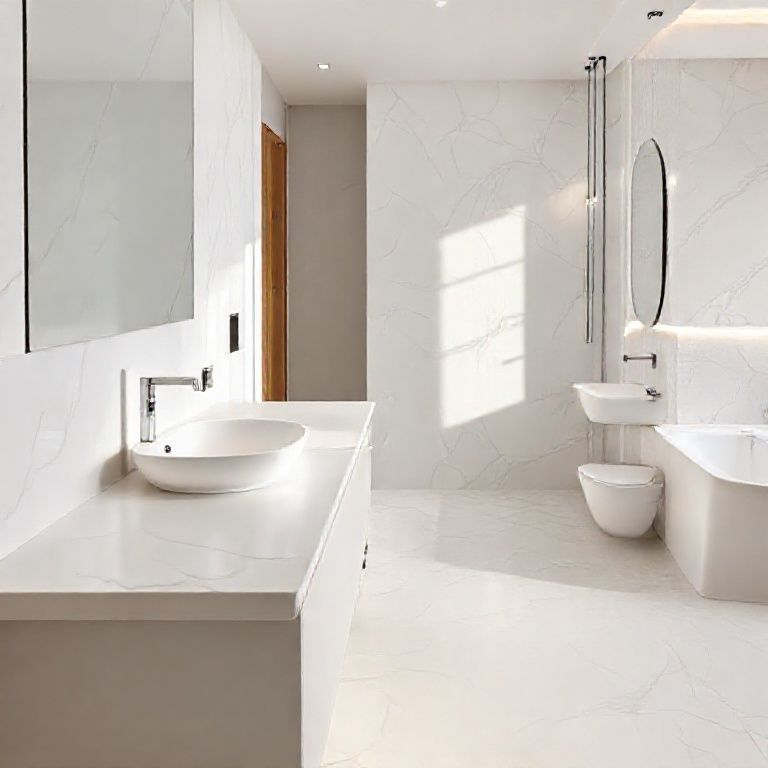
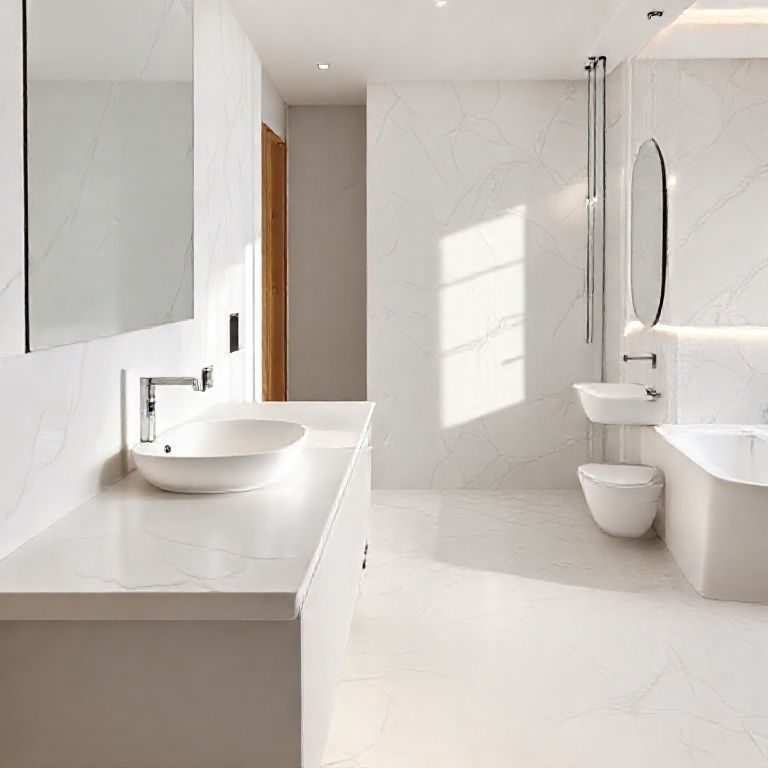
Artificial stone countertops have become a popular choice for kitchens and bathrooms due to their durability, low maintenance, and aesthetic appeal. However, despite their resilience, they can sometimes suffer from yellowing, which can mar their appearance. In this part, we’ll delve into the common causes of yellowing and discuss preventive measures to maintain the pristine look of your artificial stone countertops.
Understanding the Causes of Yellowing
1. Spillage of Oils and Grease: One of the primary reasons for yellowing on artificial stone countertops is the frequent spillage of cooking oils and grease. Even small amounts of oil can penetrate the surface and cause staining.
2. Acidic Foods and Beverages: Lemon juice, vinegar, tomato sauce, and other acidic foods and beverages can cause discoloration over time. The acid reacts with the stone, leading to a yellow hue.
3. Cleaning Products: Many cleaning agents contain chemicals that can break down the surface of the stone, leading to yellowing. Harsh cleaners, especially those with bleach or ammonia, are particularly damaging.
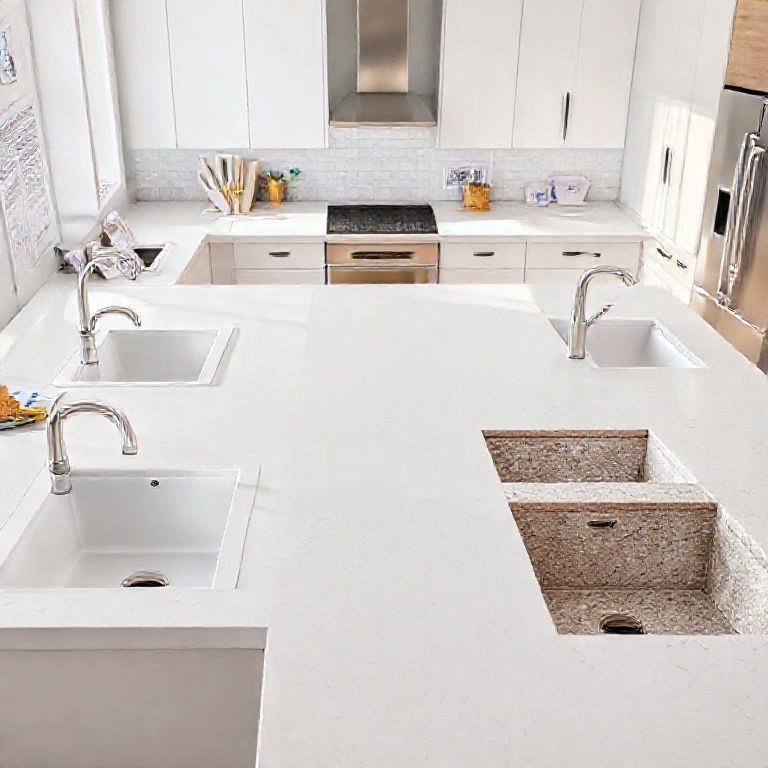
4. Environmental Factors: Exposure to sunlight and other environmental factors can cause fading and yellowing. UV rays can break down the protective coating on the stone, making it more susceptible to stains.
5. Improper Maintenance: Lack of proper cleaning and maintenance can exacerbate the issue. If spills and stains are not addressed promptly, they can become ingrained, leading to permanent discoloration.
Preventive Measures
1. Immediate Cleaning: Always clean up spills immediately to prevent them from setting in. Use a mild, stone-safe cleaner and a soft cloth to wipe up spills as soon as they occur.
2. Use Coasters and Trivets: To protect your countertops from heat and oil stains, use coasters for hot beverages and trivets for pots and pans.
3. Avoid Acidic Foods and Beverages Directly on the Countertop: If possible, avoid placing acidic foods and drinks directly on the countertop. Use plates and glasses instead.
4. Opt for Gentle Cleaners: Choose cleaning products specifically designed for artificial stone. Avoid harsh chemicals that can damage the surface.
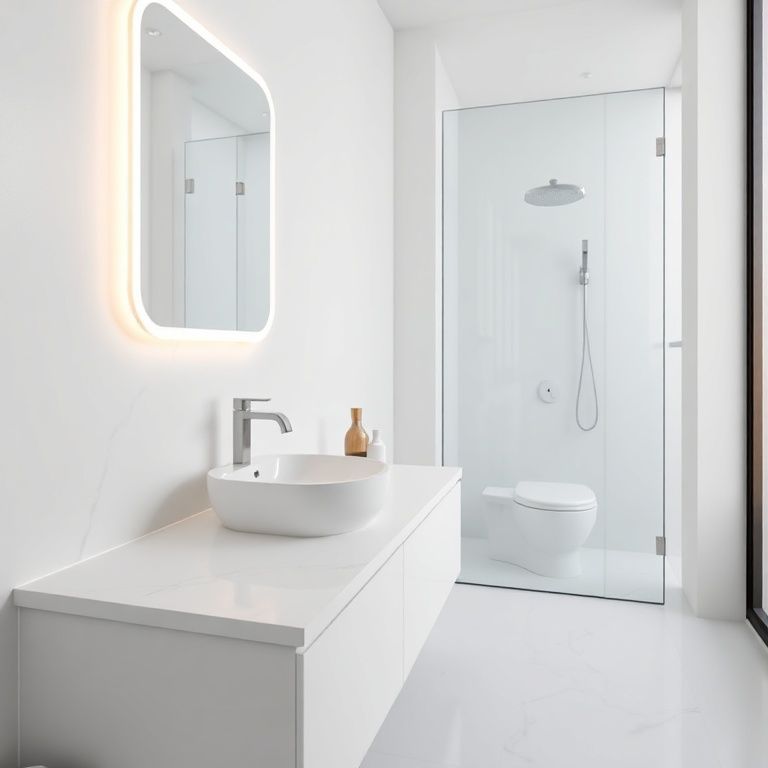
5. Regular Maintenance: Regular cleaning and maintenance can go a long way in preventing yellowing. Use a stone-safe cleaner once a week to keep the surface clean and protected.
6. Protect from UV Exposure: Limit direct exposure to sunlight to prevent fading and yellowing. Use curtains or shades to block UV rays, especially in kitchens and bathrooms near windows.
By understanding the causes and implementing preventive measures, you can keep your artificial stone countertops looking vibrant and new. In the next part, we will explore effective cleaning methods to tackle existing yellowing and restore your countertops to their former glory.
How to Address Yellowing on Artificial Stone Countertops: A Comprehensive Guide
In the previous part, we discussed the causes of yellowing on artificial stone countertops and shared preventive measures to keep them looking great. Now, let’s dive into the effective cleaning and restoration methods that can help you eliminate existing yellowing and restore your countertops to their original beauty.
Cleaning Techniques
1. Mild Soap and Water: For minor stains, a simple solution of mild soap and water can do wonders. Dampen a soft cloth with the solution and gently wipe the affected areas. Rinse with clean water and dry with a soft cloth.
2. Baking Soda Paste: Baking soda is a natural abrasive that can help remove stains. Mix baking soda with water to form a paste. Apply the paste to the stained area and let it sit for 10-15 minutes. Scrub gently with a soft cloth and rinse thoroughly.
3. Vinegar and Water Solution: Vinegar is a natural disinfectant and can help lighten stains. Mix equal parts of vinegar and water in a spray bottle. Lightly spray the solution on the stained area and wipe it clean with a soft cloth. Rinse and dry.
4. Commercial Cleaners: There are many commercial cleaners designed specifically for artificial stone. Follow the manufacturer’s instructions carefully to ensure you’re using the product correctly and safely.
5. Non-Abrasive Scrub Pads: When scrubbing, use non-abrasive pads to avoid scratching the surface. Microfiber cloths are excellent for this purpose as they are gentle yet effective.
Restoration Methods
1. Professional Cleaning Services: If home remedies do not yield satisfactory results, consider hiring a professional cleaning service. They have specialized equipment and products that can effectively clean and restore the appearance of your countertops.
2. Stone Polishing: Stone polishing is a technique that can remove surface stains and restore the shine of artificial stone countertops. A professional polisher uses a machine with a polishing pad and compound to smooth and brighten the surface. This method can be particularly effective for deep-seated stains.
3. Coatings and Sealants: Applying a stone sealant or coating can protect the surface and prevent future staining. These products form a protective barrier that repels oils, stains, and other contaminants. Follow the manufacturer’s instructions for application and reapplication.
4. DIY Stone Coating: If you prefer a DIY approach, you can use a stone coating product to protect your countertops. These products are usually easy to apply and can be reapplied as needed to maintain the protective barrier.
Tips for Maintaining Clean and Bright Countertops
1. Use Protective Mats: Place protective mats under pots, pans, and other heat-generating items to prevent heat stains.
2. Clean Spills Immediately: Always clean up spills immediately with a stone-safe cleaner to prevent stains from setting in.
3. Regular Cleaning: Regularly clean your countertops with a mild soap and water solution to maintain their appearance.
4. Avoid Harsh Chemicals: Refrain from using harsh chemicals or abrasive cleaners that can damage the surface of the stone.
5. Spot Test New Products: Before using any new cleaning product, spot test it on a small, inconspicuous area to ensure it does not damage the surface.
By following these cleaning and restoration methods, you can effectively address yellowing on your artificial stone countertops and keep them looking pristine. With proper care and maintenance, your countertops will remain beautiful and functional for years to come.
In conclusion, yellowing on artificial stone countertops can be a frustrating issue, but with the right knowledge and techniques, it can be easily managed. By understanding the causes, implementing preventive measures, and using effective cleaning methods, you can restore the vibrancy and beauty of your countertops.