How to Clean and Maintain Your Quartz Countertops: Preventing and Removing Water Stains
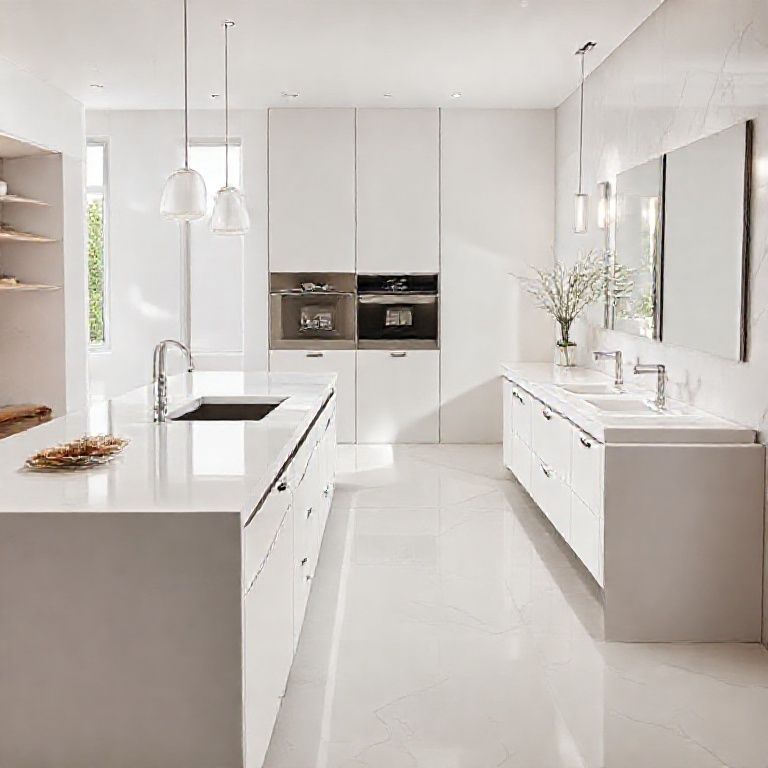
Quartz countertops are a popular choice for both kitchen and bathroom surfaces due to their durability, low maintenance, and stunning aesthetic appeal. However, like any surface, they can be prone to water stains if not properly cared for. Water stains on quartz countertops can not only detract from their appearance but also indicate potential damage if not addressed promptly. In this guide, we will explore the best practices for preventing water stains on your quartz surfaces and the effective methods to clean and remove any water stains that do occur.
Understanding Quartz Countertops
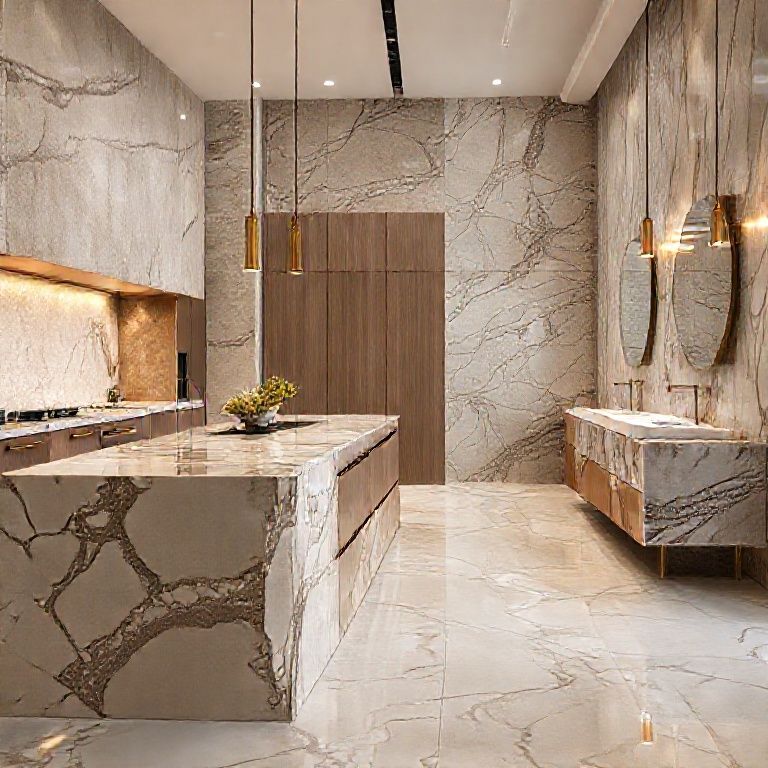
Quartz is a composite material made from 93% pure quartz crystals and 7% resin. This combination makes it incredibly hard, making it resistant to scratches, stains, and heat. However, water can sometimes cause discoloration, especially when it pools on the surface. Understanding the nature of quartz and how it interacts with water is crucial for effective maintenance.
Preventing Water Stains on Quartz Countertops
1. Use Coasters and Trivets:
One of the simplest and most effective ways to prevent water stains is to use coasters under glasses and trivets under hot pots and pans. This simple step can make a significant difference in protecting your quartz surface from water damage.
2. Clean Spills Immediately:
Water spills, no matter how minor they seem, can cause stains if not cleaned up promptly. Use a clean, damp cloth to wipe up any spills immediately. This practice prevents water from pooling on the surface and causing discoloration.
3. Avoid Harsh Chemicals:
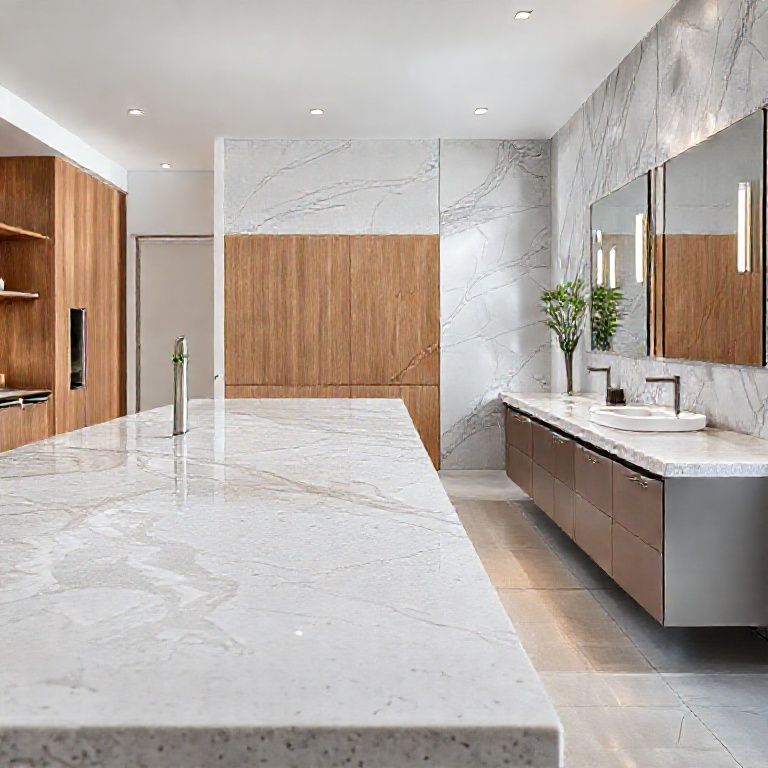
While quartz is resistant to many chemicals, using abrasive cleaners or harsh chemicals can lead to scratches or dull spots on the surface. Opt for mild, non-abrasive cleaners specifically designed for natural stone surfaces.
4. Use Cutting Boards and Prep Trays:
When preparing food, it’s best to use cutting boards or prep trays to minimize water and food particles on the countertop surface. This practice will help maintain the integrity and appearance of your quartz surface.
5. Seal the Edges:
Sealing the edges of the quartz countertop can prevent water from seeping into the seams where it might cause damage. Consult a professional to ensure the edges are properly sealed.
Immediate Actions for Water Stains
1. Assess the Stain:
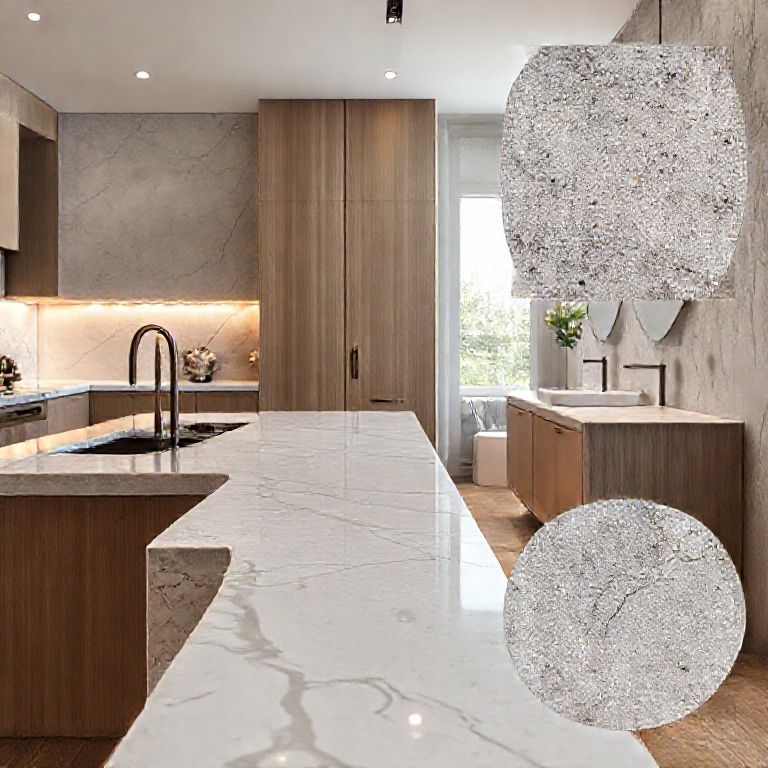
Determine if the water stain is superficial or if it has seeped deeper into the stone. Superficial stains are usually easier to remove, while deeper stains may require professional intervention.
2. Dry the Surface:
Before attempting to clean any water stains, ensure the surface is completely dry. Use a clean, dry cloth to wipe the area thoroughly. Avoid using excessive heat as it can cause the stain to set further.
3. Use a Mild Cleaner:
For light stains, a mild cleaner is often sufficient. Mix a small amount of dish soap with water and apply it to the stained area. Gently scrub with a soft cloth or sponge, then rinse with clean water and dry thoroughly.
4. Baking Soda Paste:
Create a paste using baking soda and water. Apply the paste to the stain and let it sit for a few minutes. Gently scrub the area with a soft cloth and rinse thoroughly. Baking soda is a natural abrasive that can help lift light stains without scratching the surface.
5. Lemon Juice:
Lemon juice contains citric acid, which can help break down water stains. Squeeze fresh lemon juice onto the stain and let it sit for a few minutes. Use a soft cloth to scrub the area gently, then rinse and dry. Be cautious with this method, as lemon juice can sometimes cause etching on the surface if left too long.
Advanced Cleaning Techniques
1. Hydrogen Peroxide:
For more stubborn water stains, hydrogen peroxide can be an effective cleaning agent. Mix equal parts of hydrogen peroxide and water. Apply the solution to the stain and let it sit for a few minutes. Use a soft cloth to gently scrub the area, then rinse and dry thoroughly. Hydrogen peroxide is a mild bleach that can help lift stains without damaging the surface.
2. Vinegar Solution:
Vinegar is a natural cleaning agent that can help remove water stains. Mix equal parts of white vinegar and water. Apply the solution to the stain and let it sit for a few minutes. Use a soft cloth to gently scrub the area, then rinse and dry. Vinegar’s acidity can help break down mineral deposits that cause stains.
3. Commercial Cleaners:
If homemade remedies do not work, consider using a commercial cleaner specifically designed for quartz countertops. Follow the manufacturer’s instructions carefully to avoid damaging the surface. Always test the cleaner on a small, inconspicuous area first to ensure it does not cause discoloration.
Regular Maintenance Tips
1. Routine Cleaning:
Regular cleaning of your quartz countertop is essential to maintain its appearance and prevent stains. Use a mild, non-abrasive cleaner and a soft cloth to wipe the surface daily. For tougher grime, use a damp cloth with a mild soap solution.
2. Polishing:
To keep your quartz countertop looking shiny and new, polish it periodically. Use a quartz countertop polish or a commercial polish designed for natural stone surfaces. Follow the instructions carefully and buff the surface with a clean cloth to restore its shine.
3. Regular Sealing:
While quartz does not require sealing like granite, it’s a good idea to reseal the countertop periodically, especially if it’s in high-traffic areas. Consult a professional to determine the best sealing product and application method for your specific countertop.
4. Avoid Overloading:
Avoid placing heavy objects or allowing water to pool on the surface for extended periods. This practice can help prevent water stains and maintain the integrity of the quartz.
Conclusion
Maintaining your quartz countertop requires some effort, but the results are well worth it. By following these preventive measures and cleaning techniques, you can keep your quartz surface looking beautiful and free from water stains. Regular maintenance and prompt cleaning of spills will ensure your quartz countertop remains a stunning feature in your home for years to come.
Stay tuned for part two, where we will dive deeper into advanced cleaning methods, tips for avoiding future stains, and more expert advice on keeping your quartz countertops in pristine condition.
How to Clean and Maintain Your Quartz Countertops: Preventing and Removing Water Stains
In part one, we covered the basics of preventing and initially addressing water stains on quartz countertops. Now, let’s delve deeper into advanced cleaning methods, tips for avoiding future stains, and more expert advice on keeping your quartz countertops in pristine condition.
Advanced Cleaning Methods
1. Hydrofluoric Acid (HF) Etching:
For very stubborn or deep stains that homemade remedies and commercial cleaners cannot remove, professional help may be required. Hydrofluoric acid etching is a method used by professionals to remove stains from quartz. It involves applying a solution of hydrofluoric acid to the stained area. This process etches the surface to remove the stain but requires professional expertise to avoid damaging the countertop.
2. Ultrasonic Cleaning:
Ultrasonic cleaning uses high-frequency sound waves to remove stains from quartz countertops. This method involves immersing the countertop in a cleaning solution and using an ultrasonic cleaner to break down and remove contaminants. It’s a highly effective method for removing deep-seated stains but should be done by professionals to avoid damaging the surface.
3. Chemical Etching:
In some cases, chemical etching may be necessary to remove stains that have penetrated deeper into the stone. This process involves using a chemical solution to etch the surface and remove the stain. While this method can be effective, it requires professional expertise to ensure the countertop is properly sealed afterward to prevent further damage.
Tips for Avoiding Future Stains
1. Use Trivets and Coasters Consistently:
Consistency is key when it comes to preventing water stains. Always use trivets for hot pots and pans and coasters for glasses to protect your quartz countertop from water and heat damage.
2. Regularly Inspect Your Countertop:
Regularly inspect your quartz countertop for any signs of water stains or damage. Early detection继续
1. 定期清洁和维护:
定期对瓷砖和石英石台面进行清洁和维护,可以有效预防水渍和污渍的积累。使用温和的清洁剂和软布,每周至少清洁一次,以保持台面的光洁度。
2. 防水垫和防溅垫:
在厨房和浴室的台面下方放置防水垫或防溅垫,可以有效减少水和其他液体对台面的直接接触,从而减少水渍和污渍的形成。
3. 使用专用保养产品:
定期使用专门为石英石设计的保养产品,如护理油或密封剂,可以增强台面的防水性和耐用性,防止水渍和其他污渍的侵害。
4. 及时清理溢出物:
在使用过程中,如果有任何液体溢出或洒漏,应立即用干布或湿布擦干,以防止液体渗入台面并形成水渍。
5. 避免使用酸性和碱性清洁剂:
尽量避免使用含有酸性或碱性成分的清洁剂,这些化学物质可能会对石英石表面造成损害,导致水渍加深或其他损伤。
水渗透处理
如果水渗透已经在石英石台面上形成了渗水发黄的情况,以下方法可以帮助你进行处理和修复:
1. 热水清洗:
在石英石台面上的水渗透区域,用热水进行清洗。热水可以帮助溶解和分解一些污渍和渗透的物质,但需要注意不要使用过热的水,以免损伤台面。
2. 专业清洁剂:
使用专门设计用于清洁石英石的清洁剂,根据说明书上的指导进行使用,通常需要将清洁剂均匀涂抹在污渍区域,静置一段时间后再进行清洗。
3. 紫外线处理:
一些专业的清洁公司提供紫外线处理服务,通过紫外线照射,可以帮助分解和消除台面上的污渍和渗透物质。
4. 重新密封:
如果上述方法无法完全解决渗水发黄的问题,建议联系专业的石英石维护公司进行重新密封处理。重新密封可以封闭台面表面的微小裂缝和孔隙,防止水分进一步渗透和污染。
预防措施
1. 定期检查:
定期检查石英石台面,特别是那些容易积水的区域,及时发现和处理渗水和发黄的问题。
2. 保持干燥:
在台面上进行操作时,尽量保持台面干燥,使用干布擦拭干净任何溢出的液体,并在使用后及时清理台面。
3. 使用防溅器:
在烹饪和洗涤过程中,可以使用防溅器或挡水垫,以减少液体对台面的冲击和溢出。
通过以上方法,你可以有效地清洗和保养石英石台面,防止水渗透导致的发黄问题,使你的台面保持光洁如新。