
Part 1: Outline
H1: How to Clean Stains on Engineered Quartz Countertops H2: What Is Engineered Quartz? H2: Why Do Stains Happen on Quartz? H2: Common Stains You Might Encounter H3: Food and Beverages H3: Oils and Grease H3: Ink and Marker H3: Dye-Based Spills H2: Tools and Safety Basics H3: Everyday Tools H3: Cleaning Agents to Use H3: Tools and Substances to Avoid H2: Quick Clean: Everyday Maintenance H3: Soap and Warm Water H3: Handling Fresh Stains Quickly H2: Deep Cleaning Techniques H3: Baking Soda Paste Method H3: Hydrogen Peroxide for Organic Stains H3: Isopropyl Alcohol Method H3: Quartz-Specific Cleaners H2: Stain-Specific Treatments H3: Ink and Marker Stains H3: Coffee, Tea, and Red Wine H3: Tomato Sauce and Berry Juices H3: Grease and Oil H2: What Not To Do with Engineered Quartz H3: Avoid Abrasive Scrubbers H3: Avoid Harsh Acids and Bleach (without testing) H3: Avoid Direct Heat and Cutting on Surfaces H2: Maintenance and Prevention Tips H3: Daily Habits to Minimize Stains H3: Protective Accessories and Workspace Habits H2: When to Call a Professional H2: Conclusion H2: FAQsPart 2: Article
How to Clean Stains on Engineered Quartz Countertops
What Is Engineered Quartz?
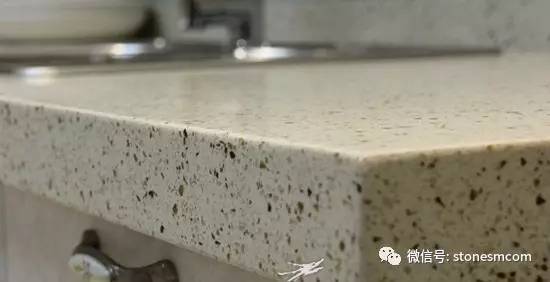
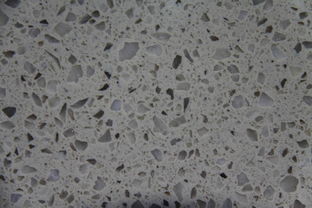
Engineered quartz countertops blend natural quartz crystals with resin binders to create a hard, durable surface. They’re celebrated for their non-porous feel, consistent color, and resistance to staining compared to some natural stones. Yet nothing is absolutely stain-proof. Spills happen—coffee, wine, oil, and even markers can leave marks if you let them sit or use the wrong cleaner. Knowing what you’re dealing with helps you pick the right approach without harming the surface.
Why Do Stains Happen on Quartz?
Quartz is non-porous, but the resin that binds the particles can still interact with pigments. Some stains are surface-level—confined to the resin layer—while others can set in if the surface isn’t cleaned promptly or if aggressive cleaners are used. A lot of “stain” issues on quartz come from dyes, oils, or deep residues that require a gentle, methodical approach rather than brute scrubbing.
Common Stains You Might Encounter
Food and Beverages
Coffee, tea, red wine, fruit juices, tomato sauce, and beet juice are notorious. They bring deep color and can leave behind a persistent tint if left too long.
Oils and Grease
Butter, cooking oil, mayo, and sauces containing oil can smear and cling, especially in corners, along seams, or where the surface has minor scratches.
Ink and Marker
Permanent markers or ink can transfer and be stubborn on some quartz surfaces, especially if the ink pigments are highly concentrated.
Dye-Based Spills
Bright colors from foods like berries or juice drinks can stain if they sit and penetrate the resin binder, particularly on lighter countertops.
Tools and Safety Basics
Everyday Tools
Soft microfiber cloths or non-abrasive sponges A plastic putty knife or scraper for removing crusty residue (never metal on quartz) A spray bottle for dilution and rinsing Mild dish soapCleaning Agents to Use
Mild dish soap and warm water 70–90% isopropyl alcohol for stubborn spots Baking soda for paste cleaning (with water) 3% hydrogen peroxide for organic stains (test a hidden area first) Quartz-specific cleaners from reputable brands (follow label directions)Tools and Substances to Avoid
Abrasive pads, steel wool, or harsh scouring powders Bleach or chlorine-based cleaners used regularly Highly acidic cleaners like undiluted vinegar or lemon juice (they can dull or etch resin over time) Direct heat sources (hot pans) without protection Cutting directly on the surfaceQuick Clean: Everyday Maintenance
Soap and Warm Water
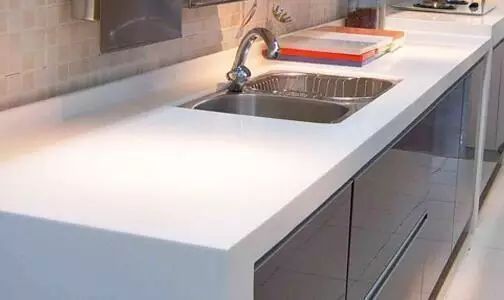
Mix a few drops of mild dish soap with warm water. Wipe the surface with a soft cloth in circles, then rinse with clean water and dry with a lint-free cloth. This handles most everyday spills before they become stains.
Handling Fresh Stains Quickly
If you spill something pigmented, blot it with a clean cloth immediately. Don’t wipe aggressively; you’re trying to remove pigment and not push it around.
Deep Cleaning Techniques
Baking Soda Paste Method
Make a thick paste with baking soda and a little water (about 2 tablespoons baking soda to 1–2 tablespoons water). Apply the paste to the stain and let it sit for 5–10 minutes. Gently rub with a soft cloth or non-scratch sponge in a circular motion. Wipe away residue with a damp cloth, then rinse and dry.This method is good for stubborn, non-oily stains. Avoid leaving the paste on for too long, and never scrub with an abrasive pad.
Hydrogen Peroxide for Organic Stains
Use 3% hydrogen peroxide. Dampen a cloth with the solution and lay it over the stain. Let it sit for 5–10 minutes, then wipe away and rinse. For deep set organic stains (coffee, tea, berry juice), you may repeat once more if needed. Always test on a hidden area first to ensure there’s no bleaching or color change.Isopropyl Alcohol Method
Dampen a cloth with 70–90% isopropyl alcohol. Gently rub the stain in a circular motion. Rinse with clean water and dry with a soft cloth. This is a versatile option for tough pigment marks, inks, and marker stains after the initial soap wash.Quartz-Specific Cleaners
Follow the product instructions on any quartz-specific cleaner. Use the cleaner sparingly and always rinse thoroughly afterward. Do a patch test on an inconspicuous area before applying to a stained zone.Stain-Specific Treatments
Ink and Marker Stains
Apply isopropyl alcohol to a soft cloth and blot the stain. Repeat in small circles until color lifts. Rinse and dry. If any trace remains, a light baking soda paste can be used as a final step.Coffee, Tea, and Red Wine
Start with soap and water. If color persists, use hydrogen peroxide on the stain, then rinse well. For heavy red wine stains, you can apply a cloth dampened with isopropyl alcohol, then rinse and dry.Tomato Sauce and Berry Juices
These can be bold pigments. Start with a gentle soap wash. If color remains, try a baking soda paste, then rinse and dry. If necessary, a small amount of hydrogen peroxide can be used cautiously.Grease and Oil
Oil-based stains often respond well to baking soda paste or a mild degreasing cleanser designed for quartz. Apply, let sit briefly, wipe clean, rinse, and dry.What Not To Do with Engineered Quartz
Avoid Abrasive Scrubbers
Do not use steel wool, harsh scouring pads, or abrasive powders that can scratch the resin binder. Scratches create micro-nooks where stains can hide.Avoid Harsh Acids and Bleach (without testing)
Undiluted vinegar, lemon juice, or bleach can degrade the resin over time. If you choose to test, do so on a hidden area and dilute properly, then rinse thoroughly.Avoid Direct Heat and Cutting on Surfaces
Always use heat protectors for hot pots and mats for sharp knives. Even though quartz is heat resistant, sudden temperature shocks can damage the surface.Maintenance and Prevention Tips
Daily Habits to Minimize Stains
Wipe up spills promptly, especially pigmented ones like coffee, tea, and juice. Use coasters under acidic or strongly colored drinks. Use cutting boards and avoid using the countertop as a work surface for chopping.Protective Accessories and Workspace Habits
Place mats or trivets near the stove or sink. Regularly inspect the countertop for any hairline scratches and address them with a non-abrasive cleaner.When to Call a Professional
If a stubborn stain persists after multiple cleaning attempts, or if you notice dulling, scratches, or etching that seems deeper than surface staining, a professional could assess whether there’s resin damage, improper cleaning residue, or a need for targeted restoration.
Conclusion
Engineered quartz countertops are resilient and forgiving, but they’re not invincible. A little knowledge goes a long way: identify the stain, test a small area, choose a safe cleaner, and proceed with gentle methods. For most common kitchen stains, soap and water handle them, and stubborn marks respond to baking soda pastes, hydrogen peroxide, or isopropyl alcohol when used carefully. With a little routine care—quick cleanups, protective measures, and mindful use—the beauty and durability of your quartz surface can shine for years to come.
FAQs
1) Can I use vinegar to clean quartz countertops? Vinegar is acidic and can weaken the resin over time if used regularly. It’s better to avoid it as a routine cleaner; for occasional use, test on a small, inconspicuous area first and rinse well.
2) Is it safe to use bleach on quartz countertops? Bleach should generally be avoided on quartz. It can dull the surface and interact with the resin. Use gentler cleaners first, and only consider bleach if the manufacturer explicitly approves it for your specific product.
3) How do I remove ink stains from quartz? Isopropyl alcohol on a soft cloth works well for ink or marker. If color lingers, follow with a light baking soda paste and rinse thoroughly.
4) What should I do for wine stains that won’t come out? Blot, then treat with a small amount of hydrogen peroxide (test first in a hidden spot). If needed, repeat the process, rinse thoroughly, and dry. For persistent stains, a quartz-specific cleaner can help.
5) Are quartz countertops more stain-prone than granite? Quartz is non-porous and typically more resistant to stains than many natural stones, but it’s still possible to stain if spills sit or if harsh cleaners are used. Prompt cleaning and gentle care are the best defenses.









