Identifying and Assessing Your Cracked Kitchen Countertop
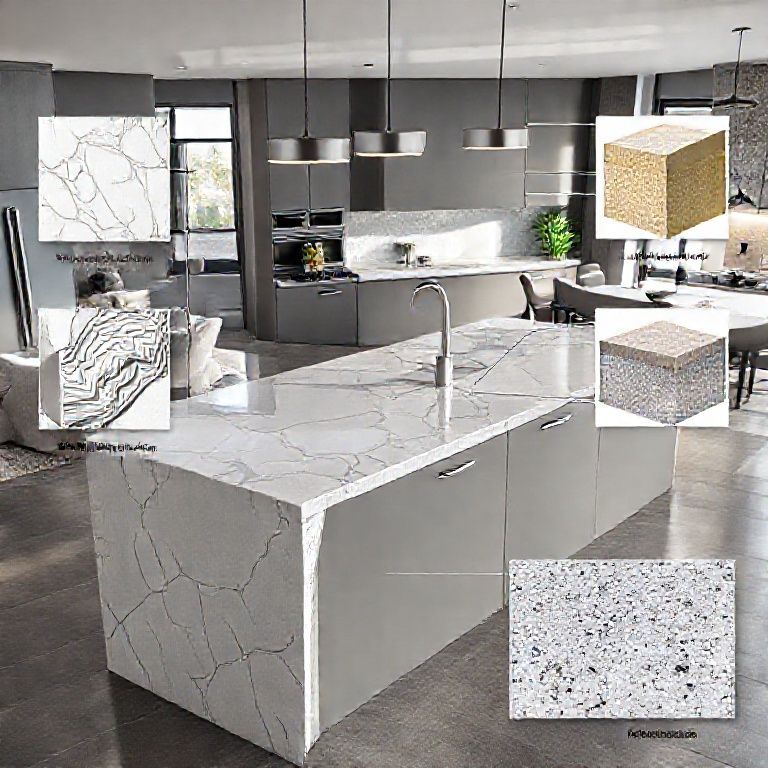
When it comes to kitchen maintenance, one of the most common and distressing problems that homeowners encounter is a cracked kitchen countertop. Whether it’s a small chip or a larger fissure, the appearance of cracks can not only be unsightly but also pose safety hazards if left unaddressed. Here’s a detailed guide to help you identify, assess, and understand the best ways to repair a cracked kitchen countertop.

Understanding the Types of Cracks
The first step in addressing a cracked kitchen countertop is to identify the type of crack you are dealing with. Different materials have different vulnerabilities, and knowing the type of crack and the material of your countertop will help you choose the most effective repair method.
Chips and Small Cracks: Often caused by sharp objects, these small cracks can usually be fixed with a simple repair kit or by filling the gap with a suitable compound.
Larger Fissures: Larger cracks may indicate structural damage and could be a sign that the countertop material is deteriorating. These cracks often require more extensive repairs or even replacement.

Surface Cracks: These are usually cosmetic and don’t necessarily indicate underlying damage. They can often be repaired with a surface-level fix.
Underlying Structural Damage: Sometimes, a crack may look superficial but indicate deeper structural issues. This is especially common in natural stone and engineered stone countertops.
Material-Specific Considerations
Different materials require different approaches for repair. Here’s a quick overview:
Granite and Marble: These materials are prone to surface cracks and chips due to their hardness. Minor repairs can often be done with specialized fillers, but larger cracks might necessitate professional intervention.

Quartz and Composites: These are generally more resistant to cracks and chips. For minor repairs, a high-quality epoxy or filler can usually suffice.
Crete and Engineered Stone: These materials can often be repaired with a specialized patching compound, but severe cracks may require more comprehensive repairs.
Assessing the Damage
Once you’ve identified the type and material of your countertop, it’s crucial to assess the extent of the damage. This involves:
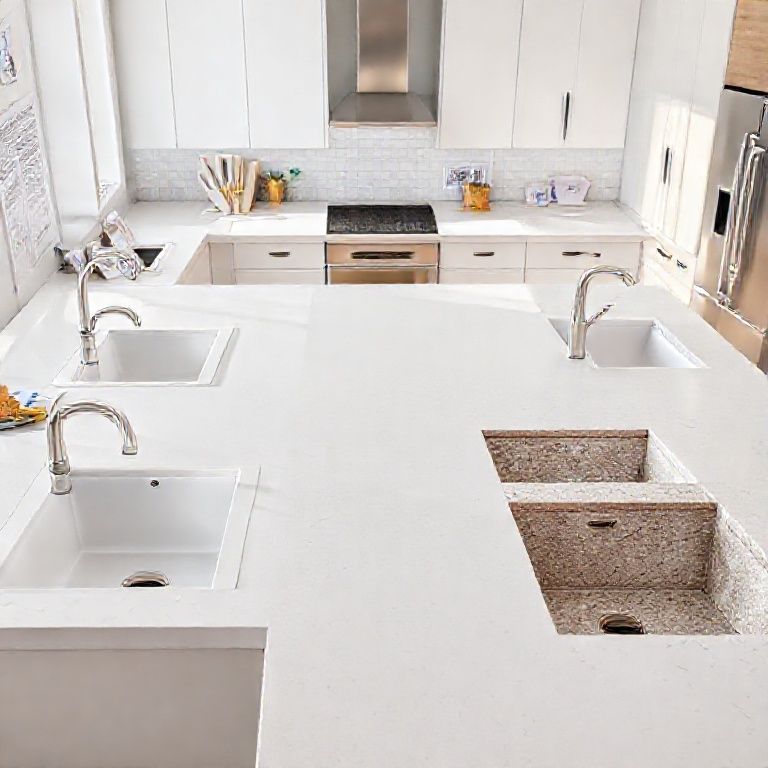
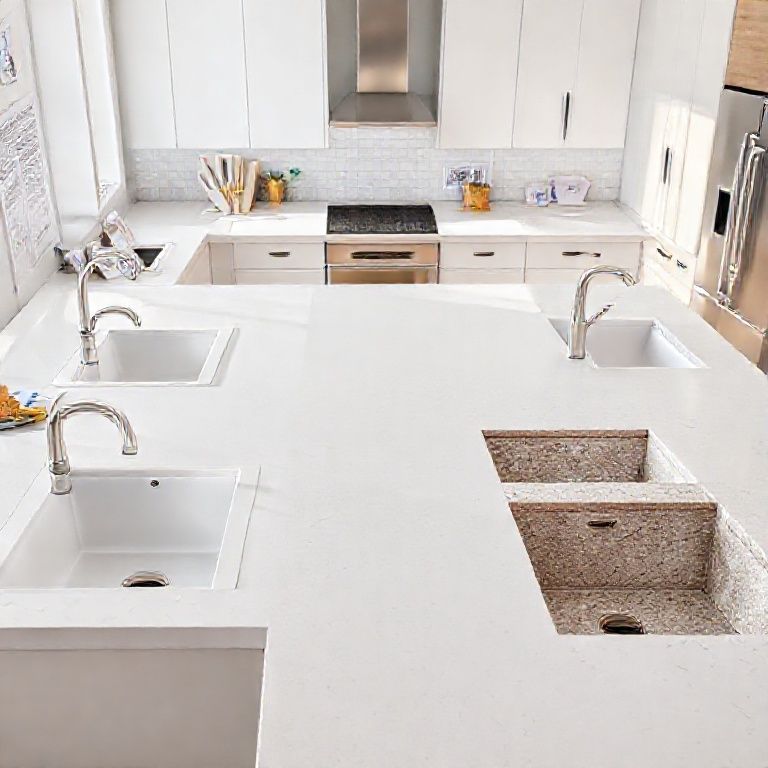
Visual Inspection: Carefully examine the crack to determine its length, depth, and whether it’s spreading.
Functionality Check: Ensure that the crack isn’t affecting the structural integrity of the countertop. Small cracks usually won’t pose a problem, but larger fissures might.
Safety Assessment: Check if the crack poses any safety hazards, such as sharp edges that could cause injury.
Immediate Actions to Take
While waiting for a more permanent solution, there are some immediate steps you can take to mitigate further damage and protect the countertop:
Avoid Using the Countertop: Refrain from placing heavy objects or using the cracked area until it’s properly repaired.
Protective Measures: Use a silicone sealant around the crack to prevent it from spreading, especially if it’s near a sink or other moisture source.
Temporary Fix: For minor cracks, you can use a countertop repair pen or a high-quality filler to temporarily hide the damage.
Professional Help
If the crack is extensive, it’s best to consult a professional. A trained technician can provide a more accurate assessment and recommend the best course of action, whether it’s a repair, a patch, or even replacement. They can also provide advice on how to prevent future cracks.
Repairing and Preventing Future Cracks in Your Kitchen Countertop
Once you have identified the type and extent of the crack, it’s time to move to the repair phase. Here, we delve into detailed repair methods, maintenance tips, and preventive measures to ensure your kitchen countertop remains in pristine condition.
Repair Methods for Different Countertop Materials
Repairing a cracked kitchen countertop varies depending on the material. Here’s a comprehensive guide to tackling common countertop types:
Granite and Marble:
Minor Repairs: For small chips and cracks, use a specialized epoxy resin or filler. Mix the product according to the manufacturer’s instructions, apply it to the crack, and smooth it out with a small putty knife.
Larger Cracks: For deeper or larger cracks, it may be necessary to use a marble repair kit, which often includes a filler that can be molded into the crack and polished to match the countertop’s surface.
Quartz and Composites:
Minor Repairs: These materials can usually be repaired with a high-quality epoxy or a countertop repair pen. Apply the product directly into the crack and smooth it out to ensure a seamless finish.
Larger Repairs: For more extensive damage, use a patch kit designed for quartz countertops. Mix the filler according to the instructions, apply it to the crack, and let it cure. Once cured, polish the area to blend it with the rest of the surface.
Crete and Engineered Stone:
Minor Repairs: Use a patching compound specifically formulated for engineered stone. Apply the compound to the crack, let it dry, and then polish the area to match the surrounding surface.
Larger Repairs: For more severe damage, it might be necessary to consult a professional. They can often repair large cracks using a combination of patching compounds and resins.
General Repair Tips
Regardless of the material, here are some general tips to ensure a successful repair:
Clean the Area: Before applying any repair product, ensure the area around the crack is clean and dry. Any dirt, oil, or moisture can prevent the repair from adhering properly.
Follow Instructions: Always follow the manufacturer’s instructions for mixing, applying, and curing the repair product. This ensures the best results and longevity of the repair.
Sanding and Polishing: After the repair product has cured, lightly sand the area to smooth it out, then polish to blend it seamlessly with the rest of the countertop.
Preventive Measures
Preventing future cracks is as important as repairing existing ones. Here are some tips to keep your kitchen countertop in top condition:
Use Cutting Boards: Always use a cutting board when chopping or cutting food. This prevents sharp objects from damaging the countertop surface.
Avoid Abrasive Cleaners: Use mild cleaners and non-abrasive sponges to clean your countertop. Avoid harsh chemicals that can erode the surface over time.
Install Protective Edges: Consider installing edge guards or protective molding around your countertop. This provides an extra layer of protection against accidental damage.
Regular Maintenance: Regularly clean and maintain your countertop. Address minor scratches and chips promptly to prevent them from becoming larger cracks.
Professional Servicing: Schedule regular professional servicing for your countertop, especially if it’s made of more delicate materials like granite or marble.
Long-term Solutions
For countertops that suffer frequent damage or are particularly prone to cracks, consider these long-term solutions:
Replace the Countertop: If the damage is extensive or if the countertop material is particularly susceptible to cracks, replacing it might be the best option. Modern materials like quartz offer durability and ease of maintenance.
Upgrade to a More Resilient Material: If you’re looking for a more durable option, consider upgrading to a material like quartz or Corian, which are known for their resistance to scratches, chips, and cracks.
Custom Countertop Solutions: For custom-made or unique designs, consult with a professional to explore custom repair or replacement options that maintain the aesthetic integrity of your kitchen.
Conclusion
Cracked kitchen countertops can be a frustrating issue, but with the right knowledge and tools, they can be effectively repaired. By understanding the type of crack, assessing the damage, and following proper repair methods, you can restore the beauty and functionality of your kitchen countertop. Additionally, taking preventive measures and considering long-term solutions will help ensure that your countertop remains in excellent condition for years to come. With these expert tips, you’re well-equipped to tackle any crack and keep your kitchen looking its best.