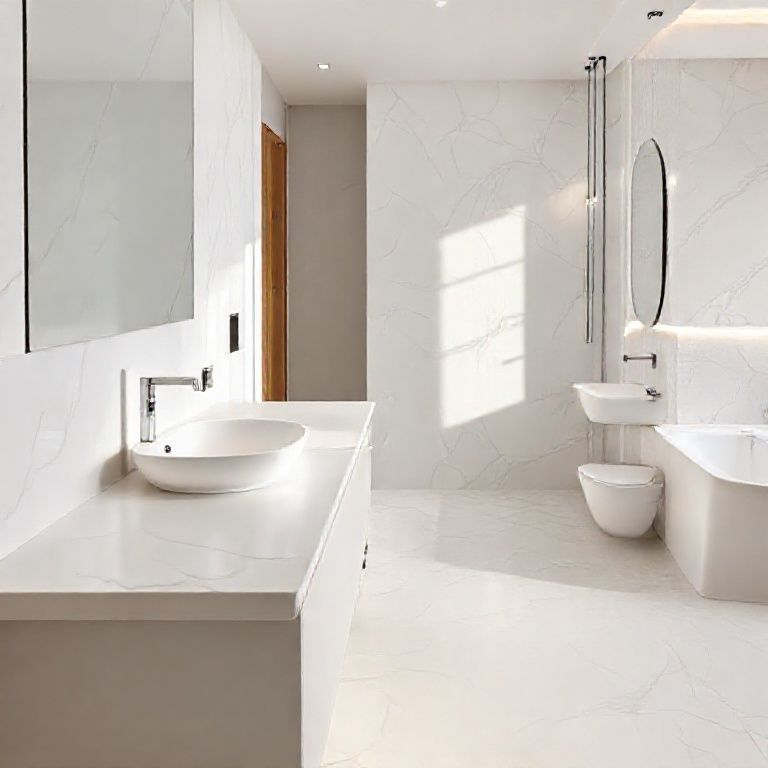
How to Deal with Yellowing White Quartz Countertops: A Comprehensive Guide
Welcome to your ultimate guide on tackling the yellowing issue on white quartz countertops. Whether you’ve recently noticed a few unsightly yellow spots or the entire surface has taken on a dingy hue, this guide will provide you with the knowledge and tools to restore your countertops to their original sparkling state.
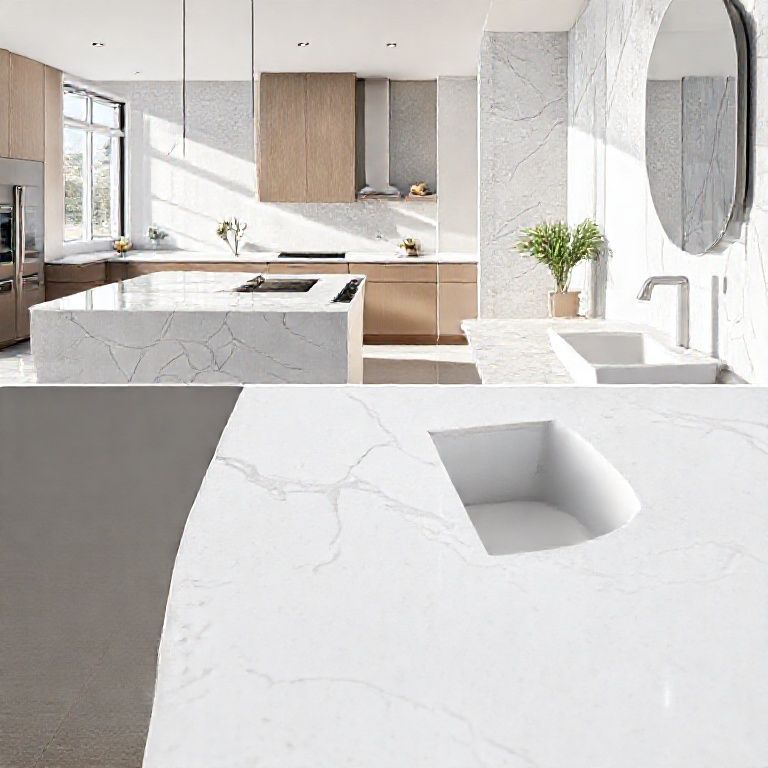
Understanding the Cause
Before diving into cleaning methods, it’s important to understand what causes quartz countertops to yellow. Quartz is a durable and low-maintenance material, but it is not impervious to discoloration. The yellowing is often caused by:
Food and Beverage Spills: Acidic substances like lemon juice, vinegar, tomato sauce, and coffee can cause irreversible staining. Soap and Cleaning Products: Harsh chemicals from cleaning agents can leave behind a yellowish tint. Natural Oils: Even our skin’s natural oils can leave spots when we touch the surface.
Prevention Tips
Preventing yellowing is always easier than trying to fix it. Here are some proactive measures to keep your quartz countertops pristine:
Use Cutting Boards: Always use a cutting board or a plastic mat to prepare food on your countertops. This prevents direct contact between acidic foods and the quartz surface. Immediate Cleanup: Wipe up spills immediately, especially those involving acidic or sugary substances. The quicker you address a spill, the less likely it is to set in and cause permanent discoloration. Use Coasters and Placemats: Place coasters under glasses and placemats under items that could potentially drip or stain.
Basic Cleaning Routine
Maintaining a regular cleaning routine is crucial to preventing any discoloration from taking hold. Here’s a simple cleaning routine for your quartz countertops:
Daily Cleaning: Use a mild soap or a quartz-safe cleaner with a soft cloth to wipe down the surface daily. Avoid harsh chemicals that can damage the surface. Weekly Deep Clean: Once a week, use a mixture of water and vinegar (in a 1:1 ratio) to thoroughly clean your countertops. This helps to cut through any lingering grease and grime.
Effective Cleaning Methods
If your quartz countertops have already yellowed, don’t worry—there are several effective cleaning methods you can try to restore their original shine:
Method 1: Baking Soda Paste
Ingredients: 1/4 cup baking soda 1/4 cup water Instructions: Mix baking soda and water to form a thick paste. Apply the paste to the yellowed areas and let it sit for about 30 minutes. Scrub gently with a soft-bristled brush or sponge. Wipe clean with a damp cloth and dry thoroughly.
Method 2: Hydrogen Peroxide
Ingredients: 3% hydrogen peroxide Soft cloth Instructions: Apply hydrogen peroxide directly to the yellowed areas. Let it sit for 10-15 minutes. Wipe off with a clean, soft cloth. Rinse and dry with a clean towel.
Method 3: Lemon and Salt Scrub
Ingredients: 1 lemon (juiced) 1/4 cup salt Instructions: Cut the lemon in half and rub the cut side on the yellowed areas to release the juice. Sprinkle salt over the lemon and rub it onto the surface. Let the lemon juice and salt sit for about 15 minutes. Scrub with a soft-bristled brush. Rinse and dry with a clean cloth.
Professional Help
If the discoloration persists despite your best efforts, it may be time to call in the professionals. Specialized cleaners and techniques used by professionals can effectively remove stubborn stains and restore the surface of your quartz countertops.
How to Deal with Yellowing White Quartz Countertops: A Comprehensive Guide (Continued)
In the second part of our guide, we will delve deeper into advanced cleaning techniques and long-term maintenance tips to ensure your quartz countertops stay beautiful and stain-free for years to come.
Advanced Cleaning Techniques
Even with regular maintenance, some stains may be stubborn. Here are some advanced techniques to tackle persistent yellowing:
Method 4: Commercial Cleaners
There are numerous commercial cleaners specifically formulated for quartz surfaces. These products often contain a combination of acids and abrasives that can effectively remove tough stains. Follow the manufacturer’s instructions carefully to avoid damaging the surface.
Method 5: Steam Cleaning
Steam cleaning is a powerful method for removing deep-seated stains and grime. Use a professional-grade steam cleaner designed for stone surfaces to ensure you don’t damage your countertops. Always test any cleaning product in an inconspicuous area first to ensure it doesn’t cause discoloration.
Long-Term Maintenance Tips
Preventing future yellowing is key to maintaining the beauty of your quartz countertops. Here are some long-term maintenance tips:
Regular Cleaning: Establish a regular cleaning routine. Daily and weekly cleaning will prevent minor stains from becoming major problems. Use Protective Mats: Place protective mats under items that can potentially drip or stain, like glasses and vases. Avoid Abrasive Cleaners: Stick to mild cleaners and avoid abrasive pads or scrubbers that can scratch the surface. Seal the Surface: While quartz does not require sealing like granite, using a quartz-specific sealant can provide an extra layer of protection against stains. Store Cleaning Products Properly: Keep cleaning products and chemicals away from the countertops to prevent accidental spills.
Dealing with Stubborn Stains
Sometimes, despite your best efforts, stains can be particularly stubborn. Here are additional tips for dealing with tough stains:
Vinegar and Baking Soda: For particularly tough stains, mix equal parts vinegar and baking soda to form a paste. Apply to the stain and let it sit for several hours before scrubbing gently. Professional Restoration: If the stain is still not lifting, consider hiring a professional stone restoration service. They have specialized tools and techniques to restore your countertops to their original state.
Environmental Factors
Understanding the environmental factors that can contribute to yellowing is crucial for preventing future issues. Here are some considerations:
Acidic Foods: Be mindful of foods that are particularly acidic, like citrus fruits, tomatoes, and vinegar-based sauces. Always use a barrier, like a cutting board or plastic mat, when preparing these foods. Moisture: Excess moisture can cause certain types of stains, so it’s important to dry surfaces promptly after cleaning and to avoid placing wet items directly on the countertop. Cleaning Frequency: Depending on the level of use and the types of substances handled on your countertops, you may need to clean more frequently to prevent yellowing.
Final Thoughts
Maintaining your white quartz countertops involves a combination of regular cleaning, preventive measures, and knowing how to tackle stubborn stains. By following these tips and techniques, you can keep your countertops looking pristine and beautiful for years to come. Remember, the key to successful maintenance is consistency and diligence. Don’t wait until stains become severe—address them as soon as they appear. With the right approach, you can enjoy the beauty and durability of your quartz countertops without any yellowing concerns.
With this comprehensive guide, you are now equipped with the knowledge and tools to effectively deal with yellowing on white quartz countertops. Whether you’re a homeowner, a professional, or just someone who values the beauty of their kitchen or bathroom, these tips will help you keep your quartz surfaces in top condition.