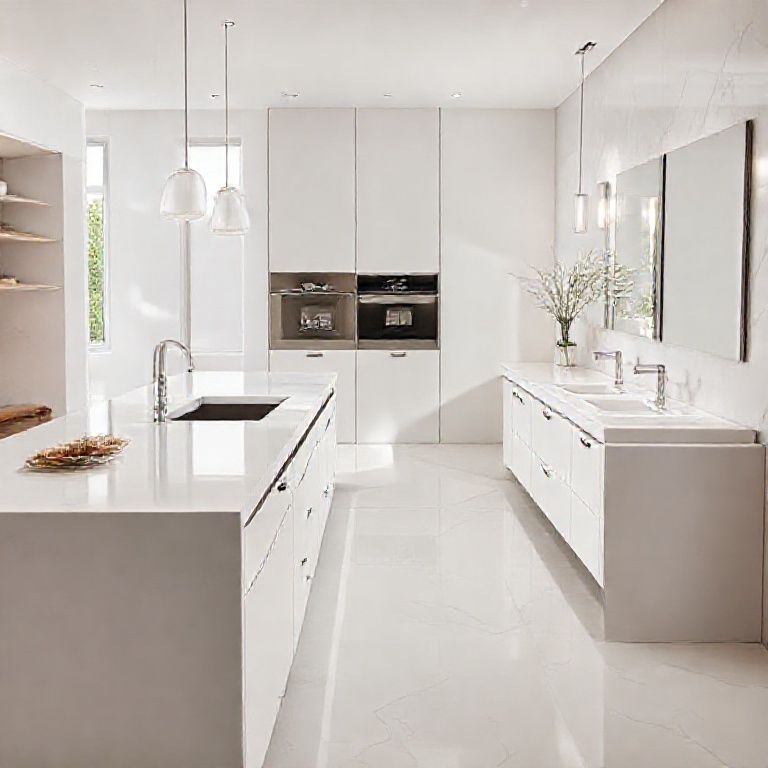
How to Distinguish Between Artificial Stone and Quartz Stone Countertops
When it comes to selecting countertops for your kitchen or bathroom, the choices are vast and varied. Two of the most popular options today are artificial stone and quartz stone countertops. Both materials offer durability, aesthetics, and ease of maintenance, but there are some key differences that can help you make an informed decision. This first part of our guide will explore the fundamental characteristics, composition, and identification methods to distinguish between artificial stone and quartz stone.
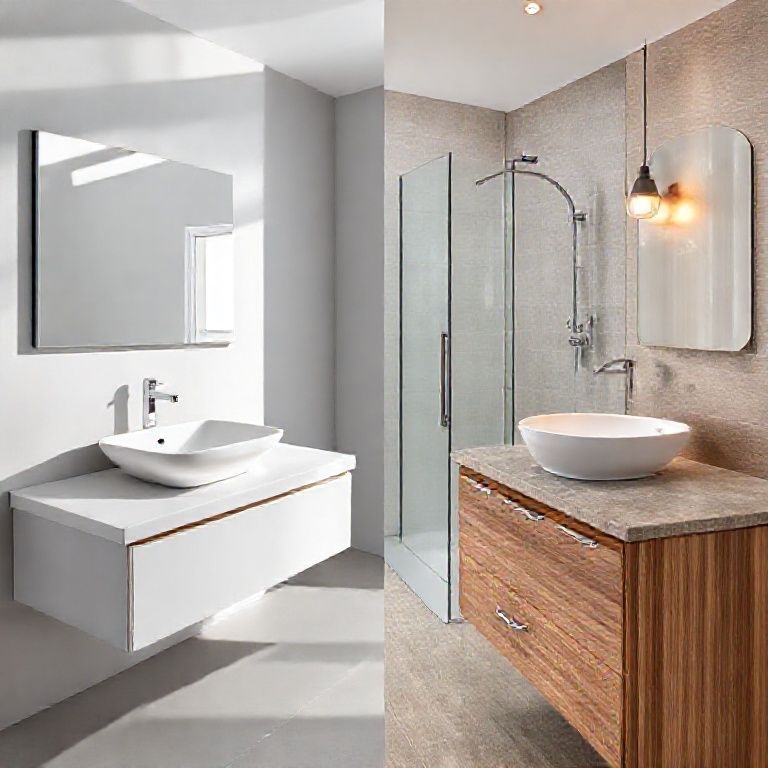
Understanding Artificial Stone
Artificial stone, also known as engineered stone, is a composite material made from natural stone powder, typically marble or limestone, combined with resin and other binding agents. The mixture is then pressed and cured to form a solid, homogeneous material.
Key Characteristics of Artificial Stone:
Composition: Artificial stone is made from a combination of natural stone powder, resin, and other additives. The process involves mixing the stone powder with a polymer resin, which binds the particles together.
Color and Design: Artificial stone offers an extensive range of colors and designs. It can mimic various natural stones, including granite, marble, and quartz. Custom patterns and designs are also possible.
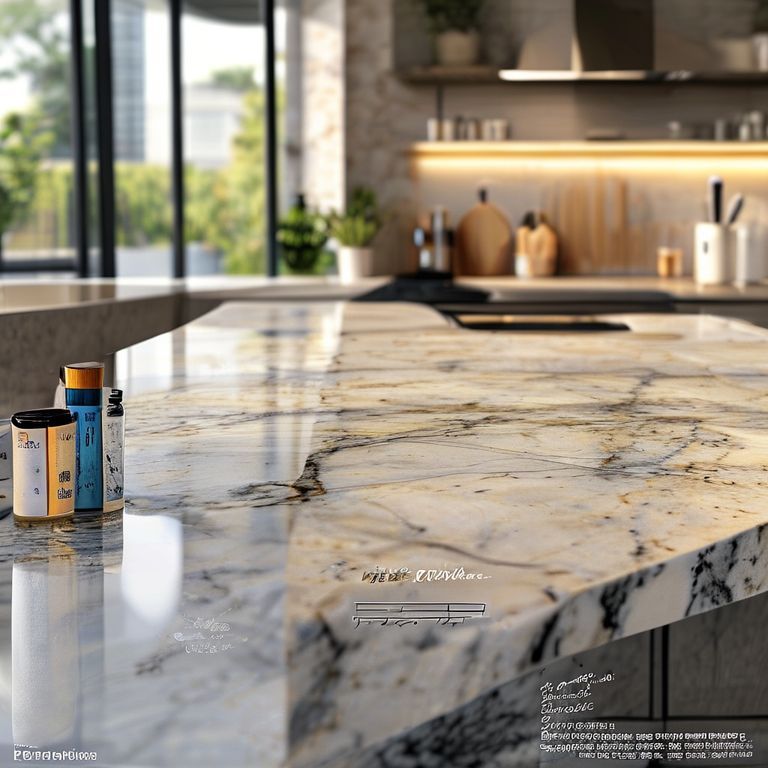
Durability: While artificial stone is durable, it is not as scratch-resistant as natural stone. It can still withstand daily wear and tear but might show scratches and stains over time.
Maintenance: Artificial stone is relatively easy to maintain. Cleaning usually involves wiping with a damp cloth and mild soap. It is also resistant to water and stains.
Understanding Quartz Stone
Quartz, on the other hand, is a type of engineered stone that stands out for its superior quality and unique properties. It is composed of 93% quartz stone powder, which gives it remarkable strength and durability.
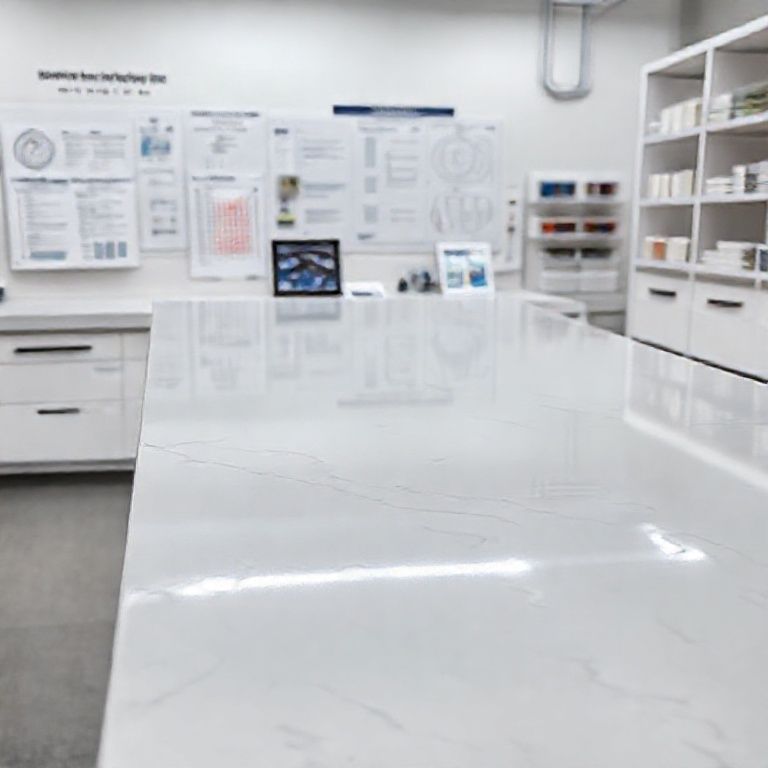
Key Characteristics of Quartz Stone:
Composition: Quartz stone is primarily made from a high percentage of natural quartz stone powder, mixed with a small amount of resin. This combination creates a material that is both strong and lightweight.
Color and Design: Quartz countertops come in a wide array of colors and patterns, closely resembling natural stone. The quartz industry offers an extensive range of designs, from subtle to vibrant hues.
Durability: Quartz stone is highly scratch-resistant and highly resistant to heat, stains, and bacteria. This makes it an excellent choice for high-traffic areas in your kitchen or bathroom.
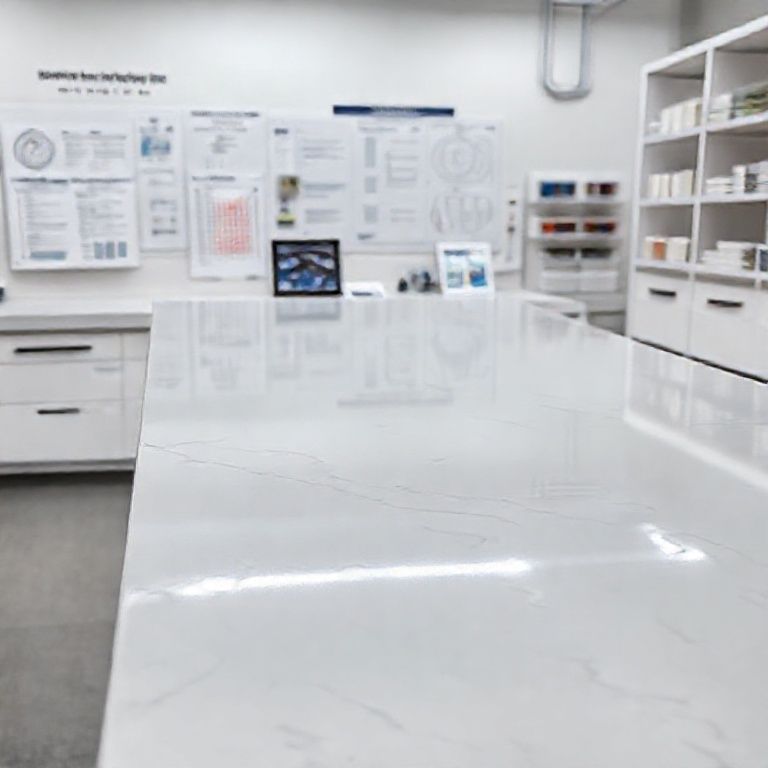
Maintenance: Quartz countertops are incredibly easy to maintain. Cleaning typically requires a simple wipe with a damp cloth and mild detergent. Its non-porous surface ensures that it doesn’t absorb spills or stains.
Identifying Artificial Stone vs. Quartz Stone
Distinguishing between artificial stone and quartz stone can be straightforward if you know what to look for. Here are some key indicators:
1. Visual Inspection:
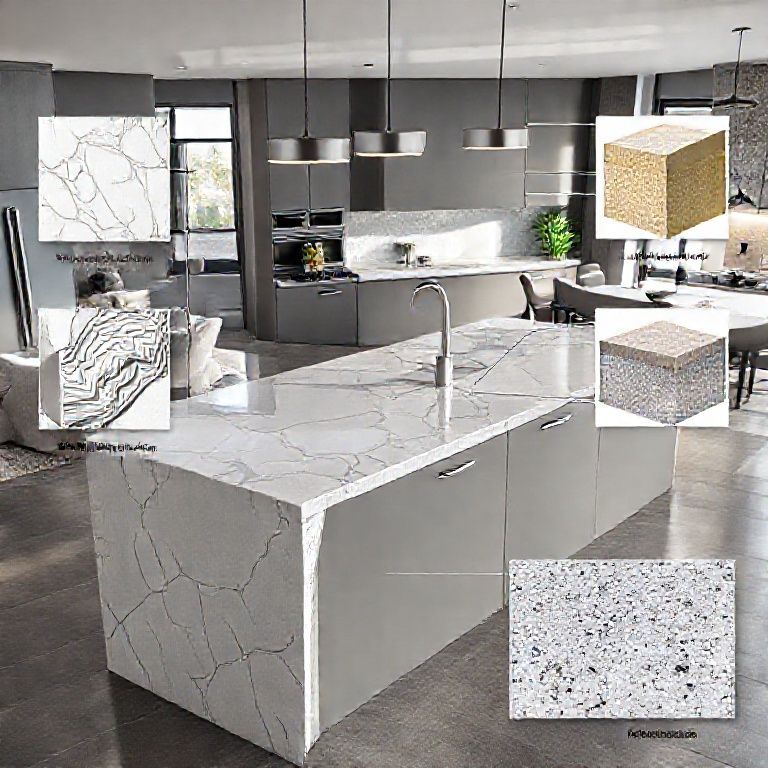
Color Homogeneity: Artificial stone often exhibits slight variations in color due to its composite nature. Quartz, however, tends to have a more uniform and consistent color throughout. Surface Texture: While both materials can mimic natural stone, quartz stone usually has a smoother and more polished finish compared to artificial stone.
2. Physical Tests:
Scratch Test: Quartz is highly resistant to scratches, while artificial stone can show scratches more easily. Weight: Quartz stone is generally lighter than artificial stone due to its lower density.
3. Label and Certification:
Manufacturer Labels: Check the label for the material type and manufacturer details. Reputable brands will clearly state whether the product is artificial stone or quartz. Certification: Look for certification from recognized standards organizations which can provide additional assurance of the material’s quality.
4. Price and Warranty:
Cost: Generally, quartz countertops are more expensive than artificial stone due to their superior quality and composition. Warranty: Quartz typically comes with a longer warranty, reflecting its higher durability and performance.
Conclusion of Part 1
Understanding the fundamental differences between artificial stone and quartz stone is crucial for making an informed choice for your next countertop project. Both materials offer unique benefits, but quartz stands out for its unmatched durability, scratch resistance, and low maintenance. By examining visual cues, conducting physical tests, and reviewing certifications, you can confidently distinguish between these two popular countertop materials. Stay tuned for the second part of this guide, where we will delve deeper into the benefits, applications, and long-term performance of both artificial stone and quartz stone countertops.
How to Distinguish Between Artificial Stone and Quartz Stone Countertops
Continuing from our previous discussion on identifying artificial stone and quartz stone countertops, this second part will focus on the benefits, applications, and long-term performance of both materials. Understanding these aspects will help you decide which countertop best suits your needs and preferences.
Benefits of Artificial Stone
Artificial stone has gained popularity due to its versatility and affordability. Here are some of the key benefits:
1. Affordability:
Cost-Effective: Artificial stone is generally more affordable than quartz, making it an attractive option for those on a budget. Customization: The cost advantage extends to customization. Artificial stone allows for a wide range of colors and patterns, often at a lower price point.
2. Design Flexibility:
Patterns and Textures: Artificial stone can mimic the appearance of various natural stones, including granite, marble, and even wood. This versatility makes it suitable for different design styles. Shapes and Sizes: It can be manufactured in various shapes and sizes to fit any space or design requirement.
3. Ease of Installation:
Simple Installation: Artificial stone is relatively easy to install, often requiring less professional expertise compared to natural stone. No Special Tools Needed: It can often be cut with standard tools, making DIY installation a possibility for those with some skill.
4. Maintenance:
Low Maintenance: While not as scratch-resistant as quartz, artificial stone is still relatively low-maintenance. It can be easily cleaned with a damp cloth and mild soap.
Benefits of Quartz Stone
Quartz stands out for its superior quality and performance. Here are some of the key benefits:
1. Durability:
Scratch Resistance: Quartz is highly resistant to scratches, making it a durable choice for high-traffic areas. Heat Resistance: It can withstand high temperatures without warping or cracking, making it ideal for cooktops and areas exposed to heat.
2. Stain Resistance:
Non-Porous Surface: Quartz’s non-porous nature means it doesn’t absorb spills or stains, making it easy to clean and maintain. Antibacterial Properties: Quartz countertops are resistant to bacteria and mold, ensuring a hygienic surface.
3. Aesthetic Appeal:
Variety of Colors: Quartz offers an extensive range of colors and patterns, allowing for a wide range of design possibilities. Smooth Finish: Its smooth, polished surface adds to the aesthetic appeal and enhances the overall look of your kitchen or bathroom.
4. Long-Term Performance:
Longevity: Quartz is known for its long-lasting durability. It is less likely to show signs of wear and tear over time compared to artificial stone. Warranty: Quartz typically comes with a longer warranty, reflecting its superior performance and reliability.
Applications of Artificial Stone and Quartz Stone
Understanding where each material excels can further help you determine the best choice for your project.
1. Artificial Stone Applications:
Kitchen Countertops: Ideal for those looking for a cost-effective solution with design flexibility. Bathroom Vanities: Often used for sinks and vanities where durability is still important but cost is a priority. Commercial Spaces: Suitable for commercial kitchens and bathrooms where aesthetics and budget are key considerations.
2. Quartz Stone Applications:
High-Traffic Areas: Perfect for areas where durability and stain resistance are crucial, such as kitchen countertops. Luxury Spaces: Ideal for high-end kitchens and bathrooms where aesthetics and long-term performance are paramount. Outdoor Use: Can be used for outdoor furniture and patio surfaces due to its durability and resistance to weather elements.
Long-Term Performance and Maintenance
When considering the long-term performance of artificial stone versus quartz, several factors come into play.
1. Artificial Stone:
Wear and Tear: While artificial stone is durable, it is not as scratch-resistant as quartz. Over time, it may show scratches and minor stains. Maintenance: Regular cleaning with mild soap and water is sufficient. Avoiding acidic or abrasive cleaners can help prolong its life.
2. Quartz Stone:
3. 环保性和可持续性
人造石:
环保性:人造石的生产过程中可能会释放一些有害物质,如甲醛和VOC(挥发性有机化合物)。但是,随着技术的进步,这些问题也在逐渐得到改善。 可持续性:人造石的生产依赖于天然石材,因此对自然资源的消耗较大。尽管它的再生和回收利用率相对较低,但在某些情况下,可以选择更加环保的配方。
石英石:
环保性:石英石由93%的天然石英粉制成,对室内空气质量的影响较小。生产过程中释放的有害物质更少。 可持续性:石英石的主要成分是再生的天然石英,其原料来源更加环保。其高耐用性减少了更换和废弃的频率,从而降低了对环境的影响。
4. 价格因素
人造石:
价格范围:人造石的价格通常较为亲民,适合预算有限的家庭和商业空间。由于其成分和制造工艺的不同,价格范围从廉价到中档不等。
石英石:
价格范围:石英石的价格通常高于人造石,但仍然比天然石材便宜。它的高耐用性和长久的使用寿命使得其价格在长远来看是物有所值的。
5. 安装和维护
人造石:
安装:安装人造石较为简单,不需要特殊的工具和技术。但由于其较低的硬度,安装时可能会有一些磨损问题。 维护:人造石的维护相对简单,但由于其较低的抗污性,需要注意避免长期接触酸性和碱性物质。
石英石:
安装:安装石英石通常需要专业技能和工具,因为其硬度较高,切割和安装可能会更为复杂。 维护:石英石的维护非常简单,只需定期擦拭即可保持其光洁的外观。它的高抗污性和抗菌性使得日常清洁更加方便。
6. 美观性和设计选择
人造石:
美观性:人造石可以模仿各种天然石材的外观,如花岗岩、大理石等,但其纹理和光泽可能不如天然石材逼真。 设计选择:由于其多样的颜色和图案,人造石提供了丰富的设计选择,适合各种现代和传统风格。
石英石:
美观性:石英石具有高度逼真的天然石材外观,其光泽和纹理非常细腻,质感接近天然石材。 设计选择:石英石同样提供丰富的设计选择,适合现代、简约、传统等各种风格。由于其高度耐用性,它也是一种时尚且经典的选择。
7. 文化和艺术价值
人造石:
文化和艺术价值:由于人造石的成分和制造过程较为简单,其文化和艺术价值相对较低。但其多样的设计选择在现代装饰中有其独特的艺术价值。
石英石:
文化和艺术价值:石英石的高品质和美观使其在文化和艺术领域具有更高的价值。许多高端设计师和建筑师选择石英石作为高贵、经典的装饰材料。
总结起来,人造石和石英石各有优缺点。人造石的优点在于其低价和设计多样性,适合预算有限的项目。而石英石则以其卓越的耐用性、美观性和环保性成为高端市场的首选。选择哪种材料应根据具体需求、预算和个人偏好来决定。