Discover the intricate differences between synthetic and natural marble in this comprehensive guide. Learn about the unique characteristics, manufacturing processes, and aesthetic qualities that set these two types of stone apart. Whether you’re a professional in the field or a curious homeowner, this article provides all the information you need to make an informed decision.
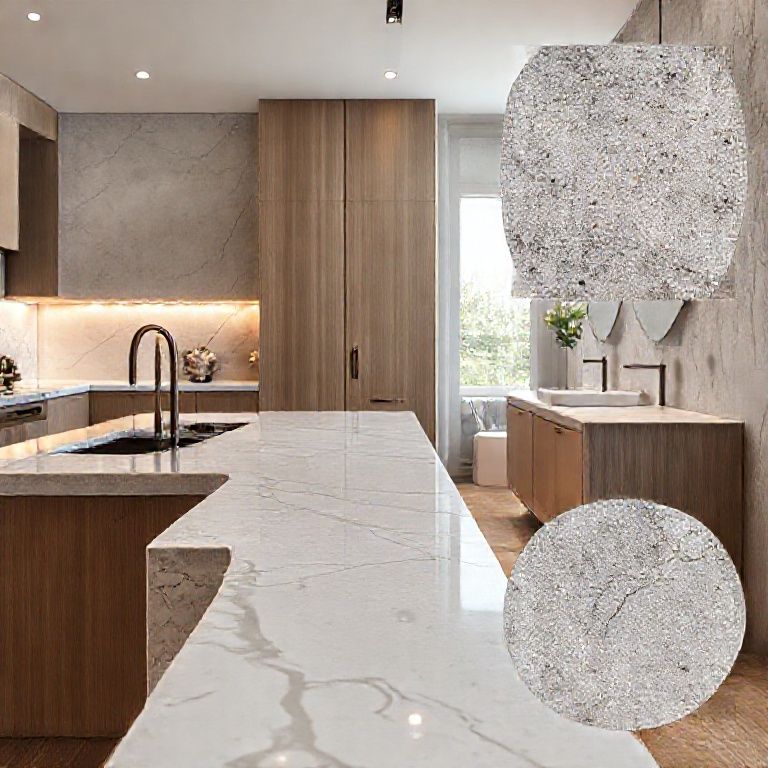
synthetic marble, natural marble, distinguishing features, manufacturing process, aesthetic qualities, durability, maintenance, cost, stone types, material composition, granite vs marble
How to Distinguish Between Synthetic and Natural Marble: A Comprehensive Guide
When it comes to selecting the perfect stone for your home décor or commercial project, understanding the difference between synthetic and natural marble is crucial. Marble has always been a popular choice for its elegance and timeless appeal, but the market today is flooded with synthetic alternatives that promise similar aesthetics at a lower cost. To help you navigate this complex landscape, we’ll delve into the characteristics, manufacturing processes, and aesthetic qualities that distinguish synthetic marble from its natural counterpart.
Manufacturing Processes
One of the most significant differences between synthetic and natural marble lies in their manufacturing processes. Natural marble is quarried directly from the earth and consists of minerals like calcite, dolomite, and aragonite, which are naturally deposited over millions of years. This slow geological process results in a unique, organic texture and color that varies from one piece to another.
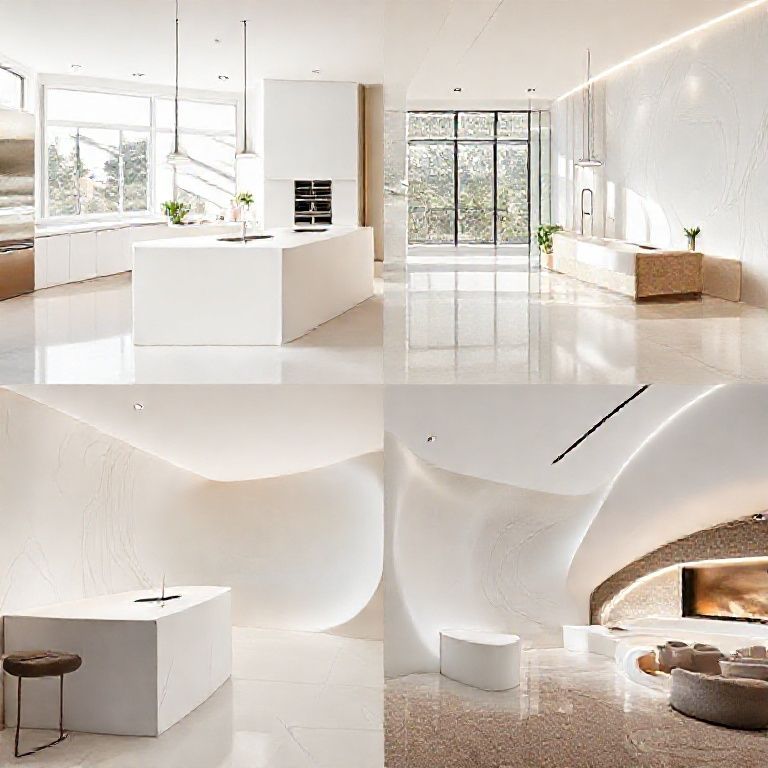
In contrast, synthetic marble, also known as engineered stone, is created in a laboratory. This process involves combining various materials such as quartz, resin, and pigments to mimic the appearance of natural marble. The mixture is then poured into molds and subjected to high pressure and temperature to form a solid, homogeneous stone.
Material Composition
The composition of the materials used in synthetic and natural marble is another key differentiator. Natural marble consists primarily of calcium carbonate, giving it a slightly porous structure that can absorb liquids and stains over time. This porosity can also lead to the growth of mold and bacteria if not properly maintained.
Synthetic marble, on the other hand, is made from non-porous materials that are chemically bonded under high pressure. This results in a stone that is resistant to staining, mold, and bacteria. The synthetic process allows for a consistent material composition across different pieces, ensuring uniformity in color and texture.
Aesthetic Qualities
When it comes to aesthetics, natural marble often has the edge in terms of unique patterns and colors. The natural geological processes that create marble result in intricate veining and a rich variety of hues that can range from creamy whites to deep blacks. Each piece of natural marble is unique, making it a highly sought-after choice for those who value individuality and natural beauty.
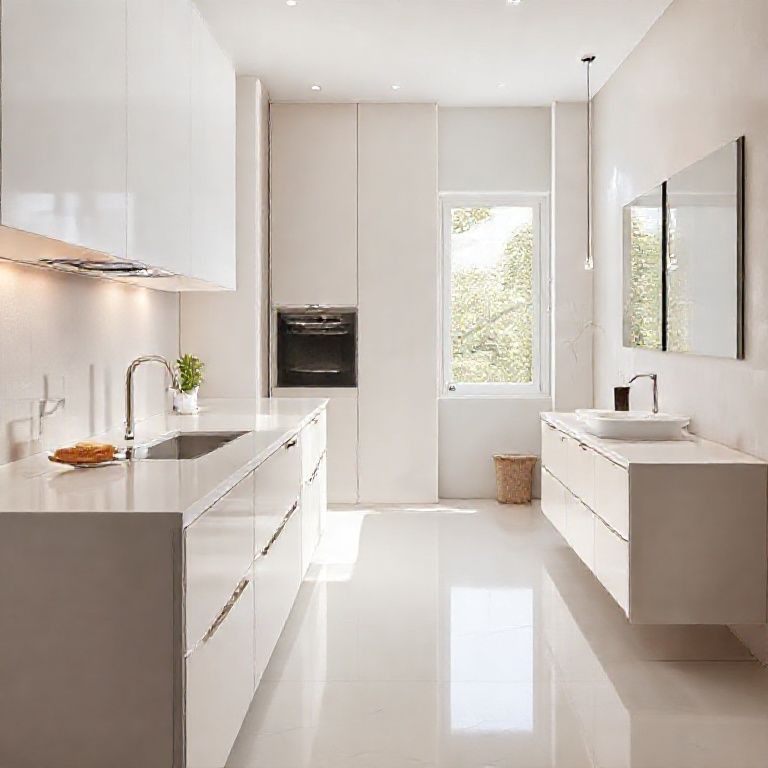
Synthetic marble, while designed to closely mimic natural marble, often lacks this one-of-a-kind quality. Although modern synthetic marble can be very convincing, it tends to have a more uniform and predictable appearance. The manufacturing process allows for consistent color and pattern replication, but it can sometimes result in a somewhat artificial look that lacks the organic charm of natural marble.
Durability and Maintenance
Durability is another area where synthetic and natural marble diverge. Natural marble is generally softer than synthetic marble, which means it can be more susceptible to scratches, chips, and stains. While high-quality natural marble can be sealed and polished to enhance its durability, it still requires regular maintenance to preserve its appearance.
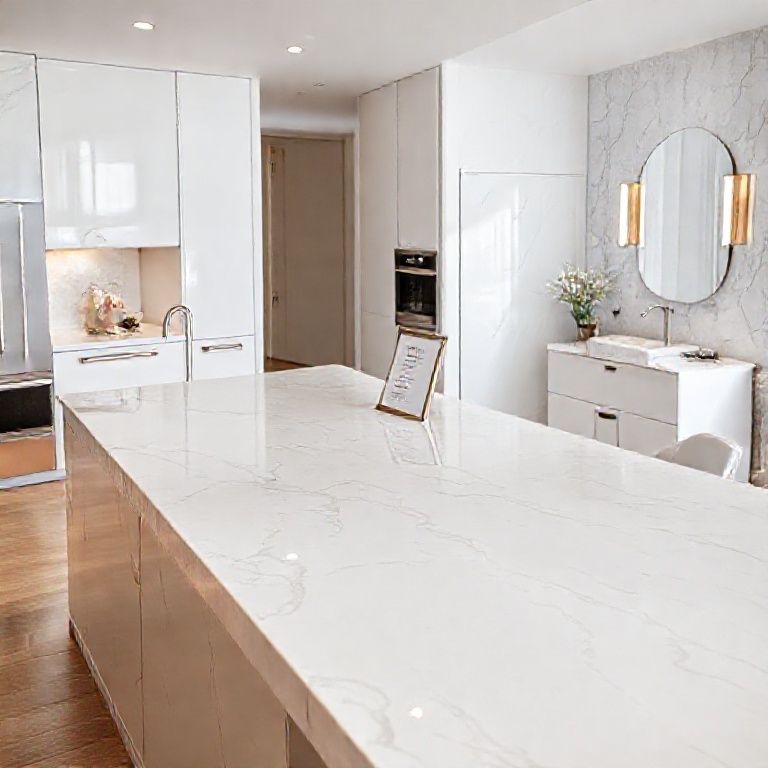
Synthetic marble, due to its non-porous nature, is significantly more resistant to scratches, chips, and stains. It also does not require sealing or polishing to maintain its appearance, making it a low-maintenance option. This durability makes synthetic marble an excellent choice for high-traffic areas where longevity and ease of maintenance are crucial.
Cost
Cost is often a deciding factor for many consumers. Natural marble is typically more expensive due to the labor-intensive process of quarrying and the variability in color and pattern. The cost can also vary significantly depending on the type of marble and its rarity.
Synthetic marble, while generally more affordable, can still vary in price depending on the quality of materials used and the complexity of the design. However, in the long run, the lower maintenance requirements and increased durability often make synthetic marble a cost-effective choice despite its initial lower price point.
Environmental Impact
The environmental impact of producing synthetic and natural marble also plays a role in distinguishing them. The extraction of natural marble from quarries can lead to significant ecological disruption, including deforestation, habitat destruction, and increased carbon emissions. Additionally, the transportation of natural marble over long distances can further contribute to its environmental footprint.
In contrast, synthetic marble production involves less environmental disruption. The manufacturing process can be more controlled, and the use of recycled materials in some cases can reduce the overall ecological impact. However, it’s important to consider the energy used in the high-pressure and temperature processes involved in creating synthetic marble.
How to Distinguish Between Synthetic and Natural Marble: A Comprehensive Guide
In the previous part, we explored the fundamental differences between synthetic and natural marble in terms of manufacturing processes, material composition, aesthetic qualities, durability, maintenance, cost, and environmental impact. Now, we’ll delve deeper into additional aspects that will help you make an informed decision when choosing between these two types of stone.
Texture and Touch
The texture of natural marble often provides a unique and tactile experience that synthetic marble can struggle to replicate perfectly. Natural marble has a slightly uneven surface due to its organic formation, which can feel more natural and authentic to the touch. The subtle variations in texture and the way light interacts with the stone can create a serene and elegant atmosphere.
Synthetic marble, while designed to mimic natural marble closely, can sometimes lack this nuanced texture. The precision of the manufacturing process often results in a smoother surface that may feel less natural. However, advancements in synthetic marble technology have led to significant improvements in texture replication, making it increasingly difficult to distinguish by touch alone.
Color Variation
One of the most striking differences between synthetic and natural marble is the way color is achieved. Natural marble comes in a wide array of colors and patterns due to the natural processes that create it. This results in unique and varied color distributions that are often more appealing to those who appreciate the natural beauty of organic materials.
Synthetic marble, while capable of replicating a wide range of colors and patterns, often relies on pigments and dyes to achieve its appearance. While these colors can be very convincing, they can sometimes lack the depth and richness of natural marble. Moreover, synthetic marble is usually more consistent in color across different pieces, which can sometimes feel less dynamic and varied.
Chemical Resistance
Chemical resistance is an important consideration when choosing between synthetic and natural marble. Natural marble, due to its slightly porous nature, can be more susceptible to chemical stains and damage from substances like acids, solvents, and cleaning agents. While high-quality natural marble can be sealed to improve its resistance, it still requires regular maintenance to ensure it remains protected.
Synthetic marble, being non-porous, is inherently more resistant to chemical stains and damage. This makes it an excellent choice for areas exposed to harsh chemicals or cleaning agents. The durability of synthetic marble extends to its resistance to most household cleaning products, providing a low-maintenance option that is easy to clean and maintain.
Installation and Versatility
When it comes to installation, synthetic marble offers several advantages over natural marble. Synthetic marble slabs are typically lighter and easier to handle, making the installation process simpler and less labor-intensive. Additionally, synthetic marble slabs can be cut to precise dimensions, allowing for easy customization and fitting in various spaces.
Natural marble, while beautiful, can be more challenging to work with during installation. The heavier weight and more intricate patterns can make it more difficult to handle, and the process of cutting and shaping natural marble requires skilled labor. However, natural marble is often preferred for its unique aesthetic qualities, which can make it worth the extra effort for certain high-end projects.
Historical and Cultural Significance
Natural marble holds a significant historical and cultural value that synthetic marble cannot replicate. Marble has been used for centuries in various cultures around the world, from ancient Greek sculptures to Renaissance art. The use of natural marble in architectural and decorative projects often adds a layer of historical and cultural significance that synthetic marble cannot match.
Synthetic marble, while a modern innovation, offers versatility and consistency that can be advantageous in contemporary design. However, it lacks the historical and cultural depth that natural marble carries. For those who value the legacy and heritage associated with natural materials, marble remains a preferred choice.
Sustainability and Future Trends
As sustainability becomes a more pressing concern, the choice between synthetic and natural marble can have significant implications. The production of natural marble involves mining and transportation processes that can have considerable environmental impacts. While some efforts are being made to reduce these impacts, the overall ecological footprint of natural marble remains a concern.
Synthetic marble, on the other hand, offers potential sustainability benefits. The manufacturing process can be more controlled, and the use of recycled materials in some cases can reduce the environmental impact. Additionally, the durability and longevity of synthetic marble can reduce the need for frequent replacement, contributing to a more sustainable lifecycle.
Conclusion
Distinguishing between synthetic and natural marble involves a careful consideration of several factors, including manufacturing processes, material composition, aesthetic qualities, durability, maintenance, cost, environmental impact, texture, color variation, chemical resistance, installation, historical significance, and sustainability. Each type of marble has its unique advantages and drawbacks, making the choice highly dependent on individual preferences and specific project requirements.
For those who value the natural beauty and historical significance of marble, natural marble remains an unparalleled choice. However, for those prioritizing durability, low maintenance, and cost-effectiveness, synthetic marble offers继续探讨选择人造大理石和天然大理石的最终决定因素,我们需要更深入地了解这两种材料在实际应用中的表现和用户体验。
实际应用中的表现
1. 美观和设计灵活性
天然大理石以其独特的纹理和色彩赢得了许多设计师和用户的青睐。这种美观和设计灵活性使得天然大理石在高端建筑、雕塑和装饰项目中极为受欢迎。由于其自然形成,每一块天然大理石都是独一无二的,这意味着设计师可能需要更多的时间和资源来寻找和整合理想的材料。
相比之下,人造大理石在设计灵活性方面有明显优势。由于其可在制造过程中精确控制颜色和纹理,设计师可以更精确地实现他们的设计理念。人造大理石可以模仿多种材料,如花岗岩、石英石等,提供更多的选择。
2. 耐久性和耐用性
耐久性和耐用性是许多建筑和装饰项目考虑的关键因素。天然大理石通常被认为是高耐久性材料,但它也比较容易受到刮擦、压痕和化学损害。尽管高质量的天然大理石可以通过密封和抛光来增加耐用性,但这些处理通常需要定期维护。
相反,人造大理石由于其非多孔的结构,通常具有更高的耐久性和耐用性。它不易受到刮擦、冲击和化学物质的影响,并且不需要定期的维护和保养。这使得人造大理石成为高流量区域,如厨房、浴室和商业空间的理想选择。
用户体验和便利性
1. 维护和清洁
天然大理石尽管美观,但其维护和清洁要求较高。由于其多孔结构,天然大理石容易吸收液体和染料,这会导致永久性污渍。为了防止这种情况,天然大理石表面通常需要密封,但这种密封需要定期更新。天然大理石还需要定期的抛光和保养以保持其光泽和美观。
人造大理石的维护要求相对简单。由于其非多孔的结构,它不易吸收液体和染料,因此不需要定期密封和抛光。清洁人造大理石只需要简单的清洁剂和水,这使得人造大理石成为忙碌家庭和商业空间的理想选择。
2. 成本和预算
在选择天然大理石和人造大理石时,成本和预算是一个重要的考虑因素。天然大理石通常比人造大理石更昂贵,这是由于其稀有性和高质量材料的需求。天然大理石的运输和安装成本也可能较高,特别是对于需要大块材料的项目。
人造大理石通常更经济实惠,特别是对于大面积装饰和大型项目。由于其成本较低,人造大理石提供了更大的预算灵活性,使得它成为许多中等和大型项目的理想选择。
环保和可持续性
随着环保和可持续性的日益重要性,选择材料时这一因素也越来越受到关注。天然大理石的开采和运输对环境有一定影响,包括土地破坏、水资源消耗和碳排放。天然大理石的生产过程通常不会产生有害废弃物,但其全生命周期环境影响仍需要考虑。
相比之下,人造大理石的生产过程可以更加控制环境影响,尤其是当使用再生材料和可再生能源时。尽管人造大理石制造过程中可能会产生一些废弃物,但通过严格的环保措施,这些影响可以被最小化。人造大理石的长寿命和低维护需求也意味着其在整个生命周期中对环境的影响可能较小。
结论
在选择天然大理石和人造大理石时,需要综合考虑美观、耐用性、维护需求、成本和环保因素。天然大理石以其独特的自然美感和历史文化价值吸引了许多人,但其高维护需求和成本可能会限制其应用范围。而人造大理石则提供了更高的耐用性、更低的维护需求和更大的成本灵活性,使其成为现代建筑和装饰的理想选择。
最终的选择应根据具体项目的需求、预算和个人偏好来决定。无论选择哪种材料,都应确保其来源和生产过程符合环保和可持续性标准,以尽量减少对环境的负面影响。