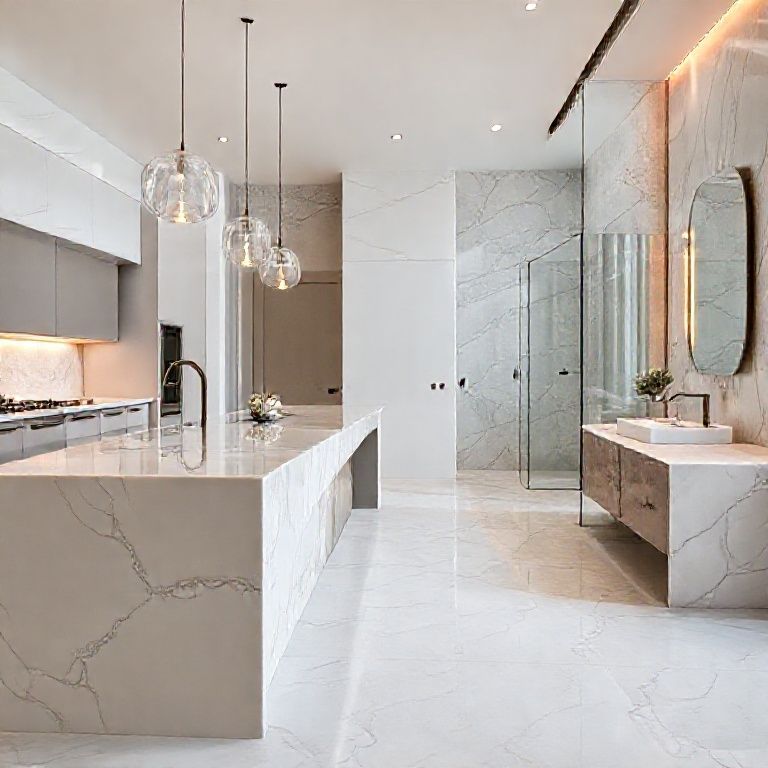
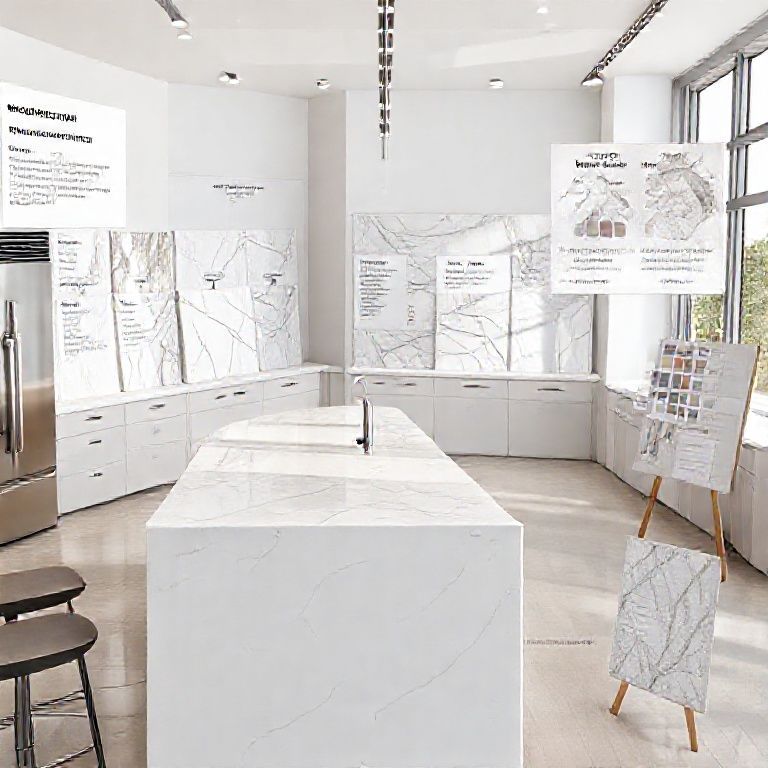
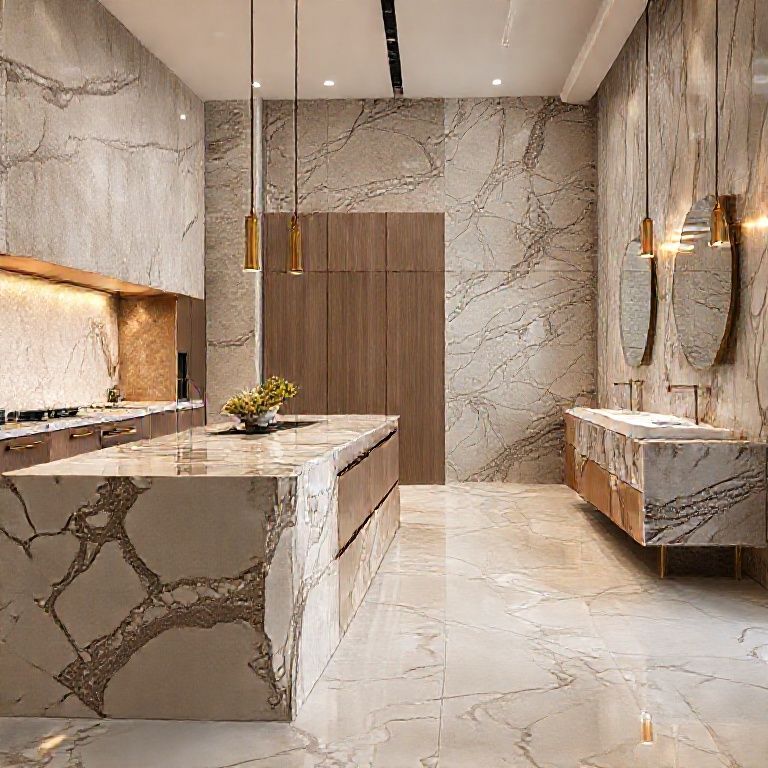
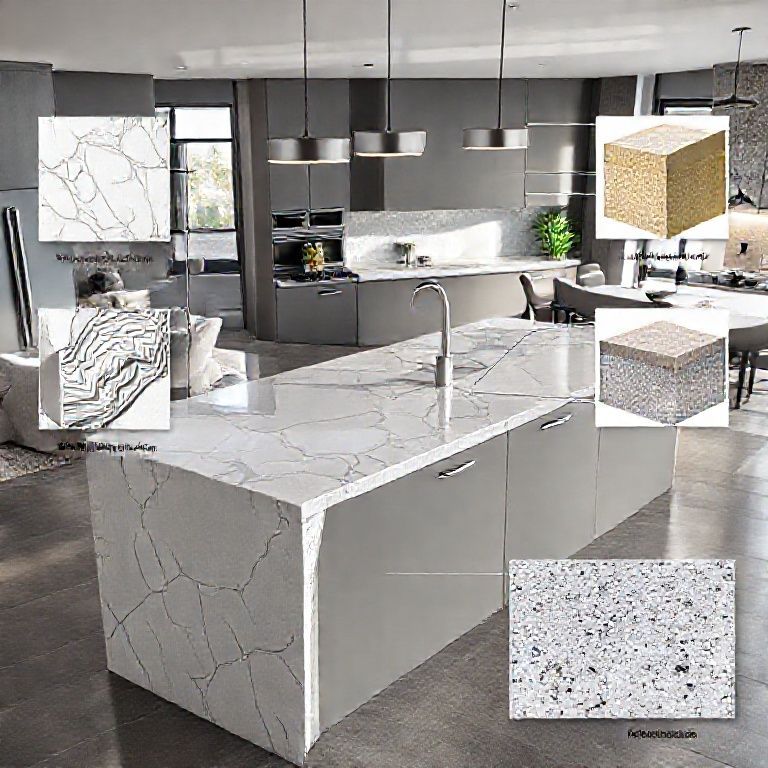
Discover effective solutions to tackle color problems in artificial marble with our comprehensive guide. From understanding the root causes to implementing practical fixes, learn how to maintain the beauty and integrity of your artificial marble surfaces. Dive into Part 1 now to start your journey towards impeccable marble aesthetics.
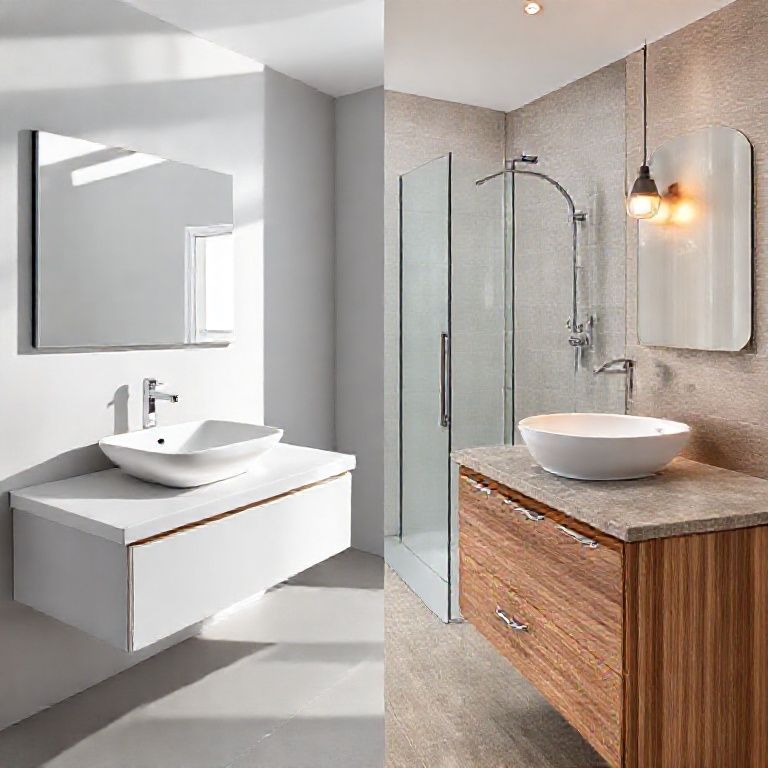
Understanding and Addressing Color Problems in Artificial Marble
In the realm of interior design and home décor, artificial marble stands out as a popular choice for its beauty, durability, and ease of maintenance. However, like any other material, it can encounter issues, particularly concerning color. This comprehensive guide will delve into the common causes of color problems in artificial marble and provide practical solutions to restore its pristine appearance.
Causes of Color Problems in Artificial Marble
Artificial marble is composed of a mixture of resin, pigments, and other additives that give it its unique aesthetic. However, several factors can lead to color issues:
Staining: One of the most common problems is staining, which can occur due to exposure to acidic substances like lemon juice, vinegar, or wine. These acids can react with the pigments in the artificial marble, causing discoloration.
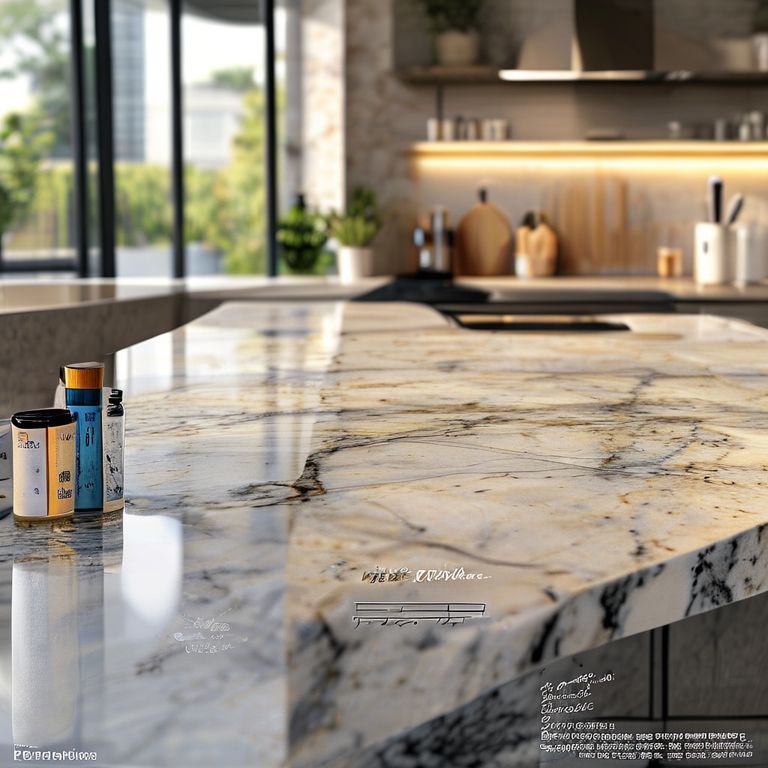
Abrasion: Physical wear and tear, such as scratches or abrasions from hard objects, can lead to a loss of color and dullness in the surface.
Chemical Exposure: Exposure to harsh cleaning chemicals or household products can strip the surface of its protective layer, leading to color fading or discoloration.
Thermal Damage: Heat from cooking or other sources can cause color changes, particularly in areas exposed to direct heat.
Improper Maintenance: Inadequate cleaning or the use of inappropriate cleaning agents can contribute to color problems over time.
Immediate Actions to Address Color Issues
When you notice color problems in your artificial marble, it’s essential to act quickly to prevent further damage. Here’s what you can do:
Identify the Stain: Determine the type of stain to choose the appropriate cleaning method. Acidic stains, for example, require different treatment compared to grease or oil stains.
Use Mild Cleaning Agents: Avoid harsh chemicals. Instead, use mild cleaning agents like dish soap or a gentle marble cleaner. Avoid abrasive pads or brushes that can scratch the surface.
Neutralize Acidic Stains: For stains caused by acidic substances, use a mild base like baking soda mixed with water to neutralize the acid. Apply this solution to the stained area and let it sit for a few minutes before gently wiping it off.
Heat Damage: For areas affected by heat, apply a specialized marble sealant to protect the surface and restore its color. This step is crucial in preventing further discoloration.
Professional Solutions for Persistent Problems
In some cases, color problems in artificial marble may require professional intervention. Here’s what to expect:
Assessment and Diagnosis: A professional will first assess the extent of the damage to determine the best course of action. They will identify the root cause and the type of discoloration.
Surface Repair: Depending on the damage, professionals may use techniques such as surface re-polishing or resurfacing to restore the color and texture. This involves removing the top layer and applying a new layer of pigmented resin.
Cosmetic Repairs: For cosmetic issues like minor scratches or stains, professionals can use color matching techniques to blend the repaired area seamlessly with the surrounding surface.
Protective Coatings: To prevent future issues, professionals often apply protective coatings that shield the artificial marble from stains and chemical exposure.
Preventative Measures for Long-Term Care
Prevention is always better than cure. Here are some tips to maintain the color and integrity of your artificial marble:
Use Coasters and Trivets: Place coasters under drinks and trivets under hot dishes to prevent stains and thermal damage.
Avoid Harsh Chemicals: Use mild cleaning agents and avoid abrasive materials. For deep cleaning, opt for specialized marble cleaners.
Regular Maintenance: Regularly clean the surface with a damp cloth and mild soap to remove dirt and prevent buildup.
Immediate Stain Treatment: Address stains immediately to prevent them from setting in and causing permanent discoloration.
By understanding the causes of color problems in artificial marble and implementing these solutions, you can maintain the beauty and integrity of your surfaces for years to come. Stay tuned for Part 2, where we will explore advanced techniques and additional tips to keep your artificial marble looking its best.
Explore advanced methods and additional tips to effectively restore and maintain the vibrant colors of artificial marble in your home. Learn how to tackle stubborn stains, prevent future damage, and extend the life of your marble surfaces with expert advice and practical solutions.
Advanced Techniques and Additional Tips for Color Restoration in Artificial Marble
In Part 1, we delved into the causes of color problems in artificial marble and provided immediate actions and professional solutions for addressing these issues. Now, let’s explore advanced techniques and additional tips to ensure your artificial marble remains vibrant and beautiful over time.
Advanced Stain Removal Techniques
When it comes to removing stubborn stains from artificial marble, advanced techniques can make a significant difference. Here’s how to tackle some of the most challenging stains:
Oil and Grease Stains: Vinegar and Baking Soda Paste: Create a paste using equal parts of baking soda and vinegar. Apply it to the stained area and let it sit for 15-20 minutes before scrubbing gently with a soft cloth. Rinse with water and dry thoroughly. Commercial Cleaners: Use specialized cleaners designed for oil and grease stains. Follow the manufacturer’s instructions for application and safety. Wine and Juice Stains: Baking Soda Solution: Mix baking soda with water to form a paste. Apply it to the stain, let it sit for 10 minutes, then scrub gently with a soft cloth. Rinse and dry. Hydrogen Peroxide: For stubborn wine stains, use a solution of hydrogen peroxide and water (1:1 ratio). Apply it to the stain, let it sit for 10 minutes, then scrub gently and rinse. Food Stains: Lemon Juice and Salt: Rub lemon juice onto the stain and sprinkle salt over it. Let it sit for 10 minutes, then scrub with a soft cloth. Rinse and dry. Commercial Enzyme Cleaners: These cleaners contain enzymes that break down food particles. Follow the product instructions for application.
Enhancing Color with Professional Techniques
Professional color restoration services offer advanced techniques to enhance and maintain the color of artificial marble:
Color Matching: Pigment Application: Professionals can apply pigments to match the color of the surrounding marble. This technique is especially useful for minor discolorations. Micro-Filling: This involves filling tiny surface imperfections with a pigmented resin that matches the marble’s color, ensuring a seamless appearance. Surface Refinishing: Polishing: For areas with dullness or minor scratches, professionals can refinish the surface by polishing it to restore its shine and color. Resurfacing: In cases of extensive damage, professionals can remove the top layer and apply a new layer of pigmented resin to restore the original color and texture. Protective Coatings: Sealants: Applying a protective sealant can create a barrier against stains and chemicals, preserving the color and integrity of the artificial marble. UV Protectors: These coatings protect against UV damage, which can cause fading over time.
Preventative Care and Maintenance Tips
To prevent future color problems and maintain the beauty of your artificial marble, consider these additional tips:
Regular Cleaning Routine: Daily Wipe Down: Use a damp cloth with mild soap to wipe down the surface daily. This removes dirt and prevents buildup. Weekly Deep Clean: Perform a more thorough cleaning weekly, using a specialized marble cleaner and a soft cloth. Use Appropriate Utensils: Coasters and Trivets: Always use coasters under drinks and trivets under hot dishes to prevent stains and thermal damage. Non-Abrasive Pads: Use non-abrasive cleaning pads for regular cleaning to avoid scratches. Immediate Stain Treatment: Act Quickly: Address stains immediately to prevent them from setting in and causing permanent discoloration. Use the appropriate cleaning solution as soon as you notice a stain. Avoid Overexposure to Chemicals: Mild Cleaners: Stick to mild, non-abrasive cleaners. Avoid harsh chemicals and solvents that can damage the surface. Proper Ventilation: When using any cleaning products, ensure proper ventilation to avoid inhaling fumes. Temperature Control: Heat Dissipation: Use trivets for hot dishes to prevent thermal damage. Avoid placing hot items directly on the surface.
Long-Term Maintenance for Aesthetic Enhancement
Long-term maintenance is key to keeping your artificial marble looking pristine. Here’s how to enhance its aesthetic appeal:
Regular Polishing: -定期进行表面抛光和打磨可以有效延长人造大理石的使用寿命,并保持其光泽和美观。使用专业的抛光工具和抛光膏,可以使表面更加光滑,同时还能减少细微划痕和污渍的积累。
专业维护服务:每隔几个月或根据使用频率,最好请专业的维护人员进行深度清洁和保养。他们不仅可以进行高效的清洁,还能进行必要的保护处理,如涂抹保护层,以防止未来的损害。
适当的清洁:选择适当的清洁产品和工具是保持人造大理石颜色的关键。避免使用含有酸性或氨水的清洁剂,因为这些化学物质可能会对表面造成损害。
防护措施:在人造大理石的周围安装防护栏或边缘保护,尤其是在厨房和浴室等容易受到水和化学品影响的地方。这些措施可以有效减少边缘的损坏,并保持整体的美观。
定期检查和修复:定期检查人造大理石表面是否有任何微小的损伤或污渍,并及时进行修复。这样可以防止问题恶化,并延长其使用寿命。
避免使用硬物:在清洁和使用人造大理石时,尽量避免使用硬质的工具和清洁剂,以防止划痕和磨损。如果需要清洁顽固污渍,可以使用软布和温和的清洁剂。
通过以上这些措施,您可以有效解决人造大理石染色的问题,并确保其在家庭或商业环境中长期保持美观和功能。定期的维护和适当的保护措施,是确保人造大理石长久美观的关键。