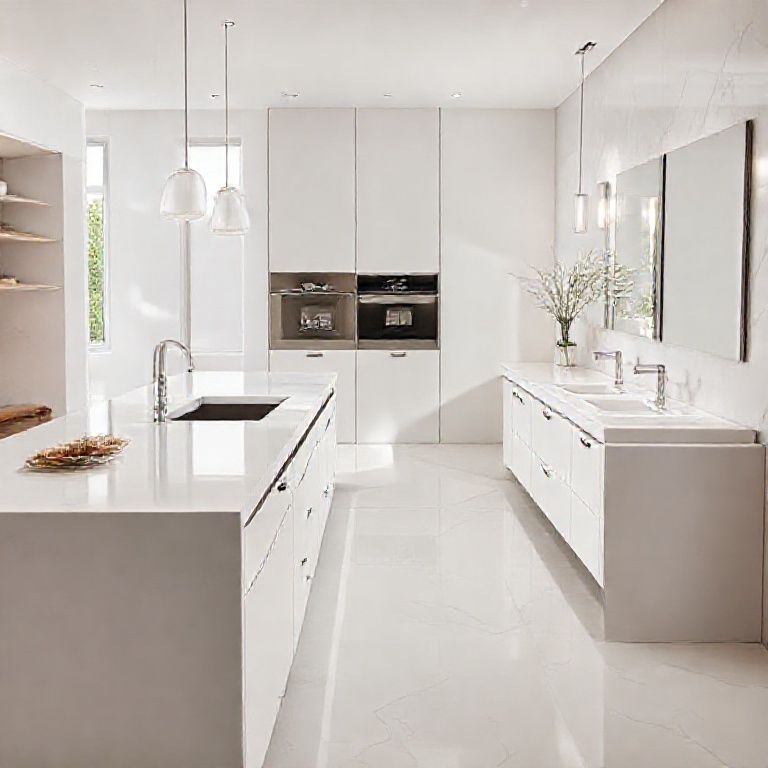
How to Effectively Clean and Maintain Artificial Quartz Countertops to Prevent Water Staining
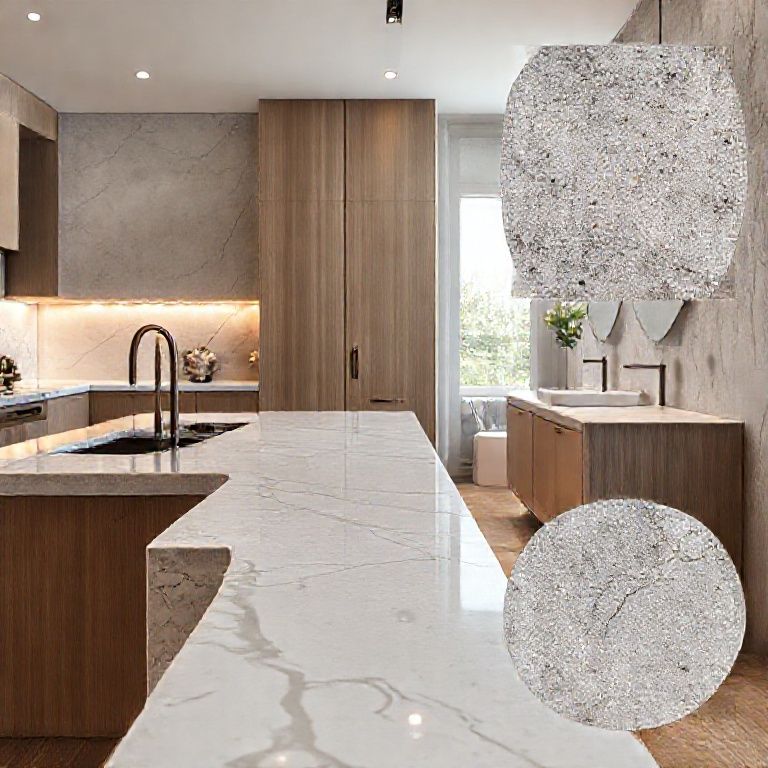
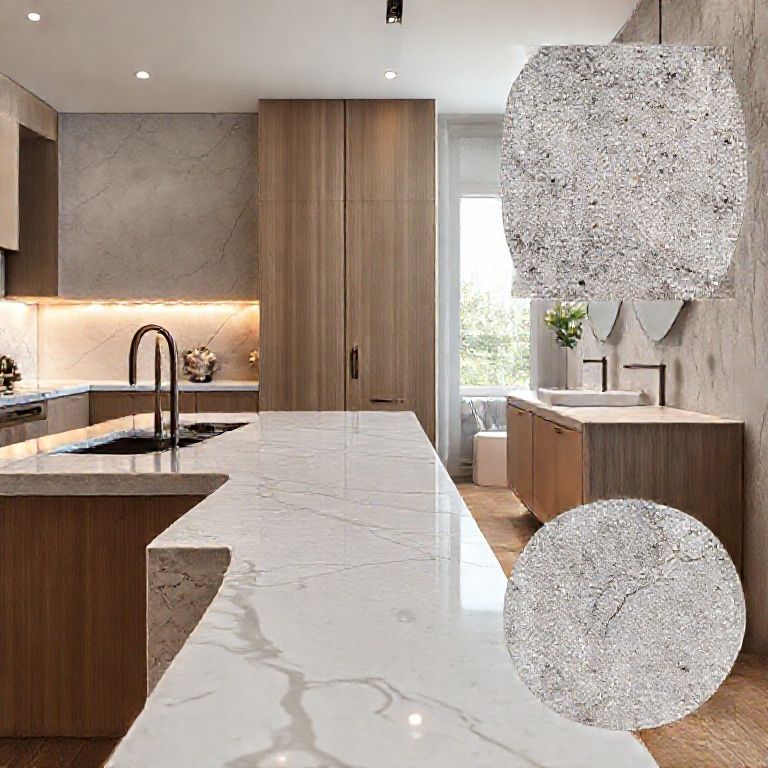
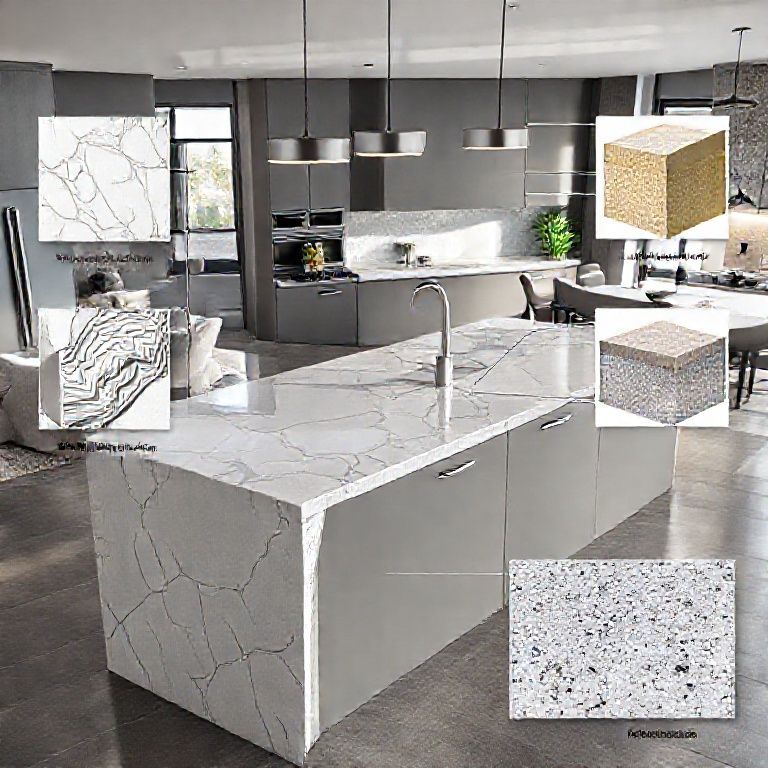
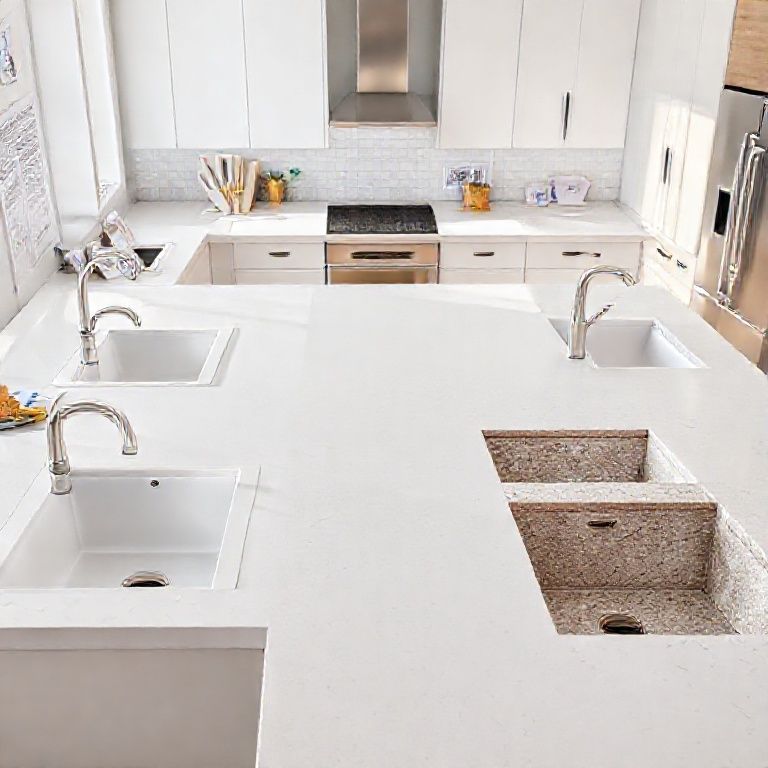
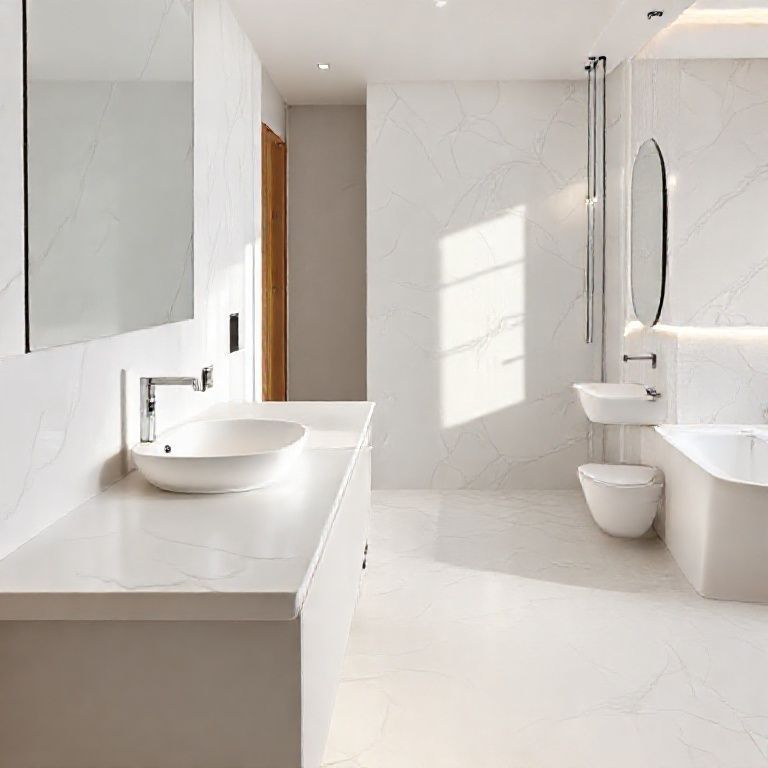
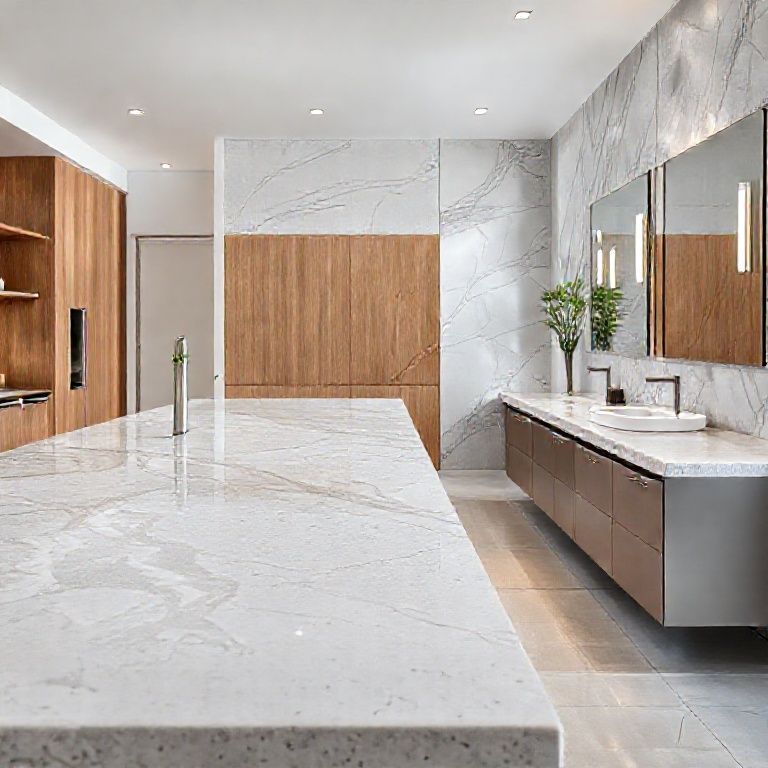
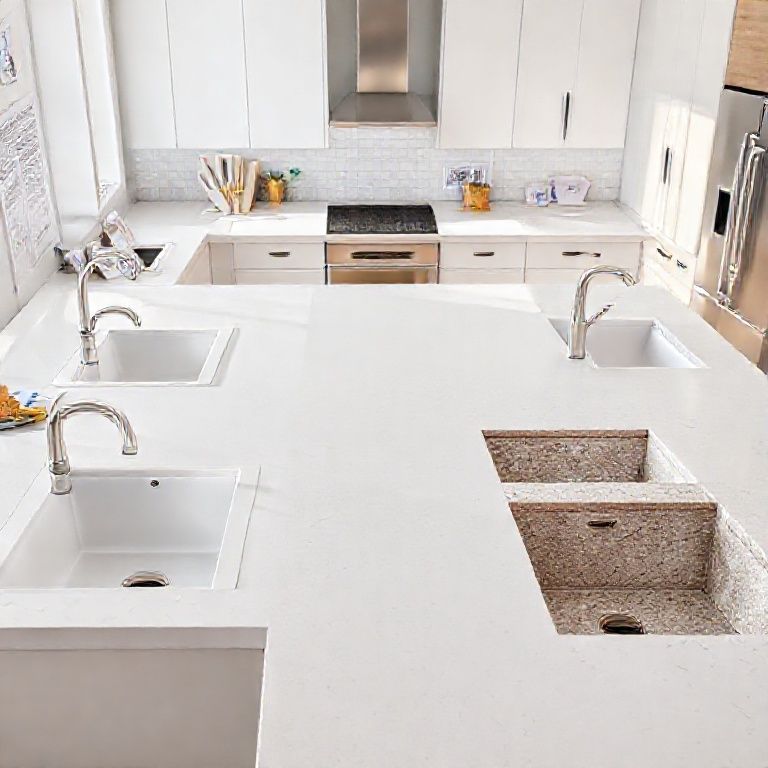
Artificial quartz countertops have revolutionized kitchen and bathroom design with their durability, aesthetic appeal, and ease of maintenance. Known for their resistance to scratches, stains, and bacteria, these countertops are a popular choice for many homeowners. However, despite their resilience, they can still develop issues such as water staining, which can detract from their pristine look. This comprehensive guide will walk you through the causes of water staining and provide detailed, effective methods for cleaning and maintaining your artificial quartz countertops to keep them looking new.
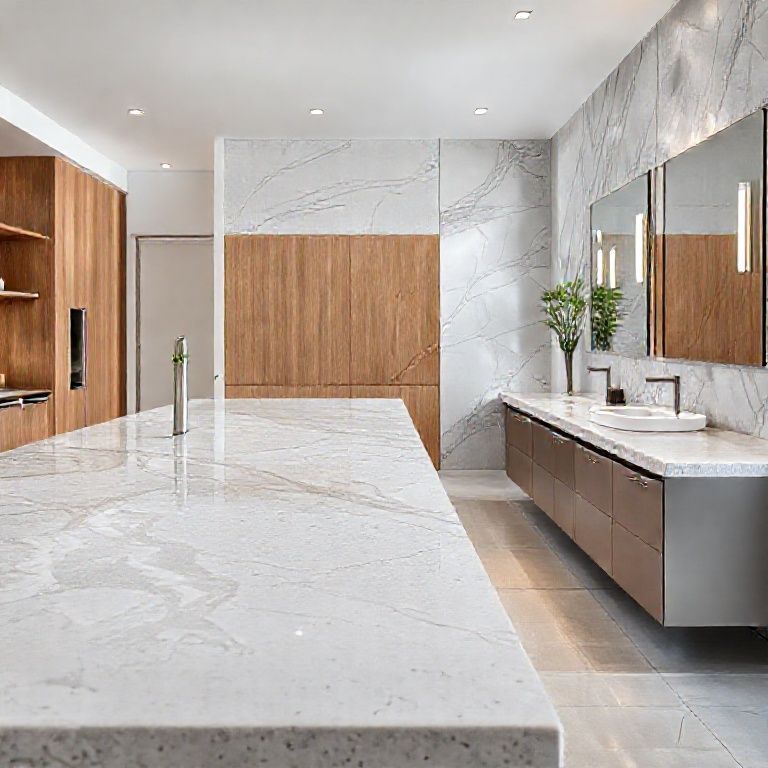
Understanding the Causes of Water Staining
Water staining on artificial quartz countertops typically occurs due to prolonged exposure to water, especially when spills are not promptly cleaned. Here are some common causes:
Water Ring Stains: When water is left on the surface for an extended period, it can create a water ring stain. This happens because water seeps into the tiny pores of the stone and then evaporates, leaving a yellow or brown discoloration.
Ceramic Tile Adhesive Spills: If ceramic tile adhesive or grout is accidentally spilled on the quartz surface, it can cause staining. This is because the adhesive contains silica and other minerals that can leave a mark when left to dry.
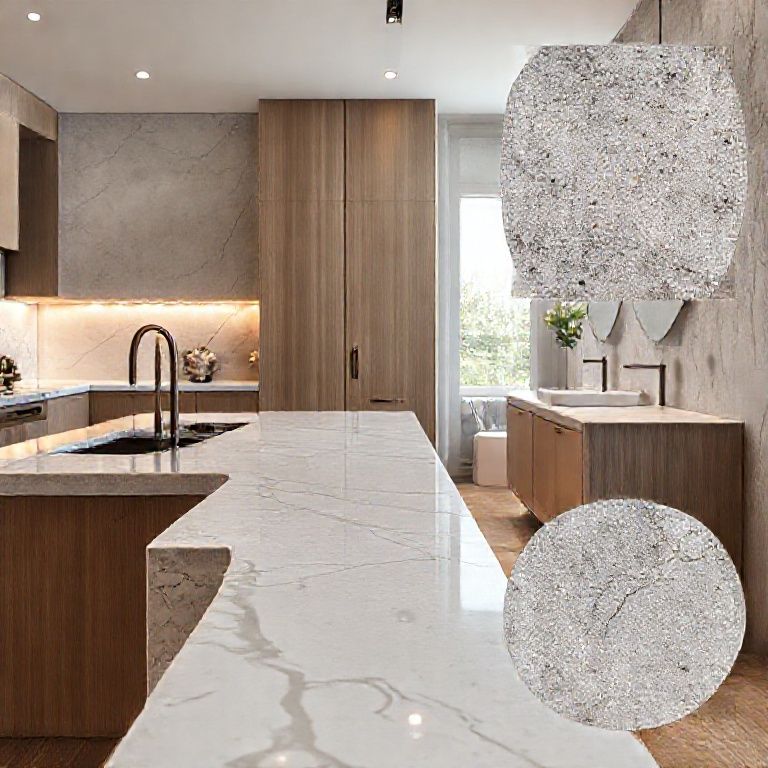
Regular Use of Water-Based Products: Frequent use of water-based cleaners or cooking spills can sometimes lead to water stains, especially if not cleaned immediately.
Immediate Steps to Prevent Water Stains
Preventing water staining is always easier than removing it. Here are some immediate steps you can take to avoid stains on your quartz countertops:
Clean Up Spills Immediately: The first rule of maintaining a clean quartz countertop is to clean up spills immediately. Use a dry towel to blot up any liquid spills and then wipe the surface with a clean, dry cloth.
Use Coasters and Trivets: To prevent water rings, use coasters under cups and glasses, and trivets under pots and pans. This simple practice can significantly reduce the risk of water staining.
Avoid Harsh Chemicals: While quartz is resistant to many chemicals, it’s best to avoid using harsh cleaning agents that can potentially dull the surface. Opt for mild, non-abrasive cleaners.
Cleaning Solutions for Water Stains
If water stains have already appeared, here’s how you can effectively clean them without damaging your quartz countertop:
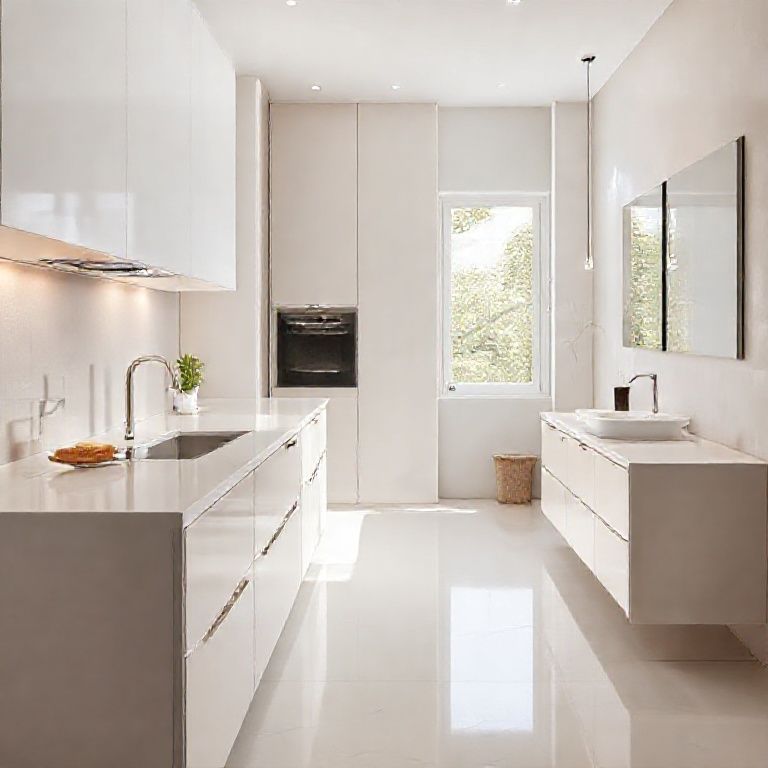
Vinegar and Baking Soda Solution: A popular and effective homemade cleaning solution is a mixture of vinegar and baking soda. Here’s how to use it: Step 1: Mix equal parts of baking soda and water to create a paste. Step 2: Apply the paste to the stained area and let it sit for 5-10 minutes. Step 3: Scrub gently with a soft cloth or sponge. Step 4: Rinse with clean water and dry the surface thoroughly.
Commercial Cleaners: There are several commercial cleaners specifically designed for quartz countertops. Follow the manufacturer’s instructions for the best results. Typically, these cleaners will include instructions for applying the product, scrubbing, and rinsing.
Hydrogen Peroxide: For stubborn stains, hydrogen peroxide can be an effective option. Apply a small amount directly to the stain, let it sit for a few minutes, then wipe clean with a damp cloth. Be cautious with this method, as hydrogen peroxide can be irritating to the skin and may bleach certain fabrics.
Maintenance Tips to Keep Your Quartz Countertops Stain-Free
Regular maintenance is key to keeping your quartz countertops looking pristine. Here are some additional tips:
Regular Cleaning: Wipe down your countertops with a mild cleaner and a soft cloth daily to remove any grime and prevent stains from setting in.
Polish the Surface: Regular polishing can help maintain the shine and smoothness of your quartz surface. Use a quartz countertop polish or a dedicated stone polish to gently buff the surface.
Use Protective Pads: When placing hot pots or pans on your countertop, use protective pads to prevent thermal shock, which can cause cracks.
Avoid Cutting on Non-Flat Surfaces: Quartz countertops are ideal for cutting food, but avoid cutting on uneven surfaces to prevent scratches and potential water stains.
Professional Cleaning: Consider hiring a professional to clean your countertops annually. Professionals have specialized equipment and expertise to ensure your quartz remains in top condition.
Stay tuned for the second part of our guide on how to effectively clean and maintain your artificial quartz countertops to prevent water staining.
In part two, we will delve deeper into advanced cleaning techniques, additional maintenance tips, and how to choose the right cleaning products for your quartz countertop. Stay tuned for more valuable insights!