How to Effectively Clean and Restore Artificial Marble After Contamination
Artificial marble has become an increasingly popular choice for countertops, sinks, and other surfaces due to its durability, ease of maintenance, and stunning aesthetic appeal. However, despite its robustness, artificial marble can still suffer from contamination, which may mar its appearance and overall quality. Whether it’s from spills, stains, or prolonged exposure to harsh chemicals, understanding how to effectively clean and restore your artificial marble is crucial for maintaining its pristine look. This guide will provide you with detailed steps and useful tips to ensure your artificial marble surfaces remain immaculate.
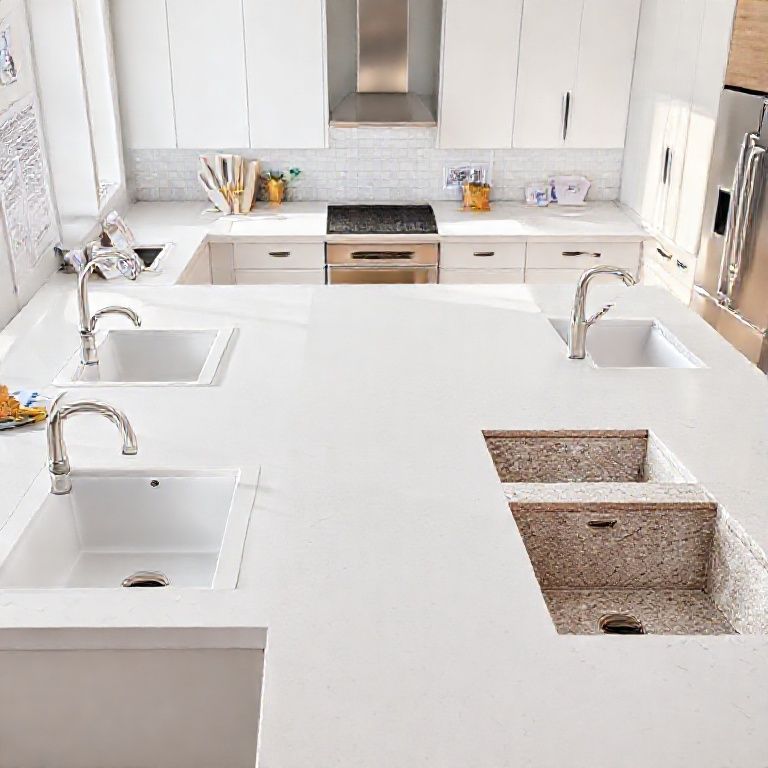
Identifying Common Contaminants
Before diving into the cleaning process, it’s important to identify the type of contaminants affecting your artificial marble. Common contaminants include:
Oil and Grease: Often from cooking or food preparation. Water Spots: Resulting from spills and condensation. Chemical Stains: From cleaning agents or acidic substances. Food Stains: Including coffee, tea, juice, and other colored beverages.
Understanding the Nature of Artificial Marble
Artificial marble is typically composed of resin, marble chips, pigments, and other materials. This composite structure makes it less porous than natural marble, but it is still susceptible to stains and scratches. Knowing the composition helps in selecting the appropriate cleaning agents and techniques to avoid damaging the surface.
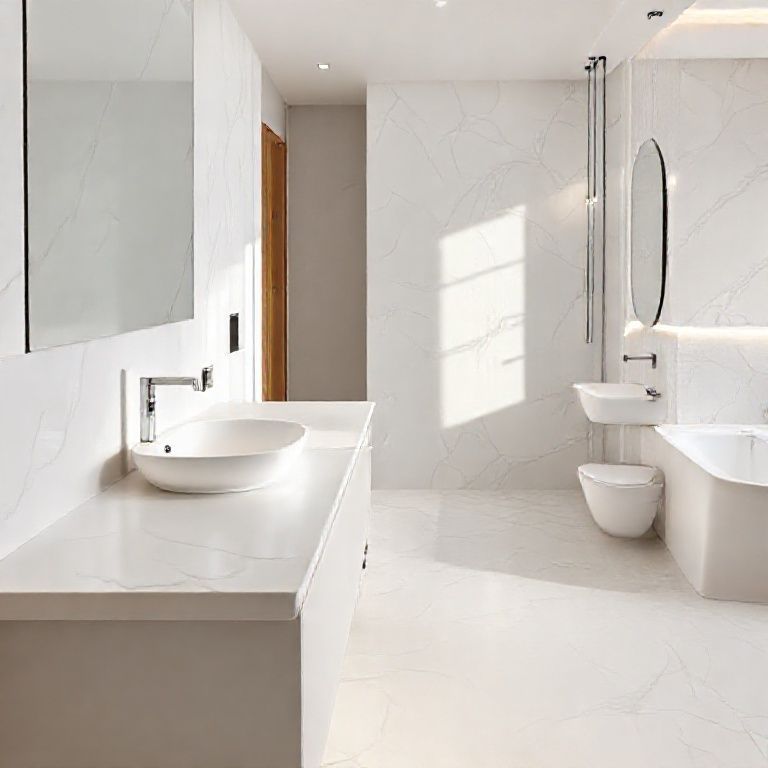
Preliminary Cleaning Steps
1. Dust and Debris Removal
Start by gently dusting the surface with a soft cloth or a microfiber duster to remove any loose debris and dust particles. This step ensures that you don’t scratch the surface when applying cleaning solutions.
2. Testing Cleaning Products
Before applying any cleaning product to a large area, test it on a small, inconspicuous section of the artificial marble. This helps to ensure that the product does not cause discoloration or damage.
Cleaning Artificial Marble Surfaces
Cleaning Oil and Grease Stains
Mild Detergent Solution: Mix a small amount of mild dish soap with warm water. Dampen a soft cloth with the solution and gently wipe the stained area. Rinse the cloth frequently to avoid spreading the stain. Use a dry cloth to wipe the area dry. Vinegar and Baking Soda Paste: For tougher oil stains, create a paste using baking soda and a few drops of water. Apply the paste to the stain and let it sit for 15-20 minutes. Scrub gently with a soft-bristled brush. Wipe clean with a damp cloth and dry.
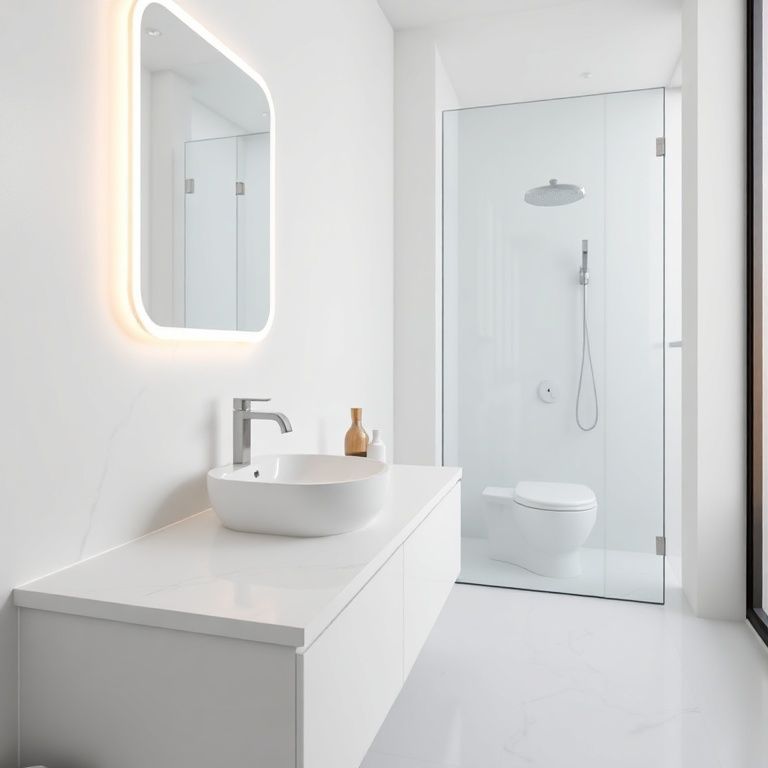
Cleaning Water Spots
Rubbing Alcohol Solution: Mix equal parts of rubbing alcohol and water. Apply to the water spots using a soft cloth. Wipe gently in a circular motion. Allow to air dry. White Vinegar: Dampen a cloth with white vinegar. Wipe the affected area. Rinse and dry thoroughly.
Cleaning Chemical Stains
Hydrogen Peroxide: Apply a small amount of hydrogen peroxide directly to the stain. Let it sit for a few minutes to break down the chemical residue. Wipe clean with a damp cloth. Rinse and dry. Baking Soda and Water: Create a paste with baking soda and water. Apply to the stain and scrub gently with a soft brush. Wipe clean with a damp cloth. Dry the area thoroughly.
Cleaning Food Stains
Lemon Juice and Salt: Mix lemon juice and salt to form a paste. Apply to the stain and let it sit for 10 minutes. Scrub gently with a soft-bristled brush. Rinse and dry. Baking Soda and Water: Similar to chemical stains, create a paste with baking soda and water. Apply and scrub gently. Rinse and dry.
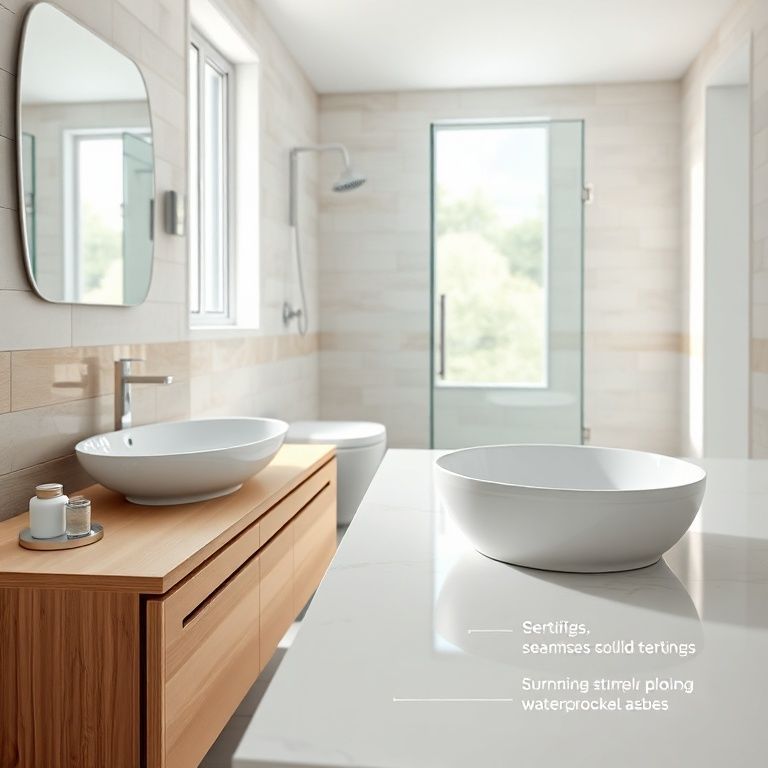
Restoring the Shine
To restore the shine and luster to your artificial marble, follow these final steps:
1. Polishing
Use a marble polishing cloth or a soft microfiber cloth to polish the surface. Apply a small amount of marble polish or a homemade solution (like a mix of water and vinegar) to the cloth. Gently rub the surface in a circular motion. Wipe clean with a dry cloth.
2. Sealing the Surface
To protect the artificial marble and prevent future stains, consider applying a surface sealant. Follow the manufacturer’s instructions for application. Regular sealing can help maintain the beauty and longevity of your artificial marble surfaces.
Preventative Maintenance
Preventing contamination in the first place is always better than dealing with the aftermath. Here are some tips for maintaining your artificial marble surfaces:
Immediate Cleaning: Clean spills and stains as soon as they occur to prevent them from setting. Use Appropriate Cleaning Tools: Always use non-abrasive cleaning tools to avoid scratching the surface. Avoid Harsh Chemicals: Use mild, non-abrasive cleaners to avoid damaging the surface. Regular Maintenance: Regularly clean and polish your artificial marble surfaces to keep them looking their best.
By following these detailed steps and tips, you can effectively clean and restore contaminated artificial marble, ensuring it remains a stunning and durable addition to your home or workspace. Proper care and maintenance will help preserve the beauty and integrity of your artificial marble surfaces for years to come.
How to Effectively Clean and Restore Artificial Marble After Contamination
In the previous part, we delved into identifying common contaminants, understanding the nature of artificial marble, and detailed steps for cleaning various types of stains. Now, let’s build on that foundation with additional advanced techniques and tips for maintaining the pristine condition of your artificial marble surfaces.
Advanced Cleaning Techniques
1. Deep Cleaning for Heavy Stains
For heavily stained areas, a more intensive cleaning process might be required:
Sodium Carbonate Solution:
Dissolve sodium carbonate (washing soda) in warm water.
Apply the solution to the stained area using a soft cloth.
Allow it to sit for a few minutes before scrubbing gently with a soft-bristled brush.
Rinse with clean water and dry thoroughly.
Hydrogen Peroxide and Baking Soda:
Mix hydrogen peroxide with baking soda to form a thick paste.
Apply the paste to the stain and let it sit for about an hour.
Scrub gently with a brush.
Rinse and dry.
2. Using Specialized Marble Cleaners
There are commercial products designed specifically for cleaning artificial marble. These often contain specialized formulas to clean without damaging the surface. Always follow the manufacturer’s instructions and conduct a spot test before full application.
Regular Maintenance and Protection
1. Routine Cleaning
Regular cleaning helps prevent the buildup of contaminants, which can make stains more difficult to remove. Here’s a simple routine:
Daily: Wipe surfaces with a damp cloth to remove dust and minor spills. Weekly: Use a mild cleaner to wipe down surfaces more thoroughly. Monthly: Perform a deep clean using one of the advanced techniques discussed above.
2. Sealing and Coating
Sealing your artificial marble can provide an additional layer of protection against stains and scratches.
Commercial Sealants: Apply a commercial marble sealant following the manufacturer’s instructions. These products often come in spray or liquid form and can be reapplied periodically.
DIY Sealant: A homemade sealant can be made by mixing equal parts of vinegar and water. Apply with a cloth and let it dry naturally. This solution can help to repel stains and keep the surface clean.
Repairing Scratches and Chips
Artificial marble, despite its durability, can sometimes suffer from scratches or chips. Here’s how to repair minor damages:
1. Minor Scratches
For minor scratches, you can use a marble scratch remover kit:
Scratch Remover Paste: Apply the paste to the scratched area. Gently rub in a circular motion. Wipe clean with a cloth. For best results, repeat the process several times.
2. Minor Chips
For small chips, you can fill them with a matching epoxy:
Epoxy Filler: Purchase an epoxy filler that matches the color of your artificial marble. Mix according to the instructions and apply to the chip with a small applicator. Allow it to cure completely before cleaning the surface.
Preventing Future Contamination
Preventative measures are crucial for maintaining the beauty and integrity of your artificial marble. Here are some tips:
1. Use Coasters and Placemats
To protect your artificial marble surfaces from spills and heat, always use coasters for drinks and placemats for hot dishes.
2. Avoid Direct Heat
Hot pots, pans, and dishes should be placed on trivets or hot pads to prevent thermal damage.
3. 避免使用强力清洁剂
虽然市面上有许多强力清洁剂能够有效去除污渍,但它们中的某些化学成分可能会对人造大理石表面造成损害。因此,建议避免使用含有强碱、漂白剂或氨的清洁剂。
4. 定期检查和维护
定期检查人造大理石表面是否有任何损坏或磨损,及时进行修复。如果发现表面有明显划痕或污渍,可以按照上述方法进行处理。
5. 使用合适的工具
使用非金属工具来清洁和维护人造大理石表面。金属工具可能会对表面造成划痕,从而影响其美观。
6. 保持湿度和温度适宜
人造大理石在极端温度或湿度环境下可能会出现膨胀或收缩,从而导致表面变形或裂缝。因此,保持室内适宜的温度和湿度水平是非常重要的。
7. 安装防滑垫
在人造大理石台面下方安装防滑垫,以防止滑倒和摔倒导致的损坏。
8. 避免长时间暴露在阳光下
长时间暴露在阳光下会导致人造大理石褪色,因此建议在户外使用时,尽量避免长时间暴露在阳光下。
9. 定期抛光
定期使用专门的抛光剂对人造大理石进行抛光,可以保持其光泽并延长其使用寿命。
10. 使用适当的保护措施
对于高频使用的区域,例如厨房台面,可以考虑在表面涂抹一层透明的保护膜,以增加其耐擦洗性和耐用性。
通过以上这些方法,可以有效地保护和维护人造大理石,使其保持美观和耐用。当然,具体的维护方法可能需要根据人造大理石的品牌和具体产品进行调整。如果有不确定的地方,建议咨询专业人士或参考产品说明书。