Understanding Quartz Countertops and Stains
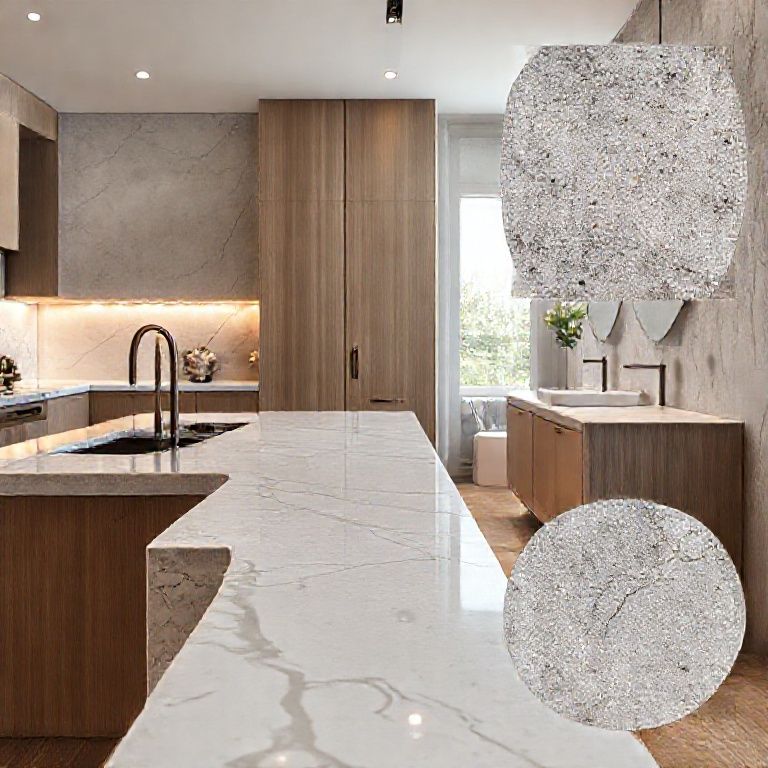
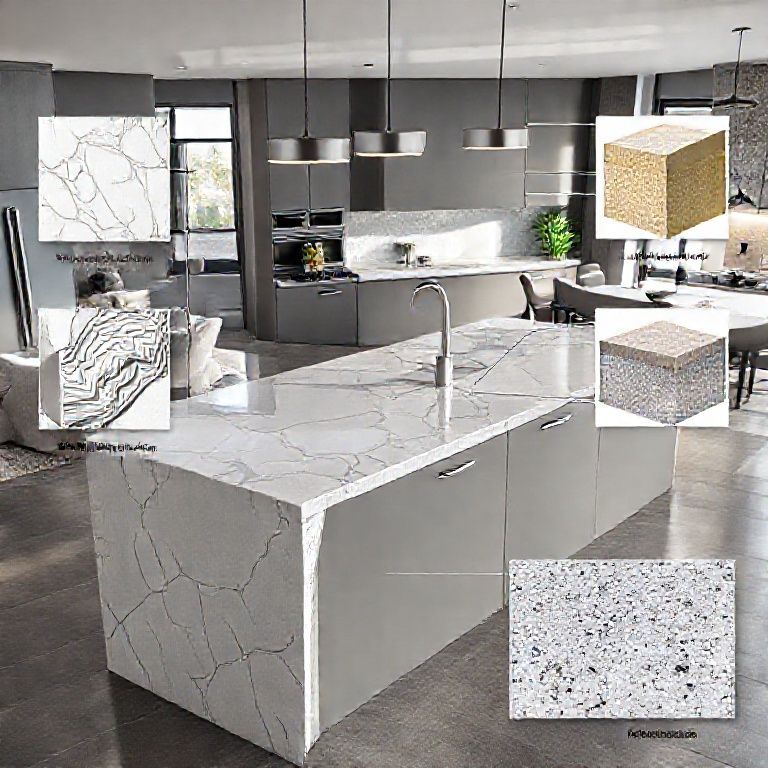
Artificial quartz countertops have become a popular choice for modern kitchens and bathrooms due to their durability, beauty, and ease of maintenance. Composed of 93% pure quartz, these surfaces are known for their resistance to scratches, dents, and heat. However, like all surfaces, they can still be susceptible to staining. Understanding the nature of these stains and the material itself is crucial for effective cleaning.
Nature of Quartz and Stains
Quartz countertops are a composite material that is formed by fusing together quartz grains with resins. This results in a solid surface that is not only aesthetically pleasing but also highly resistant to most chemicals and physical wear. Despite this durability, stains can still occur due to various factors such as spills, spills from acidic substances, and prolonged exposure to certain dyes.
Common Types of Stains on Quartz
Water Spots: Often caused by spills of water or sugary drinks, water spots can leave a dull appearance on the surface.
Food Stains: Spills from acidic foods like tomatoes, citrus fruits, and coffee can leave behind stubborn stains.
Oil Stains: Grease and oil from cooking can leave greasy marks that are difficult to remove.
Ink Stains: Spills from markers or pens can transfer dye to the surface, leaving permanent stains if not addressed promptly.
Basic Cleaning and Prevention
To prevent stains from occurring in the first place, it’s important to follow a few basic maintenance steps:
Immediate Cleaning: Clean up spills immediately to prevent stains from setting in. Use Proper Cleaners: Avoid using abrasive cleaners or steel wool on quartz surfaces. Instead, opt for mild soap and water or dedicated quartz cleaner. Protective Coatings: Consider applying a protective coating to the surface to add an extra layer of defense against stains.
Effective Cleaning Techniques
Now that we understand the nature of quartz and common stains, let’s delve into the techniques for effectively cleaning and restoring the luster of your quartz countertops.
1. Mild Soap and Water
For minor stains and water spots, a simple solution of mild soap and water can work wonders.
Step 1: Mix a few drops of mild dish soap with warm water in a spray bottle. Step 2: Spray the solution onto the stained area and let it sit for a few minutes. Step 3: Wipe the area with a clean, soft cloth, and then rinse with clean water to remove any soap residue.
2. Baking Soda Paste
Baking soda is a natural cleaner that can help tackle tough stains without scratching the surface.
Step 1: Mix two tablespoons of baking soda with just enough water to form a paste. Step 2: Apply the paste to the stained area and let it sit for 15 minutes. Step 3: Scrub gently with a soft cloth or sponge and rinse thoroughly with water.
3. Vinegar Solution
Vinegar is effective in neutralizing acidic spills and removing stubborn stains.
Step 1: Mix equal parts of white vinegar and water in a spray bottle. Step 2: Spray the solution onto the stain and let it sit for 10 minutes. Step 3: Wipe the area with a clean cloth and rinse with water.
4. Hydrogen Peroxide for Grease
Hydrogen peroxide can help break down greasy stains without damaging the quartz surface.
Step 1: Apply a small amount of hydrogen peroxide directly to the greasy stain. Step 2: Let it sit for a few minutes to break down the grease. Step 3: Wipe the area with a clean cloth and rinse with water.
5. Commercial Cleaners
If home remedies do not fully resolve the stains, commercial cleaners specifically designed for quartz countertops can be effective.
Step 1: Follow the manufacturer’s instructions for application and safety. Step 2: Test a small, inconspicuous area first to ensure no damage occurs. Step 3: Apply to the stained area and follow through with a clean, soft cloth.
Advanced Stain Removal and Maintenance Tips
While basic cleaning techniques can often resolve minor stains on artificial quartz countertops, some stubborn stains may require more advanced methods. This part of the guide will cover advanced stain removal techniques and provide tips for maintaining the pristine appearance of your quartz surfaces.
Advanced Stain Removal Techniques
1. Bleach for Severe Stains
For particularly stubborn stains, such as those caused by acidic foods or drinks, a diluted bleach solution can be effective.
Step 1: Mix one part bleach with three parts water in a spray bottle. Step 2: Spray the solution onto the stain and let it sit for 15 minutes. Step 3: Wipe the area with a clean cloth and rinse thoroughly with water. Note: Always test in an inconspicuous area first.
2. Lemon Juice and Salt Scrub
Lemon juice contains natural acids that can help break down tough stains, while salt acts as a mild abrasive.
Step 1: Squeeze fresh lemon juice into a bowl and add a handful of salt. Step 2: Mix until you form a paste. Step 3: Apply the paste to the stain and scrub gently with a sponge or cloth. Step 4: Rinse with water and dry with a clean cloth.
3. Professional Cleaning Services
If home remedies and advanced techniques fail to resolve the stain, it may be time to seek professional help.
Step 1: Research and select a reputable cleaning service specializing in quartz countertops. Step 2: Schedule an appointment and discuss the specific stains with the professional. Step 3: Follow their cleaning process and instructions for best results.
Maintenance Tips for Long-Term Care
To keep your artificial quartz countertops looking their best over time, follow these maintenance tips:
1. Regular Cleaning
Daily: Wipe down surfaces with a damp cloth to remove spills and crumbs. Weekly: Use a mild soap and water solution to give the surface a deeper clean.
2. Protective Coatings
Applying: Use a high-quality, water-based quartz countertop protector to create a protective barrier against stains. Frequency: Reapply as directed by the manufacturer, typically every 6-12 months.
3. Avoiding Abrasive Materials
Materials: Never use steel wool, abrasive pads, or harsh chemicals that can scratch or damage the surface. Alternatives: Opt for soft cloths, sponges, and mild cleaning solutions.
4. Immediate Cleanup
Practice: Clean up spills immediately to prevent stains from setting in. Specifics: Use paper towels to blot up spills and avoid rubbing, which can spread stains.
5. Proper Utensils
Cutting Boards: Use non-abrasive cutting boards and avoid dragging sharp objects across the surface. Pots and Pans: Use wooden or silicone trivets to protect the surface from hot pots and pans.
By understanding the nature of stains and employing both basic and advanced cleaning techniques, you can effectively restore the beauty and functionality of your artificial quartz countertops. Regular maintenance and proper care will ensure that these surfaces remain a stunning feature in your home for years to come.