Introduction and Basic Cleaning Techniques
${part1}
In today’s modern kitchen, quartz countertops have become the material of choice for many homeowners due to their durability, aesthetic appeal, and low maintenance requirements. However, despite their robustness, quartz surfaces can still accumulate stains, requiring regular cleaning and maintenance. In this comprehensive guide, we will explore the best practices and techniques for cleaning and maintaining your quartz countertop, ensuring it remains a stunning centerpiece in your kitchen for years to come.
Understanding Quartz Countertops
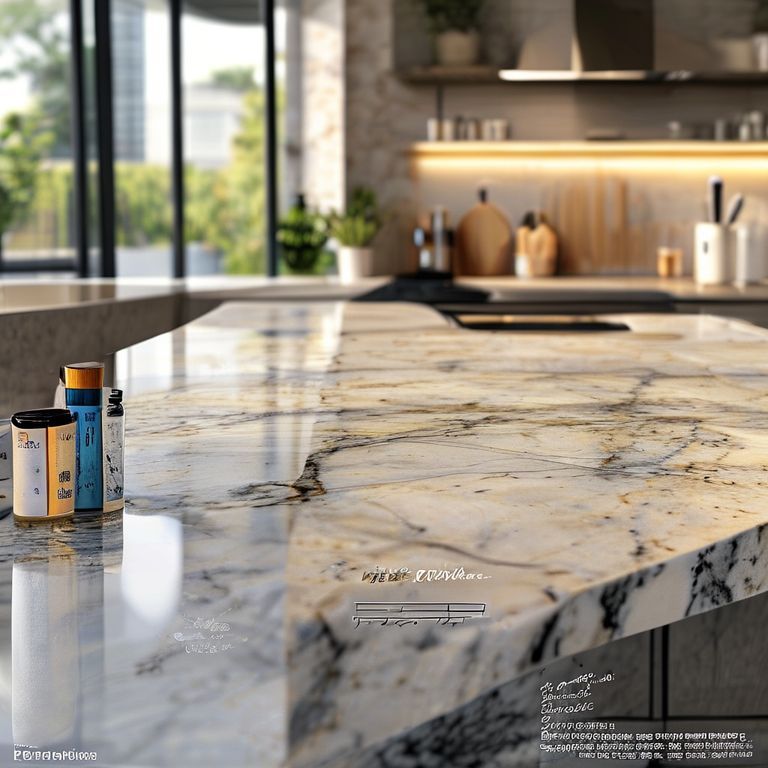
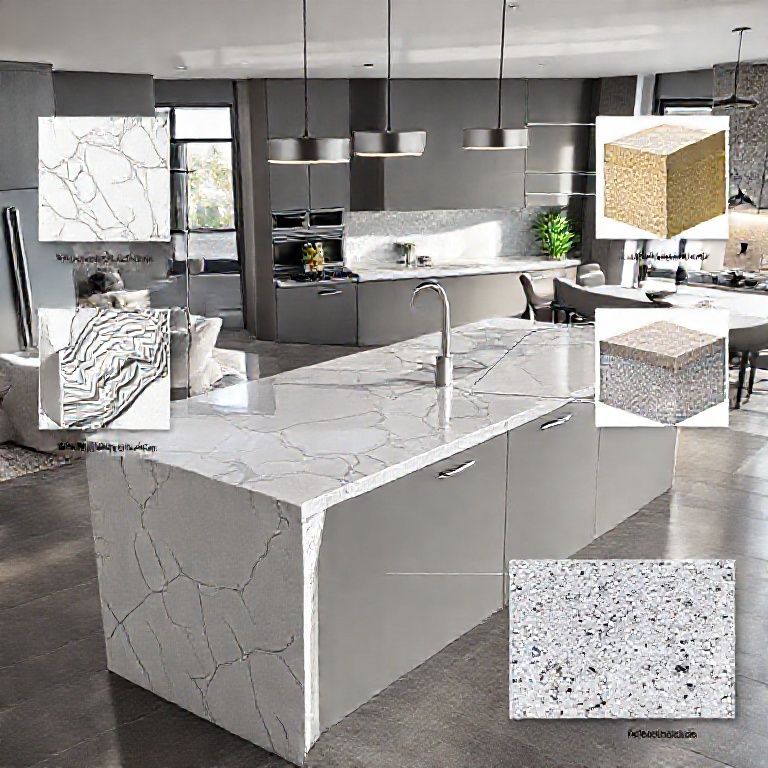
Before diving into the cleaning methods, it’s important to understand the material. Quartz countertops are made from 94% pure quartz and 6% resin. This composition gives quartz its unique properties such as resistance to scratches, stains, and heat. While quartz is highly durable, it is not impervious to all forms of damage. Understanding the nature of the material helps in choosing the right cleaning methods.
Basic Cleaning Techniques
Daily Maintenance
Regular cleaning is essential to keep your quartz countertop looking pristine. Here are some basic tips for daily maintenance:
Use Soft Cloths: Avoid using abrasive sponges or cloths that can scratch the surface. Opt for soft microfiber cloths or soft, clean rags.
Mild Dish Soap: For everyday spills and stains, a simple solution of warm water mixed with a few drops of mild dish soap is usually sufficient. Avoid using harsh chemicals or detergents as they can damage the surface.
Rinse Thoroughly: Always rinse the countertop with clean water to remove any soap residue. Residual soap can attract more dirt and grime over time.
Dry the Surface: Use a dry cloth to wipe the surface after cleaning to prevent water spots and streaks.
Cleaning Tough Spots
For tougher stains or spills, follow these steps:
Baking Soda Paste: Mix baking soda with water to form a paste. Apply the paste to the stain and let it sit for about 15-20 minutes. Gently scrub the area with a soft cloth and rinse thoroughly.
White Vinegar Solution: White vinegar is a natural cleaner that can tackle stubborn stains. Mix equal parts of white vinegar and water in a spray bottle. Lightly mist the stained area and let it sit for a few minutes before wiping clean with a soft cloth.
Lemon Juice: Lemon juice has natural bleaching properties and can help remove stains. Apply lemon juice directly to the stain and let it sit for a few minutes before wiping clean.
Common Stains and Their Treatments
Knowing how to tackle specific types of stains can save you time and effort.
Coffee and Tea Stains
Immediate Action: Blot the spill immediately with a paper towel to absorb as much liquid as possible.
Baking Soda and Water: Create a paste with baking soda and water, apply it to the stain, and let it sit for about 10 minutes before scrubbing gently with a soft cloth and rinsing.
Wine Stains
Blot Immediately: Use a paper towel to blot the stain, moving from the outside toward the center to avoid spreading the stain.
Rubbing Alcohol: Apply a small amount of rubbing alcohol to a cloth and dab the stain. Follow up with a clean, damp cloth to remove any residue.
Grease and Oil Stains
Paper Towel: Blot up as much grease as possible with a paper towel.
Dish Soap and Baking Soda: Create a paste with dish soap and baking soda, apply it to the stain, and let it sit for 15-20 minutes before scrubbing gently.
Prevention Tips
Preventing stains from forming in the first place is often easier than cleaning them off. Here are some tips to help you maintain your quartz countertop:
Use Cutting Boards: Always use a cutting board instead of cutting directly on the countertop.
Protect with Mats: Place mats or placemats under pots and pans when cooking to prevent scratches.
Avoid Overloading: Don’t overload the countertop with items that can cause spills and drops.
Regular Cleaning: Stick to a regular cleaning routine to prevent stains from setting in.
When to Seek Professional Help
While most stains can be cleaned at home, some situations may require professional intervention:
Deep Grooves and Scars: If your quartz countertop has deep scratches or grooves, professional resurfacing might be necessary.
Persistent Stains: For stubborn stains that won’t come off with home remedies, consider contacting a professional cleaner.
${part2}
Advanced Cleaning Techniques
Deep Cleaning Methods
While regular cleaning keeps quartz surfaces looking fresh, sometimes a deeper clean is necessary to tackle ingrained stains and ensure the longevity of your countertops. Here are advanced methods to deep clean your quartz countertops.
Hydrogen Peroxide and Baking Soda
Hydrogen peroxide is a powerful bleaching agent that can effectively remove tough stains. Follow these steps:
Create a Paste: Mix baking soda and hydrogen peroxide to form a thick paste.
Apply to Stain: Apply the paste directly to the stained area and let it sit for about 30 minutes.
Scrub Gently: Use a soft cloth to gently scrub the stain, then rinse thoroughly with water.
Specialized Cleaners
There are several commercial cleaners designed specifically for quartz countertops. Here’s how to use them:
Follow Instructions: Always read and follow the manufacturer’s instructions on the product label.
Test First: Before applying the cleaner to the entire surface, test it on a small, inconspicuous area to ensure it doesn’t damage the countertop.
Apply and Wipe: Apply the cleaner to a clean cloth and gently wipe the surface. Rinse with water and dry with a soft cloth.
Steam Cleaning
Steam cleaning is a highly effective method for deep cleaning quartz countertops:
Steam Cleaner: Use a steam cleaner specifically designed for stone surfaces.
Follow Instructions: Follow the manufacturer’s guidelines for using the steam cleaner on your quartz countertop.
Rinse and Dry: After steam cleaning, rinse the surface with water to remove any residue and dry it with a soft cloth.
Maintenance Tips
Keeping your quartz countertop in top condition requires some ongoing maintenance:
Regular Cleaning Routine
Daily Wipe-Down: Use a microfiber cloth and a mild soap solution to wipe down the countertop daily.
Weekly Deep Clean: Perform a more thorough clean once a week using a baking soda and water paste or a specialized quartz cleaner.
Protecting the Surface
Avoid Harsh Chemicals: Avoid using bleach, ammonia, or other harsh chemicals that can damage the quartz surface.
Use Coasters: Place coasters under drinks to prevent liquid rings and stains.
Immediate Clean-Up: Clean up spills immediately to prevent stains from setting in.
Repair and Restoration
While quartz is highly durable, occasional repairs may be necessary:
Minor Scratches: For minor scratches, a polishing compound can help restore the shine.
Deep Scratches: For deeper scratches, professional resurfacing might be required.
Chipping and Cracking: If the countertop is chipped or cracked, professional repair services can restore it to its original condition.
Common Mistakes to Avoid
Avoiding certain mistakes can help maintain the beauty and longevity of your quartz countertop:
Overusing Harsh Cleaners: Using too many harsh chemicals can damage the surface over time.
Ignoring Spills: Allowing spills to sit on the surface can lead to permanent stains.
Using Abrasive Tools: Avoid using abrasive tools or sponges that can scratch the surface.
Professional Cleaning Services
For those who prefer to leave the cleaning to the professionals, there are several benefits to hiring a professional cleaning service:
Benefits of Professional Cleaning
Expertise: Professionals have the expertise and specialized equipment to clean and maintain your quartz countertop effectively.
Safe Cleaning Products: They use safe, approved cleaning products that won’t damage your countertop.
Thorough Cleaning: Professional cleaners can perform deep cleaning that removes stains and grime that regular cleaning might miss.
How to Choose a Professional Cleaner
Research: Look for reputable cleaning services with good reviews and positive feedback from previous clients.
Certifications: Ensure the cleaner has the necessary certifications and training for cleaning stone surfaces.
Consultation: Schedule a consultation to discuss your cleaning needs and get a quote.
Final Thoughts
Maintaining your quartz countertop requires regular cleaning and some advanced对于保持和维护石英石台面的最佳状态,除了日常和深度清洁技术外,还有一些其他的小贴士和建议,可以帮助你延长其寿命并保持其美观。
日常维护
使用硅胶垫和垫片: 在台面下方和任何接触面上使用硅胶垫或垫片,以防止摩擦和移动。这有助于保持台面的稳固性。 防止刮擦: 避免直接将重物放在台面上,尤其是在没有保护盖或盘子下面的情况下。使用垫子、垫板或摆放物品时使用盖子。 避免高温: 尽量避免将热的锅具或其他热物体直接放在台面上,特别是在烹饪高温食物时。
高温可能会导致台面变形或损坏。
特殊清洁和护理
定期抛光: 定期使用抛光剂对石英石台面进行轻微抛光,以保持其光泽和防止污渍积累。 避免化学清洁剂: 尽量避免使用含有酸性或碱性的清洁剂,这些化学物质可能会对台面表面造成损害。 使用专用清洁剂: 使用专门为石英石设计的清洁剂,这些产品不会损害台面的表面涂层。
防止污渍和划痕
立即清理溢出物: 溢出的食物或液体应立即清理干净,以防止污渍渗入台面。这可以使用湿布迅速擦拭干净。 保护喷嘴和开关: 如果你的台面有任何活动部件,比如喷嘴、开关等,保持这些部件干净和润滑,以防止污渍积累和功能失效。
美观和风格
保持统一风格: 选择与整体厨房设计风格相协调的石英石台面颜色和款式,以确保美观统一。 定期检查: 定期检查台面是否有任何划痕、污渍或损坏,及时进行修复和维护。
预防措施
使用防溅板: 在烹饪时使用防溅板,以减少溅水和油渍。 保持干燥: 确保台面在使用后及时擦干,防止水分积累导致损害。
通过以上方法和小贴士,你可以有效地保持石英石台面的美观和功能,使其成为厨房中的一道亮丽风景线。