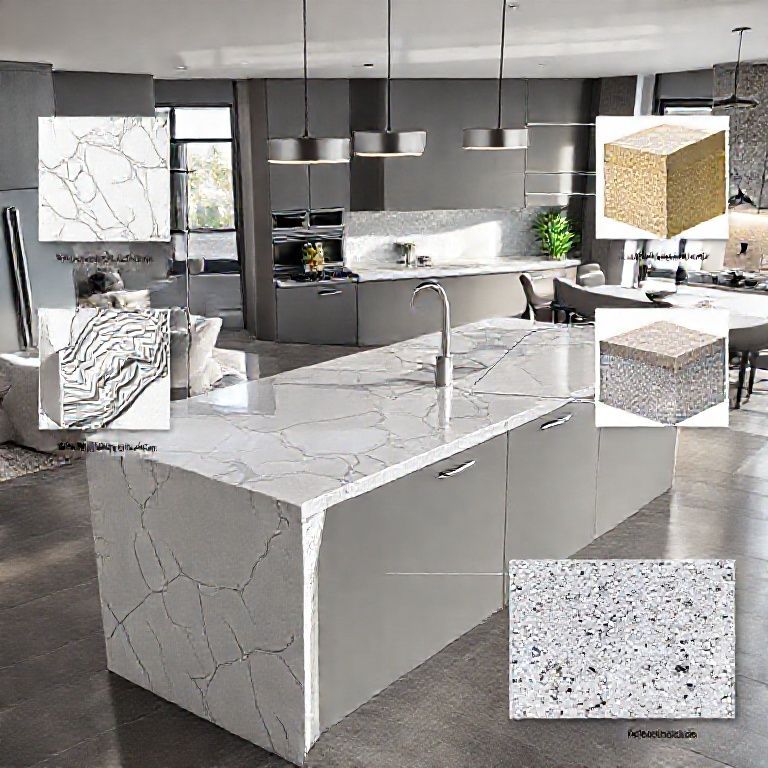
How to Effectively Clean Stubborn Stains on Your Artificial Stone Countertops
Artificial stone countertops are renowned for their durability, sleek appearance, and low maintenance requirements. However, no countertop is entirely immune to the occasional spill or stain. When these stubborn marks appear, it can be challenging to know how to effectively remove them without damaging the surface. This comprehensive guide will walk you through the best practices for cleaning and maintaining your artificial stone countertops to ensure they stay pristine and beautiful for years to come.
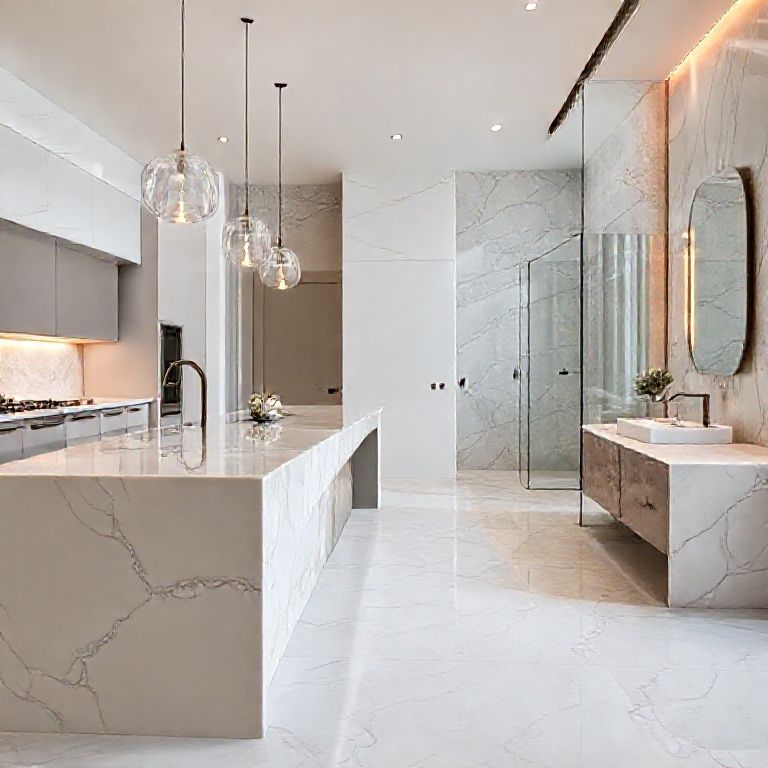
Understanding Artificial Stone Countertops
Artificial stone, also known as cultured stone, is a composite material made from a combination of natural stone aggregates, resin, and pigments. This blend produces a solid surface that is both attractive and practical. Unlike natural stone, artificial stone doesn’t have pores that can absorb liquids and stains, making it easier to clean. However, it can still develop stains from acidic substances, harsh chemicals, and prolonged exposure to certain foods and beverages.
Common Stains on Artificial Stone
Understanding the types of stains that can affect your artificial stone countertops can help you choose the right cleaning methods:
Food Stains: Spills from cooking, especially acidic foods like tomatoes, citrus fruits, and vinegar, can leave behind unsightly marks. Drink Stains: Coffee, tea, wine, and juice can discolor the surface over time, especially if they are not cleaned promptly. Chemical Stains: Household cleaners containing harsh chemicals like bleach can cause discoloration and damage if not properly removed. General Wear and Tear: Daily use can lead to minor scratches and dullness over time.
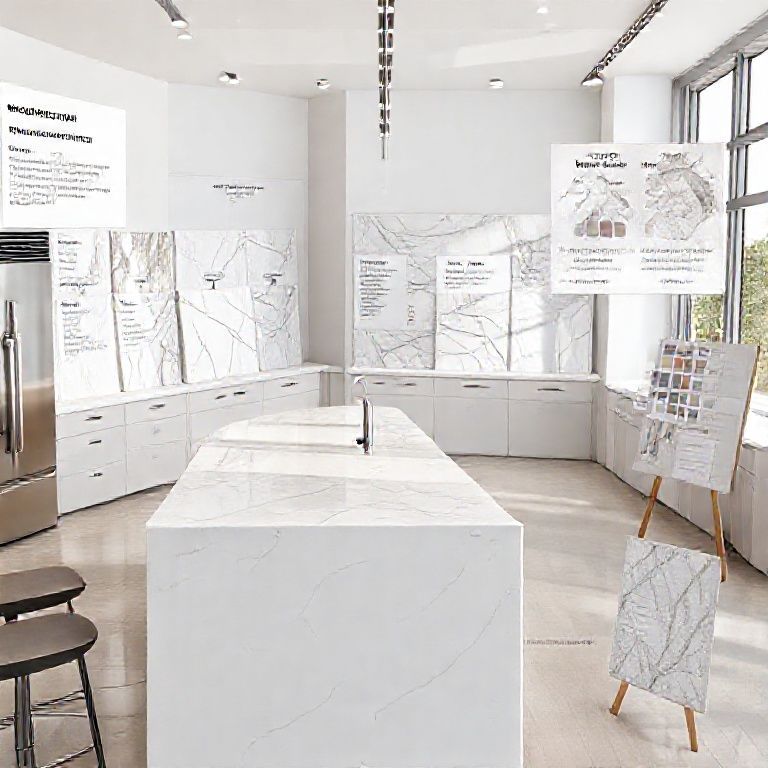
Steps to Clean Stubborn Stains
Step 1: Initial Cleaning
Wipe Down the Surface: Start with a gentle wipe down using a damp cloth and mild soap. Avoid using abrasive materials that could scratch the surface.
Rinse and Dry: After wiping, rinse the area with clean water and dry it thoroughly with a soft cloth to prevent water spots.
Step 2: Removing Food and Drink Stains
Baking Soda Paste: For acidic food stains, mix baking soda with a small amount of water to create a paste. Apply the paste to the stained area and let it sit for 15-20 minutes. Then, gently scrub with a soft cloth and rinse thoroughly.
Vinegar Solution: For light stains, a mixture of equal parts water and vinegar can be used. Apply the solution with a cloth, let it sit for a few minutes, and then wipe clean with a damp cloth. Rinse and dry the area.
Step 3: Dealing with Chemical Stains
Neutral Cleaner: If harsh chemicals have caused stains, use a neutral cleaner to remove the residue. Look for cleaners labeled as safe for stone surfaces.
Mild Degreaser: For tougher chemical stains, a mild degreaser can help break down the residues. Apply according to the manufacturer’s instructions and wipe clean with a damp cloth.
Step 4: Restoring Surface Shine
Stone Polishing Paste: For dull areas, use a stone polishing paste designed for artificial stone surfaces. Apply a small amount to the area and gently polish with a soft cloth in circular motions.
Buffing: After polishing, buff the area with a clean, dry cloth to restore the shine.
Preventive Measures
To keep your artificial stone countertops looking their best, consider these preventive measures:
Immediate Cleanup: Always clean up spills immediately, especially acidic ones, to prevent stains from setting in.
Use Coasters and Trivets: Protect your countertops from hot drinks and cookware by using coasters, trivets, and placemats.
Regular Maintenance: Wipe down your countertops regularly with a damp cloth to prevent buildup and minor stains from becoming more serious.
Avoid Harsh Chemicals: Limit the use of harsh chemicals on your countertops to prevent damage and discoloration.
Proper Utensils: Use non-abrasive utensils to avoid scratching the surface.
Conclusion
Maintaining your artificial stone countertops requires a combination of proper cleaning techniques and preventive measures. By understanding the nature of stains and following the steps outlined above, you can keep your countertops looking fresh and new. Regular upkeep and prompt stain removal are key to extending the life and beauty of your artificial stone surfaces. Embrace these tips to ensure your kitchen remains a stunning focal point in your home.
How to Effectively Clean Stubborn Stains on Your Artificial Stone Countertops
Now that you have a foundational understanding of the types of stains that can affect your artificial stone countertops and the initial cleaning steps, it’s time to delve deeper into more advanced techniques for tackling those stubborn stains that just won’t budge. This part of the guide will focus on advanced cleaning methods and provide detailed, step-by-step instructions to ensure your countertops regain their pristine appearance.
Advanced Cleaning Techniques
Step 1: Identifying the Stain Type
Food and Drink Stains: As mentioned earlier, acidic and sugary substances are common culprits. Identifying the type of stain will help you choose the right cleaning agent.
Chemical Stains: Harsh chemicals like bleach or ammonia can cause significant damage. It’s crucial to neutralize these stains with a neutral cleaner before attempting any other cleaning method.
General Wear and Tear: Over time, artificial stone can develop a dull appearance or minor scratches. For these issues, specialized polishing agents can restore shine and smooth out minor imperfections.
Step 2: Using Commercial Cleaners
Select the Right Cleaner: When dealing with stubborn stains, commercial cleaners specifically designed for artificial stone countertops are often the most effective. Look for products that are labeled as safe for stone surfaces and follow the manufacturer’s instructions carefully.
Application: Apply the cleaner to a cloth rather than directly to the countertop to avoid over-saturation. Gently rub the cloth over the stained area in a circular motion, working in small sections.
Rinse and Dry: After the cleaner has had time to work, rinse the area thoroughly with clean water to remove any residue. Dry with a soft, clean cloth to prevent water spots.
Step 3: Deep Cleaning with Baking Soda and Vinegar
For particularly tough stains, a combination of baking soda and vinegar can be highly effective. Here’s how to use this natural cleaning duo:
Create a Baking Soda Paste: Mix baking soda with just enough water to form a thick paste. Apply the paste to the stained area and let it sit for 15-20 minutes.
Scrub Gently: Use a soft cloth or a non-abrasive sponge to gently scrub the paste into the stain. For tougher stains, you can use a toothbrush to get into crevices and small areas.
Rinse and Dry: Rinse the area thoroughly with clean water and dry with a soft cloth.
Vinegar Follow-Up: If needed, apply a vinegar solution (1 part vinegar to 1 part water) to the area and let it sit for a few minutes before wiping clean. Rinse and dry again.
Step 4: Polishing for Shine and Smoothness
When your countertop has lost its shine due to prolonged wear and tear, a polishing treatment can work wonders:
Stone Polishing Paste: Choose a paste specifically formulated for artificial stone. Apply a small amount to the dull area and use a soft cloth to polish in circular motions.
Buffing: Once the paste has been rubbed in, buff the area with a clean, dry cloth to restore the shine. Be sure to clean the cloth frequently to avoid spreading dirt.
Final Rinse and Dry: After polishing, rinse the area with clean water and dry thoroughly to prevent water spots.
Natural and Safe Alternatives
For those who prefer eco-friendly cleaning options, several natural alternatives can be effective:
Lemon Juice and Salt: Mix lemon juice with salt to create a paste. Apply to the stain and let it sit before scrubbing gently with a cloth. Rinse and dry.
Olive Oil and Baking Soda: Combine olive oil and baking soda to form a paste. Apply to the stain and let it sit for a few minutes before scrubbing. Rinse and dry.
Professional Help When Needed
Sometimes, despite your best efforts, stains remain stubborn. In such cases, it may be worth consulting a professional cleaner who specializes in stone surfaces. They have access to powerful yet safe cleaning solutions and equipment that can remove the most persistent stains without damaging your countertop.
Maintaining Your Artificial Stone Countertops
Prevention is always better than cure. Here are some additional tips to maintain your artificial stone countertops:
Immediate Spill Management: Clean up spills immediately, especially acidic ones. This prevents stains from setting in.
Use Coasters and Trivets: Protect your countertops from hot drinks and cookware by using coasters, trivets, and placemats.
Regular Wipe-Down: Wipe down your countertops regularly with你的建议非常有价值,让我们继续讨论如何更好地保养和维护你的人造石台面。
避免使用过多的化学清洁剂:尽量避免使用含有强酸或强碱的清洁剂,因为这些化学物质可能会对人造石表面造成损害。即使是看似温和的清洁剂,也可能在长期使用中对人造石产生不可逆的影响。
保持干燥:人造石虽然不吸水,但长时间暴露在潮湿环境中依然会导致表面污渍和颜色变化。因此,用干净的布将溅出的水及时擦干,保持台面干燥。
定期保养:使用专门的人造石保养剂定期抛光你的台面。这不仅能保持台面的光泽,还能形成一层保护膜,防止日常使用中的污渍和划痕。
使用合适的工具:在清洁过程中,使用柔软的布或海绵,避免使用金属或塑料的硬刷,以免造成表面划痕。
小心尖锐物品:人造石台面虽然坚硬,但仍然可能会受到尖锐物品的划伤。厨房中使用时,最好将锋利的刀具放在锅垫或砧板上,而不是直接放在台面上。
注意温度变化:尽量避免将热锅或热饮直接放在台面上,这样可能会导致局部的热胀冷缩现象,进而影响台面的外观和结构。
处理刮擦和划痕:如果你的人造石台面出现了划痕,可以尝试使用专门的人造石修复剂。这些产品通常能够有效地修复表面的细小划痕,使台面恢复光泽。