How to Effectively Deal with Yellowing Artificial Stone Countertops
Artificial stone countertops have become increasingly popular due to their durability, aesthetic appeal, and low maintenance requirements. However, one common issue that arises with these countertops is yellowing, which can detract from their pristine look. Understanding the root causes and implementing effective solutions is essential to maintaining the beauty and longevity of your artificial stone surfaces.

Understanding the Causes of Yellowing
Before diving into the cleaning and restoration techniques, it is crucial to understand why artificial stone countertops may turn yellow. Several factors can contribute to this issue:
Staining from Foods and Beverages: Oils and sugars from foods like coffee, tea, and fried foods can penetrate the surface of the stone, causing discoloration over time.
Soap and Cleaning Product Residues: The use of soaps and cleaning agents that leave residues can cause the stone to yellow, especially if not properly rinsed off.
Sunlight Exposure: Prolonged exposure to UV rays can lead to fading and yellowing of certain types of artificial stone.
Acidic or Alkaline Substances: The presence of acidic or alkaline substances, such as lemon juice or bleach, can cause the stone’s surface to degrade and yellow.
Preventive Measures
Prevention is always better than cure. Here are some preventive measures to avoid yellowing of artificial stone countertops:
Use Coasters and Trivets: Always use coasters and trivets for hot dishes and drinks to prevent heat and oil stains.
Immediate Cleaning: Clean up spills immediately with a damp cloth and mild soap. Avoid letting acidic or sugary substances sit on the surface for extended periods.
Protective Coatings: Consider applying a protective coating specifically designed for artificial stone to create a barrier against stains and discoloration.
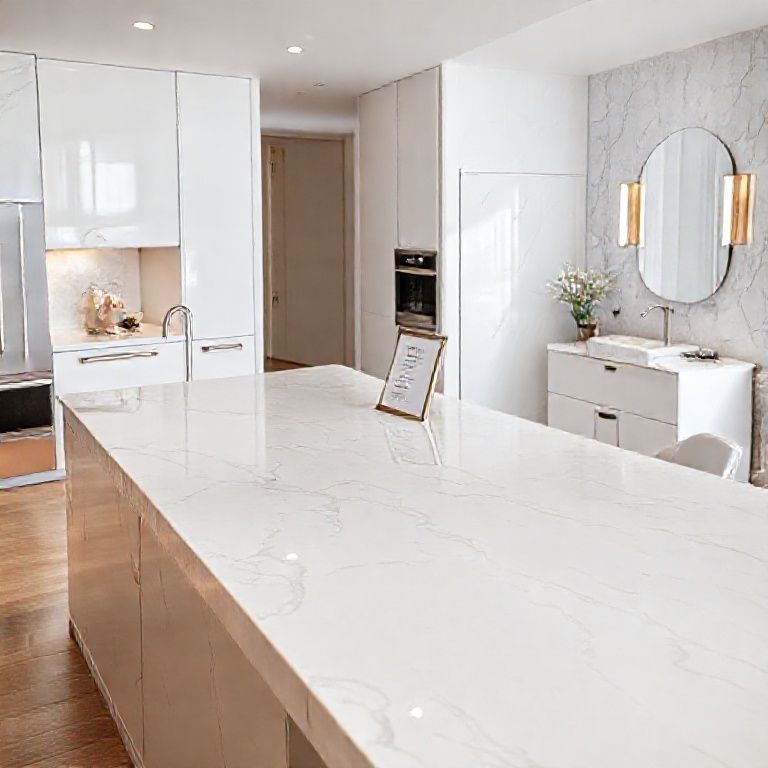
Avoid Harsh Cleaners: Use mild, non-abrasive cleaners to avoid damaging the surface of the stone. Avoid using bleach or other harsh chemicals.
Basic Cleaning Techniques
Even with the best preventive measures, occasional cleaning is necessary to keep your artificial stone countertops looking their best. Here are some basic cleaning techniques:
Daily Cleaning: Use a damp cloth with mild soap to wipe down the surface daily. For tougher spots, a soft-bristled brush can be used gently.
Deep Cleaning: For a deep clean, mix a small amount of baking soda with water to form a paste. Apply the paste to the countertop and let it sit for a few minutes before wiping off with a damp cloth. This can help lift minor stains without abrasive damage.
Avoid Abrasive Cleaners: Avoid using abrasive sponges or cleaners that can scratch the surface of the stone.
Restoration Techniques
If yellowing has already set in, there are several restoration techniques you can try to revive the appearance of your artificial stone countertops:
Commercial Cleaners: There are several commercial cleaners available specifically designed to remove stains and discoloration from artificial stone. Follow the manufacturer’s instructions carefully.
Hydrogen Peroxide: Hydrogen peroxide can be an effective yet gentle bleaching agent. Mix equal parts hydrogen peroxide and water, apply to the yellowed area, and let it sit for a few minutes before wiping off. Avoid using this method on natural stone as it can cause damage.
Lemon Juice: Lemon juice contains natural bleaching properties. Apply fresh lemon juice to the yellowed area, let it sit for a few minutes, and then wipe off with a damp cloth. This can help lighten stains without scratching the stone.
Professional Help
In some cases, the yellowing may be too severe to handle at home. Seeking professional help is advisable to ensure the longevity and appearance of your artificial stone countertops. Professional cleaning services often use specialized equipment and techniques that can effectively remove stubborn stains and discoloration.
How to Effectively Deal with Yellowing Artificial Stone Countertops
Continuing from where we left off, this second part will delve deeper into advanced restoration techniques, maintenance tips, and long-term strategies to ensure your artificial stone countertops remain in top condition.
Advanced Restoration Techniques
For stubborn yellowing that doesn’t respond to basic cleaning methods, consider these advanced restoration techniques:
Professional Stone Polishing: Professional stone polishing services use specialized equipment to grind down the surface and remove discoloration. This process involves several layers of polishing to achieve a smooth, clean finish.
Chemical Strippers: In some cases, chemical strippers may be used to remove the yellowed layer of the stone. This is a more drastic method and should only be performed by professionals to avoid damaging the surface.
Laser Cleaning: Laser cleaning uses a laser to remove stains and discoloration without damaging the surface of the stone. This method is highly effective for deep-set stains but can be costly.
Maintenance Tips
Regular maintenance is key to preventing and managing yellowing on artificial stone countertops:
Regular Cleaning: Establish a regular cleaning routine using mild, non-abrasive cleaners. Daily wiping with a damp cloth can prevent minor stains from becoming permanent issues.
Avoid Spills: Use coasters, trivets, and placemats to prevent spills from acidic or sugary substances that can cause discoloration.
Sealants and Coatings: Apply sealants or coatings designed for artificial stone to create a protective barrier against stains and discoloration. Reapply these as recommended by the manufacturer.
Check Manufacturer’s Guidelines: Always refer to the manufacturer’s guidelines for specific cleaning and maintenance recommendations. Different types of artificial stone may require different care.
Long-Term Strategies
To ensure your artificial stone countertops remain pristine over the long term, consider these strategies:
Periodic Professional Cleaning: Schedule periodic professional cleanings to remove any buildup that regular cleaning may not address. This can help prevent yellowing and maintain the stone’s appearance.
Avoid Heat Sources Directly on Surface: Always place trivets or heat-resistant pads under hot pots, pans, and dishes to prevent heat stains.
Use Proper Utensils: Use non-abrasive utensils and avoid using metal tools that can scratch the surface of the stone.
Monitor for Damage: Regularly inspect your countertops for any signs of damage, such as chips or cracks, which can lead to further yellowing if not addressed promptly.
DIY Home Remedies
While professional help is often the best solution for severe yellowing, some DIY home remedies can be effective for minor discoloration:
Baking Soda and Water: Create a paste using baking soda and water. Apply the paste to the affected area, let it sit for a few minutes, then scrub gently with a soft cloth or sponge.
White Vinegar: Vinegar can help neutralize alkaline residues that cause yellowing. Apply vinegar to the stained area, let it sit for a few minutes, then wipe off with a damp cloth.
Oxygen Bleach: Mix oxygen bleach with water to form a paste. Apply the paste to the yellowed area, let it sit for a few minutes, then wipe off with a damp cloth.
Final Thoughts
Yellowing on artificial stone countertops can be a significant concern, but with the right knowledge and techniques, it is entirely manageable. By understanding the causes, implementing preventive measures, and utilizing effective cleaning and restoration techniques, you can maintain the beauty and longevity of your artificial stone surfaces. Regular maintenance and professional help when needed are essential to achieving the best results.
Remember, the key to preventing yellowing is regular cleaning and the use of protective coatings. By following these guidelines, you can ensure your artificial stone countertops remain a stunning focal point in your kitchen or bathroom for years to come.