Assessing and Preparing for Scratch Repair
When it comes to artificial stone countertops, scratches can sometimes be more than just an aesthetic issue; they may also impact the durability and appearance of the surface. Therefore, it’s essential to understand how to assess, prepare, and treat these scratches properly. This part will guide you through the initial steps of identifying the scratch severity and preparing your countertop for repair.
Understanding Scratch Types
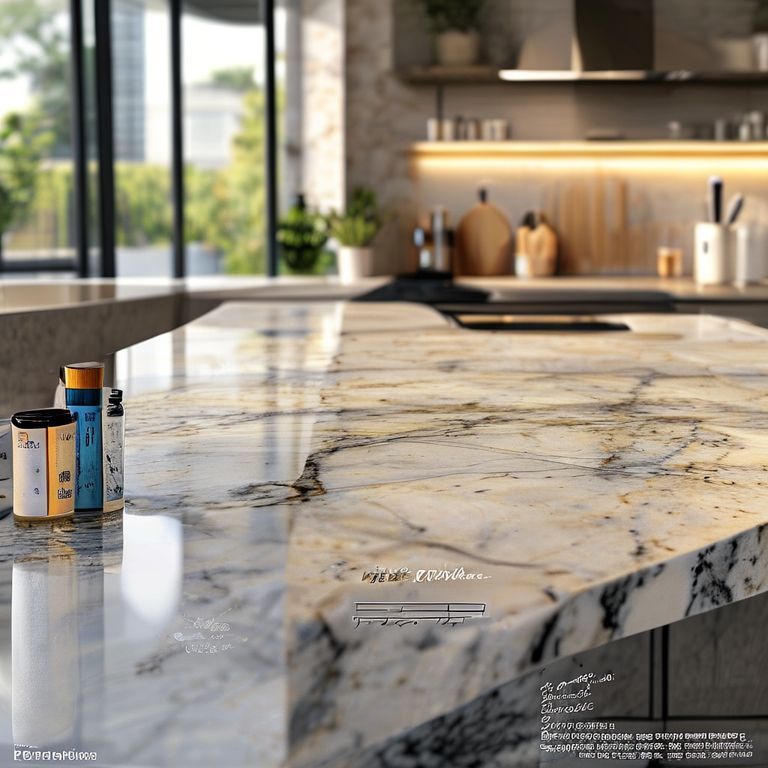
First, it’s important to determine the type and severity of the scratches on your artificial stone countertop. Scratches can vary from minor surface scratches to deeper, more pronounced gouges. Understanding the nature of the scratch will help you choose the appropriate repair method.
1. Surface Scratches
Surface scratches are the most common type and typically affect only the top layer of the countertop. These scratches often result from everyday use with knives, cutting boards, or other sharp objects.
2. Deeper Gouges
Deeper scratches penetrate the stone’s surface more significantly, potentially reaching the base material. These scratches may require more intensive repair techniques.
Initial Assessment
Perform an initial assessment to determine the extent of the damage:
Visual Inspection: Examine the countertop under good lighting. Look for visible scratches, noting their length, depth, and location. Touch Test: Gently run your finger along the scratch to gauge its depth. A shallow scratch will feel smoother, while a deeper gouge will have a more pronounced groove.
Preparation Steps
Once you have assessed the scratches, follow these preparation steps to ensure a successful repair:
1. Clean the Surface
Before starting any repair work, thoroughly clean the countertop to remove any dirt, grime, or food particles that might interfere with the repair process. Use a mild soap and water solution, then dry the surface completely with a clean cloth.
2. Gather Necessary Tools and Materials
To repair scratches on artificial stone, you will need the following tools and materials:
Polishing compound or stone countertop repair kit Microfiber cloths Soft-bristle brush Clean, dry towel Safety glasses (optional) Cotton swabs (for precise areas)
3. Safety First
While most materials used for stone countertop repair are non-toxic, it’s always a good idea to wear safety glasses to protect your eyes from any dust or particles that may become airborne during the repair process.
4. Identify the Right Repair Method
Based on the scratch severity, you will need to decide on the appropriate repair method. For minor scratches, a polishing compound might suffice. For deeper gouges, a more intensive resurfacing process may be required.
Choosing the Right Repair Method
1. Minor Scratches
For minor surface scratches, a polishing compound is usually effective. These compounds help to smooth out the scratch and restore the countertop’s shine.
2. Deeper Scratches
For deeper scratches, a stone countertop repair kit or a resurfacing process might be necessary. These kits often include specialized compounds and polishes designed to fill in and smooth out deeper scratches.
Next Steps
Once you have prepared the surface and gathered your tools, you are ready to move on to the repair process. We will cover the detailed steps in the next part of this guide, including how to apply the repair materials and finalize the treatment to ensure your artificial stone countertop looks pristine once again.
Repairing and Finalizing Scratches on Artificial Stone Countertops
Now that you have assessed the scratch severity and prepared your artificial stone countertop, it’s time to dive into the repair process. This part will guide you through the detailed steps for repairing scratches, whether they are minor or more pronounced, ensuring your countertop looks like new again.
Repairing Minor Scratches
For minor surface scratches, a polishing compound or a stone countertop repair kit is often sufficient. Here’s how to go about it:
1. Apply the Polishing Compound
Step-by-Step Process:
Choose the Right Compound: Select a high-quality polishing compound specifically designed for artificial stone. Apply the Compound: Using a microfiber cloth, apply a small amount of the polishing compound to the scratch. Make sure to cover the entire scratch area. Buff the Area: Using a soft-bristle brush or a clean microfiber cloth, gently buff the area in a circular motion. This helps to smooth out the scratch and blend it into the surrounding surface. Wipe Off Excess: After buffing, wipe off any excess compound with a clean, dry microfiber cloth. Inspect the Results: Check the repaired area under good lighting. The scratch should be significantly less visible.
2. Polish the Surface
To ensure the scratch is fully removed, follow up with a light polish to restore the countertop’s shine.
Repairing Deeper Gouges
For deeper scratches, a more intensive resurfacing process is necessary. Here’s how to tackle them:
1. Use a Repair Kit
Step-by-Step Process:
Select a Repair Kit: Choose a stone countertop repair kit that includes compounds, polishes, and any necessary tools for resurfacing. Prepare the Area: Clean the area around the scratch thoroughly to remove any dirt or debris. Apply the Repair Compound: Using a clean applicator, such as a cotton swab or a small brush, apply the repair compound directly onto the scratch. Follow the kit’s instructions for application thickness and coverage. Let it Cure: Allow the repair compound to cure as per the kit’s instructions. This usually involves leaving it undisturbed for a specific period.
2. Buff the Repaired Area
Once the compound has cured, gently buff the area with a soft-bristle brush or a clean microfiber cloth in a circular motion. This will help to blend the repaired area with the surrounding countertop.
3. Polish the Surface
After buffing, apply a stone countertop polish to the entire surface to restore its shine and ensure a smooth finish.
Final Touches and Maintenance
To ensure the longevity of your repaired artificial stone countertop, follow these final steps and maintenance tips:
1. Regular Cleaning
Regularly clean your countertop to prevent future scratches. Use a mild soap and water solution, and avoid abrasive cleaners that could damage the surface.
2. Use Protective Pads
When placing heavy objects on the countertop, use protective pads or coasters to prevent scratches from sharp edges.
3. Immediate Action
If a scratch does occur, address it promptly to prevent it from deepening. The quicker you act, the easier it will be to repair.
4. Professional Help
For particularly severe scratches or if you’re unsure about the repair process, consider seeking professional help. Many companies offer countertop repair services that can restore your artificial stone to its original condition.
Conclusion
Repairing scratches on artificial stone countertops doesn’t have to be a daunting task. With the right tools, techniques, and a bit of patience, you can restore your countertop to its pristine condition. Remember to assess the scratch severity, prepare the surface thoroughly, and follow the detailed repair steps outlined above. With regular maintenance and immediate action on new scratches, your artificial stone countertop will remain beautiful and durable for years to come.
Stay tuned for more tips and tricks on maintaining your home and business interiors in the upcoming articles!