Understanding the Challenge and Tools Required
When dealing with the removal of artificial stone countertop repair adhesive, it’s crucial to understand the nature of the adhesive and the challenges it presents. These adhesives are designed to bond strongly to artificial stone surfaces, making their removal non-trivial. However, with the right approach and tools, you can achieve a clean and professional finish.

The Nature of Artificial Stone Countertop Repair Adhesive
Artificial stone countertops are popular for their durability and aesthetic appeal. However, they are also prone to cracking and chipping, especially in high-traffic areas. Repair adhesives are used to mend these cracks, providing a seamless repair. While these adhesives are excellent for their purpose, they can be difficult to remove if a repair needs to be redone or if a different material needs to be installed over the countertop.
Common Challenges
Strong Bond: The adhesive creates a strong bond with the stone surface, making it difficult to break without damaging the countertop. Residue Left Behind: Even after removal, adhesive residue can remain, which may require additional cleaning and treatment. Surface Damage: Improper removal techniques can lead to scratches and other surface damage.
Tools and Materials Needed
To effectively remove artificial stone countertop repair adhesive, you will need a combination of tools and materials. Here’s a list of what you’ll need:
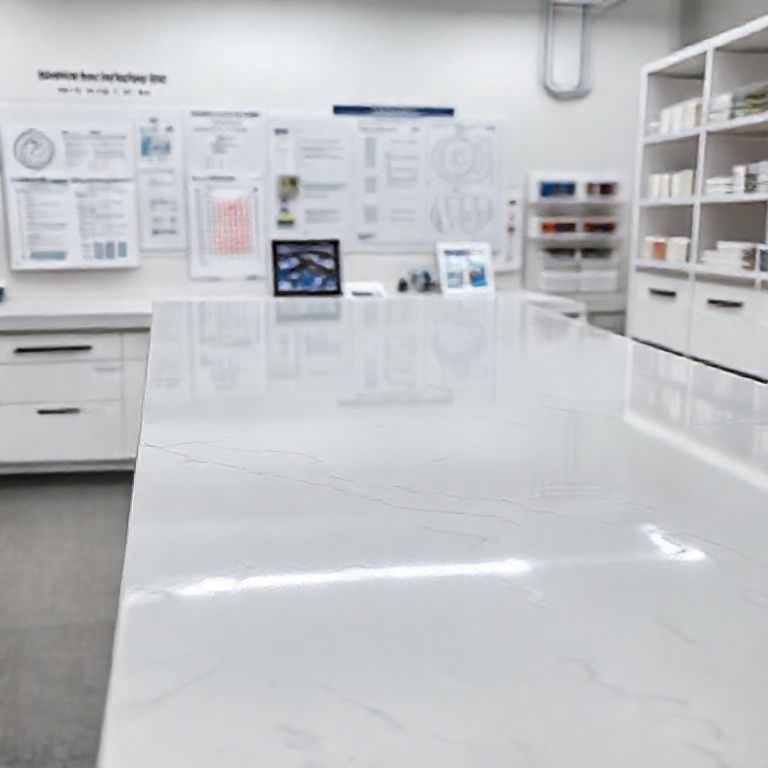
Heat Gun: A heat gun helps to soften the adhesive, making it easier to remove. Plastic Scraper or Putty Knife: These tools are essential for prying and lifting the adhesive without damaging the countertop. Acetone or Nail Polish Remover: Acetone is a powerful solvent that can dissolve adhesive residue. Dish Soap and Warm Water: For cleaning any remaining residue. Microfiber Cloths: To clean and wipe down the countertop. Protective Gloves: To protect your hands during the removal process. Safety Goggles: To protect your eyes from splashes and debris.
Step-by-Step Guide to Removal
Step 1: Preparation
Before beginning the removal process, ensure that you have all the necessary tools and materials. Wear protective gloves and safety goggles to safeguard yourself.
Step 2: Softening the Adhesive
Set your heat gun to a medium setting and gently heat the area where the adhesive is located. Move the heat gun back and forth over the adhesive to evenly distribute the heat. This process will soften the adhesive, making it easier to remove.
Step 3: Prying and Lifting
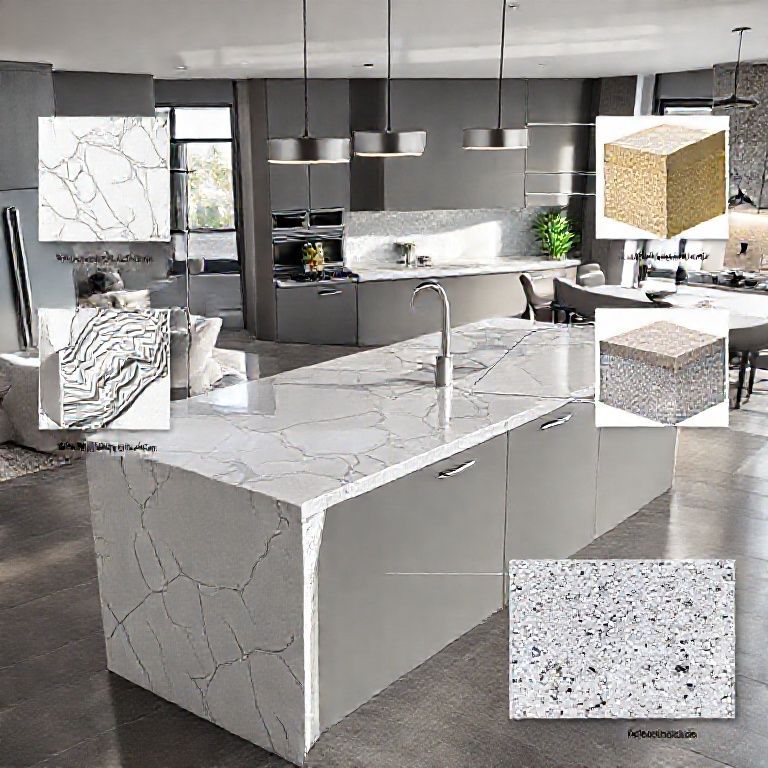
Once the adhesive has softened, use a plastic scraper or putty knife to gently pry and lift the adhesive from the countertop. Start at a small, less conspicuous area to avoid damaging the countertop. Work slowly and carefully to avoid creating cracks or scratches in the stone.
Step 4: Removing Residue
After most of the adhesive has been removed, there may still be some residue left behind. Apply acetone or nail polish remover to a cloth and gently rub the area to dissolve the remaining adhesive. Be cautious not to apply too much pressure, as this could damage the stone surface.
Step 5: Cleaning the Surface
Once all adhesive and residue have been removed, clean the countertop with a mixture of dish soap and warm water. Use a microfiber cloth to wipe down the area thoroughly.
Step 6: Final Inspection
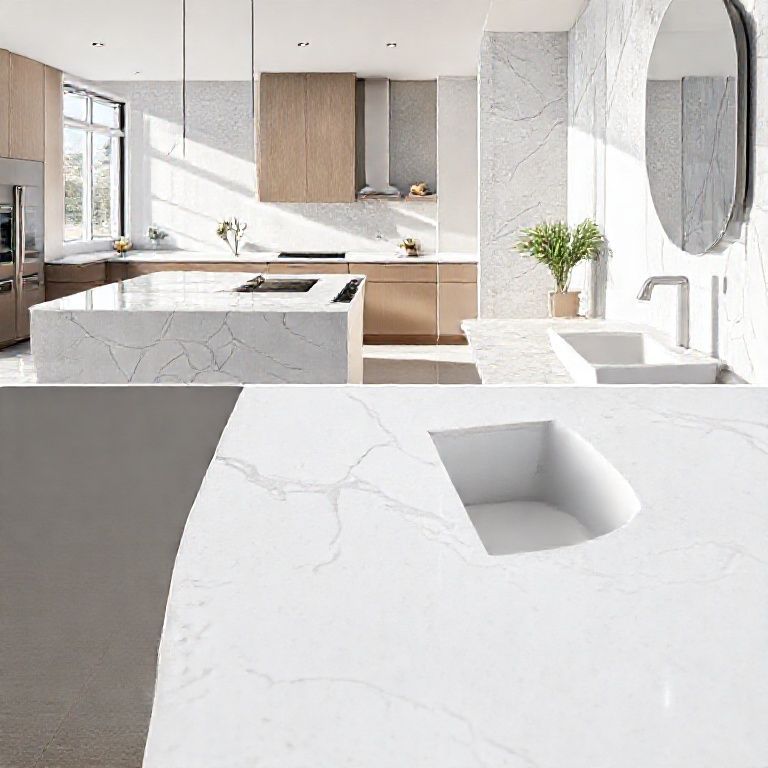
Inspect the countertop to ensure that no adhesive remains and that the surface is clean and smooth. If any minor scratches or imperfections are visible, they can often be buffed out with a fine-grit sandpaper or polished to restore the surface.
Tips for Effective Removal
Work Slowly: Rushing the process can lead to mistakes and potential damage to the countertop. Test First: Before applying any solvents or heat, test a small, inconspicuous area to ensure it doesn’t damage the stone. Use Minimal Force: Excessive force can scratch or crack the stone. Always opt for gentle, careful techniques. Proper Ventilation: Ensure the area is well-ventilated when using solvents like acetone to avoid inhaling fumes.
Advanced Techniques and Professional Tips
Having covered the basics of removing artificial stone countertop repair adhesive, let’s delve into more advanced techniques and professional tips that can help you achieve the best results.
Advanced Techniques for Adhesive Removal
Technique 1: Chemical Solvents
While acetone is a common solvent, there are other chemicals designed specifically for adhesive removal that may be more effective.
Adhesive Removers: Products like Goof Off or Goof Away are formulated to break down adhesives without damaging surfaces. Follow the manufacturer’s instructions for application and safety precautions.
Rubbing Alcohol: Another option is isopropyl rubbing alcohol, which can be effective in dissolving adhesive residue.
Technique 2: Ultrasonic Cleaners
An ultrasonic cleaner uses high-frequency sound waves to remove contaminants from surfaces. This technique is particularly useful for small, intricate repairs where manual methods might be too damaging.
Technique 3: Thermal Debonding
This technique involves using a specialized thermal debonding tool that emits high-frequency sound waves and heat to break down the adhesive bond without damaging the stone.
Professional Tips for Optimal Results
Tip 1: Use Proper Safety Gear
Always wear protective gloves and safety goggles when working with chemicals and heat tools. Ensure your work area is well-ventilated to avoid inhaling fumes.
Tip 2: Protect Surrounding Areas
When using heat or chemical solvents, it’s important to protect surrounding areas from damage. Use painter’s tape to cover edges and any adjacent surfaces.
Tip 3: Regular Maintenance
Regularly inspect and maintain your artificial stone countertops to catch any adhesive issues early. Prompt attention can prevent more extensive damage and make removal easier.
Tip 4: Professional Help When Necessary
For particularly stubborn adhesive or if you’re unsure about the removal process, consider seeking help from a professional. They have specialized tools and expertise that can ensure the job is done safely and effectively.
Tip 5: Preventative Measures
To avoid future adhesive issues, choose high-quality repair adhesives and follow the manufacturer’s application instructions carefully. Proper maintenance of the countertop can also prevent cracks and chips that lead to adhesive use.
Final Thoughts
Removing artificial stone countertop repair adhesive can be a challenging task, but with the right tools, techniques, and careful attention to detail, it can be done effectively. Whether you’re tackling a small repair or a larger project, following the steps and tips outlined in this guide will help ensure a smooth and professional finish.
By understanding the nature of the adhesive, using appropriate removal methods, and taking necessary precautions, you can achieve a flawless result that enhances the beauty and longevity of your artificial stone countertop.
By following these comprehensive guidelines, you will be well-equipped to handle the removal of artificial stone countertop repair adhesive, ensuring a smooth, clean, and professional outcome every time.