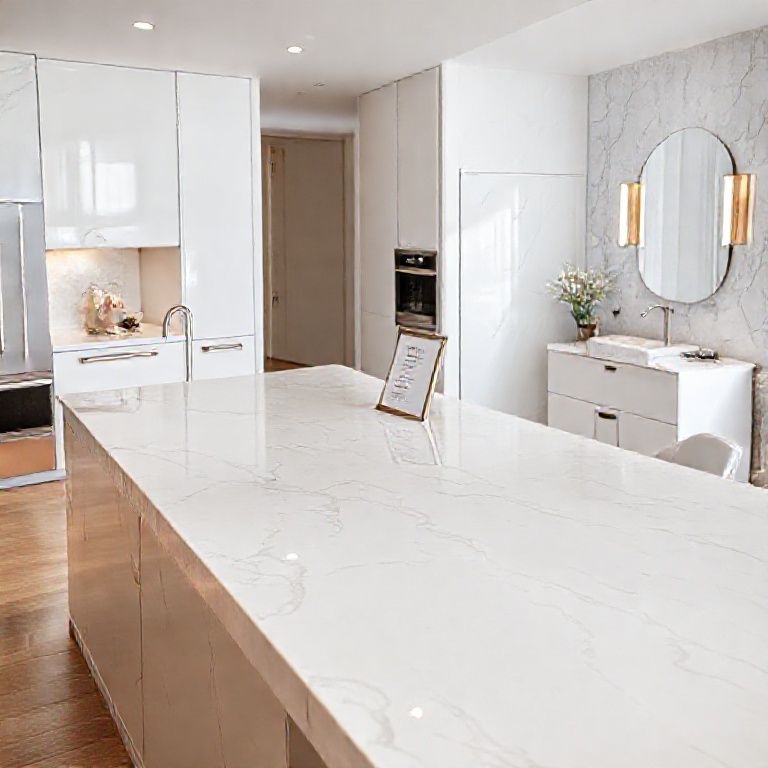
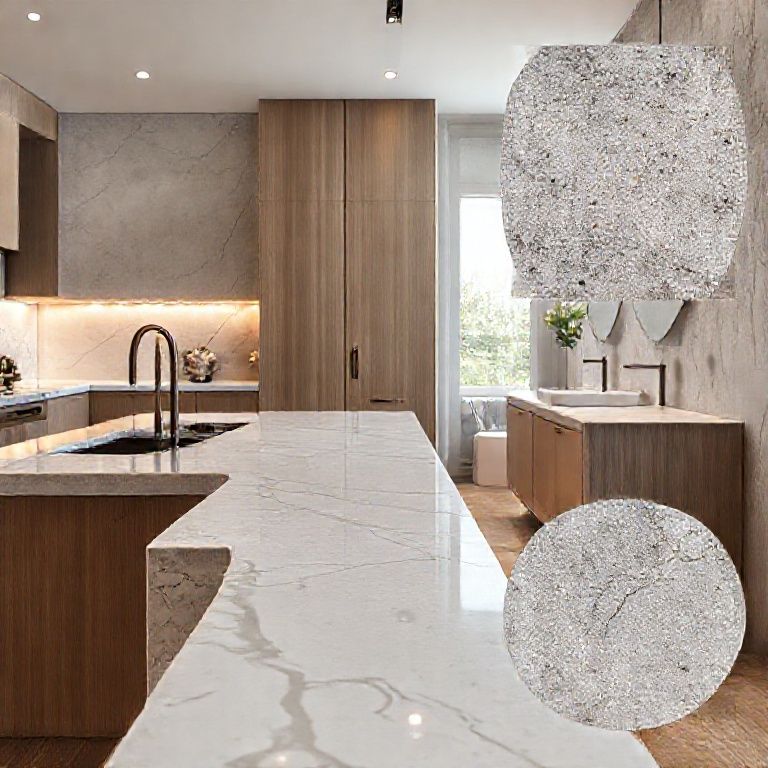
Understanding and Identifying Stains on Artificial Stone Countertops
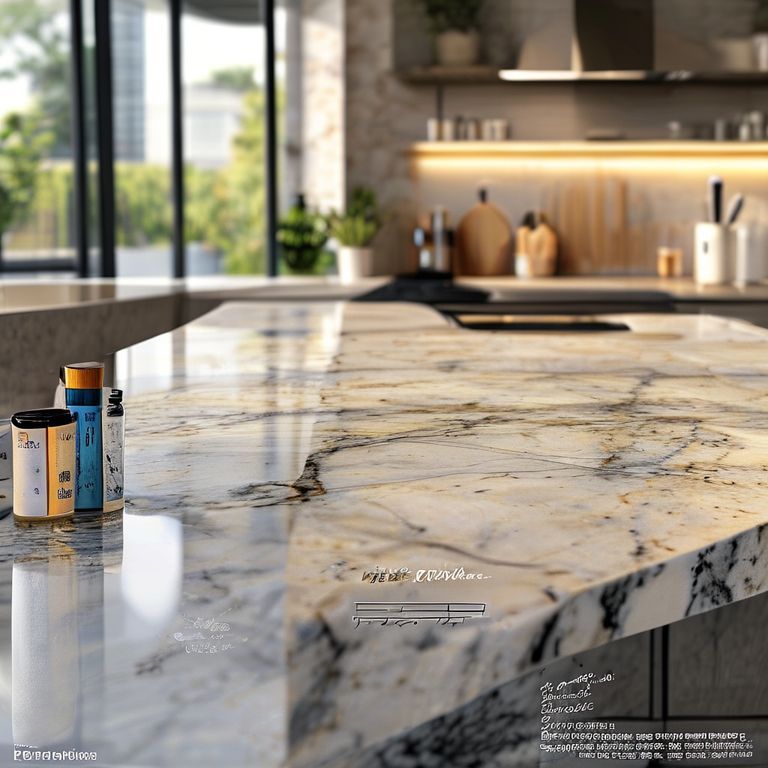
When it comes to maintaining the beauty and longevity of your artificial stone countertops, understanding the nature of the stains is the first step towards effective cleaning. Artificial stone, often made from a combination of minerals, resins, and pigments, can be susceptible to various types of stains. Knowing what kind of stain you’re dealing with will help you choose the right cleaning method.
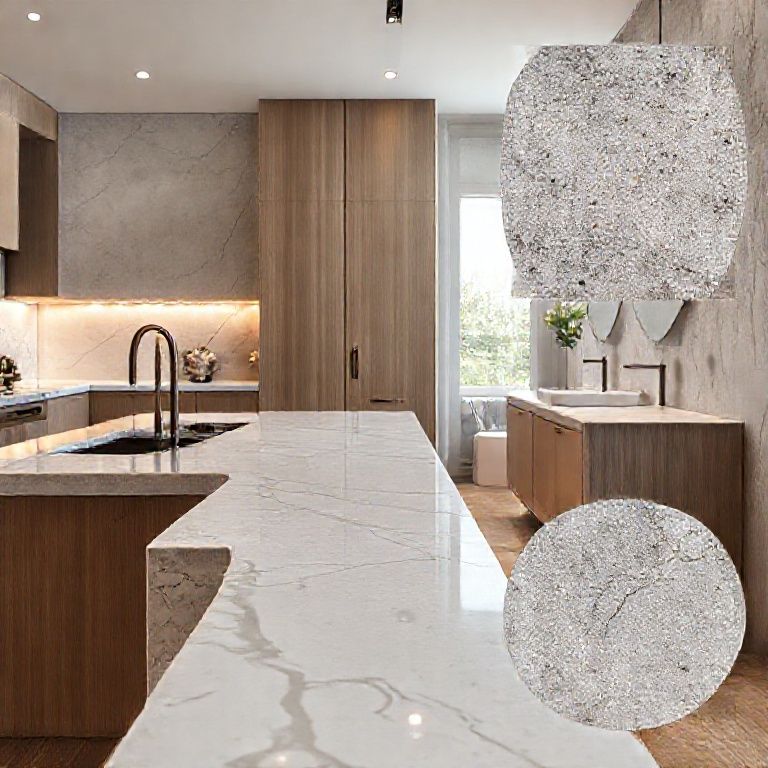
Common Types of Stains
Water Spots and Rings Water spots and rings are one of the most common issues faced by artificial stone countertops. These often occur due to water being left on the surface for extended periods, especially when glasses or containers are left directly on the stone. They can appear as white or slightly translucent marks.
Food and Beverage Stains Stains from food and drinks can vary greatly in severity. Coffee, tea, red wine, and fruit juices are notorious for leaving permanent stains if not cleaned promptly. These stains can penetrate deep into the stone’s surface, making them harder to remove.
Grease and Oil Stains Cooking spills and grease can leave noticeable marks on artificial stone. Since these materials can seep into the stone’s surface, they require a more aggressive cleaning approach to ensure they are completely removed.
Hard Water Stains Hard water contains high levels of minerals like calcium and magnesium. When this water evaporates on your stone countertop, it leaves behind mineral deposits that can be challenging to remove.
General Dirt and Grime Everyday use inevitably leaves behind a layer of dirt, oils, and grime. These can accumulate over time and make your countertop look dull and worn.
Understanding Stain Behavior
To effectively remove stains, it’s important to understand how they behave on artificial stone. Unlike natural stone, artificial stone does not have a porous surface, which means that many stains can penetrate deeper into the stone rather than just sitting on the surface. This characteristic necessitates the use of specific cleaning agents that can reach deep into the stone’s composition.

Identifying the Stain
To identify the type of stain on your artificial stone countertop, follow these steps:
Visual Inspection Carefully observe the stain to determine its color, texture, and how deep it appears to go into the stone.
Test Cleaning Solution Apply a small amount of a mild cleaning solution to an inconspicuous area of the countertop. If the stain lifts, you’ve identified the right type of cleaning agent. If not, it might require a different approach.
Professional Advice If you’re unsure about the type of stain or how to treat it, consider seeking advice from a professional. They can provide specific recommendations based on the material and nature of the stain.
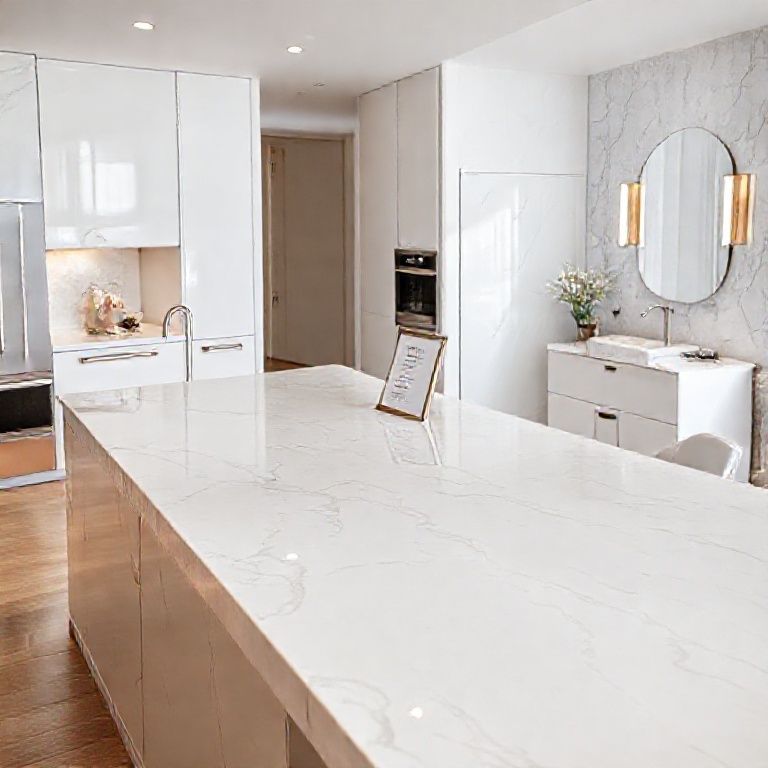
By understanding and identifying the type of stain, you can take the appropriate steps to restore the beauty of your artificial stone countertop. In the next part, we will delve into the best cleaning solutions and techniques to tackle each type of stain effectively.
Cleaning Solutions and Techniques for Artificial Stone Countertops
Now that you’ve identified the type of stains on your artificial stone countertops, it’s time to move on to the cleaning solutions and techniques that will help you restore your countertop to its original splendor. Different stains require different approaches, and using the wrong cleaning solution can potentially damage the stone. Therefore, it’s crucial to use the right products for each type of stain.
Cleaning Water Spots and Rings
For water spots and rings, a simple and effective solution is a mixture of water and vinegar. Vinegar is acidic and can help dissolve water-based residues without damaging the stone.
Mixture: Combine equal parts of white vinegar and water in a spray bottle. Application: Spray the solution onto the stained area and let it sit for a few minutes. Cleaning: Wipe the area with a clean, damp cloth. For tougher spots, you can use a soft-bristled brush to gently scrub the stain.
Tackling Food and Beverage Stains
For stubborn food and beverage stains, a combination of baking soda and water can be very effective. Baking soda acts as a mild abrasive that can help lift stains without scratching the surface.
Mixture: Make a paste using baking soda and a small amount of water. Application: Apply the paste to the stained area and let it sit for a few minutes. Cleaning: Use a soft cloth or brush to scrub the stain gently. Rinse with water and wipe dry.
For coffee, tea, and red wine stains, a mixture of equal parts water and lemon juice can be particularly effective due to the citric acid in lemon juice, which helps to lift the stain.
Mixture: Combine water and lemon juice in a spray bottle. Application: Spray the solution onto the stained area and let it sit for a few minutes. Cleaning: Wipe with a clean cloth and rinse thoroughly.
Removing Grease and Oil Stains
Grease and oil stains require a more powerful cleaning agent. A commercial stone countertop cleaner is often the best choice as it contains ingredients that are specifically formulated to tackle grease.
Cleaner: Use a stone countertop cleaner that is safe for artificial stone. Application: Spray the cleaner onto the stained area and let it sit for a few minutes. Cleaning: Wipe with a clean cloth or use a soft-bristled brush to scrub gently. Rinsing: Rinse with water and dry thoroughly.
Addressing Hard Water Stains
Hard water stains can be particularly stubborn, but a solution of vinegar and baking soda can help.
Mixture: Combine vinegar and baking soda to form a paste. Application: Apply the paste to the stained area and let it sit for a few minutes. Cleaning: Use a soft cloth or brush to scrub gently. Rinse with water and dry.
General Dirt and Grime
For general dirt and grime, a simple all-purpose cleaner can be very effective. Here’s a quick method:
Cleaner: Use a mild dish soap mixed with water. Application: Dampen a cloth with the soapy water and wipe down the countertop. Cleaning: For tougher spots, use a soft-bristled brush to gently scrub. Rinsing: Rinse the countertop with clean water and dry it with a clean cloth.
Maintenance Tips
To prevent future stains and maintain the beauty of your artificial stone countertops, consider these tips:
Immediate Cleaning: Clean up spills and stains as soon as they occur to prevent them from setting in. Avoid Abrasive Cleaners: Use only mild cleaners and avoid abrasive tools that can scratch the surface. Regular Maintenance: Regularly wipe down the countertop with a damp cloth to remove everyday grime. Protective Mats: Use cutting boards and placemats to protect the surface from stains and scratches.
By following these cleaning solutions and techniques, you can keep your artificial stone countertops looking pristine and beautiful. Remember, the key to maintaining the longevity and appearance of your artificial stone is regular and proper cleaning. In the next part, we will explore additional tips and tricks to ensure your countertop remains in top condition.
By understanding the types of stains and using the appropriate cleaning solutions and techniques, you can effectively remove stains from your artificial stone countertops and keep them looking beautiful for years to come. Regular maintenance and the right cleaning products are essential for preserving the integrity and appearance of your artificial stone. With these guidelines, you’re well-equipped to tackle any stain that comes your way.