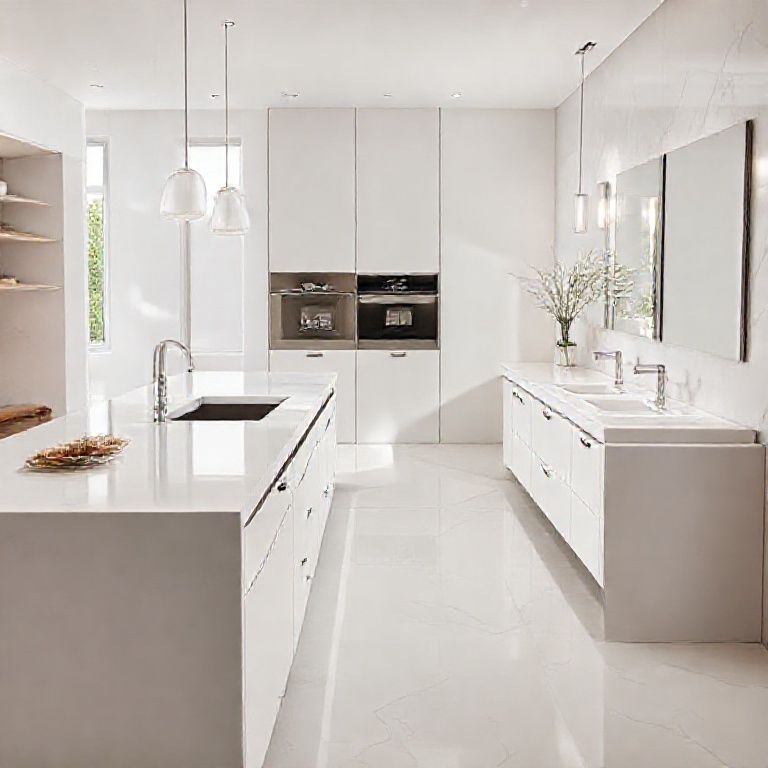
Understanding and Identifying Stains on Artificial Stone Countertops
Artificial stone countertops have revolutionized modern kitchen and bathroom designs with their durability, aesthetic appeal, and relatively low maintenance requirements. However, like any surface, they can develop stains over time that may detract from their pristine appearance. Understanding the nature and origin of these stains is crucial to effectively removing them and maintaining the longevity of your countertop.

Types of Stains on Artificial Stone Countertops
Organic Stains: These are typically caused by food particles, coffee, tea, red wine, and other organic substances. Organic stains can penetrate the surface if not addressed promptly, making them more challenging to remove.
Acidic Stains: Fruits and acidic foods like lemons, tomatoes, and vinegar can leave behind stains. These stains often appear as brown or yellow spots and can be persistent.
Water Stains: Despite their name, artificial stone countertops can still develop water rings or stains, especially if water is left to sit on the surface for an extended period.
General Grime and Dirt: Everyday spills and grime can accumulate on artificial stone, leading to a dull and unappealing surface.
Understanding Stain Mechanisms
To effectively remove stains, it’s important to understand how they form and penetrate the surface of the artificial stone:
Penetration: Organic and acidic stains can penetrate the stone’s surface, embedding themselves within the material. This makes them more difficult to remove compared to surface-level stains.
Surface Stains: These are typically easier to tackle and involve discoloration on the surface of the stone without penetrating deeply.
Hygroscopic Nature: Artificial stone can absorb water and other liquids, leading to ring formations or stains if not wiped up promptly.
Preventive Measures
Prevention is always better than cure. Here are some tips to keep your artificial stone countertop stain-free:
Immediate Wiping: Always clean up spills immediately to prevent stains from setting in.
Use Coasters and Trivets: Protect your countertop from heat and liquid spills by using coasters for drinks and trivets for hot pots and pans.
Avoid Abrasive Cleaners: Using harsh chemicals or abrasive pads can scratch the surface and exacerbate staining.
Basic Cleaning Routine
Maintaining a regular cleaning routine can prevent many stains from forming in the first place. Here’s a simple routine:
Daily Cleaning: Use a soft cloth or sponge with warm water and a mild, non-abrasive soap to wipe down the countertop. For tougher spots, a soft-bristle brush can be useful.
Weekly Deep Clean: For a deeper clean, mix a few drops of dish soap with water to create a mild detergent solution. Apply this to the countertop with a soft cloth, then rinse thoroughly.
Choosing the Right Cleaning Products
Selecting the right cleaning products is essential for maintaining the integrity of your artificial stone countertop. Here are some guidelines:
Avoid Harsh Chemicals: Bleach, ammonia, and other strong chemicals can damage the surface. Stick to mild, non-abrasive cleaners.
pH-Neutral Cleaners: Opt for pH-neutral cleaners that won’t harm the stone’s surface.
Specialized Cleaners: Consider using specialized cleaners designed for artificial stone to ensure you’re using the safest and most effective products.
By understanding the types of stains, their mechanisms, and preventive measures, you’re well on your way to keeping your artificial stone countertop looking its best. In the next part, we’ll delve into specific techniques and solutions for removing various types of stains from your artificial stone countertops.
Practical Techniques for Stain Removal from Artificial Stone Countertops
Having covered the basics of understanding and preventing stains on your artificial stone countertops, we now turn to the practical side of stain removal. Whether you’re dealing with organic, acidic, or water stains, the following techniques will help you restore your countertop to its original beauty.
Removing Organic Stains
Organic stains, such as coffee, tea, and red wine, are among the most common challenges for artificial stone countertops. Here’s how to tackle them:
Immediate Action: The key to removing organic stains is acting quickly. The longer they sit, the harder they are to remove.
Baking Soda Paste: Mix baking soda with water to form a paste. Apply the paste to the stained area and let it sit for 15-20 minutes. Use a soft-bristle brush to scrub the stain gently. Rinse thoroughly with warm water.
Vinegar Solution: For tougher organic stains, create a solution of equal parts white vinegar and water. Apply the solution with a soft cloth, let it sit for 15 minutes, then scrub gently with a soft-bristle brush. Rinse and dry with a clean cloth.
Hydrogen Peroxide: For stubborn stains, apply a small amount of 3% hydrogen peroxide directly to the stain. Let it sit for a few minutes before scrubbing gently with a soft-bristle brush. Rinse thoroughly.
Removing Acidic Stains
Acidic stains from fruits and other acidic foods can be particularly stubborn. Here’s a step-by-step approach:
Baking Soda and Lemon Juice: Create a paste using baking soda and lemon juice. Apply the paste to the stained area and let it sit for 15 minutes. Scrub gently with a soft-bristle brush and rinse thoroughly.
Vinegar and Baking Soda: Mix equal parts vinegar and baking soda to form a paste. Apply the paste to the stain and let it sit for 20 minutes. Scrub gently and rinse with warm water.
Oxygen Bleach: For deeper stains, an oxygen bleach solution (such as OxiClean) can be effective. Follow the product instructions for application and let it sit for the recommended time before rinsing.
Removing Water Stains and Rings
Water rings and stains can be unsightly and are often a result of water sitting on the surface for an extended period.
Vinegar Rinse: Pour white vinegar onto a soft cloth and wipe the stained area. Vinegar is effective in breaking down mineral deposits that cause water rings.
Baking Soda and Water: Mix baking soda with water to form a paste. Apply the paste to the water rings and let it sit for 20 minutes. Scrub gently with a soft-bristle brush and rinse.
Commercial Cleaners: Specialized cleaners designed for stone surfaces can be effective in removing water rings. Follow the manufacturer’s instructions for application and rinsing.
Tackling General Grime and Dirt
General grime and dirt can accumulate over time, making your countertop look dull and dirty.
Mild Soap and Water: Use a mild, non-abrasive soap mixed with warm water. Apply to the countertop with a soft cloth or sponge and wipe down thoroughly.
Microfiber Cloth: For a quick clean, use a microfiber cloth to wipe down the surface. Microfiber is effective at trapping and removing dirt without scratching the stone.
Specialized Stone Cleaners: For a deeper clean, consider using a cleaner specifically designed for stone countertops. Follow the product instructions for the best results.
Additional Tips for Stain Removal
Avoid Abrasive Materials: Never use steel wool, harsh scrubbing pads, or abrasive cleaners as these can scratch and damage the surface of your artificial stone countertop.
Test Cleaners: Always test any cleaning solution on a small, inconspicuous area of the countertop to ensure it doesn’t cause discoloration or damage.
Regular Maintenance: Regular cleaning and maintenance can prevent stains from setting in and make removal easier when they do occur.
By following these practical techniques, you can effectively remove a variety of stains from your artificial stone countertop, ensuring it remains beautiful and pristine. Remember, the key to successful stain removal is acting quickly and using the right cleaning products. With these tips, you’ll be well-equipped to keep your countertop looking its best.
Maintaining your artificial stone countertop is essential to preserving its beauty and longevity. By understanding the types of stains and employing the right cleaning techniques, you can keep your countertop looking flawless. Regular maintenance and immediate action are your best allies in achieving a stain-free surface.