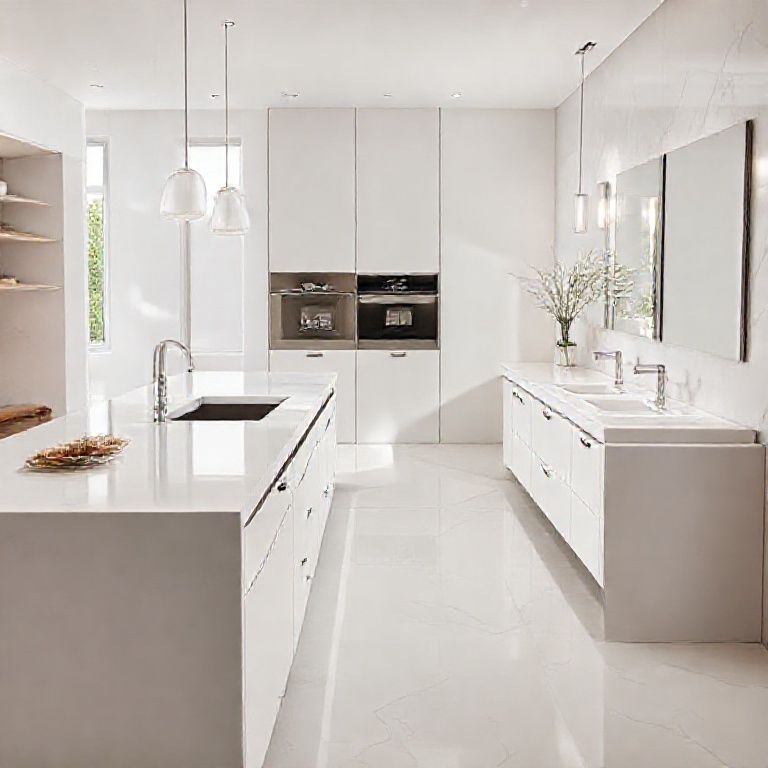
Understanding and Preventing Stains on White Quartz Countertops
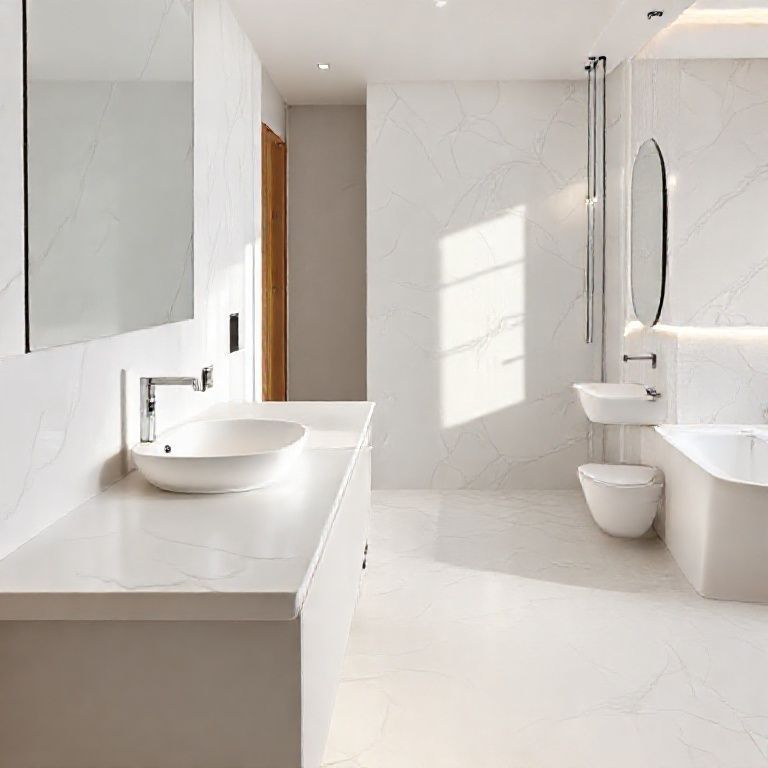
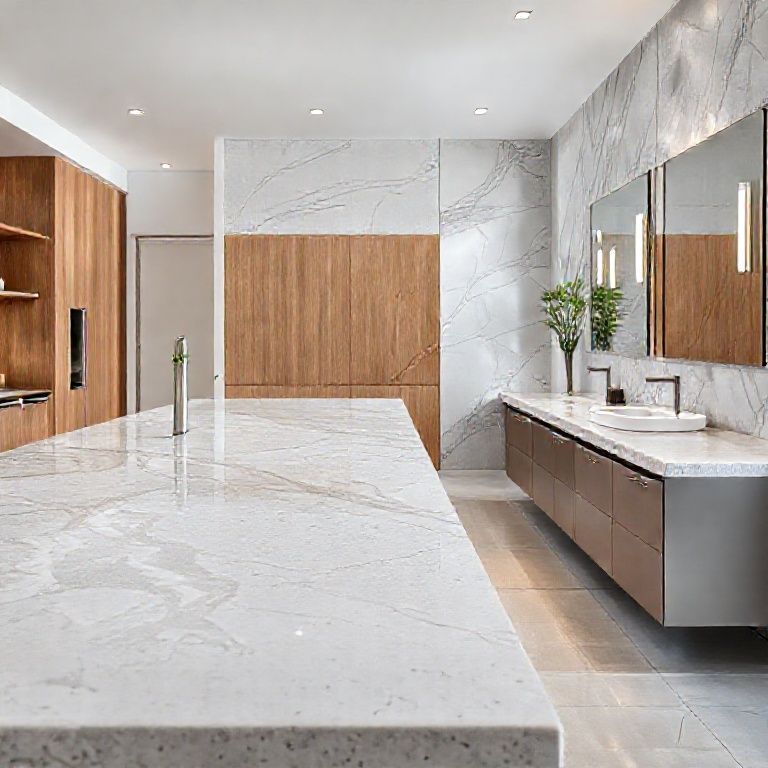
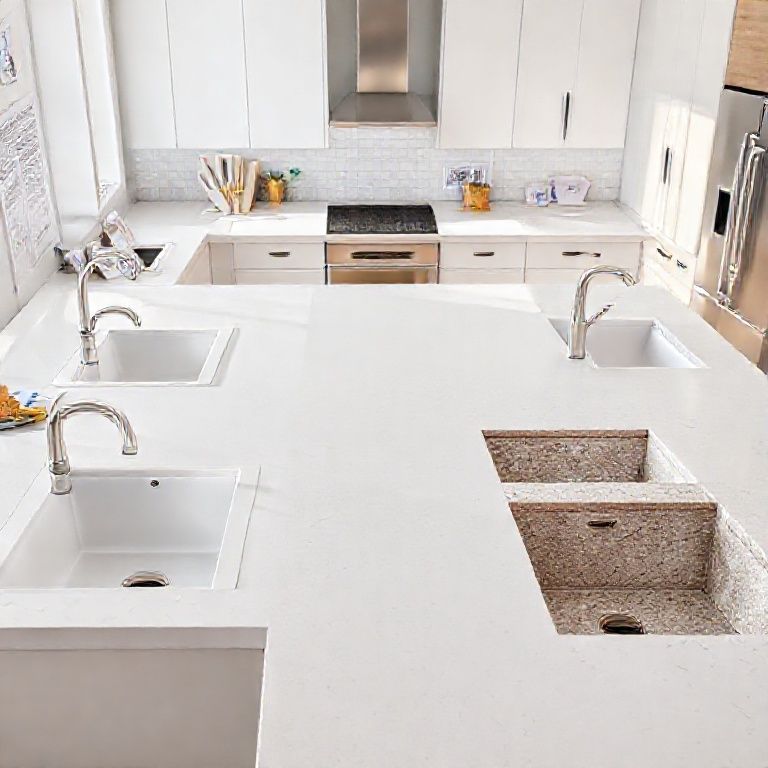
White quartz countertops are renowned for their durability, beauty, and low maintenance. However, like any surface, they can sometimes develop stains that detract from their pristine appearance. Understanding the nature of these stains and how to prevent them is the first step in maintaining the elegance of your quartz countertops.
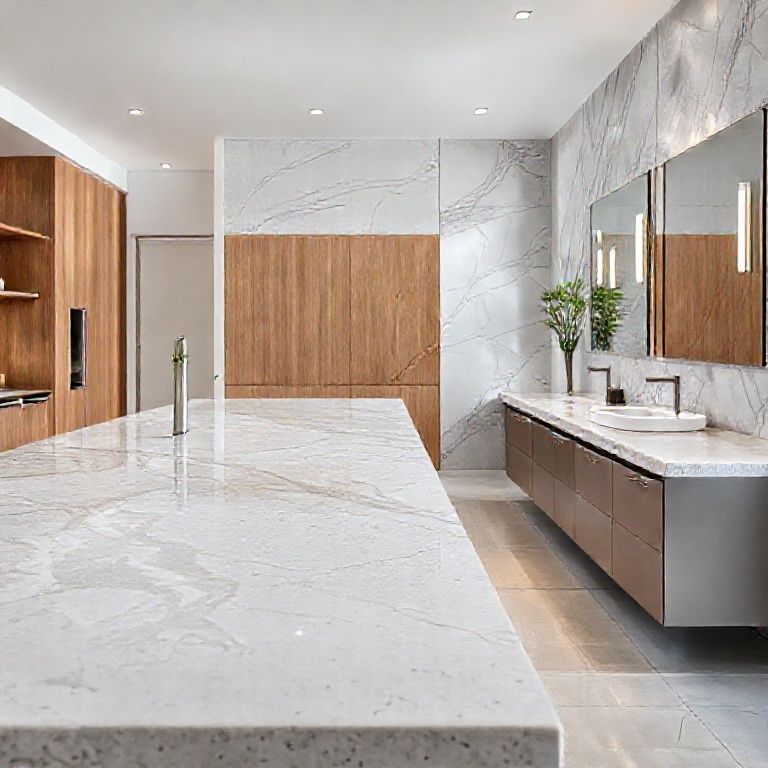
The Nature of Stains
Stains on white quartz countertops can originate from various sources. Common culprits include:
Food and Drink Spills: Juices, coffee, wine, and other beverages often leave behind dark marks. Cooking Oils: Hot oils and grease can seep into the surface and create stubborn stains. Chemical Stains: Cleaning agents and other chemicals can cause discoloration. Hard Water Deposits: Mineral deposits from hard water can leave a cloudy appearance.
Preventive Measures
To keep your quartz countertop looking immaculate, consider these preventive measures:
Use Cutting Boards: Always use a cutting board to prepare food, rather than directly on the countertop. Immediate Cleanup: Wipe up spills immediately to prevent them from setting in. Avoid Harsh Chemicals: Use mild, non-abrasive cleaners to avoid chemical stains. Regular Cleaning: Clean your countertops regularly to prevent buildup of grime and stains.
Immediate Stain Removal Techniques
For minor stains, immediate action can prevent them from setting in permanently. Here are some quick and effective techniques:
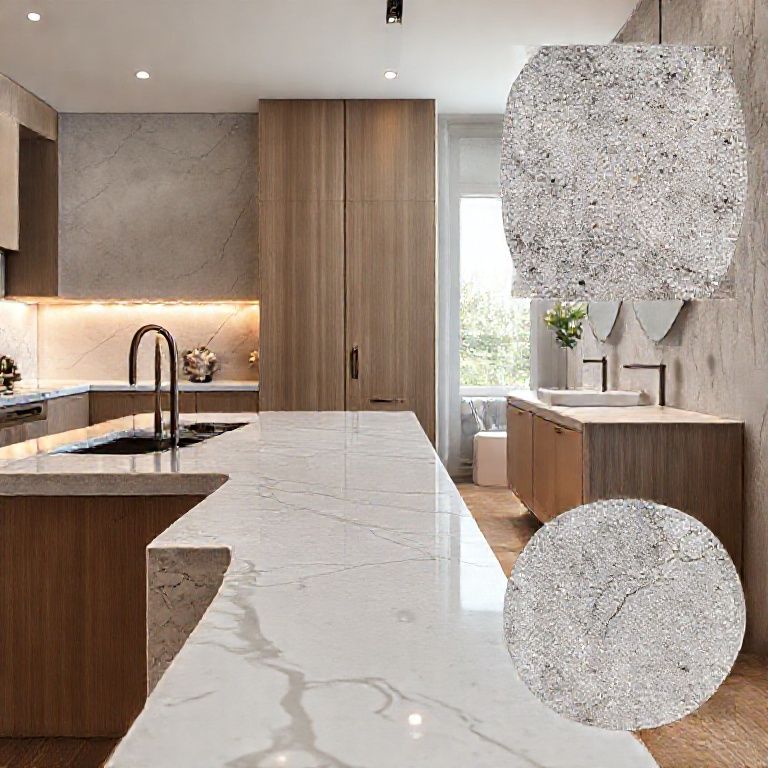
Baking Soda Paste: Mix baking soda with a small amount of water to form a paste. Apply the paste to the stain and let it sit for a few minutes before wiping it off with a damp cloth. Vinegar Solution: Vinegar is a natural cleaner that can dissolve some types of stains. Mix equal parts vinegar and water, apply to the stain, and let it sit before wiping clean. Lemon Juice: Lemon juice has natural bleaching properties. Apply fresh lemon juice to the stain and let it sit for a few minutes before wiping away with a damp cloth.
Tools and Materials Needed
Before you begin cleaning, gather the following tools and materials:
Baking soda White vinegar Lemon juice Soft cloths or sponges Water Non-abrasive cleaning spray Toothbrush (for intricate areas)
Step-by-Step Cleaning Process
Preparation: Start by turning off any appliances that might cause spills or splatters. Initial Cleaning: Wipe down the countertop with a damp cloth to remove any loose debris. Apply Cleaning Solution: Depending on the stain, use one of the cleaning solutions mentioned above. Scrub Gently: For tough stains, use a soft cloth or a toothbrush to gently scrub the area. Rinse and Dry: Rinse the area with water and dry it immediately to prevent water spots.
Advanced Stain Removal Techniques
For more stubborn stains, consider these advanced methods:
Hydrogen Peroxide: Apply a small amount of hydrogen peroxide directly to the stain and let it sit for a few minutes before wiping clean. This method works particularly well for organic stains. Commercial Cleaners: If the stain persists, use a commercial quartz cleaner specifically designed for stone surfaces. Always follow the manufacturer’s instructions.
By understanding the nature of stains and employing preventive and immediate cleaning measures, you can keep your white quartz countertop looking flawless.
Deep Cleaning and Long-Term Maintenance of White Quartz Countertops
While regular maintenance and immediate stain removal are crucial, there are times when a deeper cleaning is necessary to restore the full brilliance of your white quartz countertop. In this part, we delve into the deeper cleaning techniques and long-term maintenance strategies to ensure your quartz countertop remains pristine.

Deep Cleaning Techniques
Deep cleaning your quartz countertop is essential to remove embedded stains and restore its original shine. Here are some advanced techniques:
1. Powdered Baking Soda and Hydrogen Peroxide
This method is particularly effective for tough stains and can be done regularly for maintenance.
Materials Needed:
Baking soda
Hydrogen peroxide
Soft cloth or sponge
Steps:
Mix Baking Soda and Hydrogen Peroxide: In a small bowl, mix 3 parts baking soda with 1 part hydrogen peroxide to form a paste. Apply to Stain: Spread the paste over the stain and let it sit for 10-15 minutes. Scrub: Use a soft cloth or sponge to scrub the area gently. Rinse and Dry: Rinse the area with water and dry it immediately with a clean cloth.
2. Commercial Cleaners
For a thorough clean, commercial cleaners designed for quartz countertops are highly effective.
Materials Needed:
Commercial quartz cleaner
Soft cloth or sponge
Steps:
Follow Instructions: Read and follow the manufacturer’s instructions on the cleaner’s packaging. Apply Cleaner: Spray the cleaner onto the countertop and let it sit for the recommended time. Wipe Clean: Wipe the surface with a clean, soft cloth to remove any residue.
3. Abrasive Cleaners
For very stubborn stains, an abrasive cleaner can be used with caution to avoid scratching the surface.
Materials Needed:
Mild abrasive cleaner
Soft cloth or sponge
Steps:
Apply Cleaner: Follow the instructions on the abrasive cleaner’s packaging. Gently Scrub: Use a soft cloth or sponge to gently scrub the stained area. Rinse and Dry: Rinse the area with water and dry it immediately.
Long-Term Maintenance Strategies
Maintaining your quartz countertop involves regular care to prevent stains and prolong its life.
1. Regular Cleaning Routine
Establish a regular cleaning routine to keep your countertop in top condition.
Daily: Wipe down the countertop with a damp cloth to remove daily grime and spills. Weekly: Use a mild, non-abrasive cleaner to give the countertop a more thorough clean. Monthly: For a deeper clean, use a combination of baking soda and water or a commercial quartz cleaner.
2. Protective Coatings
Consider applying a protective coating to your quartz countertop. These coatings provide an additional layer of protection against stains and scratches.
Materials Needed:
Protective coating (such as granite sealant)
Soft cloth
Steps:
Clean Surface: Thoroughly clean the countertop to remove any dirt or residue. Apply Coating: Follow the manufacturer’s instructions to apply the protective coating. Dry: Allow the coating to dry completely before using the countertop.
3. Avoiding Damage
To prevent damage to your quartz countertop, take these precautions:
Use Cutting Boards: Always use cutting boards when preparing food to prevent knife marks. Avoid Sharp Objects: Do not use sharp objects to scrape off spills or residue. Immediate Cleanup: Clean up spills immediately to prevent stains from setting in.
Common Mistakes to Avoid
To keep your quartz countertop looking its best, avoid these common mistakes:
Using Harsh Chemicals: Avoid using abrasive cleaners or harsh chemicals that can damage the surface. Ignoring Spills: Never ignore spills; wipe them up immediately to prevent stains. Over-Cleaning: Over-cleaning can strip the countertop of its natural oils, leading to a dull appearance.
By employing deep cleaning techniques and adhering to long-term maintenance strategies, you can ensure that your white quartz countertop remains beautiful and functional for years to come. Regular care and timely stain removal will keep it looking pristine and new.