How to Effectively Remove Water Stains from Quartz Countertops: Part 1
Quartz countertops have revolutionized kitchen design with their durability, beauty, and low maintenance. However, like any surface, they can develop water stains over time, which can mar their sleek appearance. Understanding how to effectively remove water stains from quartz countertops is essential for maintaining their pristine look. This comprehensive guide will walk you through the most effective techniques and products to keep your quartz surfaces spotless and looking brand new.
Understanding Water Stains on Quartz
Before diving into the removal techniques, it’s important to understand what causes water stains on quartz countertops. Water stains typically appear as light brown or grayish spots. These stains often result from water pooling on the surface during cooking, rinsing dishes, or even just from regular use. Unlike some other materials, quartz doesn’t absorb water, but water droplets can leave mineral deposits or residues that cause these unsightly stains.
Initial Steps to Tackle Water Stains
Immediate Cleaning: Dry the Surface: As soon as you notice water on the quartz surface, dry it immediately with a clean, soft cloth. This prevents water spots from setting in. Wipe Away Excess Water: If there is significant water pooling, gently blot it with a dry cloth to remove excess moisture. Avoid Harsh Chemicals: Natural Cleaning Agents: Avoid using harsh chemicals or abrasive cleaners that can scratch the surface. Stick to mild cleaning agents that are safe for quartz.
Effective Cleaning Methods
Mild Soap and Water: Solution: Mix a few drops of mild dish soap with warm water. Application: Dampen a soft cloth with the soapy water and gently wipe the stained area. Avoid scrubbing too hard to prevent scratching. Rinse and Dry: Rinse the area with clean water and dry it thoroughly with a clean, soft cloth. Vinegar and Baking Soda: Baking Soda Paste: Make a paste using baking soda and a small amount of water. Apply the paste to the stained area and let it sit for a few minutes. Scrub Gently: Use a soft cloth or sponge to gently scrub the paste into the stain. Rinse and Dry: Rinse the area with clean water and dry it with a soft cloth. Hydrogen Peroxide: Application: Apply a small amount of hydrogen peroxide directly to the stain. Let it Sit: Allow the hydrogen peroxide to sit on the stain for a few minutes to break down mineral deposits. Wipe Clean: Use a clean cloth to wipe away the peroxide and any residue, then rinse and dry the area. Commercial Cleaners: Safe Cleaners: Look for cleaners specifically designed for quartz countertops. Brands like Granite Gold, Stone Care, or others that have good reviews and are recommended for quartz surfaces. Follow Instructions: Apply the cleaner according to the manufacturer’s instructions, ensuring to wipe away any excess for a streak-free finish.
Preventive Measures
Regular Cleaning: Routine Maintenance: Clean your quartz countertop regularly with mild soap and water to prevent stains from setting in. Immediate Drying: Always dry the surface after washing dishes or cleaning to avoid water spots. Use Coasters and Trivets: Protect the Surface: Use coasters under cups and trivets under pots and pans to prevent direct contact with the quartz surface. Avoid Overloading: Limit Water Exposure: Try not to overfill sinks or water containers on the countertop, as this can lead to more water pooling. Proper Ventilation: Reduce Moisture: Ensure your kitchen has proper ventilation to reduce moisture levels that can lead to water stains.
By following these steps, you can effectively remove water stains from your quartz countertops and maintain their beautiful, unmarred appearance. In the next part of this guide, we’ll explore advanced techniques and additional tips for keeping your quartz countertops looking their best.
How to Effectively Remove Water Stains from Quartz Countertops: Part 2
Building on the foundational methods discussed in the first part, this second part delves into more advanced techniques and additional tips to ensure your quartz countertops remain pristine and beautiful. Whether you’re a seasoned homeowner or a newcomer to quartz maintenance, these detailed steps will help you keep your countertops looking like new.
Advanced Cleaning Techniques
Hydrogen Peroxide and Baking Soda Combo: Baking Soda and Hydrogen Peroxide Paste: Combine baking soda and hydrogen peroxide to create a powerful yet gentle cleaning paste. Apply it to the stained area and let it sit for about 15 minutes. Scrub Gently: Use a soft cloth or sponge to gently scrub the paste into the stain. Rinse and Dry: Rinse the area thoroughly with warm water and dry with a clean, soft cloth. Vinegar and Essential Oils: Natural Cleaner: Mix equal parts of white vinegar and water in a spray bottle. Add a few drops of your favorite essential oil for a pleasant aroma. Spray and Wipe: Spray the solution onto the stained area and let it sit for a few minutes. Wipe with a clean, soft cloth. Rinse and Dry: Rinse the area with clean water and dry thoroughly. Specialized Cleaning Gels: Gel Cleaners: Use cleaning gels specifically formulated for quartz surfaces. These gels contain gentle abrasives that effectively remove stains without scratching the surface. Application: Follow the manufacturer’s instructions for application and rinsing. Professional Cleaning Services: When to Call in the Pros: If the stains are particularly stubborn or if you prefer to avoid DIY methods, consider hiring a professional cleaning service that specializes in quartz countertops. Maintenance Contracts: Some companies offer maintenance contracts that include regular cleaning and maintenance to keep your quartz surfaces looking their best.
Specialized Tips for Different Stains
Hard Water Stains: Baking Soda and Vinegar: Combine baking soda and vinegar to form a paste. Apply to the stain and let it sit for a few minutes before gently scrubbing. Rinse and Dry: Rinse with water and dry thoroughly. Coffee and Tea Stains: Lemon Juice: Apply fresh lemon juice to the stain and let it sit for a few minutes. Wipe with a clean cloth. Rinse and Dry: Rinse with water and dry thoroughly. Food and Oil Stains: Oxygen Bleach: Use oxygen bleach (such as OxiClean) to break down food and oil stains. Apply directly to the stain and let it sit for a few minutes before scrubbing gently. Rinse and Dry: Rinse with water and dry thoroughly. Ink Stains: Isopropyl Alcohol: Dab a small amount of isopropyl alcohol onto the ink stain and gently rub it in. Rinse with water and dry. Avoid Scrubbing: Be careful not to scrub too hard as this can spread the ink further.
Long-Term Maintenance and Care
Regular Maintenance: Weekly Cleaning: Even with regular use, a weekly cleaning with mild soap and water can prevent the buildup of stains. Immediate Action: Address spills and water pooling immediately to prevent stains from setting in. Proper Storage: Use Mats: Place mats under cutting boards and hot pots to minimize direct contact with the quartz surface. Store Dishes Properly: Store dishes and cookware in cabinets or drawers to avoid prolonged exposure to the countertop. Avoiding Abrasives: Gentle Cleaning: Always use soft cloths, sponges, or non-abrasive cleaning tools to avoid scratching the surface. Avoid Steel Wool: Never use steel wool or any abrasive pads on your quartz countertops. Temperature Control: Limit Heat Exposure: Avoid placing hot items directly on the countertop. Use trivets to protect the surface from direct heat. Professional Inspections: Regular Check-Ups: Schedule regular inspections with a professional to ensure there are no underlying issues that could lead to staining or damage.
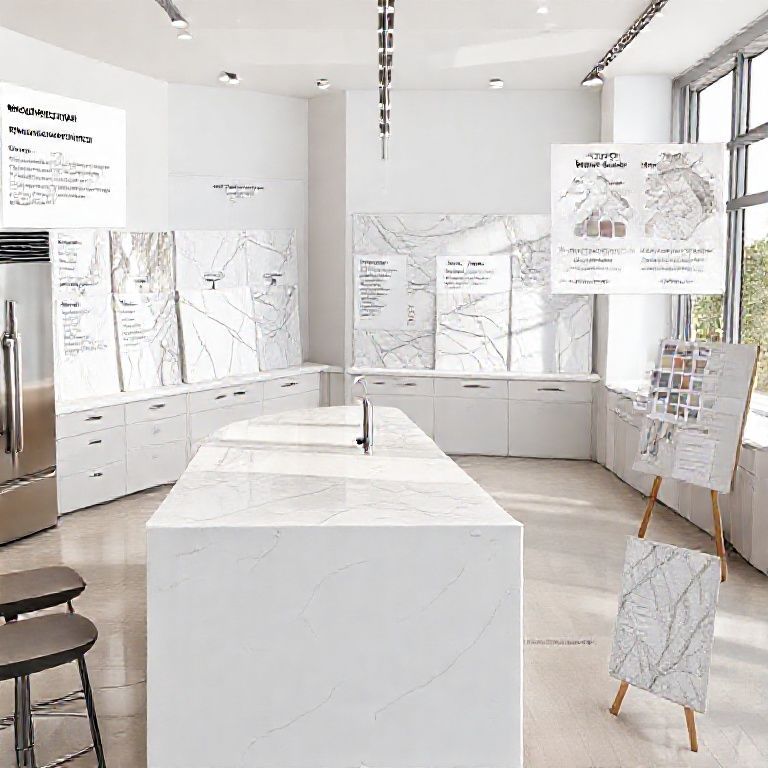
By implementing these advanced techniques and long-term maintenance tips, you can ensure that your quartz countertops remain in top condition, free from water stains and looking as beautiful as the day they were installed. Remember, regular care and prompt attention to spills are key to maintaining the pristine appearance of your quartz surfaces.
In conclusion, with the right knowledge and tools, removing water stains from quartz countertops is a manageable task that doesn’t require professional help every time. By following these detailed steps, you can keep your kitchen’s centerpiece looking flawless and extending its lifespan for years to come.