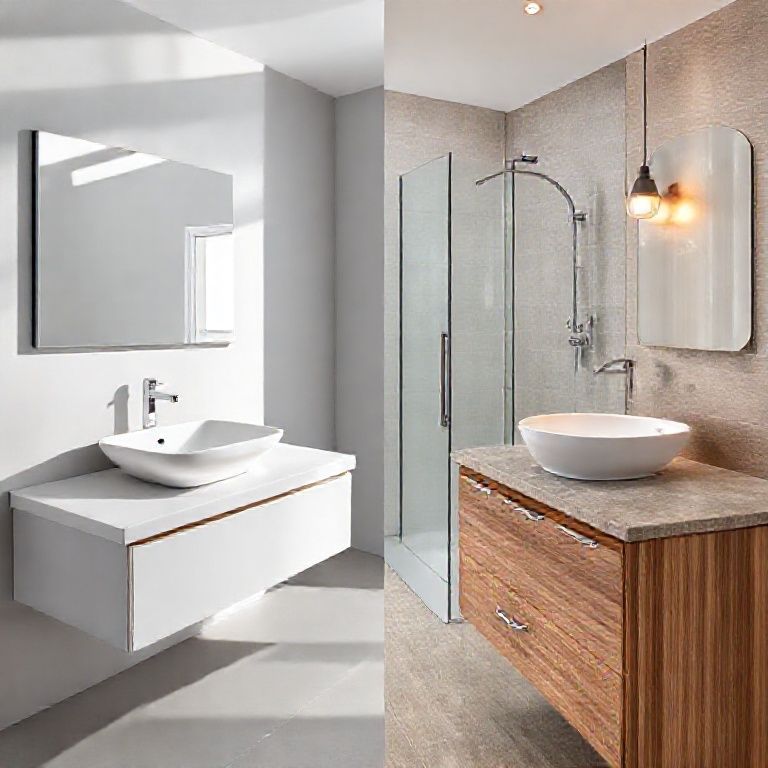
Understanding and Assessing Scratches on Artificial Stone Countertops
Introduction: Artificial stone countertops have become a popular choice in kitchens and bathrooms due to their durability, ease of maintenance, and aesthetic appeal. However, even the most robust materials can develop scratches over time. These imperfections may not only affect the appearance but could also indicate underlying issues that need attention. In this part, we will explore the nature of scratches on artificial stone countertops, the causes behind them, and the importance of proper assessment before proceeding with repairs.

Understanding the Nature of Scratches: Artificial stone, commonly known as quartz, is a composite material made from natural stone powder and a polymer binder. Although it is highly durable, it can still develop scratches from various sources, including:
Daily Use: Heavy objects, sharp utensils, and abrasive cleaning agents can cause scratches. Installation Issues: Improper installation techniques can lead to surface imperfections. Environmental Factors: Exposure to harsh chemicals or extreme temperatures might result in scratches.
Scratches on artificial stone can be categorized into three types: superficial scratches, medium scratches, and deep scratches. The depth of the scratch will determine the appropriate repair method.
Assessing the Damage: Before embarking on a repair, it’s essential to assess the extent of the damage. This involves:
Visual Inspection: Examine the scratch closely to determine its depth and length. Superficial scratches are usually shallow and may not require intensive repair methods. Touch Test: Gently run your finger over the scratch to gauge its depth. Shallow scratches will feel less pronounced compared to deeper ones. Light Test: Use a flashlight to shine light across the scratch. This can help visualize the scratch’s depth and understand how it interacts with light.
Preventive Measures: To prevent future scratches, consider the following tips:
Use Coasters and Cutting Boards: Always place heavy objects and cutting boards on coasters or pads to avoid direct contact with the countertop surface. Use Soft Utensils: Opt for soft utensils and cleaning tools to minimize the risk of scratching. Regular Cleaning: Clean the countertop regularly with appropriate cleaners to remove any potential abrasive residues that could cause scratches.
Conclusion: Understanding and assessing scratches on artificial stone countertops is the first step towards effective repair. By identifying the type and extent of the damage, you can choose the most appropriate repair method to restore the countertop’s pristine look. In the next part, we will delve into specific repair techniques and products that can help you tackle those scratches effectively.
Repairing and Restoring Scratches on Artificial Stone Countertops
Introduction: Having assessed the scratches on your artificial stone countertop, it’s time to explore the repair techniques that will bring back the beauty and functionality of your surface. This part will provide detailed instructions on how to repair scratches using various methods, including polishing, resurfacing, and specialized repair kits. By following these steps, you can restore your countertop to its original, flawless state.
Superficial Scratch Repair:
1. Abrasive Polishing: For light to medium scratches, abrasive polishing can be an effective solution.
Materials Needed:
Abrasive polish (specifically designed for artificial stone)
Buffing pad or microfiber cloth
Microfiber cloth for cleaning
Steps:
Clean the countertop surface thoroughly to remove any dust, grime, or residue. Apply the abrasive polish to the scratched area using a buffing pad or microfiber cloth. Gently rub the polish into the scratch in a circular motion until the scratch is no longer visible. Wipe off the excess polish with a clean microfiber cloth.
2. Micro-Abrasion Repair: For medium scratches, micro-abrasion can be an effective method.
Materials Needed:
Micro-abrasion kit (includes a machine, diamond paste, and polishing pads)
Safety goggles and gloves
Steps:
Secure safety goggles and gloves to protect yourself from the abrasive particles. Apply a small amount of diamond paste to the scratched area. Attach the polishing pad to the micro-abrasion machine and set it to a medium speed. Carefully polish the scratch using the machine, following the grain of the stone. Rinse the area with water and dry it with a microfiber cloth.
Deep Scratch Repair:
1. Epoxy Resin: For deep scratches, using epoxy resin can provide a durable and effective repair.
Materials Needed:
Epoxy resin kit
Mixing container
Stirring sticks
Epoxy hardener
Brush
Steps:
Clean the scratch area thoroughly to ensure no debris is present. Mix the epoxy resin and hardener according to the manufacturer’s instructions. Apply the mixed epoxy to the scratch using a brush, making sure to fill the scratch completely. Smooth the surface with a clean cloth or brush to avoid air bubbles. Allow the epoxy to cure as per the manufacturer’s guidelines.
2. Countertop Resurfacing: For extensive damage, resurfacing the countertop might be necessary.
Materials Needed:
Resurfacing kit (includes resurfacing pads, polishing machine, and compound)
Safety goggles and gloves
Steps:
Secure safety goggles and gloves to protect yourself during the resurfacing process. Apply a small amount of resurfacing compound to the scratch area. Attach the resurfacing pad to the polishing machine and begin to resurface the scratch. Continue until the scratch is no longer visible and the surface is smooth. Clean the area thoroughly and buff it to achieve a polished finish.
Professional Help: If the scratches are too deep or extensive, it might be best to seek professional help. Certified professionals have the right tools and expertise to repair or even replace the damaged section without compromising the overall integrity of the countertop.
Conclusion: Repairing scratches on artificial stone countertops doesn’t have to be a daunting task. With the right tools, techniques, and a bit of patience, you can restore your countertop to its original beauty. Whether it’s a simple polish or a more intensive resurfacing, following the proper steps will ensure that your countertop looks as good as new. Remember, prevention is always better than cure, so continue to use protective measures to avoid future scratches.
By understanding the nature of the damage and employing the right repair techniques, you can keep your artificial stone countertop looking pristine and functional for years to come.