Introduction to Artificial Marble and Common Stains
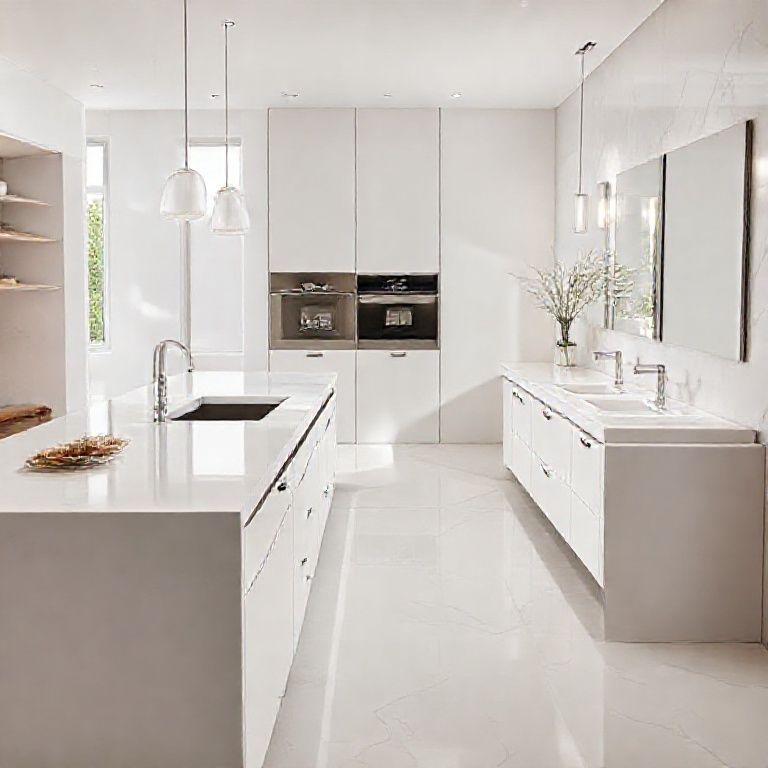
Artificial marble, also known as engineered stone, has become a popular choice for countertops, kitchen tables, and other surfaces due to its durability, aesthetic appeal, and relatively low cost compared to natural marble. However, despite its advantages, artificial marble is not entirely stain-proof. Over time, it can pick up spills, food stains, and general grime, leading to an unsightly appearance that detracts from its beauty.
Understanding Stains on Artificial Marble
Before diving into the cleaning methods, it’s important to understand what types of stains can affect artificial marble. Common stains include:
Food and Beverage Spills: Juices, coffee, wine, and other liquids can leave dark stains on the surface. Grease and Oil: Cooking spills often leave behind greasy marks that can be difficult to remove. Ink and Markers: Spills from pens or markers can be particularly stubborn. General Dirt and Grime: Regular use and exposure to dust and everyday grime can dull the shine and appearance of artificial marble.
Initial Assessment and Preparation
Before you begin cleaning, assess the extent of the stains. Light stains may be easier to remove than deep-set ones. Gather the necessary cleaning supplies and ensure that you have a well-ventilated area to work in. The supplies you will need include:
Soft cloths or sponges Mild dish soap Warm water White vinegar Baking soda A soft-bristled brush A microfiber cloth for drying
Step-by-Step Cleaning Process
Step 1: Basic Cleaning
Start with a basic clean to remove surface dirt and grime. Mix a few drops of mild dish soap with warm water and dampen a soft cloth or sponge. Gently wipe the stained area, then rinse with clean water and dry with a microfiber cloth.
Step 2: Treating Light Stains
For light stains, a simple mixture of water and white vinegar can work wonders. Mix equal parts of water and white vinegar in a spray bottle. Lightly mist the stained area and let it sit for about 10 minutes. Use a soft cloth or sponge to gently scrub the stain in a circular motion. Rinse with clean water and dry thoroughly.
Step 3: Dealing with Grease and Oil
Grease and oil stains can be particularly challenging. To tackle these, make a paste using baking soda and water. Apply the paste to the stained area and let it sit for about 15 minutes. Use a soft-bristled brush to gently scrub the stain, then rinse with clean water and dry with a microfiber cloth.
Step 4: Removing Ink and Marker Stains
For ink and marker stains, a mixture of water and a small amount of dish soap can be effective. Dampen a soft cloth with the soapy water and gently rub the stained area. If the stain persists, use a cotton swab dipped in rubbing alcohol to dab at the stain. Rinse with clean water and dry thoroughly.
Preventative Measures
To prevent future stains, it’s important to take a few preventative measures. Use cutting boards and place mats to protect the surface from spills and scratches. Wipe up spills immediately to prevent stains from setting in. Consider using a protective sealant to provide an extra layer of defense against stains.
Conclusion
Treating stains on artificial marble requires patience and the right techniques. By understanding the nature of the stains and using appropriate cleaning methods, you can restore the beauty and functionality of your artificial marble surfaces. In the next part of this guide, we will delve deeper into advanced cleaning techniques and maintenance tips to keep your artificial marble looking pristine.
Advanced Cleaning Techniques
While basic cleaning methods are often effective, some stains may require more advanced techniques to remove. Here’s how to tackle tougher stains and ensure your artificial marble remains in top condition.
Step 1: Deep Cleaning with Commercial Cleaners
For stubborn stains that don’t come off with basic cleaning methods, commercial cleaners designed for artificial stone can be very effective. Follow the manufacturer’s instructions carefully to avoid damaging the surface. Typically, these cleaners are applied to a damp cloth and gently rubbed onto the stained area. Rinse thoroughly with clean water and dry with a microfiber cloth.
Step 2: Using a Power Washer
In some cases, a power washer can be used to remove tough stains. Set the power washer to a low pressure setting to avoid damaging the surface. Test on a small, inconspicuous area first to ensure it doesn’t harm the material. If it’s safe to use, clean the stained area with the power washer and rinse thoroughly with clean water. Dry with a microfiber cloth.
Step 3: Chemical Stain Removers
For particularly tough stains, chemical stain removers may be necessary. These are typically stronger and should be used with caution. Apply the chemical according to the manufacturer’s instructions, using a soft cloth or sponge. Always test on a small, hidden area first to ensure it won’t damage the surface. Rinse thoroughly with clean water and dry with a microfiber cloth.
Maintenance Tips
Proper maintenance is key to keeping artificial marble looking its best. Here are some tips to help you maintain your surfaces:
Regular Cleaning: Wipe down your artificial marble surfaces regularly with a damp cloth and mild dish soap to remove everyday grime. Use a microfiber cloth for drying to avoid scratches.
Avoid Abrasive Cleaners: Never use abrasive cleaners or scrub brushes on artificial marble. These can scratch the surface and lead to more serious damage over time.
Use Coasters and Place Mats: To protect your artificial marble from spills and scratches, always use coasters under drinks and place mats under cutting boards.
Preventative Sealant
Applying a protective sealant can provide an extra layer of defense against stains and scratches. There are several types of sealants available, including topical and impregnating sealants. Follow the manufacturer’s instructions carefully when applying the sealant. Typically, you’ll need to clean the surface thoroughly before applying the sealant, then apply it with a clean cloth, allowing it to dry completely before use.
Professional Cleaning
For especially dirty or heavily stained artificial marble surfaces, consider hiring a professional cleaning service. Professionals have access to specialized equipment and cleaning agents that can effectively clean and restore your artificial marble without causing damage.
Conclusion
Maintaining artificial marble is all about regular cleaning, proper use of cleaning agents, and preventive measures. By following these advanced cleaning techniques and maintenance tips, you can keep your artificial marble looking beautiful and extend its lifespan. In addition to these practices, remember that timely intervention is crucial when dealing with stains to prevent them from becoming permanent. With the right care, your artificial marble will remain a stunning feature in your home for years to come.
By following these detailed steps and guidelines, you can effectively treat and prevent stains on artificial marble, ensuring it remains a beautiful and durable part of your home.