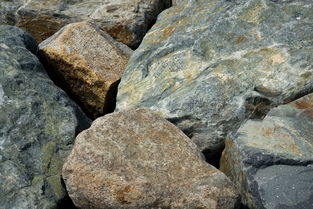
Introduction to Artificial Marble Countertops
Artificial marble countertops have become increasingly popular in modern kitchens and bathrooms due to their stunning aesthetics, durability, and affordability compared to natural stone. However, like any material, they are not entirely immune to damage. One common issue that homeowners face is a cracked artificial marble countertop. Despite their resilience, cracks can occur due to various factors such as impacts, improper installation, or even normal wear and tear. Understanding how to handle this problem is essential for maintaining the beauty and functionality of your countertop.

Understanding the Cause of Cracks
To effectively address a cracked artificial marble countertop, it’s crucial to understand what might have caused the crack in the first place. Common causes include:
Physical Impact: Dropping heavy objects or using sharp utensils improperly can cause cracks. Even minor impacts can lead to significant damage if not handled carefully.
Installation Errors: Incorrect installation techniques can lead to stress points in the material, resulting in cracks.

Temperature Changes: Artificial marble can crack due to rapid temperature changes, such as placing a hot pot on a cold surface.
Abrasion: Regular use with abrasive cleaning products or utensils can lead to surface damage and eventually cracks.
Initial Assessment and Safety Precautions
Before attempting any repairs, it’s important to conduct an initial assessment of the damage. Check if the crack is superficial or if it runs deep into the material. Superficial cracks are often easier to repair than deep ones. Additionally, safety should be your top priority. Ensure the area is clean and clear of any objects that could cause further damage.

Basic Repair Techniques
For minor cracks, there are several basic repair techniques you can try at home. Here are some steps you can follow:
Epoxy Resin: Epoxy resin is a popular choice for repairing cracks in artificial marble. Mix the resin according to the manufacturer’s instructions and apply it to the crack using a toothpick or a small brush. Ensure the crack is completely filled, then smooth out the surface. Allow it to cure as per the instructions.
Two-Part Polyurethane Sealant: This is another effective option for repairing cracks. Apply the sealant into the crack and smooth it out with a clean cloth. This method provides a strong bond and is suitable for both small and slightly larger cracks.
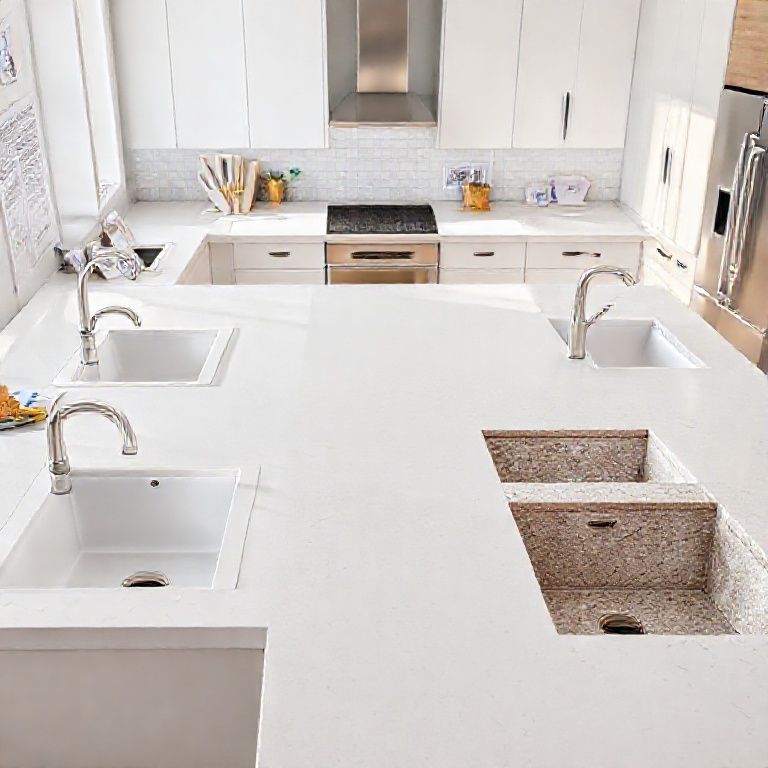
Color Matching Filler: If the crack is minor and cosmetic, a color-matched filler can be used. Choose a filler that matches the color of your countertop and apply it to the crack using a small brush. Once dry, buff the area to a smooth finish.
Professional Repair Services
For more extensive damage or if you’re not confident in performing the repairs yourself, it’s best to seek professional help. Professional repair services have the expertise and tools to address severe cracks and ensure a seamless repair. They can also provide advice on preventive measures to avoid future damage.
Preventive Measures
Preventing future cracks in your artificial marble countertop is essential for maintaining its longevity and appearance. Here are some preventive measures to consider:
Use Protective Pads: Always use cutting boards, pots, and pans with protective pads to prevent scratches and impacts.
Avoid Abrasive Cleaners: Use non-abrasive cleaning products to avoid damaging the surface.
Temperature Control: Avoid placing hot items directly on cold surfaces to prevent thermal shock.
Regular Maintenance: Regularly clean and inspect your countertop to catch any minor issues before they become significant problems.
Conclusion
Cracks in artificial marble countertops can be a concern, but with the right knowledge and tools, they can be effectively addressed. Whether you choose to tackle the repair yourself or opt for professional help, understanding the causes and implementing preventive measures can help ensure your countertop remains beautiful and functional for years to come.
Advanced Repair Techniques
Deep Cracks and Structural Repairs
While minor cracks can often be repaired with basic techniques, deeper cracks or structural damage may require more advanced methods. Here are some advanced repair techniques that professionals use:
Crack Injection: For deep cracks, a crack injection process can be effective. This involves drilling small holes into the crack and injecting a specialized epoxy resin or polyurethane sealant into the crack. The resin fills the crack and reinforces the material, restoring its structural integrity.
Chipping Out and Re-filling: In cases where a section of the countertop is cracked beyond repair, the damaged area may need to be chipped out and re-filled. This involves carefully removing the damaged section and replacing it with a new piece of artificial marble that matches the original color and texture. This method is more labor-intensive but can provide a seamless repair.
Resurfacing: In some cases, resurfacing the countertop can be a viable option. This involves sanding down the surface and applying a new layer of artificial marble composite material to restore its appearance. Resurfacing can be an effective way to hide cracks and bring back the countertop’s original beauty.
Restoration and Finishing
Once the cracks have been repaired, the final step is to restore the countertop to its original appearance. Here are some steps to ensure a professional finish:
Surface Smoothing: After filling and curing the cracks, use a fine-grit sandpaper to smooth out the surface. This ensures a uniform texture and eliminates any rough spots.
Polishing: Polish the surface to restore its shine and luster. Use a marble polish or a specialized countertop polish designed for artificial marble to achieve a high-gloss finish.
Sealing: Apply a high-quality sealant to protect the countertop from future damage. Sealants create a protective barrier that prevents stains, scratches, and further cracking. Choose a sealant that is compatible with artificial marble and follow the manufacturer’s instructions for application.
DIY Tips and Tricks
If you prefer to handle the repairs yourself, here are some additional tips and tricks to ensure successful outcomes:
Proper Tools and Materials: Ensure you have the right tools and materials for the job. High-quality epoxy resin, polyurethane sealant, and sanding equipment can make a big difference in the repair quality.
Patience and Precision: Take your time and work with precision. Rushing the repair process can lead to mistakes that may require additional effort to correct.
Test First: If you’re unsure about a repair technique, test it on a small, inconspicuous area first to ensure it works as expected.
Follow Instructions: Always follow the manufacturer’s instructions for any repair materials you use. This ensures you get the best results and avoid potential issues.
Long-Term Maintenance
To ensure your artificial marble countertop remains in excellent condition, ongoing maintenance is essential. Here are some long-term care tips:
Regular Cleaning: Clean your countertop regularly with a mild, non-abrasive cleaner. Avoid using harsh chemicals or abrasive pads that can damage the surface.
Immediate Cleaning: Clean up spills and stains immediately to prevent them from setting in and causing long-term damage.
Avoid Heat and Pressure: Try to avoid placing hot items directly on the countertop and use pot holders for heavy cookware. This prevents thermal shock and reduces the risk of cracks.
Use Coasters: Place coasters under glasses, mugs, and other heat-generating items to prevent them from causing localized damage to the surface.
Expert Advice and Consultation
For any doubts or complex repairs, consulting with an expert is always a good idea. Professionals can provide personalized advice based on the specific condition of your countertop. They can also perform advanced repairs that are beyond the scope of basic DIY techniques.
Final Thoughts
Cracks in artificial marble countertops can be a significant concern, but with the right approach, they can be effectively repaired and prevented. By understanding the causes, employing the right repair techniques, and maintaining your countertop properly, you can ensure it remains a stunning and functional part of your kitchen or bathroom for years to come. Whether you choose to tackle the repairs yourself or seek professional help, the key is to act quickly and carefully to restore your countertop’s beauty and integrity.