How to Handle Blackening on Artificial Granite Countertops: A Comprehensive Guide
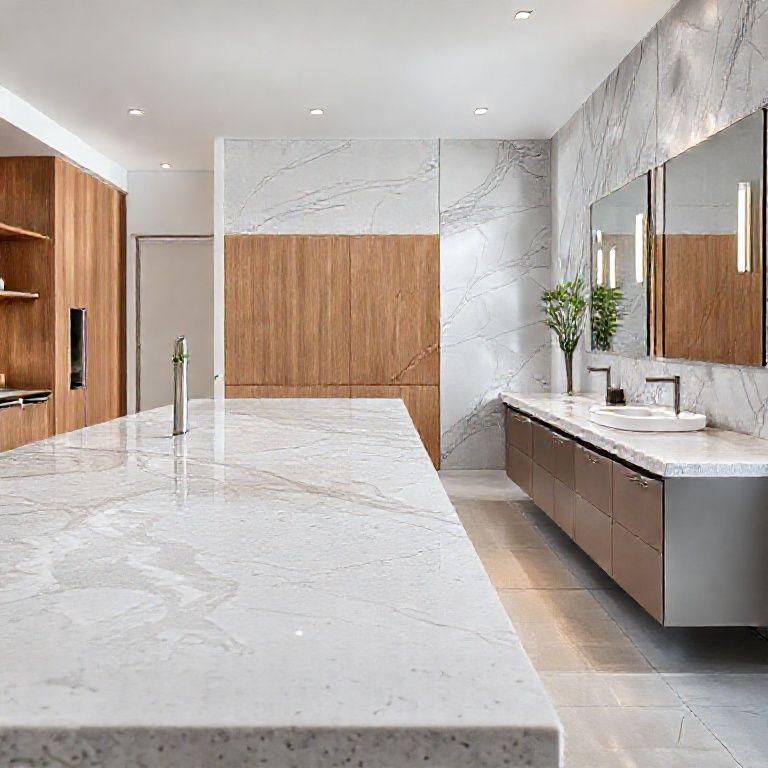
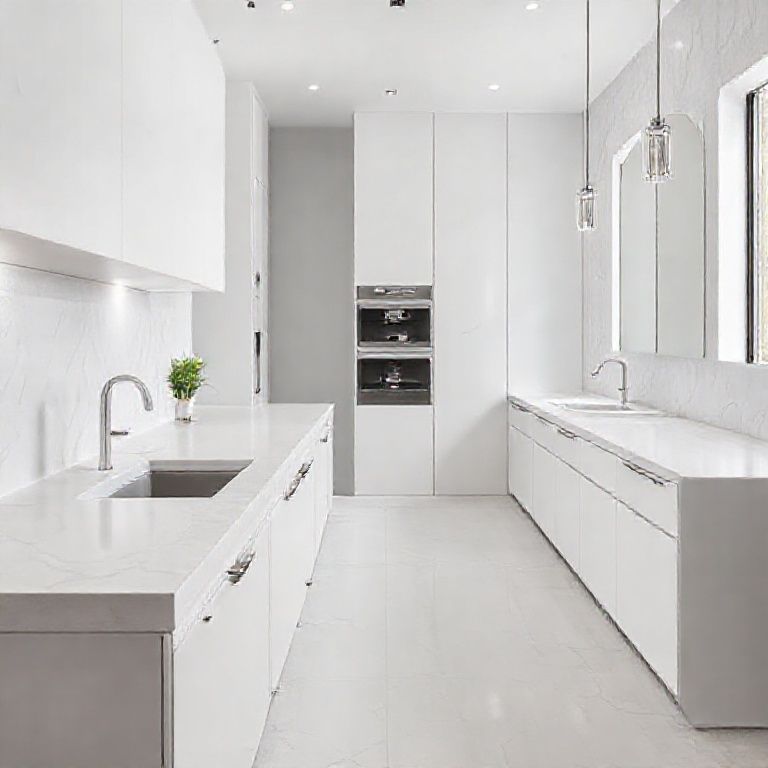
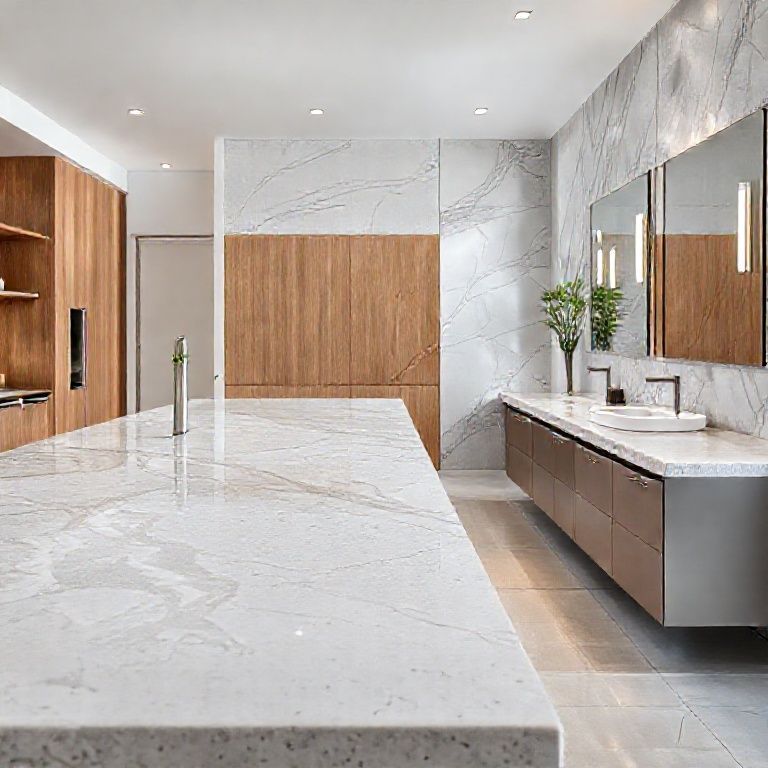
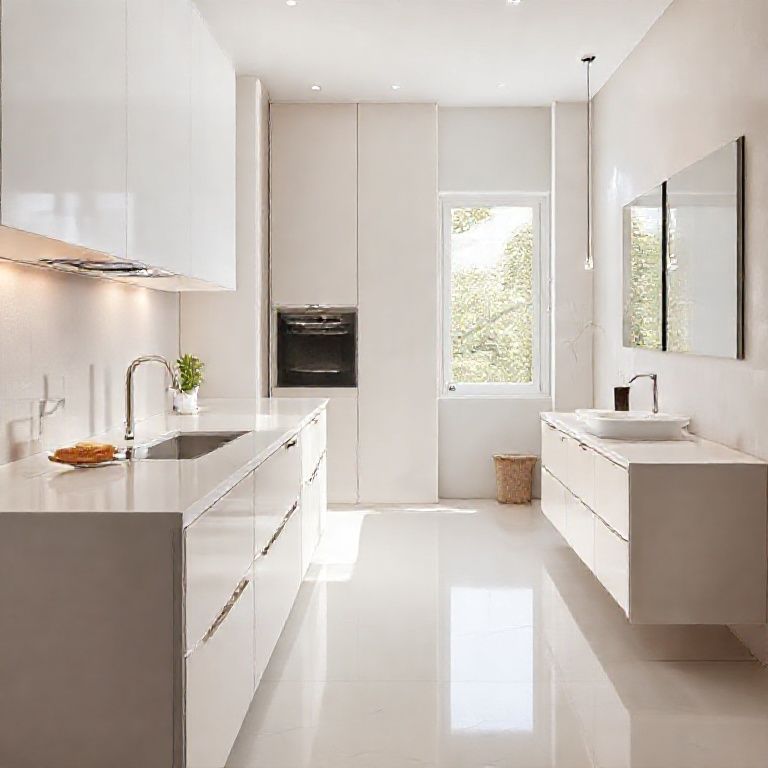
Artificial granite countertops are a popular choice for their durability, aesthetic appeal, and ease of maintenance. However, like any surface, they can sometimes develop blackening or discoloration, which can detract from their polished look. This comprehensive guide will walk you through effective techniques to address blackening on artificial granite countertops, ensuring they look as good as new.
Understanding the Causes of Blackening
Before diving into the solutions, it’s essential to understand why blackening occurs on artificial granite countertops. Several factors contribute to this issue:
Improper Cleaning Products: Using harsh chemicals or abrasive cleaners can leave behind residues that cause blackening. Food Stains: Spilled food, especially sugary or acidic items, can lead to discoloration. Hard Water Deposits: Mineral deposits from hard water can accumulate over time, leading to blackening. Environmental Factors: Exposure to smoke, cooking odors, and other pollutants can also cause surface changes.
Initial Steps in Addressing Blackening
1. Identify the Source
The first step in tackling blackening is identifying the underlying cause. Check for any recent changes in cleaning practices or environmental factors that might have contributed to the problem.
2. Avoid Harsh Chemicals
Using abrasive or harsh cleaning agents can exacerbate the issue. Instead, opt for gentle, non-abrasive cleaners that are specifically designed for artificial granite.
3. Regular Cleaning Routine
Establish a regular cleaning routine to prevent blackening. Clean the countertops daily with a soft cloth and a mild soap solution. Avoid soaking the surface, as this can cause water spots and further discoloration.
Gentle Cleaning Techniques
1. Mild Soap and Water
For minor blackening, a simple solution of mild soap and water is often effective. Mix a small amount of liquid dish soap with warm water and gently scrub the affected area with a soft cloth. Rinse thoroughly with clean water and dry the surface with a clean towel.
2. Baking Soda Paste
Baking soda is a natural abrasive that can help remove light stains without damaging the surface. Mix baking soda with water to form a paste, apply it to the blackened area, and let it sit for 15-20 minutes. Gently scrub with a soft cloth and rinse with clean water.
3. White Vinegar
White vinegar is a powerful yet gentle cleaner that can tackle minor stains and blackening. Apply undiluted vinegar to the affected area, let it sit for a few minutes, then wipe it off with a damp cloth. Rinse with clean water and dry thoroughly.
Advanced Cleaning Methods
1. Hydrogen Peroxide
Hydrogen peroxide is a bleaching agent that can effectively remove stubborn stains and blackening. Apply a small amount of hydrogen peroxide directly to the blackened area, let it sit for 10-15 minutes, then scrub gently with a soft cloth. Rinse with clean water and dry.
2. Commercial Granite Cleaners
For more severe cases, consider using commercial granite cleaners that are designed to safely clean and restore artificial granite surfaces. Follow the manufacturer’s instructions carefully to avoid damaging the countertop.
Preventative Measures
1. Protective Coatings
Applying a protective coating can help prevent blackening and stains. These coatings form a barrier that repels spills and stains, making cleaning easier and reducing the risk of discoloration.
2. Coasters and Trivets
Using coasters, trivets, and placemats can protect the surface from heat, spills, and direct contact with acidic or sugary foods, which are common culprits of blackening.
3. Regular Maintenance
Regular maintenance is key to preventing blackening. Clean the countertops promptly after use, and address spills immediately to prevent stains from setting in.
4. Avoid Direct Heat
Direct heat can cause discoloration and damage to artificial granite countertops. Avoid placing hot pots, pans, or cooking utensils directly on the surface. Use trivets or heat-resistant pads to protect the countertop.
When to Seek Professional Help
If home remedies do not resolve the blackening issue, it may be time to seek professional help. Professional cleaners have access to specialized equipment and products that can safely restore the appearance of your artificial granite countertops. They can also identify and address underlying issues that may be contributing to the problem.
How to Handle Blackening on Artificial Granite Countertops: A Comprehensive Guide
Continued from Part 1
Specialized Cleaning Solutions
1. Enzyme Cleaners
Enzyme cleaners are designed to break down organic stains and residues that cause blackening. These cleaners contain enzymes that target and dissolve organic matter, leaving the surface clean and free from discoloration.
2. Polishing Compounds
Polishing compounds can restore the shine and appearance of artificial granite countertops. Apply the compound to a clean cloth and gently rub the affected area in a circular motion. Follow up with a clean, dry cloth to remove any residue.
3. Abrasive Pads
For more stubborn blackening, non-abrasive pads can be used with caution. Gently rub the pad over the affected area in a circular motion. Avoid using pads that are too abrasive, as this can scratch the surface.
Deep Cleaning Techniques
1. Ultrasonic Cleaners
Ultrasonic cleaners use high-frequency sound waves to remove dirt and stains from surfaces. For artificial granite countertops, an ultrasonic cleaner can be an effective deep-cleaning solution. Follow the manufacturer’s instructions carefully to avoid damaging the surface.
2. Steam Cleaning
Steam cleaning is another effective method for deep cleaning artificial granite countertops. The high-temperature steam penetrates deep into the surface, breaking down grime and blackening. Use a steam cleaner designed for countertops to ensure safe and effective cleaning.
Addressing Hard Water Deposits
Hard water can leave mineral deposits on artificial granite countertops, leading to blackening and a cloudy appearance. To address this issue:
1. Descaling Agents
Descaling agents can dissolve mineral deposits left by hard water. Apply the descaling agent according to the manufacturer’s instructions, let it sit for the recommended time, then wipe it off with a clean cloth. Rinse thoroughly with clean water and dry.
2. Water Softeners
Installing a water softener can prevent future mineral deposits by reducing the hardness of your water supply. This is a long-term solution that can significantly improve the appearance and longevity of your countertops.
Environmental Considerations
1. Proper Ventilation
Proper ventilation can help prevent blackening caused by cooking odors and pollutants. Ensure your kitchen is well-ventilated to reduce the buildup of smoke and other particles that can cause discoloration.
2. Air Purifiers
Using air purifiers can help maintain a cleaner environment, reducing the risk of blackening on your countertops. Air purifiers remove airborne particles and pollutants that can settle on surfaces.
Regular Inspections and Maintenance
1. Routine Checks
Perform regular inspections of your countertops to identify and address any signs of blackening early. Prompt action can prevent minor issues from becoming more severe.
2. Professional Inspections
Schedule regular professional inspections to ensure your countertops are in optimal condition. Professionals can identify and address issues that may not be visible to the naked eye, maintaining the longevity and appearance of your surfaces.
Final Tips for Longevity
1. Avoid Cutting on the Surface
Cutting on artificial granite countertops can cause scratches and chips, leading to blackening. Use cutting boards or trays to protect the surface.
2. Proper Storage
Store cooking utensils and other items properly to avoid direct contact with the countertop. This prevents spills and stains from setting in.
3. Seasonal Cleaning
Consider performing a seasonal deep clean to remove any buildup of grime and residues. This can help maintain the appearance and longevity of your countertops.
Conclusion
Blackening on artificial granite countertops can be a challenging issue to address, but with the right techniques and regular maintenance, you can restore the beauty and longevity of your surfaces. From gentle cleaning methods to advanced deep-cleaning techniques, this comprehensive guide provides the tools and knowledge you need to keep your countertops looking pristine. Remember, prevention is key, so establish a regular cleaning routine and take proactive steps to protect your countertops from blackening and discoloration.
如何长期维护和保护人造大理石台面
1. 使用合适的清洁工具和产品
选择专门为人造大理石设计的清洁产品,避免使用强力清洁剂或刷子。这些工具和产品通常温和而有效,能够去除日常污渍而不损伤台面。
2. 定期保养
抛光: 每隔几个月进行一次轻微抛光,可以使用专门的抛光剂和软布来恢复台面的光泽。 保护层: 考虑定期应用保护层,以增强台面的耐污性和耐用性。
3. 减少化学暴露
尽量避免将化学品直接接触台面,例如清洁剂、油漆和杀虫剂等。如果必须使用这些化学品,请务必在使用后立即彻底清洗台面。
4. 避免热损伤
直接将热锅或烤盘放在台面上会导致热损伤和黑斑,因此在烹饪时,请使用锅垫或隔热垫。
5. 减少酸性食物和饮料
酸性食物和饮料(如柠檬汁、橙汁和醋)可以腐蚀人造大理石的表面,因此,在使用这些物品时,请尽量避免将其直接洒在台面上,或者使用隔板。
专业清洁和修复
1. 专业清洁服务
如果自行清洁无法解决黑斑问题,可以考虑请专业清洁服务。这些服务通常使用高级设备和清洁技术,能够深入清洁和修复台面表面。
2. 修复损伤
在极少数情况下,如果黑斑问题严重到影响美观,可以考虑专业修复服务。这些服务可以通过特殊化学物质和技术来恢复台面的原始光泽。
如何预防未来的黑斑
1. 安装防护设施
切割板: 在台面上方安装切割板,以保护台面表面。 隔板: 在炊具和烤盘之间放置隔板,防止热损伤。
2. 使用防溅垫
在炊具和烤盘周围放置防溅垫,防止溅落的食物和液体直接接触台面。
3. 减少高温接触
将热锅移动到炉具之外,以减少热损伤的可能性。可以使用热盘来转移热食物。
4. 定期清洁
每天或每周进行一次简单的清洁,可以防止污渍和沉积物累积,从而减少黑斑的风险。
总结
人造大理石台面虽然美观且耐用,但仍需细心维护才能长期保持其光泽和美观。通过选择适当的清洁工具和产品、定期保养、避免热和化学暴露、以及安装防护设施,您可以有效地防止台面发黑,并延长其使用寿命。如果问题严重,还可以考虑专业清洁和修复服务。通过这些措施,您的人造大理石台面将焕然一新,焕发出它原有的光彩。