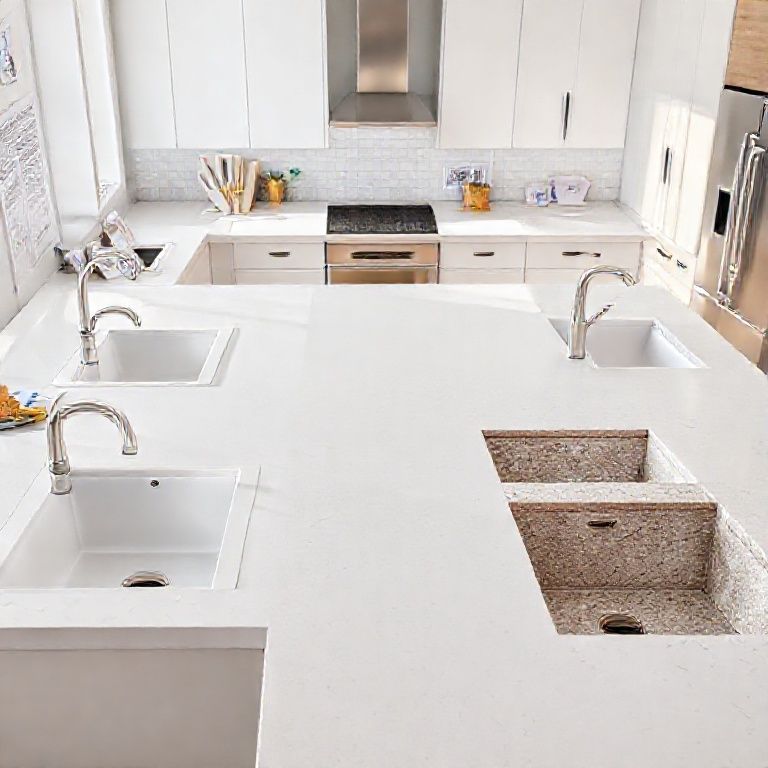
Understanding and Addressing Cracks in Artificial Stone Countertops
Artificial stone countertops have become a popular choice in modern kitchens and bathrooms due to their durability, aesthetic appeal, and low maintenance requirements. However, despite their resilience, they are not immune to damage, including cracks. Understanding the nature of these cracks and how to address them is crucial to maintaining the longevity and appearance of your artificial stone surfaces.

Recognizing the Signs of Cracks
The first step in handling cracks in artificial stone countertops is recognizing the signs. Typically, cracks in artificial stone can appear due to various reasons such as impacts, thermal stress, or even manufacturing defects. Common indicators include:
Visible Cracks: These are the most apparent signs and can appear as hairline fractures or more pronounced splits across the surface. Discoloration: Cracks can lead to areas of the countertop discoloring, which might indicate underlying damage or deterioration. Uneven Surfaces: If the stone has been subjected to heavy objects or impacts, the surface may become uneven, leading to visible cracks.
Immediate Actions to Take
When you notice cracks in your artificial stone countertop, it’s important to act swiftly to prevent further damage. Here’s what you should do immediately:
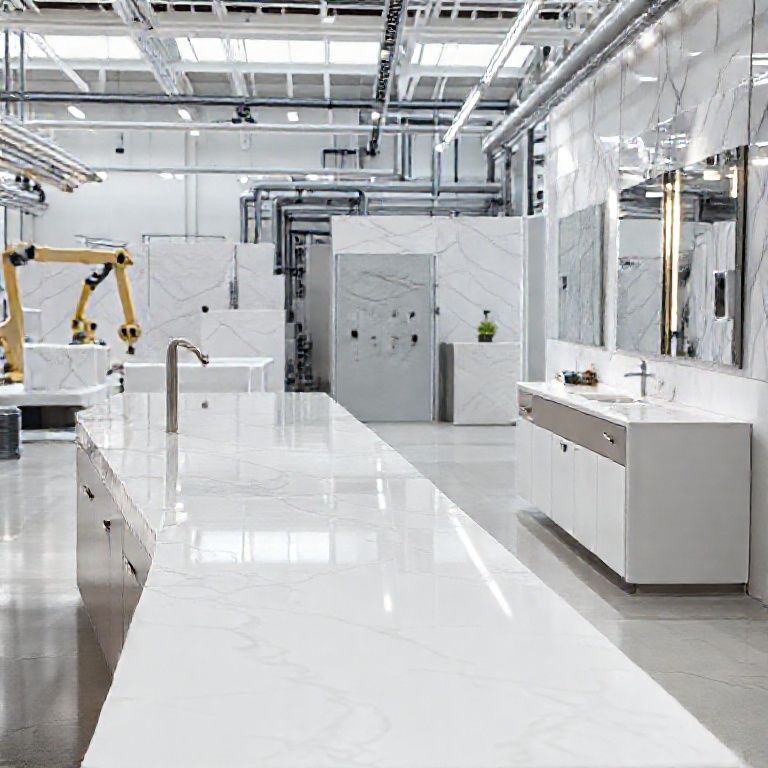
Avoid Using the Countertop: To prevent any additional stress on the cracked area, refrain from using the countertop until it has been properly repaired. Clean the Area: Gently clean the cracked area with a mild detergent and water to remove any dirt or debris that could exacerbate the crack. Assess the Damage: Determine the severity of the crack. Is it a small hairline crack, or does it run through the entire surface? This will help in deciding the repair method.
Repairing Small Cracks
For minor cracks, there are several effective repair methods you can try at home:
Epoxy Resin: A two-part epoxy resin specifically designed for stone surfaces can be an effective and durable solution. Follow these steps:
Mix the epoxy resin according to the manufacturer’s instructions. Apply the mixed epoxy into the crack using a small brush or syringe. Allow the epoxy to cure as per the instructions, which usually takes a few hours. Once cured, polish the area to blend the epoxy with the surface of the countertop.
Stone Sealant: Some stone sealants contain fine particles that can fill small cracks and give a seamless appearance. Apply the sealant using a brush and let it dry. This method is less permanent but can be effective for minor repairs.
Preventive Measures
Prevention is always better than cure. Here are some tips to help prevent cracks from forming in your artificial stone countertops:
Use Protective Pads: Always place protective pads under heavy objects like pots, pans, and cutting boards to prevent direct impact on the countertop. Avoid Abrasive Cleaners: Use non-abrasive cleaning products to avoid scratching the surface of the stone. Temperature Control: Avoid placing hot pots or pans directly on the surface and use trivets to prevent thermal shock, which can cause cracks.

When to Seek Professional Help
While minor cracks can often be repaired at home, larger cracks or those that run deep through the stone might require professional intervention. Here are some signs that indicate you should call in a professional:
Large Cracks: If the crack is extensive and compromises the integrity of the countertop, it’s best to seek expert help. Deep Cracks: Cracks that go deep into the material may not be repairable with simple methods and may require professional intervention. Safety Concerns: If the crack poses a safety risk, such as creating sharp edges or making the countertop unstable, professional repair is crucial.
Advanced Repair Techniques and Long-term Maintenance
Once you’ve addressed the immediate concerns and taken steps to prevent further damage, it’s essential to delve into more advanced repair techniques and long-term maintenance strategies to ensure the longevity and beauty of your artificial stone countertops.
Advanced Repair Techniques
For more severe cracks, professional repair services often employ advanced techniques to restore the integrity and appearance of the countertop. Here’s what to expect:
Reinforcement: In cases where the crack is deep or extensive, professionals may use a reinforcement technique. This involves inserting a reinforcing material into the crack, which is then bonded to the stone using specialized adhesives. Replacement: For severe cases, the most effective solution might be to replace the damaged section of the countertop. This ensures that the repair is not only cosmetic but also structurally sound.
Professional Repair Services
When dealing with significant cracks, it’s important to choose a reputable professional repair service. Look for companies with experience in stone countertop repairs and positive reviews. Here’s what to expect when you hire a professional:
Assessment: The repair professional will assess the extent of the damage to determine the best course of action. Cleaning and Preparation: The damaged area will be cleaned and prepared to ensure the repair materials can bond effectively. Repair: Depending on the severity, the repair might involve reinforcement, epoxy injection, or even a complete section replacement. Finishing Touches: After the repair, the professional will polish the area to ensure it blends seamlessly with the rest of the countertop.
Long-term Maintenance Tips
To keep your artificial stone countertops looking pristine and to prevent future cracks, follow these long-term maintenance tips:
Regular Cleaning: Clean the countertop regularly using mild soap and water. Avoid abrasive cleaners and ensure the surface is dry after cleaning. Use Coasters and Trivets: Always use coasters for hot beverages and trivets for hot dishes to prevent thermal stress. Avoid Sharp Objects: Do not use sharp objects to cut or scratch the surface, and avoid placing heavy objects directly on the countertop. Inspect Regularly: Regularly inspect your countertops for any signs of cracks or damage, especially after heavy usage or impact.
Enhancing the Appearance
Artificial stone countertops can be enhanced to maintain their aesthetic appeal:
Sealing: Regularly sealing your countertop can protect it from stains and minor scratches. Follow the manufacturer’s instructions for the best results. Polishing: Periodic polishing can restore the shine and smooth texture of the stone surface. Custom Colors: For a unique look, consider custom coloring options available with some artificial stone materials. This can help to match or enhance the overall design of your kitchen or bathroom.
Conclusion
Cracks in artificial stone countertops, though a concern, do not have to be a deal-breaker. With the right approach, from immediate actions to advanced repair techniques and long-term maintenance, you can ensure your countertops remain beautiful and functional for years to come. By understanding the causes and implementing preventive measures, you can enjoy the benefits of artificial stone without the hassle of constant repairs. Remember, timely and proper care is key to maintaining the integrity and appearance of your stone countertops.