How to Handle Cracks in Artificial Stone Countertops: A Comprehensive Video Guide
Artificial stone countertops have gained immense popularity in modern homes and commercial spaces due to their durability, aesthetic appeal, and relatively low maintenance. However, like any other material, they are susceptible to cracks, which can compromise both their appearance and structural integrity. If you’ve noticed a crack in your artificial stone countertop, you’re likely wondering what steps you can take to address this issue effectively. In this detailed video guide, we’ll walk you through the most effective methods to repair cracks in artificial stone countertops, along with some preventive measures to avoid future damage.
Understanding Artificial Stone Countertops
Before diving into the repair process, it’s essential to understand what artificial stone countertops are made of. Artificial stone, often referred to as cultured stone, is a composite material made from natural stone powders and polymers. This combination results in a product that is both strong and aesthetically pleasing. Despite its durability, artificial stone is not impervious to damage, especially if subjected to heavy objects, sharp impacts, or thermal stress.
Recognizing Cracks in Artificial Stone Countertops
Identifying the type of crack is the first step in addressing the issue. Cracks in artificial stone countertops can be categorized into several types:
Surface Cracks: These are minor hairline cracks on the surface of the countertop. They usually do not pose a significant threat to the integrity of the countertop.
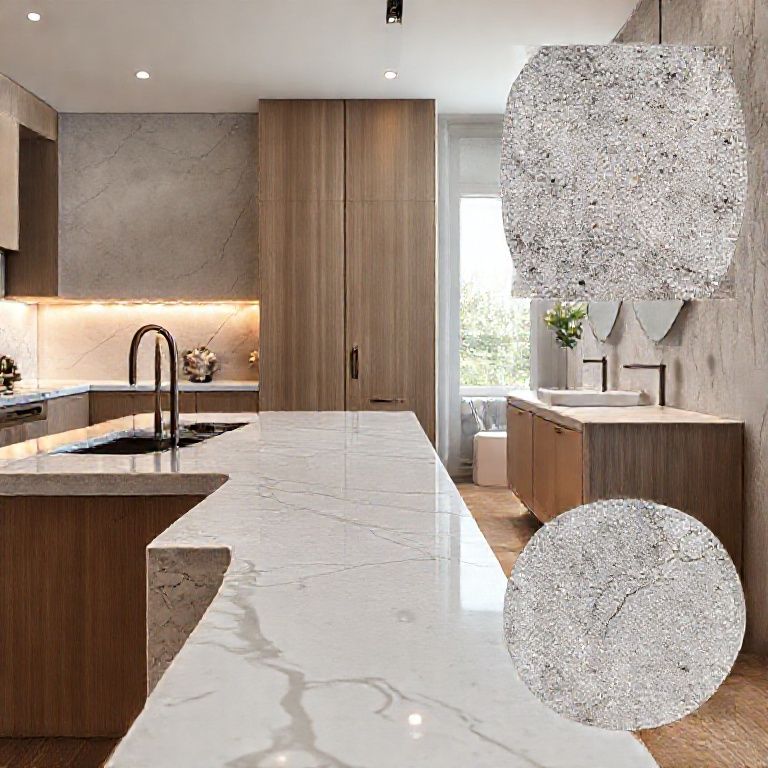
Deep Cracks: Cracks that extend deeper into the material can be more concerning. They may indicate structural weakness and require immediate attention.
Chips and Chips: Small fragments of stone that have broken off can also be a sign of underlying issues.
Immediate Steps to Take
When you first notice a crack, there are several immediate steps you can take to minimize further damage:
Avoid Using the Countertop: If possible, stop using the affected area of the countertop to prevent the crack from widening.
Clean the Area: Gently clean the cracked area to remove any debris or dust that may have settled in the crack.
Assess the Damage: Carefully examine the crack to determine its depth and extent. This will help you decide on the most appropriate repair method.

Basic Repair Techniques
For minor surface cracks, there are a few DIY repair techniques you can attempt. However, it’s important to note that these methods may not be effective for deeper cracks.
Epoxy Resin: Epoxy resin is a common solution for repairing small cracks. Mix the resin according to the manufacturer’s instructions, and carefully fill the crack with the resin. Use a small brush or a toothpick to ensure the resin penetrates the crack thoroughly. Once the resin is dry, sand the surface smooth and apply a matching sealant to protect the repair.
Polyurethane Sealant: Another DIY option is using a polyurethane sealant. Choose a color that matches your countertop, apply it to the crack, and smooth it out with a brush. Allow it to cure fully before using the countertop again.
Stone Repair Kits: There are specialized stone repair kits available that are designed to fill and seal cracks in artificial stone. These kits often include a hardener and filler that can be mixed and applied to the crack.
When to Call a Professional
While DIY repair methods can be effective for minor cracks, deeper or more extensive damage may require professional intervention. Here are some signs that it’s time to call in a professional:
Cracks That Extend Deeply: If the crack goes beyond the surface and into the material, it’s best to leave the repair to the professionals.
Multiple Cracks: If there are several cracks in the countertop, it may indicate a more significant structural issue that needs expert attention.
Chips and Fragments: If parts of the countertop have broken off, a professional can assess the damage and determine the best course of action.
Preventive Measures
Preventing cracks in artificial stone countertops is always preferable to dealing with repairs. Here are some preventive measures you can take:
Use Protective Pads: Place protective pads under heavy objects to prevent direct impact on the countertop.
Avoid Sharp Objects: Do not use sharp objects on the countertop, as this can cause chips and cracks.
Proper Cleaning: Clean the countertop regularly with appropriate cleaning products to maintain its surface and prevent damage.
Temperature Control: Avoid placing hot pots or pans directly on the countertop, as thermal stress can cause cracks.
Conclusion
Cracks in artificial stone countertops can be a frustrating issue, but with the right approach, they can be effectively repaired. By understanding the nature of the crack, taking immediate steps to minimize further damage, and using appropriate repair techniques, you can restore the beauty and functionality of your countertop. For more detailed guidance, be sure to watch our comprehensive video guide, which offers step-by-step instructions and expert tips on handling cracks in artificial stone countertops.
How to Handle Cracks in Artificial Stone Countertops: A Comprehensive Video Guide
Artificial stone countertops are a popular choice for both residential and commercial spaces due to their durability, aesthetic versatility, and relatively low maintenance. However, despite their resilience, they can develop cracks over time. Whether from heavy objects, sharp impacts, or thermal stress, these cracks can be unsightly and may compromise the structural integrity of the countertop. In this second part of our video guide, we’ll delve deeper into advanced repair techniques and provide additional insights on maintaining and protecting your artificial stone countertops.
Advanced Repair Techniques
For deeper cracks and more extensive damage, advanced repair techniques are necessary. Here’s a more in-depth look at these methods:
Stone Repair Injection: For cracks that go deep into the material, a stone repair injection technique is often the most effective. This involves drilling small holes into the crack and injecting a specially formulated epoxy resin or polyurethane compound into the crack. This method fills the crack from the inside out, providing a strong and lasting repair.
Granite Composite Patch: In some cases, especially where the crack has caused significant material loss, a granite composite patch may be necessary. This involves removing the damaged section and replacing it with a matching composite patch that is custom-made to match the existing countertop.
Professional Restoration Services: For the most severe cases, professional restoration services are the best option. These experts use advanced tools and techniques to repair cracks, ensuring that the countertop looks as good as new. They can also provide advice on how to prevent future damage.
Preventive Maintenance
Preventing cracks in artificial stone countertops is always preferable to dealing with repairs. Here are some additional preventive measures you can take:
Use Coasters and Trivets: To protect the surface from heat, always use coasters and trivets when placing hot items on the countertop.
Regular Cleaning: Clean the countertop regularly with mild soap and water. Avoid using abrasive cleaners that can scratch the surface.
Avoid Chemical Exposure: Keep chemicals, such as bleach or acidic cleaners, away from the countertop. If cleaning with chemicals is necessary, use a protective barrier like a silicone mat.
Proper Installation: Ensure that the countertop is installed correctly to avoid stress points that can lead to cracking. If you’re unsure about installation, it’s best to hire a professional.
Environmental Considerations
The environment in which the countertop is used can significantly impact its longevity. Here are some environmental considerations:
Temperature Control: Avoid exposing the countertop to extreme temperature changes, as this can cause thermal stress and lead to cracking.
Humidity Control: High humidity can lead to moisture damage, which can weaken the material over time. Maintain a stable indoor humidity level to prevent this.
UV Exposure: Prolonged exposure to direct sunlight can fade the color of artificial stone. Use curtains or UV-protective films to shield the countertop from harsh UV rays.
Long-Term Care
Long-term care is essential for maintaining the appearance and integrity of your artificial stone countertop. Here’s how you can ensure it lasts for years to come:
Regular Inspections: Regularly inspect the countertop for any signs of cracks or damage. Early detection allows for easier and less costly repairs.
Professional Servicing: Schedule periodic professional servicing to clean and inspect the countertop. Professionals can also provide advice on maintenance and identify any potential issues before they become serious.
Avoiding Heavy Impacts: Minimize the use of heavy objects directly on the countertop. Use pads or weights to protect the surface from direct impacts.
Conclusion
Cracks in artificial stone countertops can be a challenging issue, but with the right knowledge and techniques, they can be effectively managed and repaired. By understanding the nature of the crack, using appropriate repair methods, and taking preventive measures, you can ensure that your countertop remains beautiful and functional for years to come. For more detailed guidance and expert tips, be sure to watch our comprehensive video guide, which offers step-by-step instructions and insights on handling cracks in artificial继续我们的讨论,了解如何进一步保护和维护你的人造石台面,以及一些额外的建议和注意事项,可以帮助你更好地维持其外观和功能。
额外的保护措施
定期清洁:人造石虽然耐污,但定期清洁仍然非常重要。使用温和的清洁剂和软布擦拭台面,避免使用含有酸性或强碱性的清洁剂,这些物质可能会损害人造石的表面。
使用台面保护垫:在台面上放置容器时,使用保护垫,如硅胶垫或塑料垫,以防止重物直接压在台面上,避免产生裂痕。
涂抹保护剂:市面上有专门用于人造石台面的保护剂,可以定期涂抹在台面上,增强其防污、防刮擦的性能。
处理特殊情况
划痕修复:如果台面出现划痕,可以使用专门的修复膏。根据说明进行涂抹和抛光,可以部分恢复台面的光泽和平滑度。
水渍和污渍处理:对于顽固的水渍或污渍,可以使用专用的去污剂。涂抹后用软布擦拭,但需要注意不要过度摩擦,以免对台面表面造成损害。
日常使用注意事项
避免尖锐物品:尽量避免在台面上使用尖锐物品,如刀具或钉子。如果必须使用,建议使用台面保护垫。
控制热量:不要直接将热锅盘放在台面上,可以先在锅盘上铺一层保护垫。长时间暴露在高温下会导致台面表面变形或损坏。
避免化学反应:尽量避免在台面上进行烹饪使用强酸、强碱或其他化学品,这些物质可能会对人造石台面造成不可逆的损害。
专业维护
定期检查:每隔几个月对台面进行一次全面检查,及时发现和处理小问题,避免发展成大问题。
专业清洁:每年可以请专业人员进行一次深度清洁和保养,确保台面的长期美观和耐用性。
环境适应
避免阳光直射:长期暴露在阳光直射下可能导致颜色褪色,可以在阳光直射的地方放置遮阳帘或使用窗帘遮挡。
避免潮湿环境:尽量避免台面长期处于潮湿环境中,如果必须,要确保及时通风,避免水渍积聚。
通过以上措施,你可以有效延长人造石台面的使用寿命,保持其美观和功能。记住,定期的保养和小心的使用是关键。希望这些建议能帮助你更好地维护你的人造石台面。如果有任何进一步的问题或需要具体的产品推荐,随时可以提问。