How to Handle Oil Spills on Artificial Stone Countertops
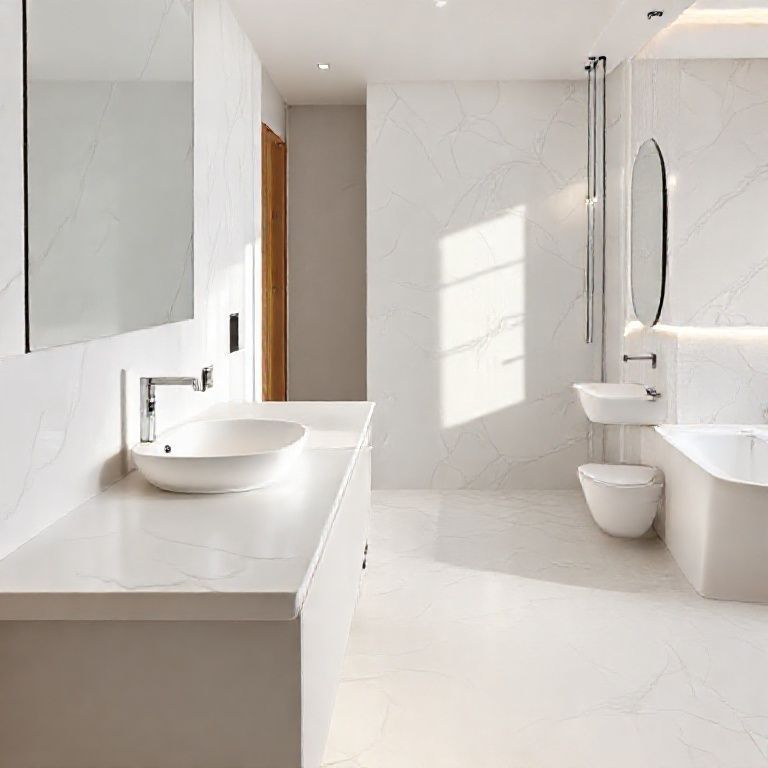
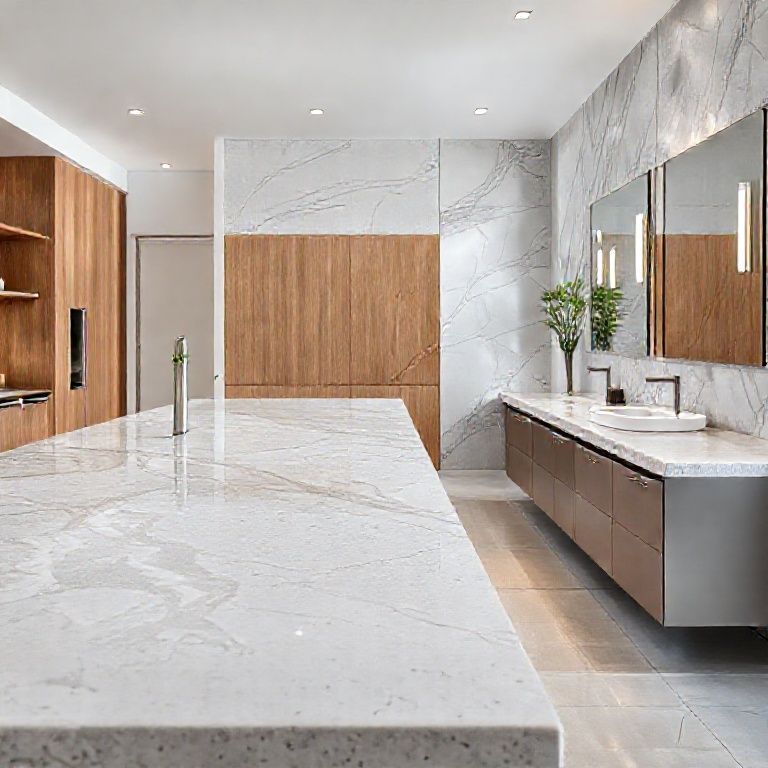
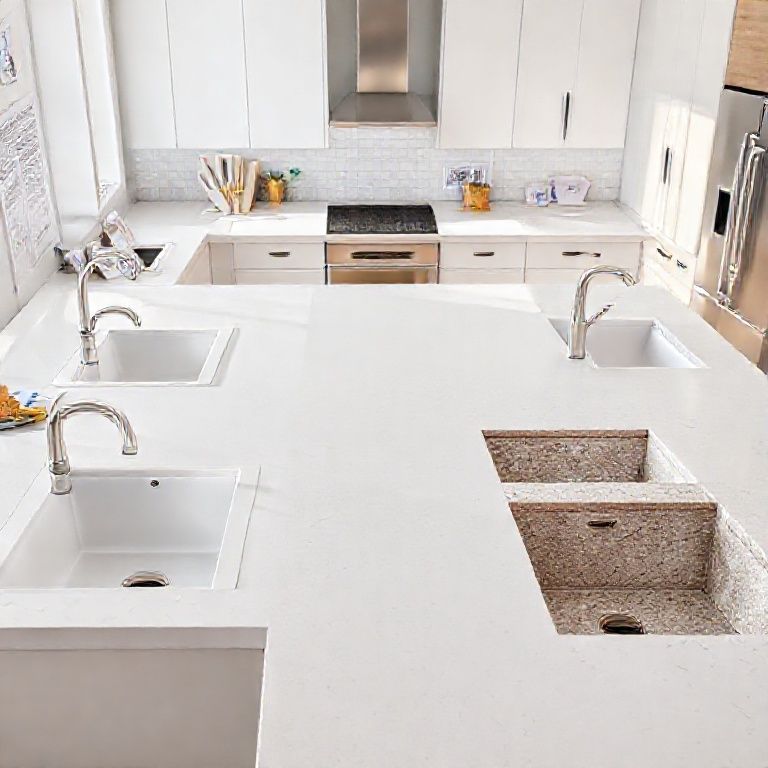
Artificial stone countertops are an excellent choice for many modern kitchens and workspaces. Their durability, aesthetic appeal, and easy maintenance make them a popular choice. However, despite their robustness, they can sometimes be susceptible to oil spills, which can mar their appearance and potentially cause damage if not addressed promptly. This guide will provide you with effective methods to clean and restore your artificial stone countertops after an oil spill.
Understanding Artificial Stone Countertops
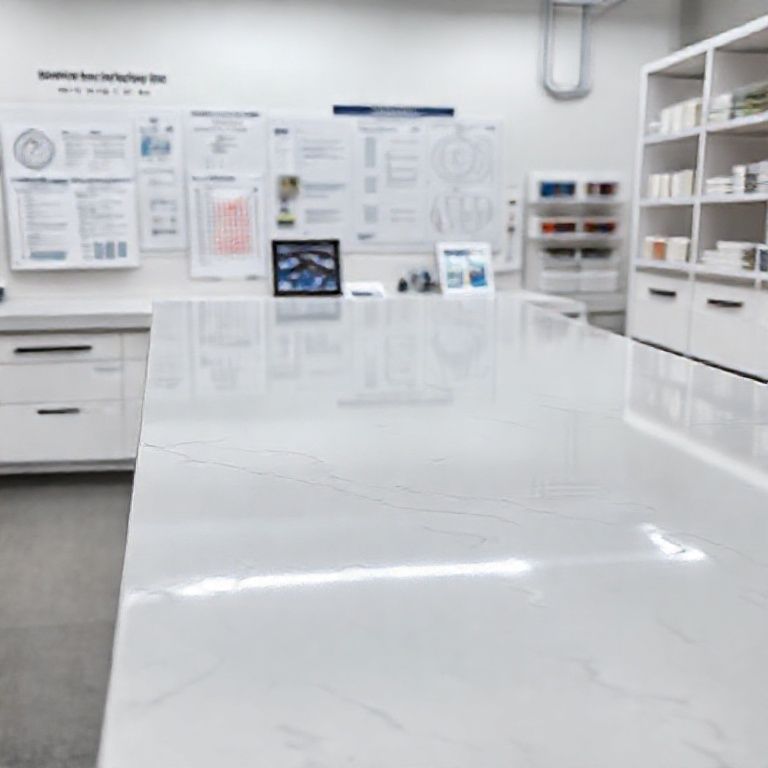
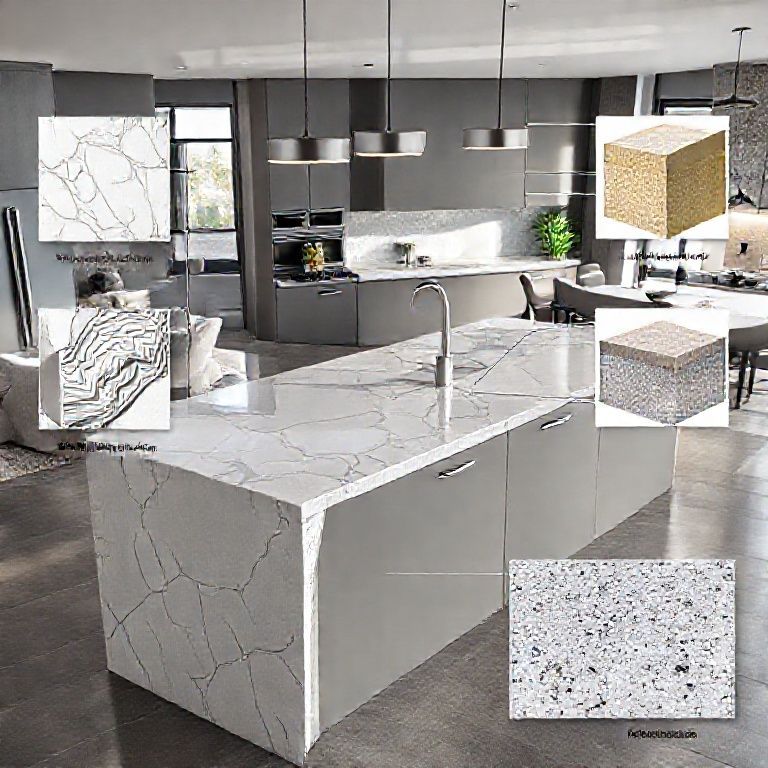
Before diving into cleaning techniques, it’s important to understand what artificial stone is. Artificial stone, often made from a mixture of quartz, resin, and pigments, is designed to mimic the look of natural stone while being more durable and easier to maintain. Despite its resilience, oil spills can seep into the surface, creating unsightly stains and dulling the stone’s appearance.
Immediate Action Steps
When an oil spill occurs, time is of the essence. The longer the oil sits on the surface, the more difficult it will be to clean. Here’s what you should do immediately:
Blot the Spill: Using a clean, soft cloth, gently blot the spill to absorb as much oil as possible. Avoid rubbing, as this can spread the oil further and cause more damage.
Dry the Area: After blotting, use a dry cloth to remove any remaining moisture. This helps prevent water from seeping into the stone and causing additional issues.
Cleaning Methods
To effectively remove oil stains from artificial stone countertops, you’ll need the right cleaning products and techniques. Here are several methods to try:
Method 1: Commercial Cleaners
Many commercial cleaners are designed specifically for stone surfaces. Look for products labeled for artificial stone or granite. Here’s how to use them:
Apply the Cleaner: Spray the cleaner onto a soft cloth rather than directly onto the countertop. This method ensures even application without over-saturating the stone.
Wipe Gently: Gently wipe the affected area in a circular motion. Be sure not to use too much pressure as this can scratch the surface.
Rinse and Dry: After wiping, rinse the area with a clean cloth and dry it immediately to prevent water spots.

Method 2: Homemade Solutions
If you prefer not to use commercial products, several homemade solutions can be effective:
Baking Soda and Vinegar: Mix baking soda with a little water to form a paste. Apply the paste to the spill and let it sit for a few minutes. Then, use a vinegar solution to wipe the area. The combination of baking soda and vinegar helps break down oils.
Milk and Salt: Pour a small amount of milk onto the spill and sprinkle salt over it. Let it sit for about 10 minutes, then wipe it off with a clean cloth. The salt acts as an abrasive, while the milk helps to emulsify the oil.
Olive Oil and Dish Soap: For a more greasy spill, try rubbing a small amount of olive oil onto the stain, followed by a dish soap solution. The oil helps to break up the grease, and the soap washes it away.
Method 3: Specialized Stone Polishing Wax
For particularly stubborn oil stains, a specialized stone polishing wax can be very effective:
Apply the Wax: Apply a small amount of stone polishing wax to the stain using a clean cloth. Rub it in gently.
Buff the Surface: Once the wax has been absorbed, use a soft cloth to buff the area until it shines. This not only cleans but also helps to restore the stone’s finish.
Preventative Measures
Prevention is always better than cure. Here are some tips to minimize the risk of oil spills on your artificial stone countertops:
Use Trivets and Placemats: When cooking, use trivets and placemats under pots and pans to protect the countertop from direct heat and spills.
Immediate Cleanup: Clean up spills immediately to prevent oil from penetrating the stone surface.
Regular Maintenance: Regularly clean your countertops with a suitable stone cleaner to maintain their appearance and protect against stains.
Avoid Harsh Chemicals: While cleaning, avoid using harsh chemicals that can damage the stone’s surface. Stick to mild cleaners and solutions.
Professional Help
If the oil spill is particularly severe or if you’re not confident in your ability to clean it, consider seeking professional help. Stone cleaning specialists have the expertise and tools to effectively remove tough stains without damaging your countertop.
How to Handle Oil Spills on Artificial Stone Countertops
In the first part of this guide, we covered immediate actions and various cleaning methods for oil spills on artificial stone countertops. Now, let’s delve deeper into advanced cleaning techniques, maintenance tips, and long-term care strategies to keep your artificial stone pristine.
Advanced Cleaning Techniques
For those who encounter particularly stubborn oil stains, here are some advanced cleaning techniques:
Technique 1: Ultrasonic Cleaner
An ultrasonic cleaner uses high-frequency sound waves to remove contaminants from surfaces. Here’s how to use it:
Prepare the Cleaner: Fill the ultrasonic cleaner with water and add a stone-safe cleaner.
Submerge the Area: Place a cloth over the stained area and submerge it in the cleaner. The sound waves will help break down the oil.
Rinse and Dry: After cleaning, rinse the area with clean water and dry it thoroughly.
Technique 2: Steam Cleaning
Steam cleaning uses high-temperature steam to clean and sanitize surfaces:
Set Up the Steam Cleaner: Fill the steam cleaner with water and turn it on.
Apply Steam: Gently apply the steam to the stained area. The heat will help to break down the oil.
Wipe and Dry: Wipe the area with a clean, dry cloth and let it air dry.
Maintenance Tips
Regular maintenance is key to keeping your artificial stone countertops looking their best:
Routine Cleaning: Use a mild stone cleaner and a soft cloth to clean your countertop regularly. This prevents the buildup of grime and stains.
Avoid Cutting on Unprotected Surfaces: Always use a cutting board or a silicone mat when cutting food on your countertop. This prevents scratches and stains.
Seal the Surface: While artificial stone does not require sealing like natural stone, it’s still a good idea to apply a protective finish occasionally to maintain its durability and appearance.
Monitor for Damage: Regularly inspect your countertop for any signs of damage or wear. Promptly address any issues to prevent them from worsening.
Long-Term Care Strategies
To ensure your artificial stone countertops remain in top condition for years to come, consider these long-term care strategies:
Regular Deep Cleaning: Schedule periodic deep cleaning sessions using a stone cleaner and a soft cloth. This helps remove any built-up grime and keeps the surface looking fresh.
Protect from Heat: Avoid placing hot pots, pans, or other heat sources directly on the countertop. Use trivets and heat-resistant pads to protect the surface.
Avoid Acidic Foods and Drinks: Acidic foods and drinks can etch the surface of artificial stone. Use coasters and placemats to prevent direct contact.
Use Gentle Cleaners: Stick to mild, stone-safe cleaners and avoid abrasive tools or harsh chemicals. This helps maintain the stone’s surface and finish.
Store Cleaning Supplies Properly: Keep your cleaning supplies in a dry place to prevent them from becoming contaminated or ineffective over time.
Final Thoughts
Artificial stone countertops are a fantastic investment for any kitchen or workspace. By understanding how to handle oil spills and following the cleaning and maintenance tips outlined in this guide, you can ensure your countertops remain beautiful and functional for years to come. Remember, prompt action is crucial when dealing with spills, and regular maintenance goes a long way in preserving the beauty of your artificial stone surface. With the right approach, you can keep your countertop looking pristine and avoid the need for costly repairs.
By following these comprehensive cleaning and maintenance tips, you can effectively handle oil spills on artificial stone countertops and keep them looking their best. Whether you opt for immediate action, homemade solutions, or advanced cleaning techniques, the key is to act quickly and maintain regular care routines to ensure longevity and appearance of your artificial stone surfaces.