How to Handle Oil Stains on Artificial Stone Countertops: A Comprehensive Guide
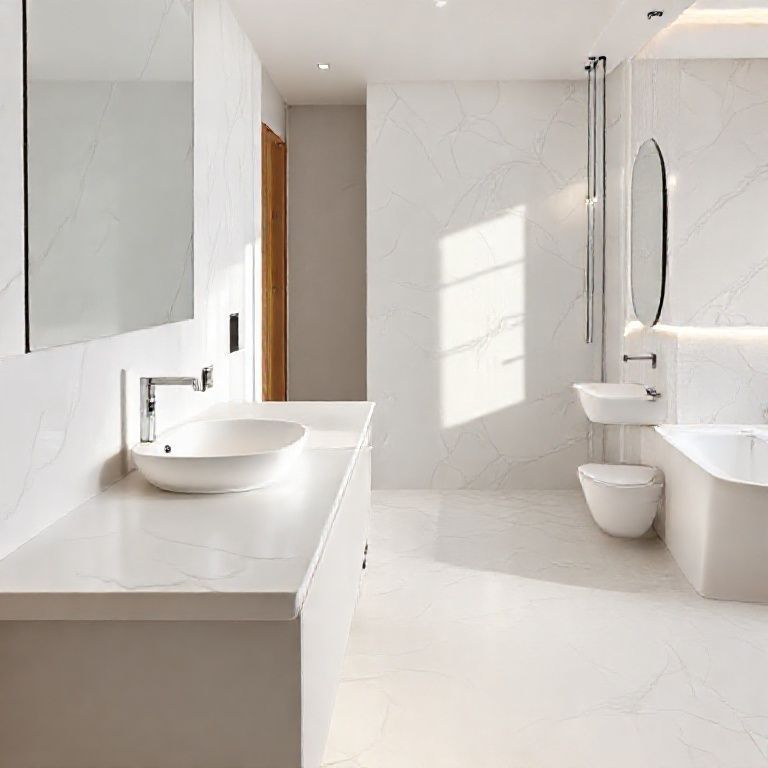
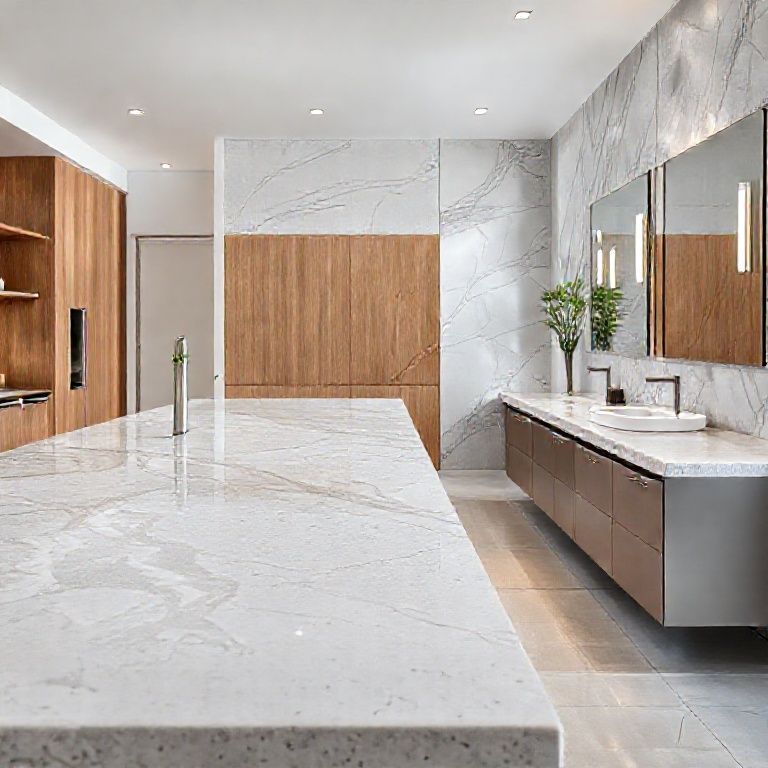
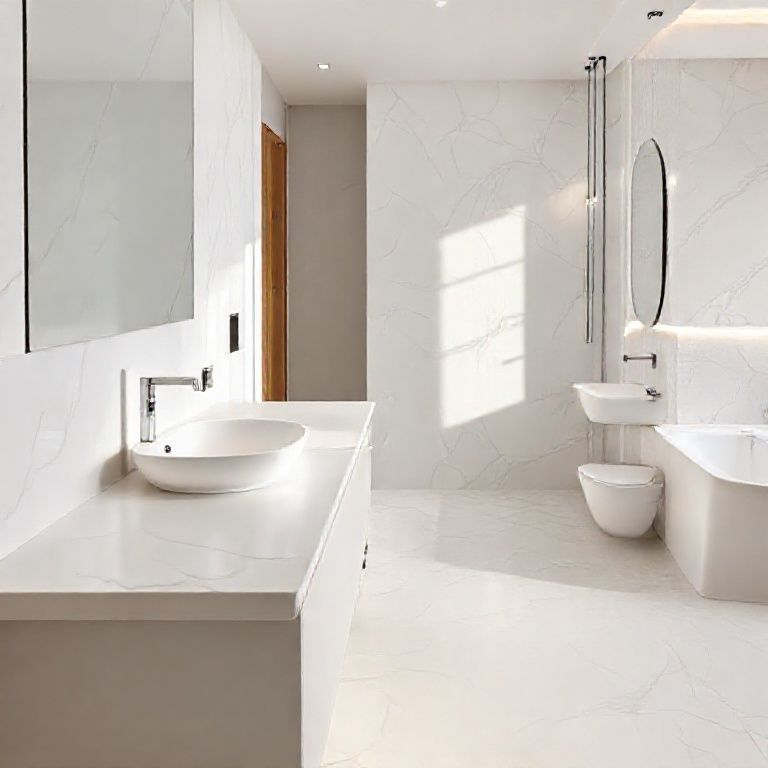
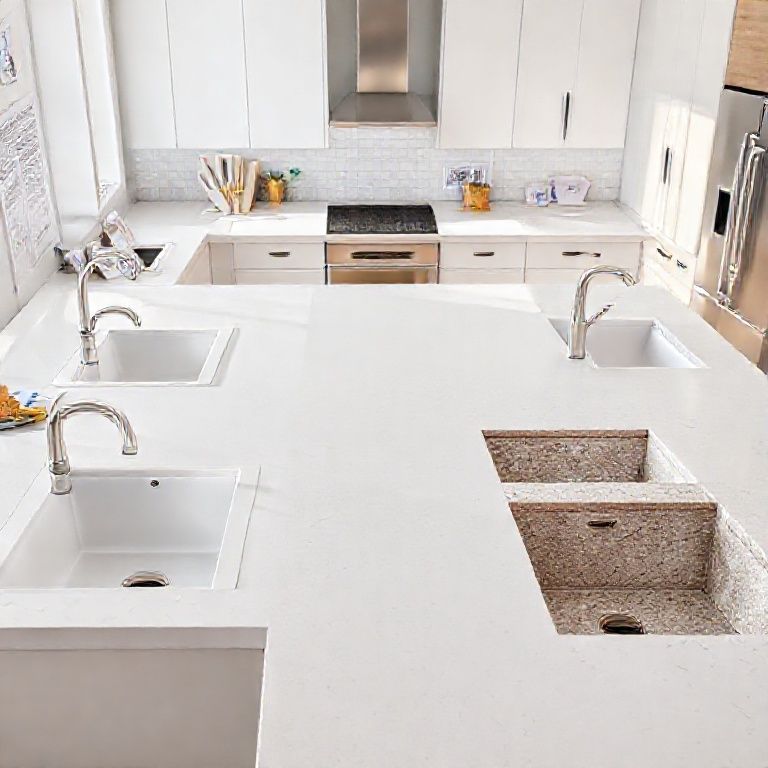
Artificial stone countertops have surged in popularity due to their durability, low maintenance, and stunning natural stone look. These synthetic surfaces are a favorite in kitchens and bathrooms for their sleek appearance and resistance to scratches and chips. However, one common issue that can mar their pristine look is oil stains. Oils from cooking, cooking utensils, and even fingerprints can seep into the surface, leading to unsightly marks. In this first part of our guide, we will delve into the nature of these stains and the initial steps to tackle them effectively.
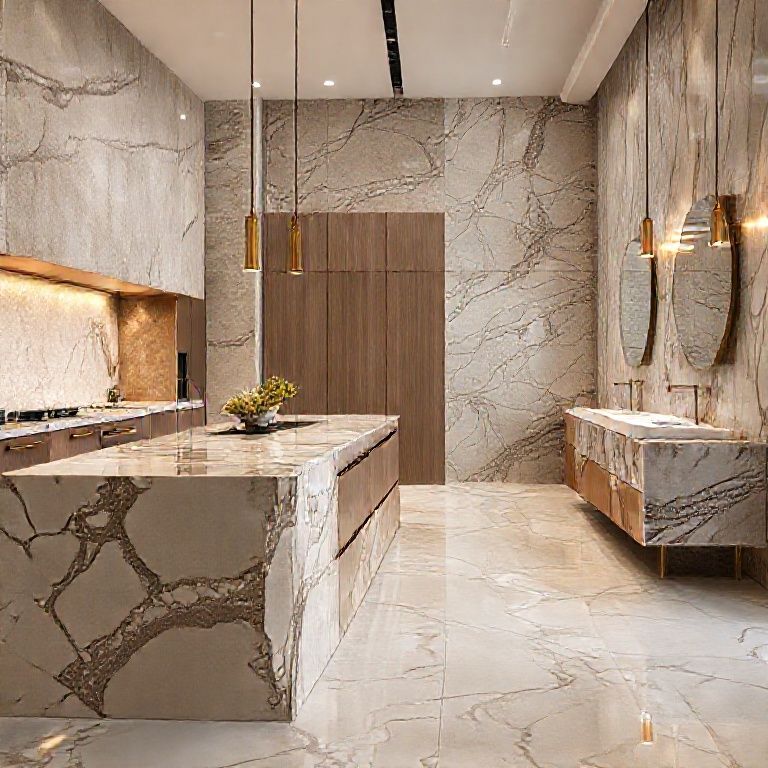
Understanding Oil Stains on Artificial Stone
Artificial stone, often made from a blend of materials like quartz, granite, or other composites, can be prone to oil stains. Unlike natural stone, which has a porous surface that absorbs liquids, artificial stone is designed to be non-porous and stain-resistant. Despite this, oils can still penetrate the surface, especially if left untreated for a long period. The key to managing these stains lies in timely intervention and using the right cleaning methods.
Identifying Oil Stains
Before diving into cleaning methods, it’s crucial to correctly identify oil stains. These stains typically appear as dull or dark spots on the surface of the countertop. They might not be immediately noticeable but can become more pronounced over time as they absorb more oils and moisture. Here are some signs to look out for:
Discoloration: Oil stains often manifest as darker spots compared to the surrounding surface. Texture: Unlike water rings, oil stains can sometimes feel slightly greasy to the touch. Persistence: Oil stains do not usually wipe off easily with a damp cloth.
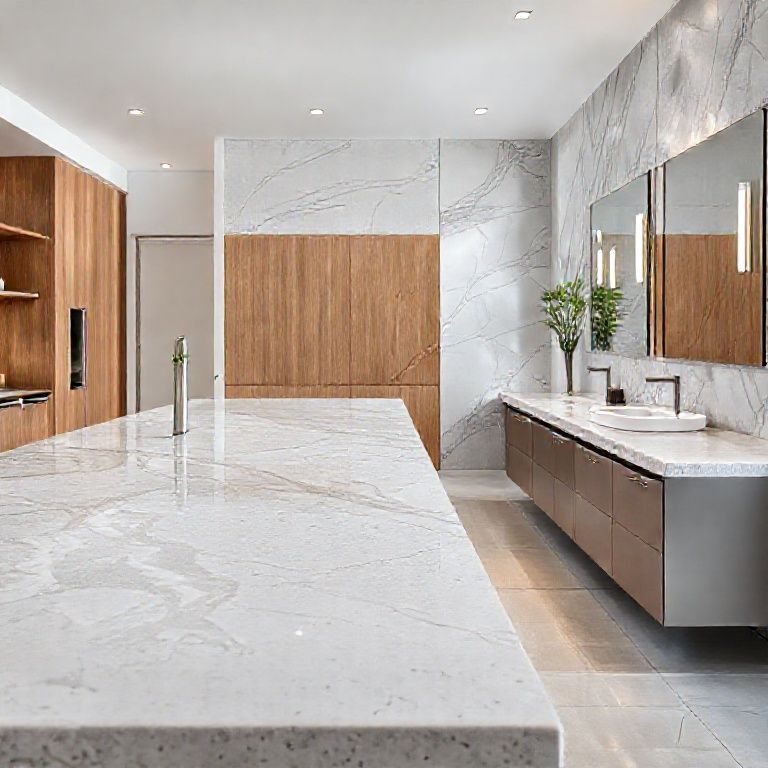
Immediate Steps for Oil Stain Removal
Prompt action is essential to prevent oil stains from setting in permanently. Here’s what you should do if you notice oil on your artificial stone countertop:
Wipe Immediately: Use a clean, dry cloth to wipe off any fresh oil spills as soon as possible. This can prevent the oil from seeping deeper into the surface.
Use a Mild Soap Solution: Prepare a mixture of warm water and a few drops of mild dish soap. Dampen a cloth with this solution and gently scrub the stained area. Avoid using abrasive materials or harsh chemicals, as these can damage the surface.
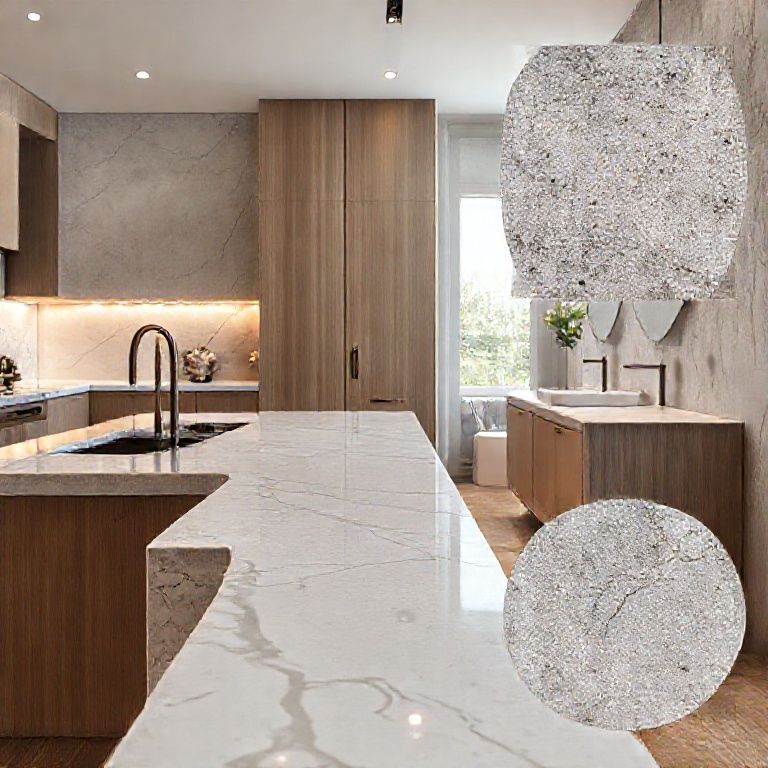
Rinse and Dry: After scrubbing, rinse the area with clean water and dry it thoroughly with a clean towel to prevent water spots.
Preventative Measures
Prevention is always better than cure, and maintaining your artificial stone countertops can significantly reduce the likelihood of oil stains. Here are some tips to keep your countertops looking their best:
Use Coasters and Trivets: Place coasters under hot pots and trivets under frying pans to prevent direct contact with the surface. Clean Up Spills Immediately: Make it a habit to clean up any spills right away to avoid staining. Regular Cleaning: Clean your countertops regularly with a mild soap and water solution to maintain their pristine look.
In the next part of this guide, we will explore more advanced cleaning techniques, including the use of specialized cleaners, and provide detailed instructions on how to handle persistent oil stains that require more attention.
How to Handle Oil Stains on Artificial Stone Countertops: A Comprehensive Guide
In the previous part, we covered the initial steps for tackling fresh oil stains on artificial stone countertops, along with some preventative measures to keep your surfaces looking their best. Now, let’s delve deeper into more advanced cleaning techniques for those stubborn stains that require a bit more effort. We will also discuss how to maintain your artificial stone countertops for long-lasting beauty and functionality.
Advanced Cleaning Techniques
Even with the best preventative measures, some oil stains can become persistent and require more than a simple wipe-down. Here’s how to address those tougher stains:
1. Commercial Cleaners
Specialized cleaners designed for artificial stone can be highly effective in removing oil stains without damaging the surface. Here’s how to use them:
Choose the Right Cleaner: Look for a cleaner that is specifically formulated for artificial stone. Avoid products with harsh chemicals that can strip the surface. Follow Instructions: Always follow the manufacturer’s instructions for application and rinsing. Typically, you will need to apply the cleaner to the stain, let it sit for a few minutes, and then wipe it off with a clean cloth. Test First: Before applying the cleaner to the entire stain, test it on a small, inconspicuous area to ensure it doesn’t cause discoloration or damage.
2. Home Remedies
For those who prefer natural solutions, several home remedies can be effective in tackling oil stains. Here are a few tried and true methods:
Baking Soda Paste: Mix baking soda with water to form a paste. Apply the paste to the stained area, let it sit for a few minutes, and then scrub gently with a soft cloth. Rinse and dry thoroughly. Vinegar and Water: Combine equal parts of white vinegar and water in a spray bottle. Spray the solution onto the stain and let it sit for 10-15 minutes before wiping it off with a clean cloth. Lemon Juice: Squeeze fresh lemon juice onto the stain and let it sit for a few minutes. Scrub gently with a soft cloth and rinse thoroughly.
Deep Cleaning for Persistent Stains
For particularly stubborn oil stains that have set in, a deeper cleaning process may be required:
Soak the Area: Apply a small amount of the commercial cleaner or a home remedy to the stained area and let it soak for several hours. This allows the cleaner to penetrate the stain more effectively. Scrub Gently: Use a soft-bristled brush or a microfiber cloth to gently scrub the stained area. Avoid using abrasive materials that can scratch the surface. Rinse Thoroughly: After scrubbing, rinse the area with clean water to remove any residue from the cleaner. Dry Immediately: Use a clean, dry towel to dry the area immediately to prevent water spots.
Maintaining Your Artificial Stone Countertops
Regular maintenance is key to keeping your artificial stone countertops looking their best. Here are some additional tips to prolong the life and appearance of your countertops:
Regular Cleaning: Clean your countertops with a mild soap and water solution at least once a week. For deeper cleaning, use a specialized cleaner as needed. Avoid Abrasive Cleaners: Stick to non-abrasive cleaners and tools to prevent scratching the surface. Use Protective Pads: Place protective pads under hot pots, pans, and utensils to prevent direct contact with the surface. Seal the Surface: While artificial stone is generally stain-resistant, sealing the surface can provide an additional layer of protection. Consult with a professional to determine if sealing is necessary for your specific countertop.
Common Mistakes to Avoid
Even with the best intentions, there are common mistakes that can inadvertently damage artificial stone countertops. Here’s what to avoid:
Using Harsh Chemicals: Avoid cleaning with bleach, ammonia, or other harsh chemicals that can strip the surface and cause discoloration. Ignoring Spills: Don’t ignore spills or let them sit for extended periods, as this can make stains more difficult to remove. Over-Scrubbing: Be gentle when cleaning to avoid scratching the surface. If a stain persists, use non-abrasive tools and methods.
Conclusion
Maintaining the pristine look of your artificial stone countertops involves a combination of prompt action, regular cleaning, and the use of appropriate cleaning methods. By understanding the nature of oil stains and following the advanced techniques outlined in this guide, you can keep your countertops looking beautiful and extend their lifespan. Remember, prevention is always better than cure, so take proactive steps to protect your investment. With the right care and attention, your artificial stone countertops will remain a stunning focal point in your kitchen or bathroom for years to come.
By following these comprehensive guidelines, you can effectively handle oil stains on artificial stone countertops and maintain their natural stone-like appearance, ensuring they remain a beautiful addition to your home.