Understanding Artificial Stone and Scratch Prevention
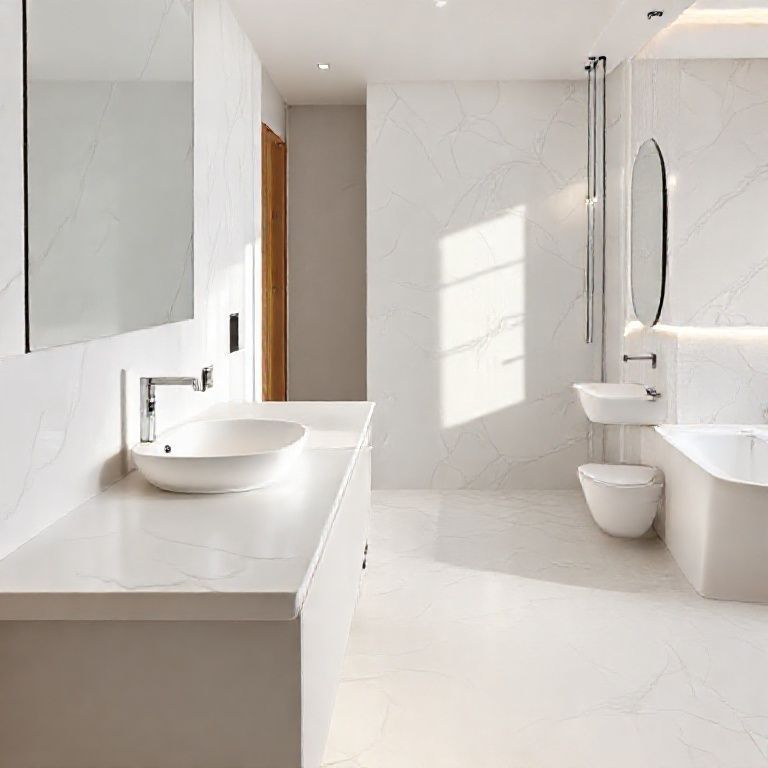
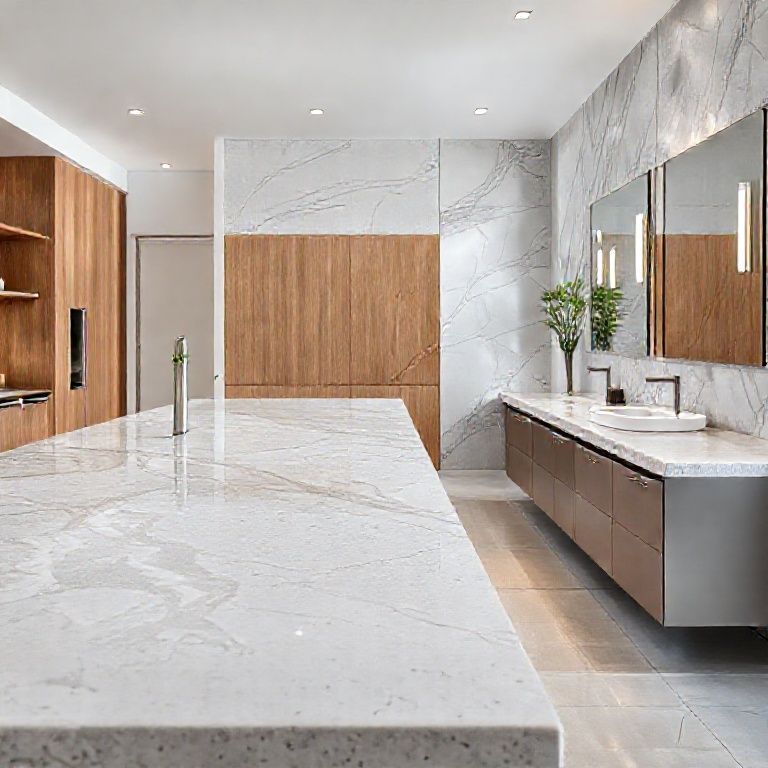
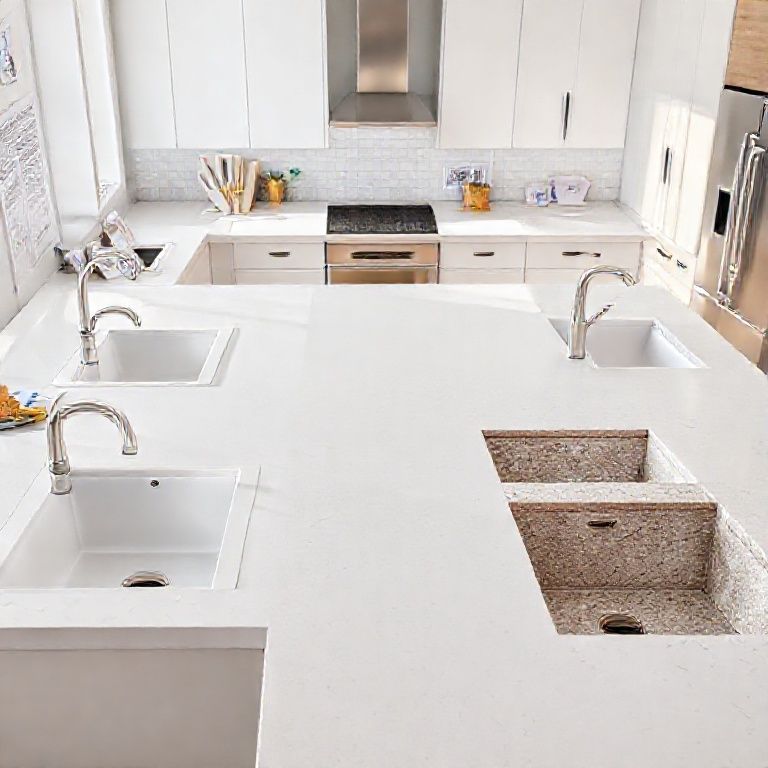
Artificial stone countertops have revolutionized modern kitchen and bathroom design, blending the durability of natural stone with the convenience of man-made materials. These countertops are crafted from a mixture of minerals, water, and resin, and are renowned for their robustness, ease of maintenance, and aesthetic appeal. Despite their impressive qualities, artificial stone is not invulnerable. Scratches can occur due to everyday use, causing a noticeable blemish that detracts from the countertop’s overall beauty. This part of our article will delve into understanding the nature of artificial stone, the common causes of scratches, and effective prevention strategies to keep your countertops pristine.
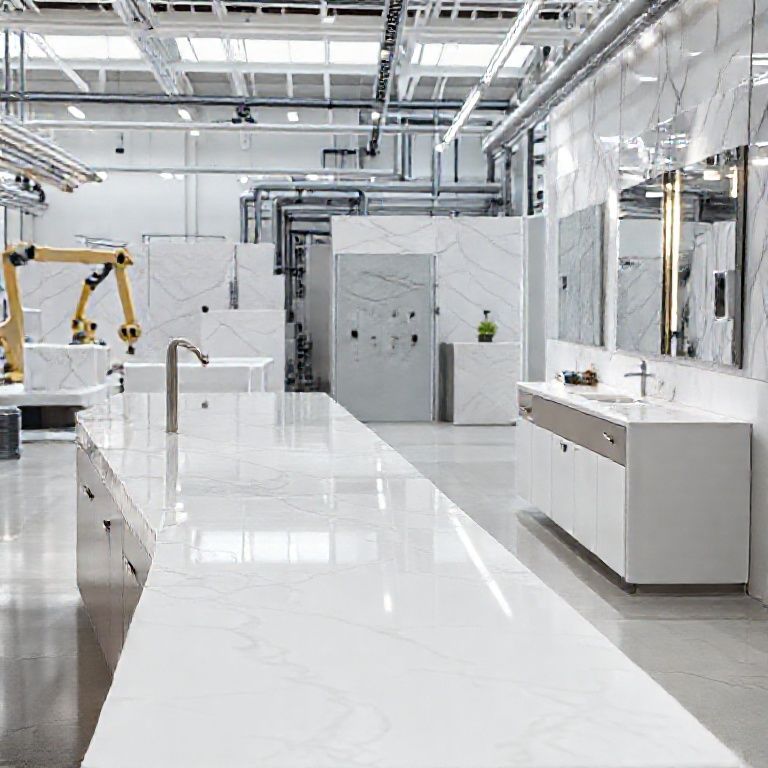
The Composition and Durability of Artificial Stone
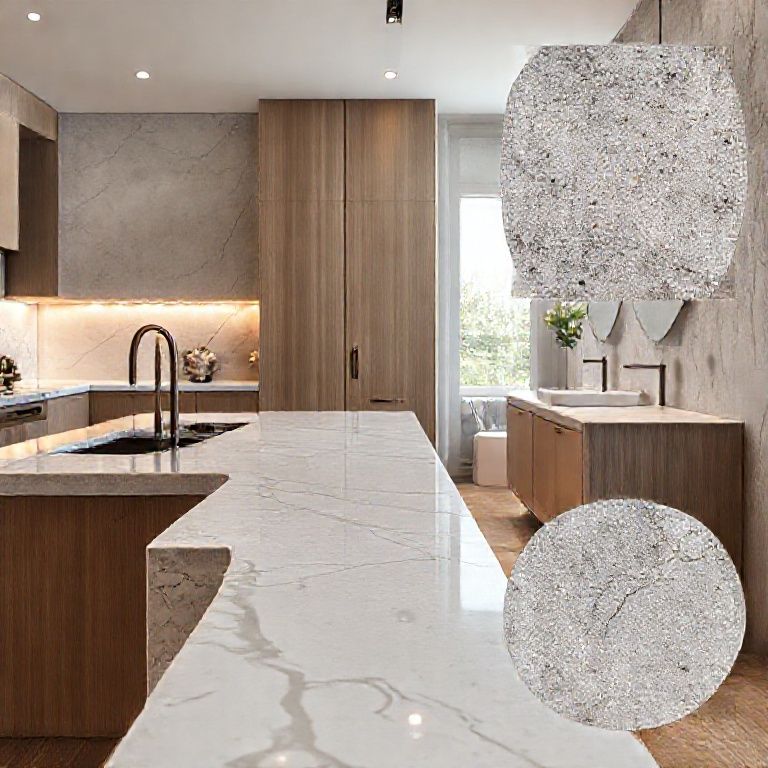
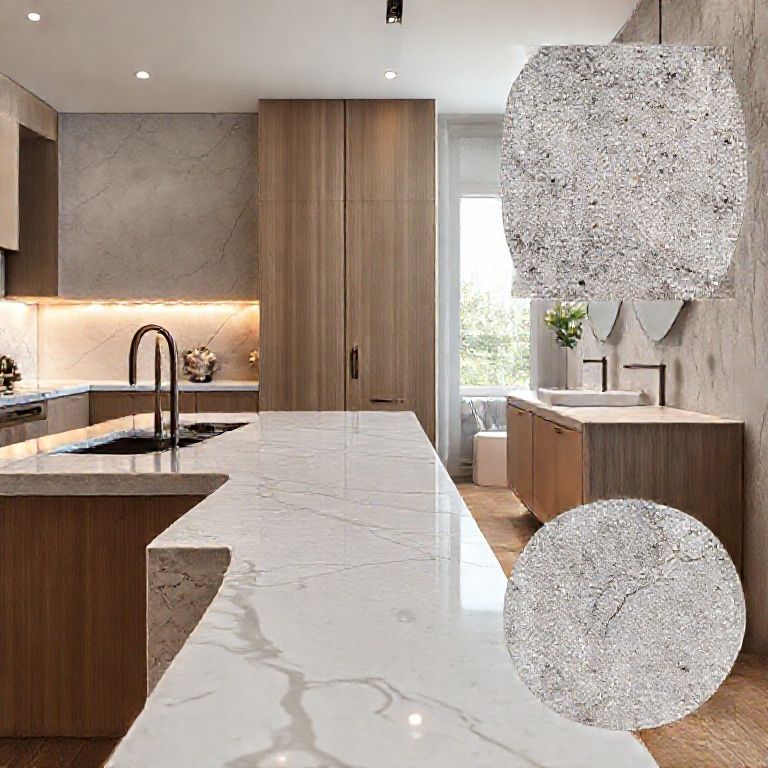
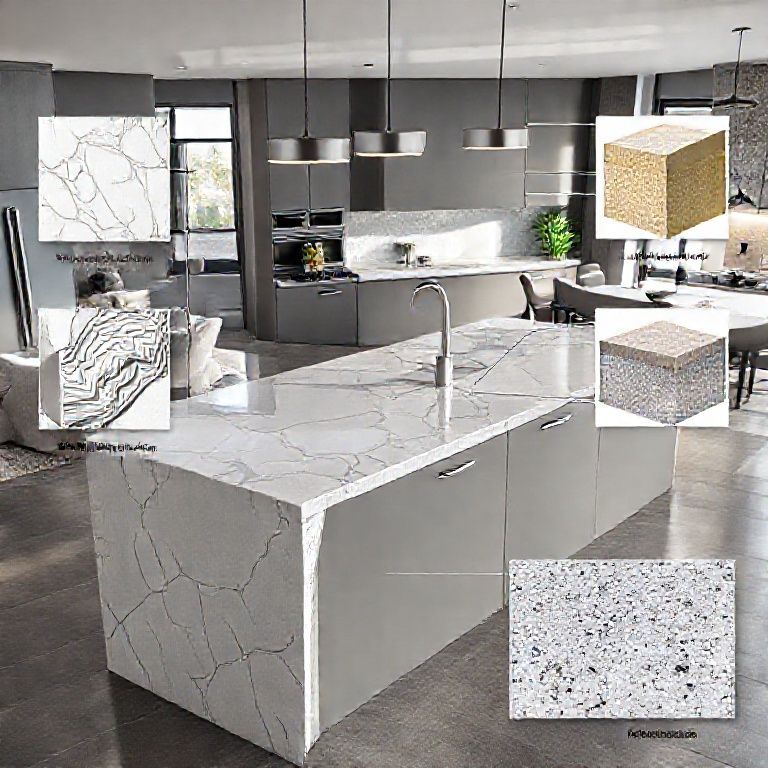
Artificial stone, often referred to as cultured stone or synthetic stone, is a composite material that closely mimics the look and feel of natural stone. It combines natural stone powders with a polymer resin to create a product that is not only visually stunning but also highly durable. Unlike natural stone, which can vary widely in hardness and texture, artificial stone offers a consistent and uniform appearance.
Key Properties of Artificial Stone:
Hardness: Artificial stone is harder than many natural stones, making it resistant to scratches and scratches. However, it can still be scratched by hard objects. Heat Resistance: This material can withstand high temperatures, making it suitable for kitchen use where it might be exposed to hot pots and pans. Water Resistance: Despite being water-resistant, artificial stone is not impervious to water. It should not be exposed to prolonged water exposure as it can absorb moisture over time.
Common Causes of Scratches
Scratches on artificial stone countertops can result from several everyday activities. Understanding these causes is crucial in preventing future scratches and knowing how to address them when they do occur.
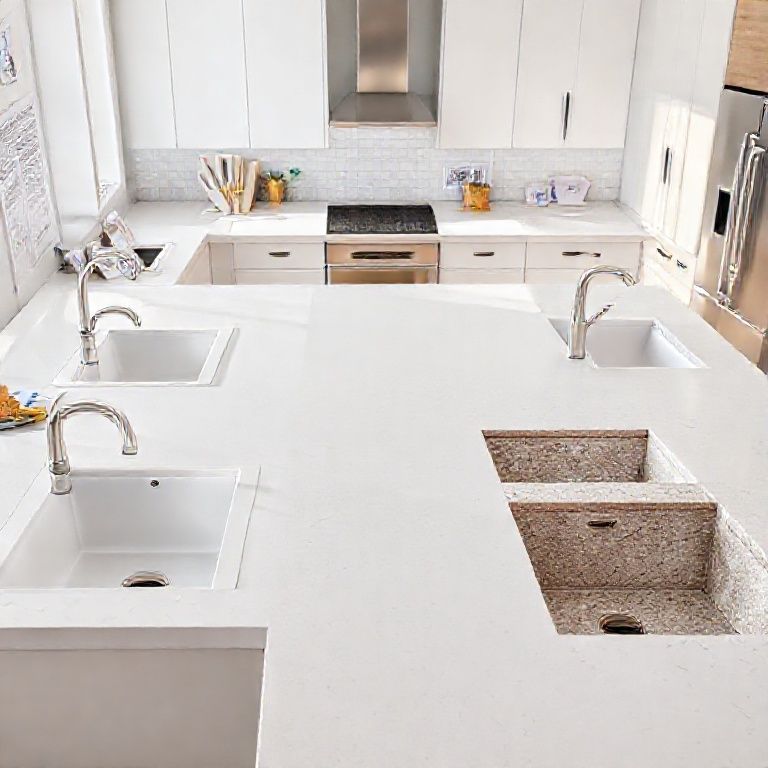
Daily Use: Sharp objects like knives, cutting boards, and even utensils can easily scratch the surface if not placed on protective pads. Chemical Exposure: Cleaning products, especially those containing harsh chemicals, can wear down the surface over time, leading to scratches. Heavy Items: Placing heavy objects like pots, pans, or even a bulky book directly on the surface can cause indentations and scratches.
Effective Prevention Strategies
Preventing scratches on artificial stone countertops is simpler than repairing them once they occur. Here are some practical tips to ensure your countertops remain scratch-free:
Use Cutting Pads: Always place cutting boards and other sharp objects on a dedicated cutting pad to prevent scratches. Protective Mats: Utilize placemats or coasters under heavy items to prevent direct contact with the countertop. Cleaning Care: Opt for gentle cleaning products and avoid abrasive sponges. Microfiber cloths are ideal for cleaning without scratching the surface. Avoid Heat: While artificial stone can withstand high temperatures, avoid leaving hot pots and pans directly on the surface. Use trivets or heat-resistant pads. Regular Maintenance: Regularly clean and maintain your countertops to prevent the buildup of food particles and grime, which can lead to scratches.

By understanding the nature of artificial stone and adopting these preventive measures, you can significantly reduce the likelihood of scratches occurring on your countertop.
Repair Techniques for Scratched Artificial Stone Countertops
Despite the best preventive efforts, scratches can still occur on artificial stone countertops. This part of our article will provide detailed insights into effective repair techniques that can restore your countertops to their original beauty. From DIY solutions to professional repair methods, we cover a range of options to ensure you can tackle scratches with confidence.
DIY Repair Techniques
When minor scratches occur, you can often treat them at home using simple and affordable materials. Here are some effective DIY repair techniques:

Method 1: Polishing with Steel Wool
For light scratches, steel wool can be an effective solution. Here’s how to use it:
Prepare the Area: Clean the affected area thoroughly to remove any dirt or debris. Use Steel Wool: Lightly rub the area with a 000 grade steel wool pad in a circular motion. This will help to smooth out the scratch. Polish: Once the scratch is less visible, polish the area with a soft cloth to restore the shine.
Method 2: Using a Granite Polishing Kit
A granite polishing kit can also be used for artificial stone countertops. Follow these steps:
Clean the Surface: Wipe the countertop with a damp cloth to remove any dust. Apply Polishing Compound: Spread a thin layer of granite polishing compound over the scratched area. Buff with a Soft Cloth: Use a clean, soft cloth to buff the area in a circular motion until the scratch is no longer visible. Final Polish: Wipe the surface with a dry cloth to remove any residue and restore the shine.
Method 3: Epoxy Resin
For deeper scratches, an epoxy resin can be used to fill in the scratch and restore the surface.
Prepare the Area: Clean the area and let it dry completely. Mix Epoxy: Follow the manufacturer’s instructions to mix the epoxy resin. Apply the Resin: Use a small brush to apply the epoxy to the scratch, filling it completely. Smooth the Surface: Once the resin is applied, use a cloth or a spatula to smooth out the excess resin. Cure and Polish: Allow the resin to cure as per the instructions. Once cured, polish the area to blend it seamlessly with the rest of the countertop.
Professional Repair Techniques
For more severe scratches or when DIY methods are not sufficient, professional repair services are available. Here’s what you can expect from professional repair:
1. Surface Grinding
Professional technicians use specialized equipment to grind down the scratched area. This method removes the scratch and smoothens the surface, often restoring the countertop to its original condition.
2. Resin Injection
In cases of deep scratches, resin injection is a precise method used to fill and smooth out the scratch. The technician injects a resin compound into the scratch and then polishes the surface to blend it seamlessly with the surrounding area.
3. Resurfacing
For extensive damage, resurfacing may be necessary. This process involves removing a thin layer of the countertop’s surface and applying a new layer of artificial stone material to create a smooth, even surface.
Choosing the Right Repair Method
When deciding on a repair method, consider the severity of the scratch and your budget. DIY methods are cost-effective and suitable for minor scratches, while professional services offer more comprehensive solutions for severe damage.
Tips for Choosing a Repair Service:
Research: Look for reputable companies with good reviews and experience in artificial stone repair. Get Estimates: Obtain quotes from multiple services to compare prices and services offered. Check Certifications: Ensure the technician is certified and has the necessary skills to perform the repair. Warranty: Ask about any warranties or guarantees provided for the repair work.
By understanding the various repair techniques and when to use them, you can effectively restore the beauty of your artificial stone countertops.
Conclusion
Maintaining the pristine condition of your artificial stone countertops requires a combination of preventive measures and effective repair techniques. By understanding the nature of artificial stone, adopting preventive strategies, and knowing how to handle scratches when they occur, you can ensure your countertops remain a beautiful and functional part of your home. Whether you opt for DIY solutions or professional repair services, there are effective ways to keep your artificial stone countertops looking impeccable.