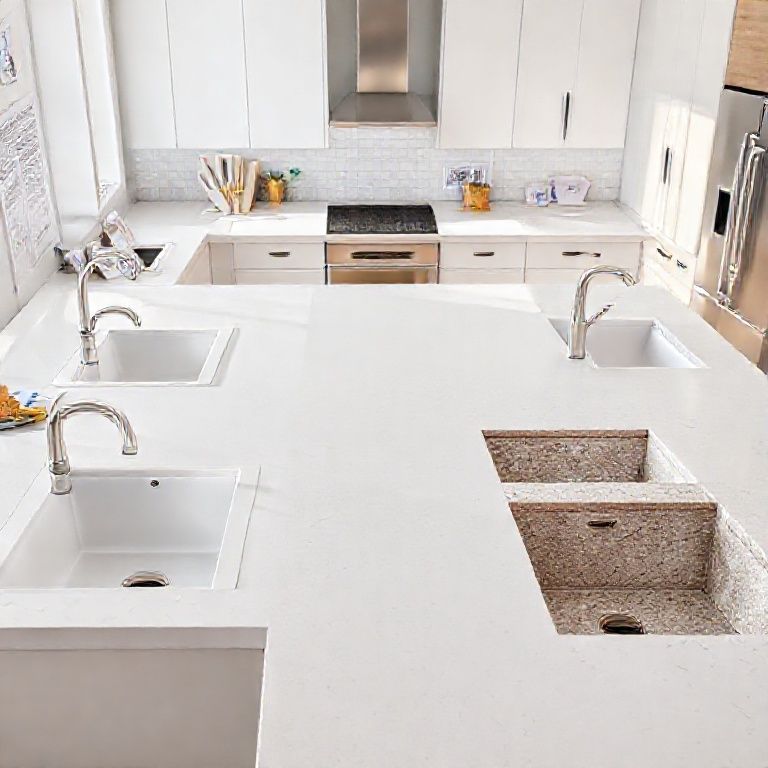
Understanding Stains on Granite Countertops
When it comes to kitchen design, few materials offer the blend of beauty, durability, and low maintenance quite like granite countertops. However, no matter how high-quality your granite is, it can still be susceptible to stains. These unsightly marks can occur due to various reasons, such as spills, acidic foods, or even improper cleaning methods. Knowing the nature of these stains is the first step in handling them effectively.

Identifying Common Types of Stains
1. Acidic Stains: Acidic foods and beverages, such as coffee, red wine, citrus juices, and tomatoes, can leave behind stains that seep deep into the granite’s surface. Over time, these stains can become permanent if not addressed promptly.
2. Water Stains: Water rings or spots can form from frequent spills or from the condensation left by hot pots and pans. While not usually as damaging as acidic stains, they can still mar the appearance of your granite.
3. Organic Stains: Foods like chocolate, berries, and other dark-colored substances can leave behind organic stains that are challenging to remove. These stains require careful handling to avoid damaging the granite.

Preventive Measures
Prevention is always better than cure. Here are some preventive measures to keep your granite countertop looking its best:
1. Use a Granite Cutting Board: To prevent acid from directly contacting the granite, always use a cutting board when preparing acidic foods.
2. Immediate Clean-Up: Promptly clean up any spills to prevent stains from setting in. Use a soft, damp cloth to wipe away spills immediately.

3. Protective Covers: Consider using cutting boards, trivets, and other protective covers for hot pots and pans to avoid direct contact with the granite.
4. Proper Cleaning Supplies: Use mild soap and water for cleaning. Avoid abrasive cleaners or sponges that can scratch the surface.
Immediate Stain Removal Techniques
In the unfortunate event that a stain does occur, quick action can help prevent it from becoming permanent. Here are some immediate steps you can take:

1. Blot the Stain: For fresh spills, use a clean, damp cloth to blot the stain gently. Avoid rubbing, as this can spread the stain or scratch the surface.
2. Neutral Cleaners: Use a neutral cleaner or a mixture of water and vinegar to wipe down the affected area. These solutions are effective at removing stains without damaging the granite.
3. Baking Soda Paste: For tougher stains, create a paste using baking soda and water. Apply the paste to the stain and let it sit for a few minutes before gently scrubbing with a soft cloth.
Professional Cleaning Services
For deep-set stains or when you’re unsure about the best approach, professional cleaning services might be necessary. Certified professionals have access to specialized equipment and products that can safely and effectively remove even the most stubborn stains.
Advanced Stain Removal and Maintenance Tips
While immediate action is essential for fresh stains, advanced techniques and long-term maintenance are key to preserving the beauty and longevity of your granite countertops. Here, we delve into more sophisticated methods and ongoing care tips to ensure your granite stays stain-free and beautiful.
Advanced Stain Removal Techniques
1. Hydrofluoric Acid Etching: For deep-set stains that have seeped into the granite, hydrofluoric acid etching can be an effective solution. This process involves a professional application of a mild acid that etches away the stained surface, revealing a fresh layer of granite underneath. It’s important to note that this should only be done by certified professionals to avoid damaging the stone.
2. Diamond Polishing: Another advanced technique is diamond polishing, which involves using a diamond polishing pad to buff the surface of the granite. This method can remove stains, scratches, and even discoloration, leaving your countertop looking like new. Again, it’s best to leave this to professionals to ensure the process is done correctly.
3. Ultrasonic Cleaning: Ultrasonic cleaning uses high-frequency sound waves to remove deep-seated stains from granite. This method can be particularly effective for organic stains and involves soaking the countertop in a cleaning solution while an ultrasonic cleaner does the work. Professionals use this method to achieve a deep, thorough clean.
Long-Term Maintenance Tips
1. Regular Cleaning: Consistency is key when it comes to maintaining your granite countertop. Regularly clean the surface with a mild soap and water solution, and use a granite-specific cleaner occasionally to keep it looking its best.
2. Use Coasters and Placemats: To protect your granite from spills and heat, always use coasters under glasses and placemats under hot dishes. This simple step can prevent many stains from forming.
3. Avoid Harsh Chemicals: Limit the use of harsh chemicals and cleaning agents that can damage the granite’s surface. Stick to mild, pH-neutral cleaners to keep the stone in top condition.
4. Seal Your Granite: While granite doesn’t require frequent sealing like some other natural stones, it’s still beneficial to reseal it every one to two years. A quality granite sealant will protect against stains and extend the life of your countertop.
Dealing with Persistent Stains
1. DIY Stain Removers: If you’re dealing with stains that haven’t responded to basic cleaning methods, consider trying a few more DIY solutions before opting for professional help. For instance, a mixture of hydrogen peroxide and baking soda can be an effective stain remover for many substances.
2. Consult a Specialist: If you find that stains are recurring or particularly stubborn, it may be time to consult a specialist. They can provide a tailored cleaning plan and might recommend advanced techniques to restore your granite to its former glory.
3. Regular Inspections: Regularly inspect your granite countertop for any signs of wear, damage, or stains. Early detection can prevent minor issues from becoming major problems.
Conclusion
Granite countertops are a beautiful and durable addition to any kitchen, but they do require careful maintenance to keep them looking pristine. Understanding the types of stains that can affect your granite, taking preventive measures, and knowing how to handle stains when they do occur are all crucial steps in preserving the beauty of your countertops. With the right techniques and a bit of diligence, you can ensure that your granite remains a stunning focal point in your home for years to come.
Remember, when in doubt, professional help is always available to ensure that your granite countertop is restored to its best condition. With the right care and attention, your granite will continue to impress and serve you well.