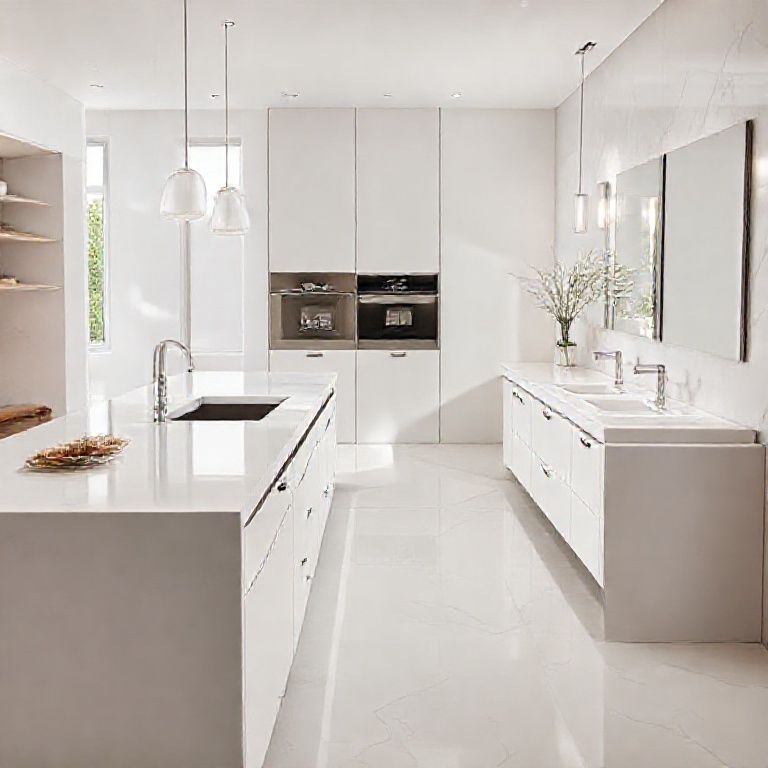
Understanding Stains on Artificial Quartz Countertops
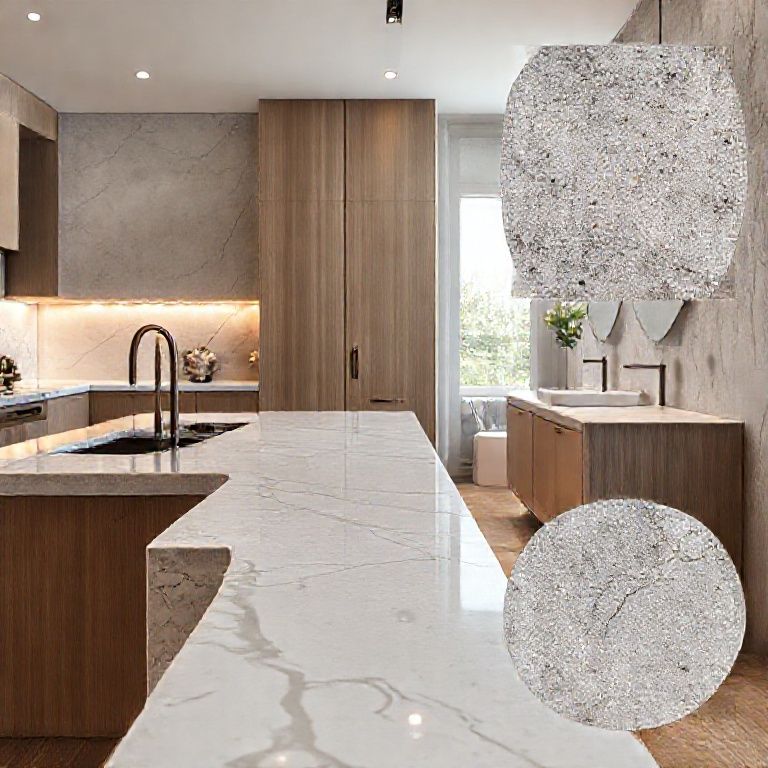
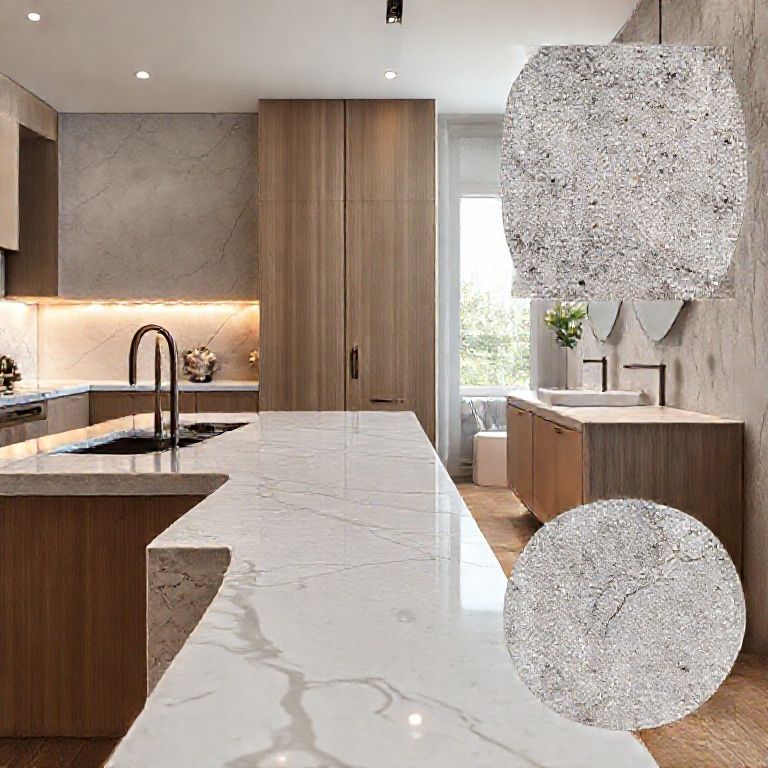
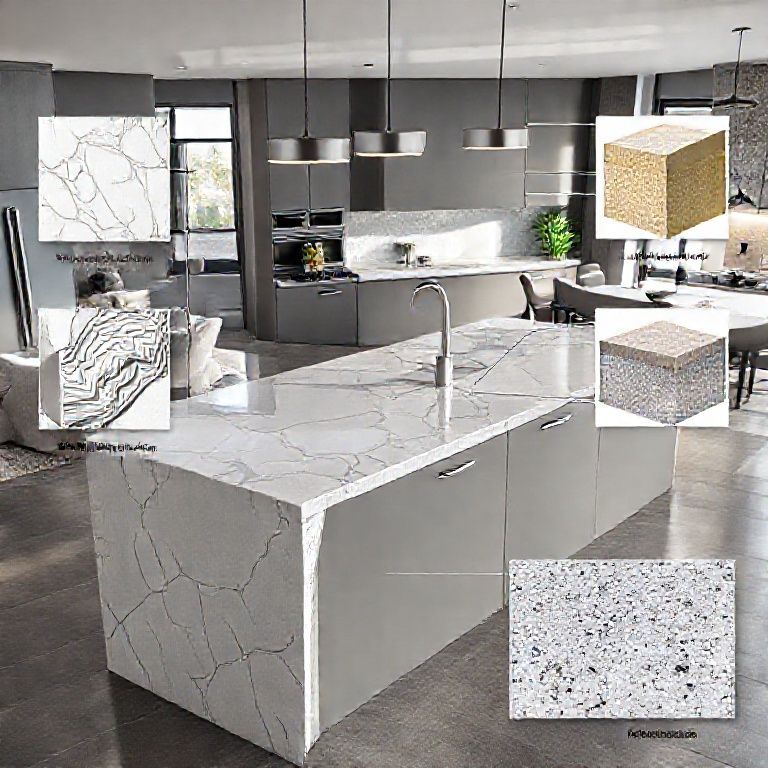
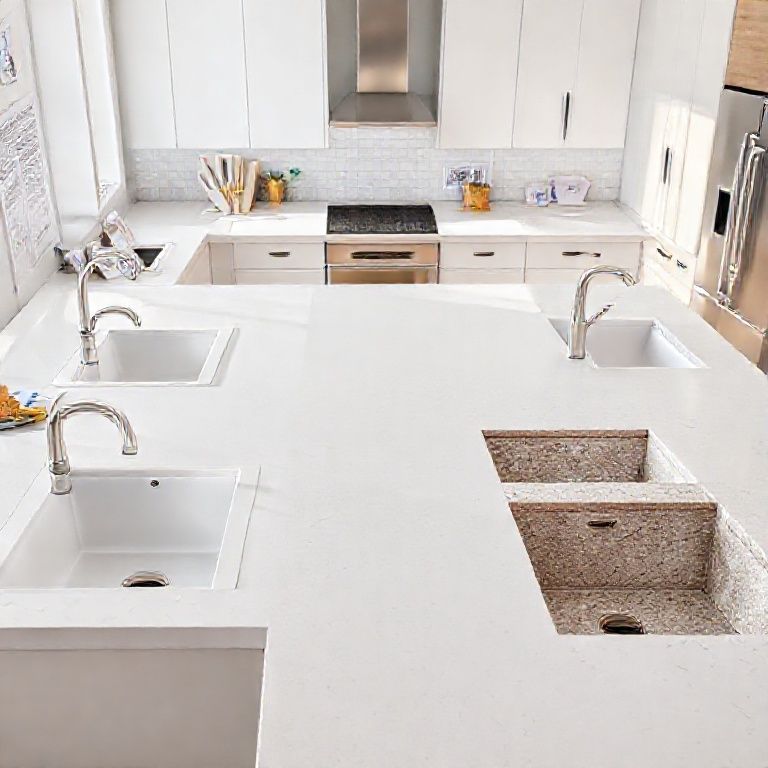
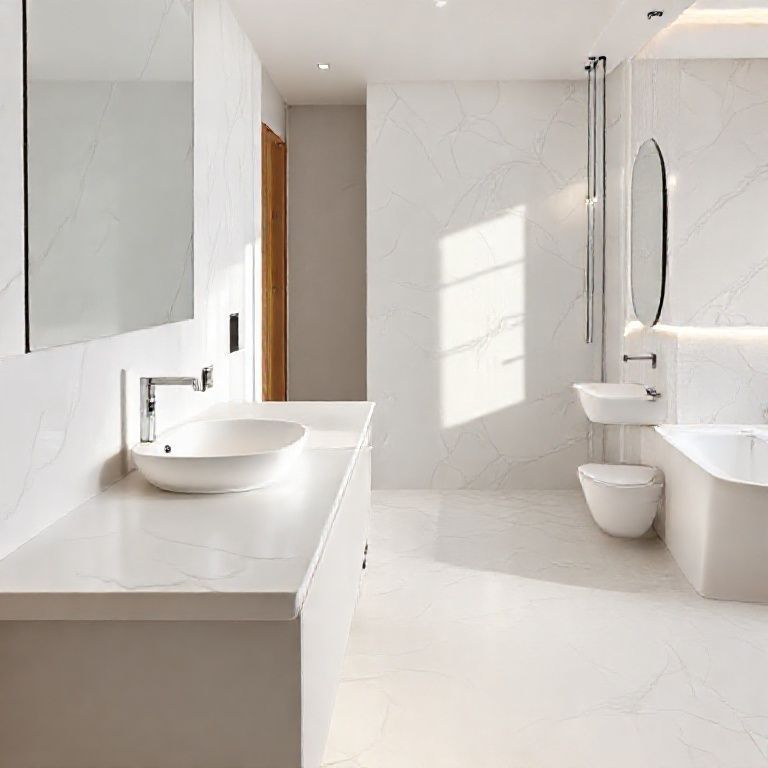
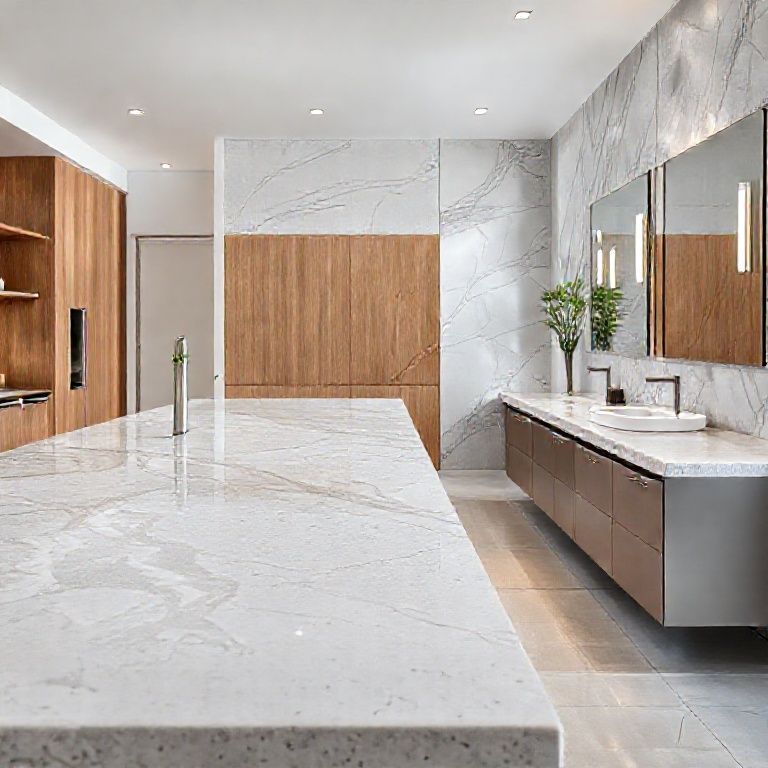
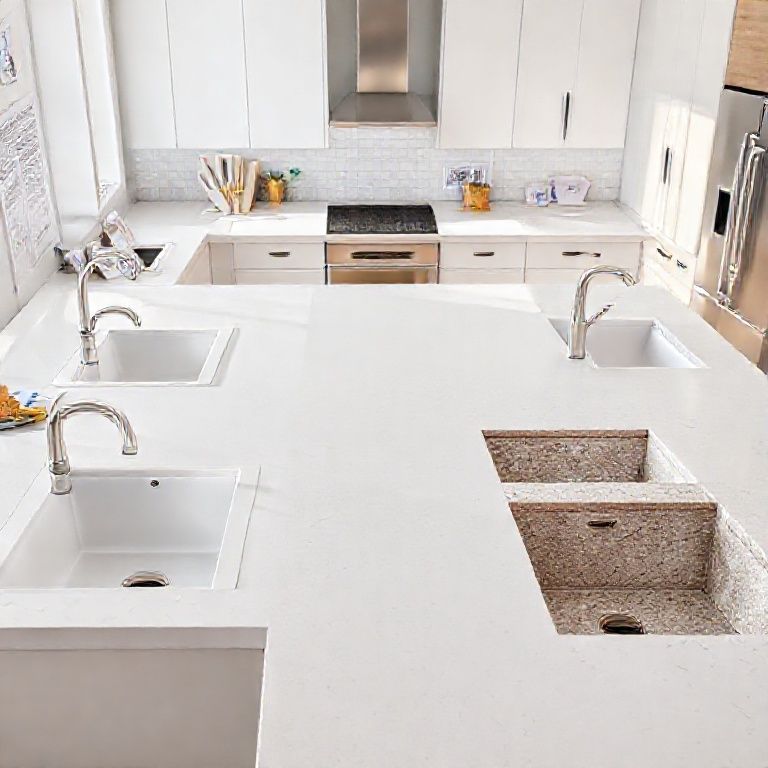
Artificial quartz countertops have revolutionized modern home design with their durability, beauty, and low maintenance. These surfaces are made from a combination of silica and other materials, engineered to mimic natural stone. While quartz is incredibly resilient, it can still be susceptible to stains, which can detract from its sleek appearance. Understanding the nature of these stains is the first step towards effective cleaning and maintenance.
Causes of Stains on Quartz Countertops
To tackle stains effectively, it’s crucial to identify their sources. Common culprits include:
Food and Beverages: Spills from coffee, tea, wine, and juices can leave dark marks on quartz. The acidic nature of these substances can penetrate the surface, making them particularly challenging to remove.
Cooking Oil: Oil splatters from cooking can leave greasy stains that are hard to clean. Even minor spills can cause significant damage if not addressed promptly.
Cleaning Products: While cleaning quartz countertops, improper use of cleaning agents can sometimes lead to residue that stains the surface.
Creases and Dents: Although quartz is tough, it can still develop small scratches or dents that can trap stains and make them harder to clean.
Prevention Tips
Preventing stains is always easier than removing them. Here are some tips to keep your quartz countertops looking pristine:
Use Cutting Boards: Always use cutting boards when preparing food, instead of placing raw meats and vegetables directly on the countertop.
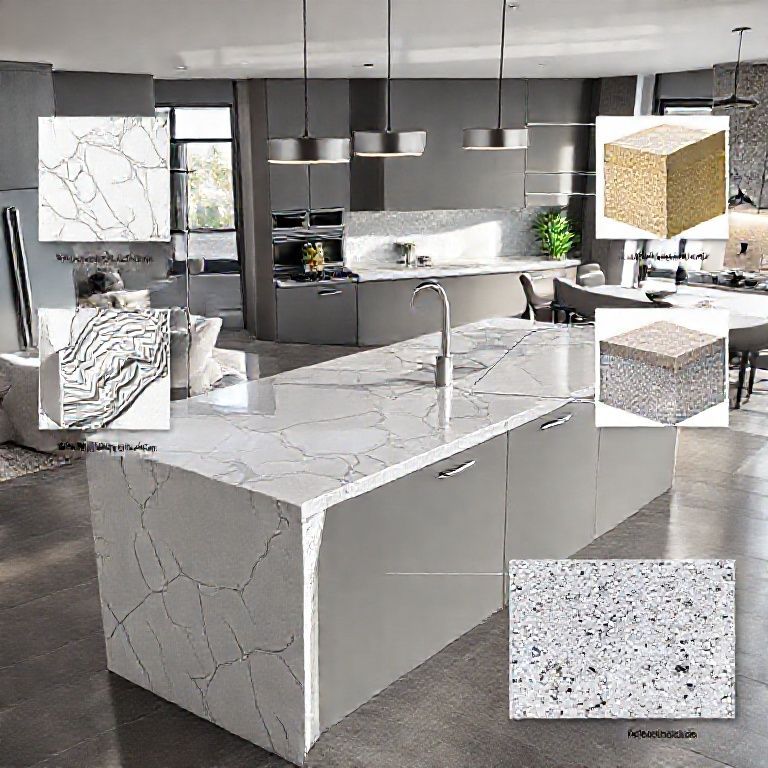
Immediate Cleanup: Wipe up spills immediately to prevent stains from setting in.
Avoid Abrasive Cleaners: Use non-abrasive cleaners to avoid scratching the surface.
Protective Covers: Consider using placemats or silicone covers for hot pots and pans to prevent direct contact with the countertop.
Sealants: While quartz does not require traditional sealing like granite, applying a specialized quartz sealant can offer additional protection against stains.
Identifying the Stain
Before you start cleaning, it’s important to identify the type of stain you’re dealing with. This will help you choose the most effective cleaning method:
Water-Based Stains: These include spills from water, tea, coffee, and other similar liquids.
Oil-Based Stains: These come from cooking oil, grease, and even some food items like avocados.
Chemical Stains: These can result from cleaning products or other chemicals that may have been spilled.
Hard Water Stains: Caused by mineral deposits from hard water, these can be particularly stubborn.
Understanding the nature of your stain will guide you to the most effective cleaning strategy.
Cleaning and Maintaining Artificial Quartz Countertops
Once stains have made their unwelcome appearance, don’t despair. With the right approach, you can restore your quartz countertops to their original splendor. Here’s a detailed guide to cleaning and maintaining your quartz surfaces effectively.
Cleaning Techniques
Immediate Stain Removal
For fresh spills, act quickly to prevent stains from setting in. Here’s what you can do:
Coffee or Tea Stains: Mix equal parts water and white vinegar. Apply the solution to the stain, let it sit for a few minutes, then wipe clean with a damp cloth.
Grease or Oil Stains: Use a mixture of baking soda and water to create a paste. Apply it to the stain, let it sit for about 15 minutes, then scrub gently with a soft cloth or sponge and rinse.
Hard Water Stains: Use a solution of equal parts vinegar and water. Apply it to the stain, let it sit for a few minutes, then wipe clean.
Regular Cleaning
To maintain your quartz countertops, regular cleaning is essential:
Daily Cleaning: Use a gentle, non-abrasive cleaner and a soft cloth to wipe down the surface daily. For tougher spots, use a soft-bristled brush.
Deep Cleaning: Monthly, use a mixture of water and a small amount of dish soap to clean the surface thoroughly. For stubborn stains, a paste of baking soda and water can be very effective.
Avoid Abrasives: Never use scouring pads, steel wool, or abrasive cleaners as they can scratch the surface.
Professional Cleaning
For particularly stubborn stains or for routine maintenance, professional cleaning services can be invaluable. Professionals use specialized equipment and cleaning agents that are safe for quartz but effective at removing deep stains. It’s recommended to hire a professional once a year or when you notice particularly tough stains.
Maintenance Tips
To keep your quartz countertops in top condition, follow these maintenance tips:
Sealants: While not always necessary, applying a specialized quartz sealant can provide an extra layer of protection against stains and scratches.
Avoid Heat: Place trivets or pot holders between hot pots and the countertop to prevent heat damage.
Regular Inspection: Regularly check for any signs of wear or damage and address them promptly.
Proper Storage: Store knives and other sharp objects in a drawer rather than on the countertop to avoid scratches.
By following these guidelines, you can ensure that your artificial quartz countertops remain a beautiful focal point in your home for years to come.
Conclusion
Stains on artificial quartz countertops can be a concern, but with the right knowledge and techniques, you can keep your surfaces looking pristine. From understanding the causes of stains to employing effective cleaning and maintenance strategies, you now have the tools to keep your quartz countertops in top condition. Remember, prevention is key, but with prompt action and the right approach, even stubborn stains can be removed. Enjoy the beauty and durability of your quartz countertops for years to come.