Identifying the Causes and Initial Cleaning Steps
${part1}
Yellowing artificial stone countertops can be a frustrating problem, but understanding the root causes and taking the right steps to address them can restore the beauty and functionality of your kitchen and bathroom. This part of our guide will delve into the primary causes of yellowing and provide initial cleaning steps to get you started on the path to restoration.

Causes of Yellowing Artificial Stone Countertops
Artificial stone countertops are known for their durability and aesthetic appeal, but they are not immune to yellowing. Several factors can contribute to this issue:
Staining from Foods and Beverages: Spills from foods and beverages, especially those containing oils, acids, and sugars, can lead to discoloration over time. Acidic Cleaning Products: Harsh chemicals and acidic cleaners can strip away the protective layer of your stone countertop, causing it to yellow. Environmental Factors: Exposure to sunlight and certain environmental pollutants can lead to fading and yellowing. Improper Cleaning Techniques: Using abrasive scrubbers or harsh cleaning agents can cause micro-scratches and yellowing on the surface. Aging: Over time, artificial stone can naturally yellow due to the aging process, even with proper care.
Initial Cleaning Steps
Before diving into more intensive cleaning methods, it’s important to start with a gentle and effective cleaning routine. Here are the steps to follow:
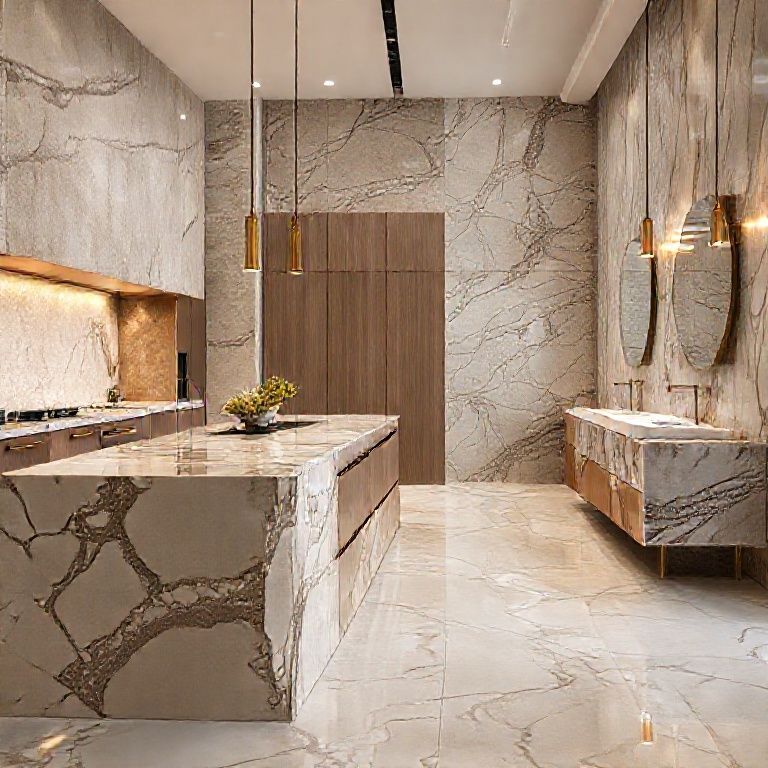
Assess the Damage: Determine the extent of the yellowing. Is it localized to specific areas or has it spread throughout the countertop? Vacuum the Surface: Use a soft brush attachment to vacuum any loose debris from the surface of the countertop. Prepare a Cleaning Solution: Mix a gentle cleaning solution using warm water and a mild, non-abrasive cleaner. Avoid using vinegar or other acidic cleaners, as they can worsen the issue. Test a Small Area: Before applying the solution to the entire countertop, test it on a small, inconspicuous area to ensure it does not cause further discoloration. Wipe the Countertop: Dampen a soft cloth with the cleaning solution and gently wipe the entire surface of the countertop. Avoid using abrasive pads or brushes that can scratch the surface. Rinse and Dry: Rinse the countertop with clean water and dry it thoroughly with a soft, lint-free cloth.
Preventive Measures
Prevention is always better than cure. Here are some tips to help prevent yellowing from occurring in the first place:
Use Coasters and Trivets: Place coasters under glasses, cups, and hot dishes to prevent direct contact with the stone. Immediate Cleanup: Wipe up spills and stains immediately to prevent them from setting in. Avoid Harsh Chemicals: Use mild, non-abrasive cleaners and avoid harsh chemicals and acidic products. Regular Maintenance: Regularly clean and maintain your countertops to prevent the build-up of grime and stains.
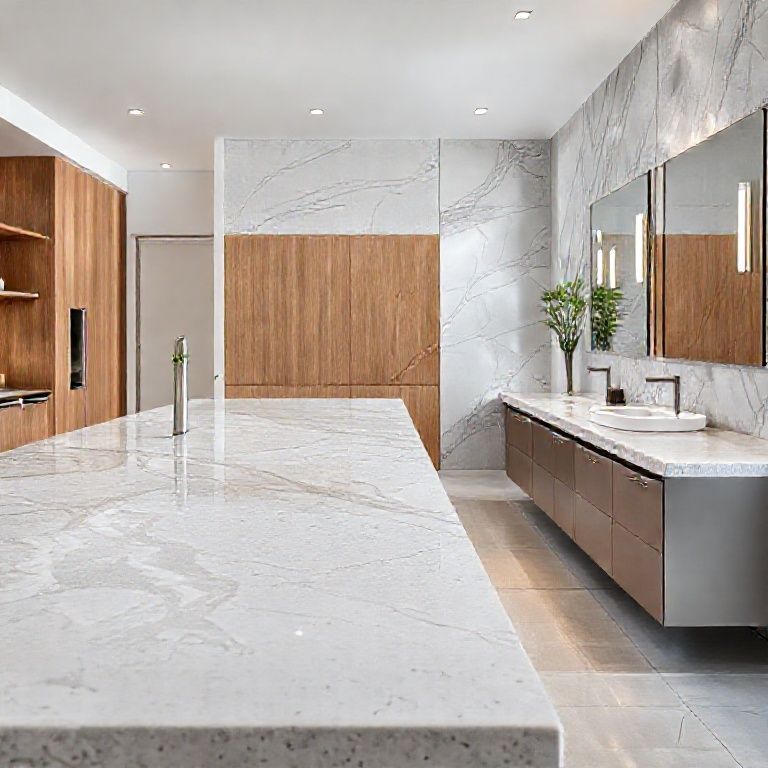
By following these initial steps and preventive measures, you can effectively address and prevent the yellowing of your artificial stone countertops, ensuring they remain beautiful and functional for years to come.
Advanced Cleaning Techniques and Restoration Methods
${part2}
If the initial cleaning steps did not completely resolve the yellowing issue on your artificial stone countertops, it’s time to move to more advanced cleaning techniques and restoration methods. This part of our guide will provide detailed instructions on how to tackle stubborn stains and restore the pristine appearance of your countertops.
Advanced Cleaning Techniques
For more severe yellowing, you’ll need to employ advanced cleaning techniques that go beyond the basic cleaning routine. Here are some effective methods:
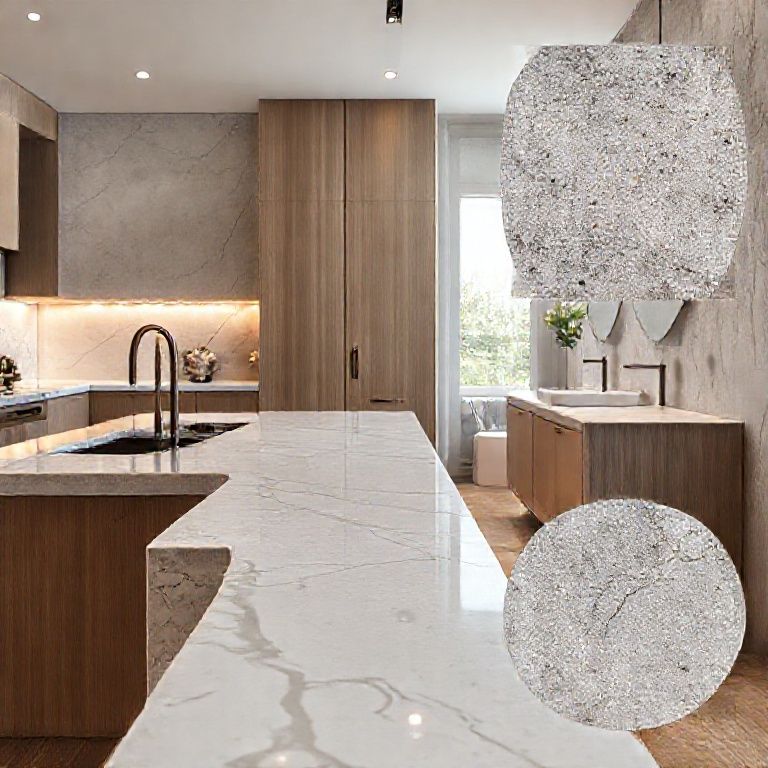
Baking Soda Paste: Ingredients: Baking soda and water. Instructions: Mix baking soda with a small amount of water to form a thick paste. Apply the paste to the yellowed areas and let it sit for 15-30 minutes. Use a soft cloth or sponge to scrub the surface gently. Rinse with clean water and dry thoroughly. Hydrogen Peroxide Solution: Ingredients: Hydrogen peroxide and water. Instructions: Mix equal parts of hydrogen peroxide and water. Apply the solution to the yellowed areas using a soft cloth. Let it sit for 10-15 minutes, then scrub gently with a non-abrasive sponge. Rinse and dry the surface. Oxygen Bleach: Ingredients: Oxygen bleach or a commercial stain remover designed for stone surfaces. Instructions: Follow the manufacturer’s instructions for application. Typically, you’ll apply the bleach to the stained area and let it sit for the recommended time. Scrub gently if needed, then rinse and dry. Professional Cleaners: Products: Specialized stone countertop cleaners or polishes. Instructions: Apply the cleaner as per the product instructions. Usually, this involves applying the cleaner to a soft cloth and wiping the surface. Follow up with a final wipe using a clean, dry cloth.
Restoration Methods
In cases where yellowing is severe and cleaning methods have not fully restored the countertop, you may need to consider professional restoration services. Here are some professional restoration methods:
Stone Polishing: Process: Professional stone polishers use specialized equipment to sand and polish the surface of the countertop. This method can effectively remove discoloration caused by yellowing. Benefits: Polishing can restore the original shine and appearance of the stone while removing surface stains. Stone Coating: Process: A protective coating can be applied to the surface of the countertop to create a barrier against future stains and yellowing. Benefits: Coating provides long-term protection and can enhance the countertop’s appearance. Stone Resurfacing: Process: In extreme cases, a complete resurfacing process can be performed to restore the countertop to its original state. Benefits: Resurfacing can effectively eliminate yellowing and other surface imperfections.
Maintenance Tips for Long-Term Care
To ensure your artificial stone countertops remain beautiful and free from yellowing, follow these long-term maintenance tips:
Regular Cleaning: Establish a regular cleaning routine using mild, non-abrasive cleaners and soft cloths. Use Protective Pads: Place cutting boards, coasters, and trivets on the countertop to prevent direct contact with the surface. Immediate Stain Treatment: Address spills and stains immediately to prevent them from setting in. Avoid Abrasive Cleaners: Refrain from using abrasive cleaners or scrubbers that can scratch the surface. Inspect for Damage: Regularly inspect the countertop for any signs of damage or wear and address them promptly.
By employing these advanced cleaning techniques and restoration methods, you can effectively tackle yellowing artificial stone countertops and maintain their beauty and functionality. With proper care and maintenance, your countertops will remain a stunning feature of your kitchen and bathroom for years to come.
In conclusion, yellowing artificial stone countertops can be addressed through a combination of initial cleaning steps, advanced cleaning techniques, and professional restoration methods. By understanding the causes and following our detailed guide, you can restore the pristine appearance of your countertops and ensure they continue to enhance the beauty of your home.